Last updated November 17, 2026


Free written scope consultation - allowances, timeline, and change-order rules on paper before a single trade is scheduled
Driveway & Pavers Maintenance Schedule: What to Do and When
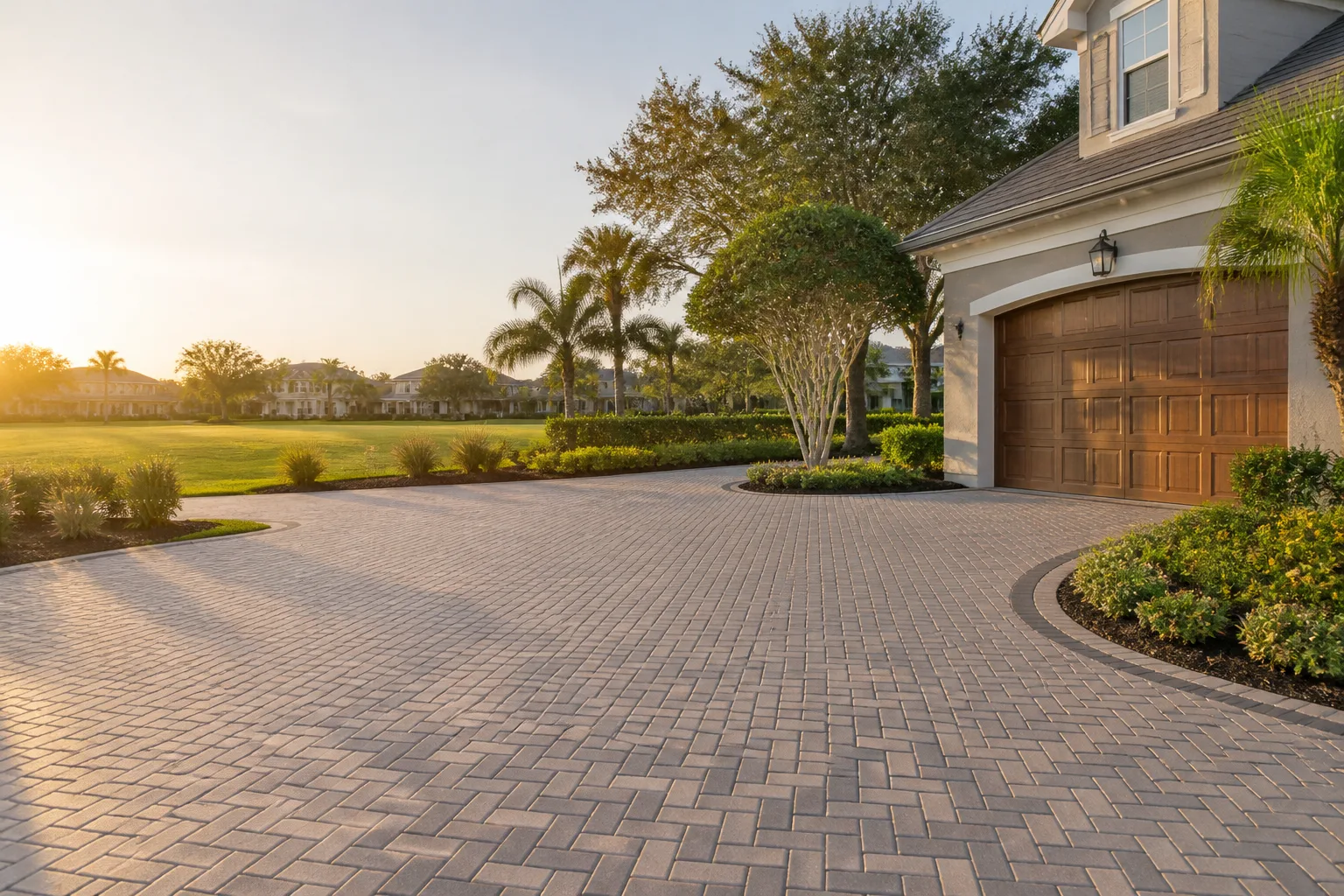
Most Huntington Beach homeowners wash their cars every weekend and think about their driveway pavers maybe once a year. That ratio is backwards. Here’s the counterintuitive part: the cheapest maintenance task on this list, hosing salt residue off the pavers after a coastal wind event, is the one almost everyone skips, and it shortens paver life faster than anything else we see. Polymeric sand breaks down, joints widen, water finds a seam, and a hairline crack becomes a repair. What follows is a Huntington Beach-specific calendar, built around our wet winters, dry summers and Santa Ana wind season, not a generic four-season template from the Midwest.
Quick Answer
A paver driveway in Huntington Beach needs five things on a schedule: rinse salt and grit after coastal wind events, re-sand joints every 2 – 3 years (sooner in high-UV exposures), re-seal roughly every 3 – 4 years in fall, check edges and low points after every heavy rain, and pull weeds and sweep grit monthly. Do those five things and a properly installed driveway can outlast a neglected one by fifteen years. Miss the salt rinses and the sealing window, and the same driveway starts pulling apart in half that time.
Styles & brands we work with
- Kitchen remodeling
- Bathroom remodeling
- Home additions & ADU
- Roofing
- Windows & doors
- Driveway & pavers
- Fence
Table of Contents
- The Huntington Beach Year-at-a-Glance Schedule
- Why Salt Rinses Matter More Than Anything Else Here
- How Often to Re-Sand Joints in Southern California
- Sealer Timing: Why Fall Beats Spring in Huntington Beach
- After a Heavy Rain: What to Check at Edges and Low Points
- Tools Worth Keeping in the Garage (and the Ones Being Oversold)
- Common Mistakes to Avoid
- When to Call a Professional
The Huntington Beach Year-at-a-Glance Schedule
National guides hand you four seasons. Huntington Beach doesn’t really have four. It has a dry, sunny stretch from roughly April through October, a wetter window from November into March, and two Santa Ana wind periods (fall and early spring) that push dry grit and abrasive dust across every exposed surface. Your maintenance calendar should follow those cycles, not a map of leaf-fall and snowmelt.
Here’s the month-by-month rhythm we run on our own driveways and see hold up on customer properties:
- January – March (wet season): After each rain event, walk the perimeter and every low point. Clear debris from joints and any drainage channel. Rinse off winter grit once things dry out.
- April – May: First deep clean of the year. Pull weeds, sweep grit, inspect joints for loss of sand. If a joint is empty enough to see daylight, it needs sand before summer.
- June – August (dry season): Monthly rinse to knock down dust and salt film. This is peak UV season, when polymeric sand breaks down fastest. Watch the south- and west-facing runs closest to the coast damage first.
- September – November (Santa Ana season + sealing window): The big one. Rinse after every wind event. This is also the ideal window to apply sealer, once temps have dropped but before the winter rains.
- December: Pre-rain inspection. Confirm joints are full, edges are tight, and nothing’s lifting. Fix small issues now, before a month of rain exploits them.
Total time invested: maybe two Saturdays a year for the big tasks, plus fifteen minutes after any weather event. That’s it. The whole point of a schedule is to keep maintenance a morning errand, not a project. If you’d rather hand the twice-a-year work to a crew that’s done it hundreds of times across Huntington Beach, that’s what we’re here for.
Why Salt Rinses Matter More Than Anything Else Here
Coastal Huntington Beach gets salt-laden air and occasional sea-spray deposition on wind events. Salt doesn’t stay put. It works into the joints, pulls moisture, and reacts with the cementitious component of polymeric sand, degrading the bond over time. It also leaves a white film on the paving surface that traps grit, which acts like sandpaper every time a car pulls in. Left alone, that combination is the single fastest path to failing joints and a hazy, worn surface.
The fix is almost embarrassingly simple: after a coastal wind event, hose the driveway down with a garden hose. Not a pressure washer on full blast (more on that below). A slow, even rinse that pushes salt and grit toward a low point and off the surface. Ten minutes, once the winds die down.
Most Huntington Beach homeowners skip this because the driveway doesn’t look dirty. Salt residue is invisible until it isn’t. We’ve watched the same driveway age twice as fast as its neighbor three blocks inland, and the only difference was how often the coastal-facing one got rinsed. Rinse monthly in summer, rinse after wind events, done.
- Use a garden hose; avoid a pressure washer at full pressure on the paver faces and joints.
- Rinse toward a low point, not into the garage or the street if local drainage rules say otherwise.
- Rinse the same day the wind drops; salt left sitting through a dew cycle is worse than salt that gets hit with water.
How Often to Re-Sand Joints in Southern California
Joints are what hold the whole system together. The sand fills the gap between pavers, locks them against lateral movement, and keeps water from channeling under the surface. In Huntington Beach, plan on re-sanding every two to three years for a typical residential driveway, and closer to every two years on exposed, sun-baked runs near the coast. South-facing and west-facing areas break down first.
The sand type matters as much as the schedule. Southern California’s UV intensity is brutal on cheap sand. What we recommend and what holds up:
- Polymeric sand (a quality, name-brand product) is the standard for driveways in Huntington Beach. The polymer binds when wet and resists erosion, and the good brands are formulated for high-UV climates.
- Regular builder’s sand is cheaper and easier to apply, but it washes out faster and offers no real binding. In our experience it’s a stopgap, not a solution.
- Ask what brand and formulation is going in. You should be able to look it up. The mystery sand off a van is where driveways go wrong.
How to tell it’s time: a joint you can see down into, sand that crumbles when you press it, or sand washing out at the edges after rain. Re-sanding is a half-day job done right. A driveway that’s fully empty in the joints by summer is a driveway asking for trouble. For a professional re-sand and full paver inspection, our Driveway & Pavers in Huntington Beach page lays out what we install and how we set joints for the long run.
Sealer Timing: Why Fall Beats Spring in Huntington Beach
Sealer is the most oversold item on the maintenance list. Plenty of outfits will tell you it needs re-applying every year. In our Huntington Beach experience, a quality penetrating sealer on a properly prepped driveway is good for three to four years, sometimes more. Spring application sounds appealing, but our wet season is right in front of it, and a sealer that needs a dry cure window gets compromised by early rain. Fall is the better window: temperatures are moderate, humidity is manageable, and you’re sealing ahead of the rains rather than racing them.
How to tell when sealer is actually due:
- Pour a cup of water on the surface. If it beads up and rolls, the sealer’s still working. If it soaks in flat within a minute, it’s faded.
- Look for uniform color. A sealer that’s worn through shows lighter, duller patches, usually in the traffic lanes.
- Feel the surface after a light rain. If water’s soaking into the paver faces rather than sheeting, it’s time.
What to avoid: annual resealing, sealer applied over a wet or dirty surface (it traps moisture and can cloud), and high-gloss film-forming sealers on driveways where you’ll be parking hot tires. A penetrating sealer is the quieter, longer-lived choice here. If you’ve been told you need sealing every spring, ask why. Call (844) 320-2945 for a free second opinion on any written estimate; if it’s not due, you’ll hear that from us.
After a Heavy Rain: What to Check at Edges and Low Points
Orange County storms have a pattern: long dry stretches, then intense rain over a short window. That’s hard on pavers, because the soil underneath never gets a gradual soak. It goes from dry to saturated in hours, and saturated soil finds every weakness at the edges and low points. After a heavy rain in Huntington Beach, here’s what to walk and check:
- Edge restraint: The hidden border that holds the outside course of pavers. If it’s loose or undermined, pavers start spreading. Look for gaps between the outer pavers and the border.
- Low points and drainage channels: Standing water that hasn’t drained within an hour after rain means a drainage issue. Don’t let it sit through the next storm.
- Joint sand loss: Rain washes sand out of high-flow zones. Re-sand those areas promptly.
- Lifting or rocking pavers: A paver that rocks underfoot means the base has settled. That’s a repair, not a maintenance item, and it’s better caught early.
- Sub-base exposure: Anywhere the base material is visible means the paver surface has shifted and water is getting underneath.
Keep a notepad handy. Something we tell every Huntington Beach homeowner: note what you see after every big rain. Small issues caught early are cheap repairs, and repairs are always cheaper than replacement. A driveway that shows the same low point after every storm isn’t a maintenance problem, it’s a grading problem, and that’s a conversation worth having early.
Tools Worth Keeping in the Garage (and the Ones Being Oversold)
You don’t need much. The tools that actually earn their shelf space:
- A good garden hose with a nozzle – your number-one maintenance tool for salt rinses and dust control.
- A stiff-bristle push broom – monthly grit sweeps, and getting sand into joints before it gets wet.
- A hand trowel and a bag of the right polymeric sand – for spot-filling joints between full re-sands.
- A pruner and a weed puller – weeds in joints come from seed blown in; pull them promptly and refill that joint with sand.
- A 5-gallon bucket and a soft-bristle brush – for spot cleaning around stains and spills.
What’s being marketed aggressively that most pros don’t actually use: high-pressure rotary surface cleaners on a regular basis (they can strip sand and damage paver faces), aggressive acid washes on a maintenance schedule (they etch the surface), “miracle” spray-on sealers with a one-year claim, and expensive paver “rejuvenators” that don’t do much beyond the rinse you’d do anyway. Before you buy anything with a monthly subscription, ask the honest question: would a maintenance guy who’s been doing this 28 years put it on his own driveway? Most of the time, the answer is no. If you want a straight answer on what your driveway actually needs, our team at Barrett & Sons Construction Huntington Beach will tell you.
Common Mistakes to Avoid
- Skipping post-wind rinses. Salt and abrasive grit sitting on the surface do more long-term damage than any single repair. Rinse within a day of the wind event.
- Pressure washing at full blast. It strips polymeric sand and can pit paver faces. A garden hose and a stiff broom do the job without the damage.
- Sealing over a wet or dirty surface. The sealer traps moisture and clouds. Prep, dry time and timing matter more than the product on the can.
- Ignoring low points after rain. Standing water is a grading problem, not a maintenance one. Left alone, it undermines the base a little more each storm.
- Top-dressing with cheap builder’s sand. It washes out fast and provides no binding. Use polymeric sand formulated for high-UV climates.
- Letting weeds win in joints. A weed pulls sand out with its root. Pull it, then refill the joint. Don’t just trim it.
- Treating the driveway as a once-a-decade project. Ten minutes after each wind or rain event is the whole difference between a 25-year driveway and a 12-year one.
If you’re considering bigger changes, whether that’s adding a covered entry, a new ADU garage conversion or a fully reworked frontage, our Home Additions & ADU in Huntington Beach page covers how hardscape ties into new construction. And if the driveway edges up against a fence you’ve been meaning to replace, our Fence Installation in Huntington Beach team handles that alongside the paver work so the whole frontage gets done in one schedule.
When to Call a Professional
Most paver driveway maintenance is a homeowner task, and the schedule above is built so you can do it yourself. But some calls need a professional. Call us if you see rocking pavers, widespread sand loss across an entire joint network, standing water that hasn’t drained within 24 hours, a lifted or separated edge restraint, cracks that appear in the pavers themselves (not the joints), or a sealer that has clouded or flaked. We’ll give you a free estimate and a written scope before any work happens, with a written change order if anything changes once we’re on site. Call (844) 320-2945 to schedule your free estimate. Our crews handle paver re-sanding, sealer application, edge repair and full driveway repaving across Huntington Beach.
See the difference
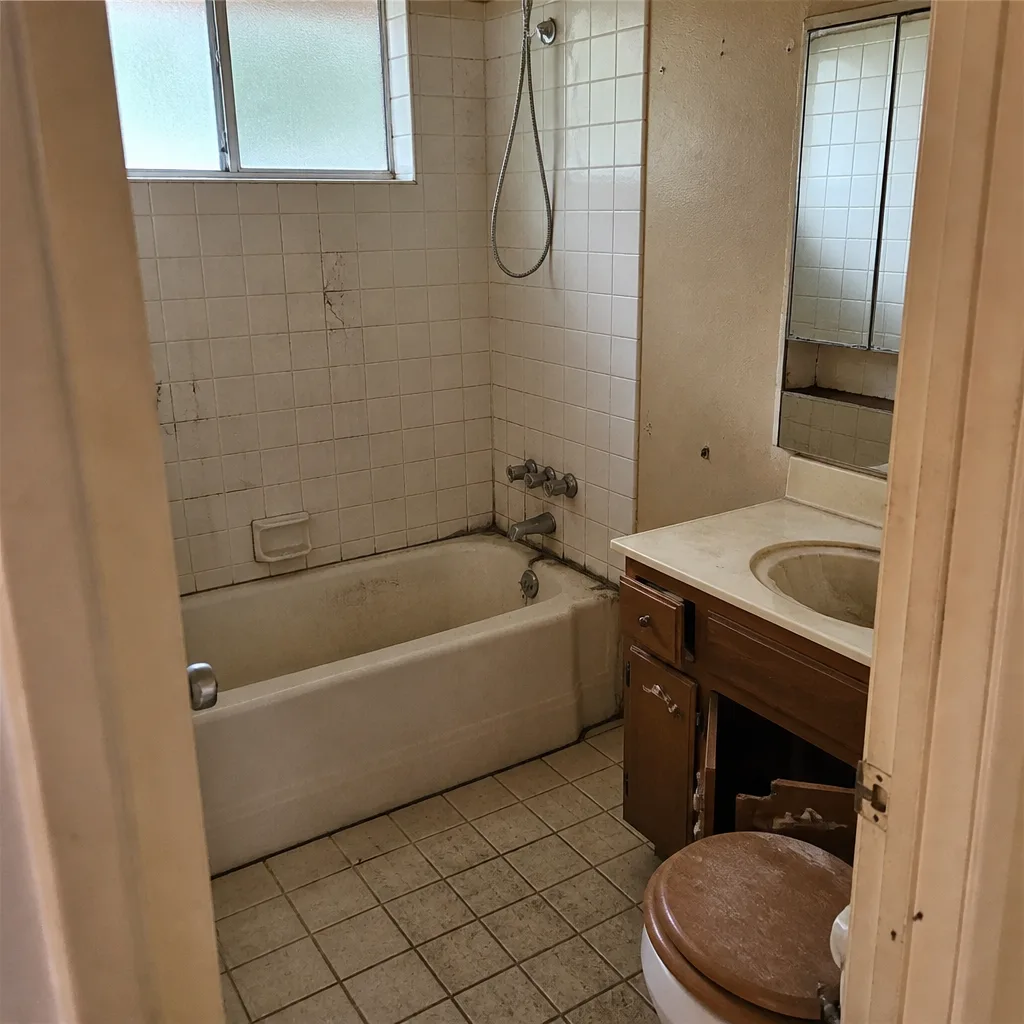 Before
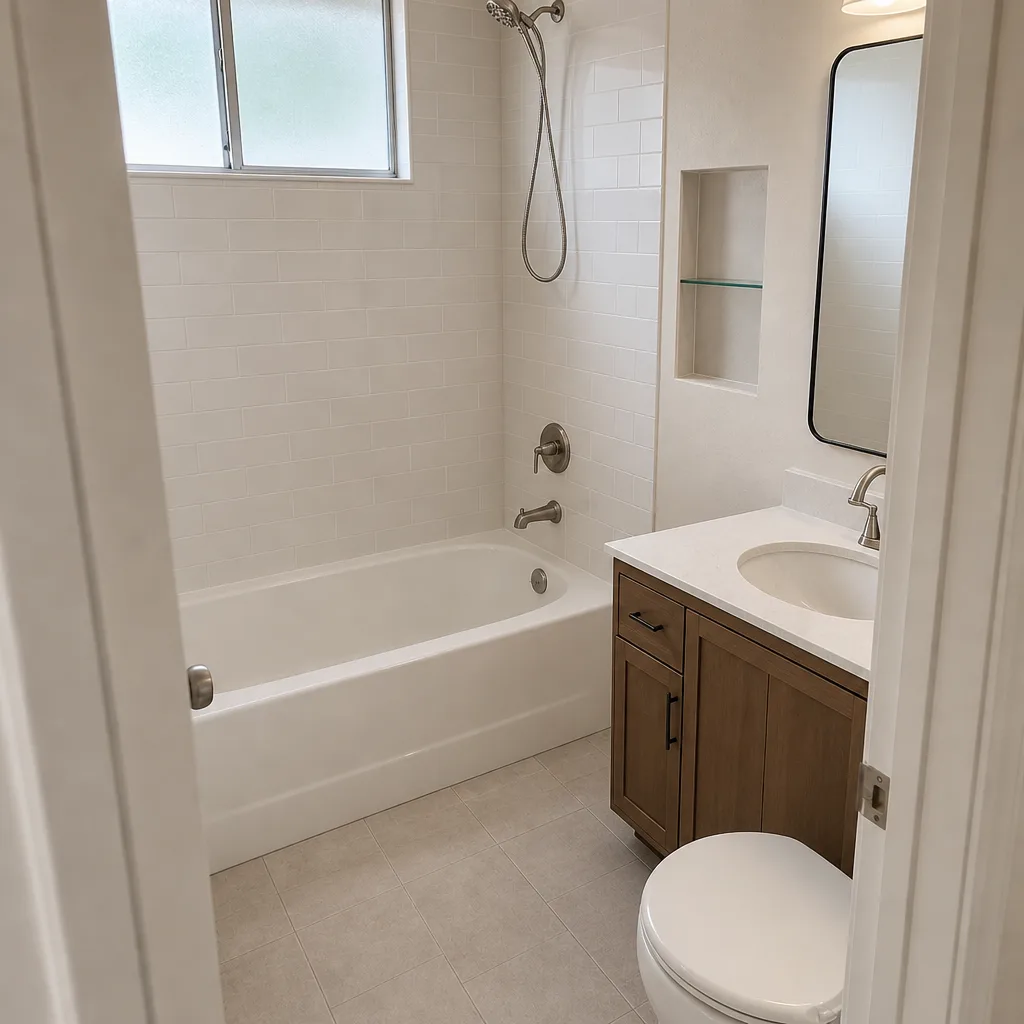 After
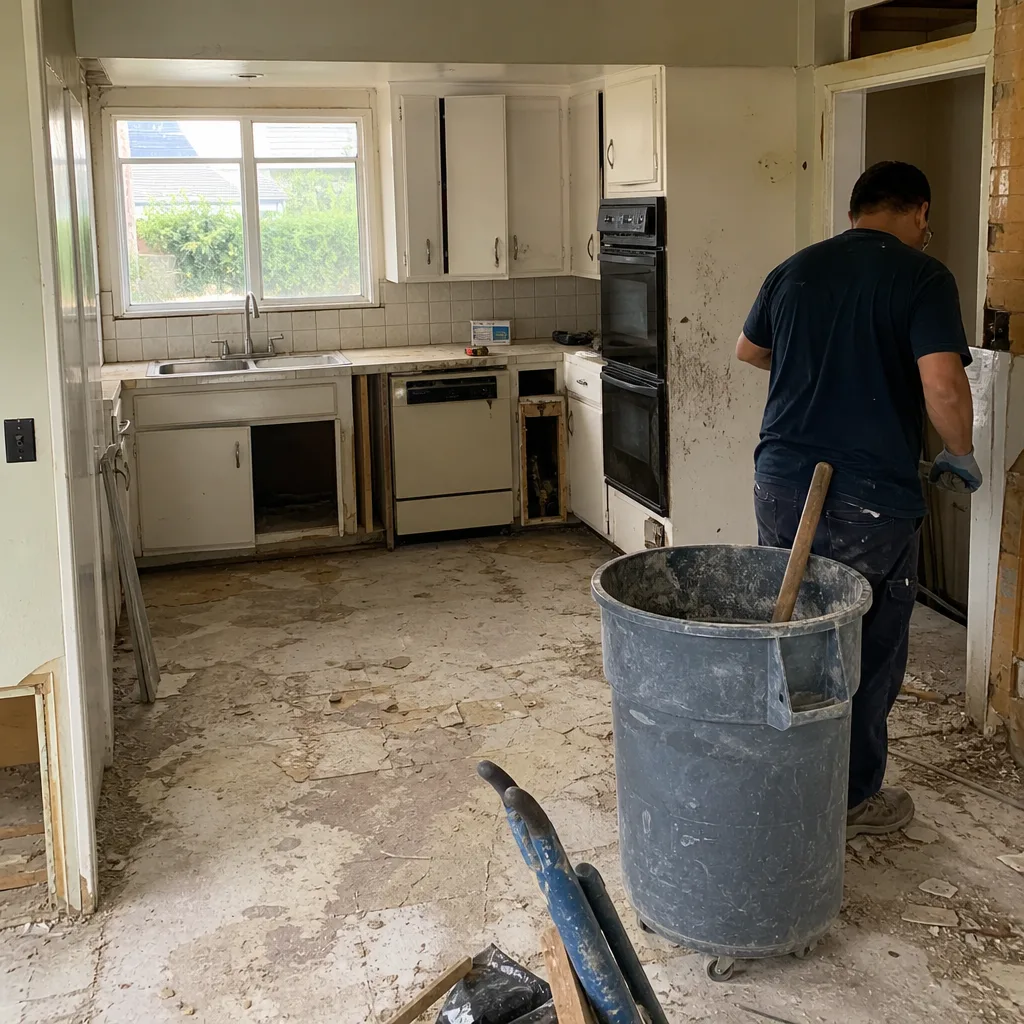 Before
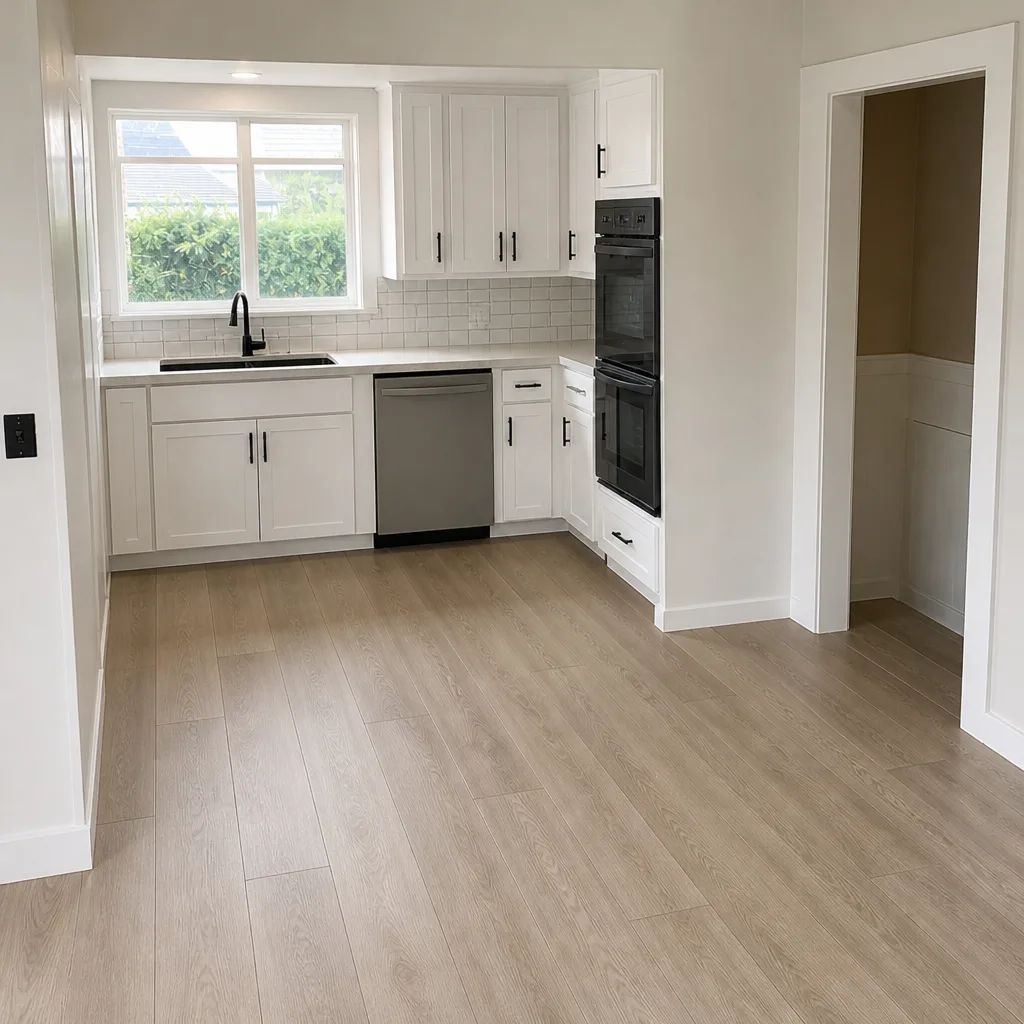 After
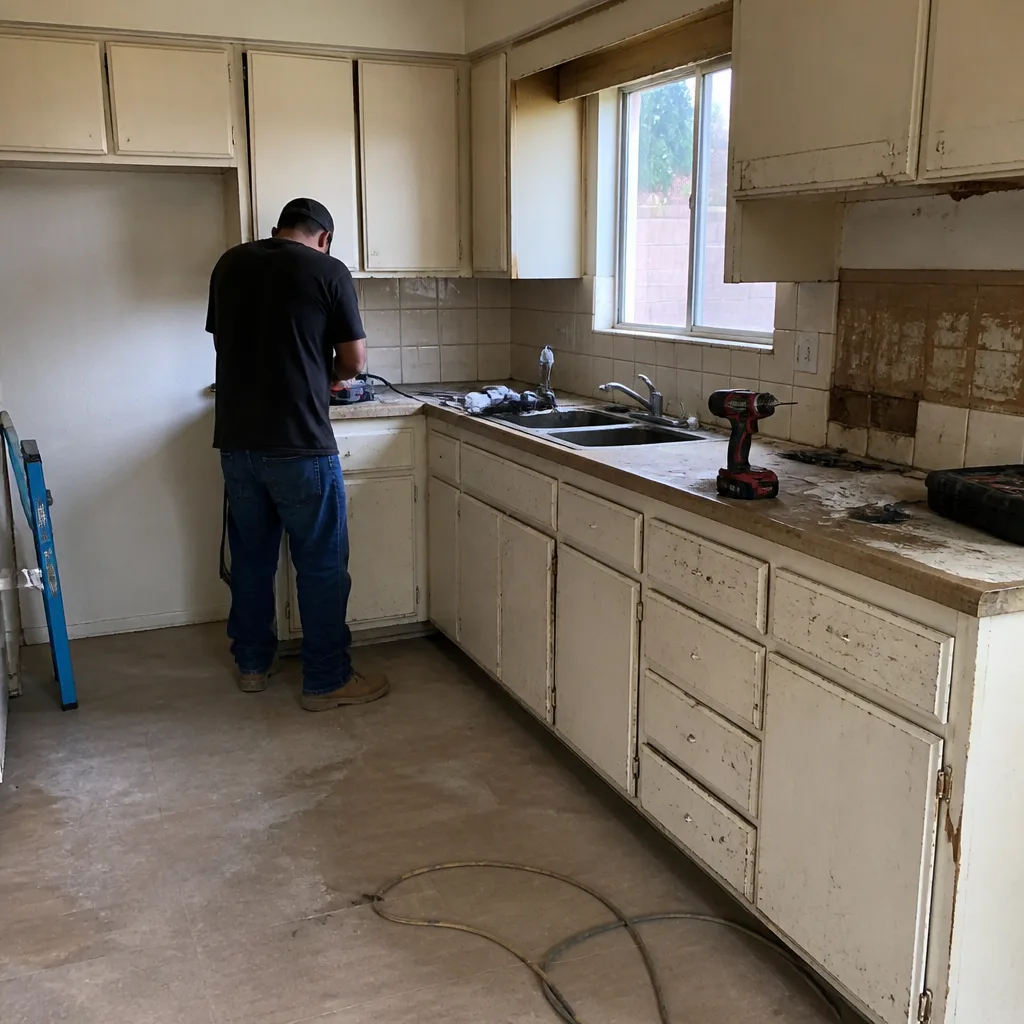 Before
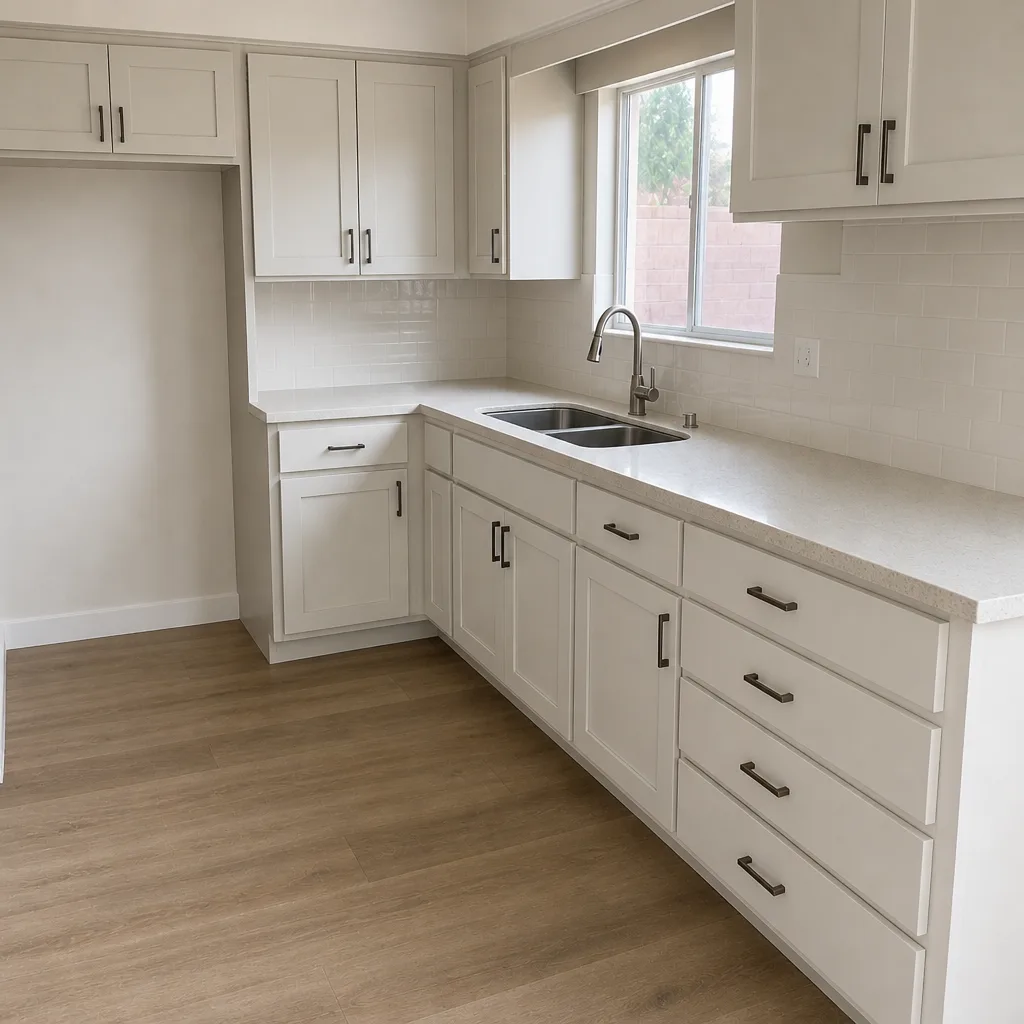 After
Frequently Asked Questions
Every two to three years for a typical residential driveway, and closer to every two years on exposed, sun-baked runs near the coast. Re-sand when joints look empty, when sand crumbles under finger pressure, or when sand washes out at the edges after rain. Call (844) 320-2945 for a free estimate if you’d rather have the joints re-sanded by a crew that’s set thousands of them.
Every three to four years with a quality penetrating sealer, not annually. Test with a cup of water: if it beads and rolls, the sealer is still working; if it soaks in flat, it’s time. Fall application is better than spring here because you’re sealing ahead of the wet season. Call (844) 320-2945 for a free second opinion on any sealer estimate you’ve been given.
Only at low pressure, and only occasionally. High-pressure washing strips polymeric sand from the joints, pits paver faces, and does more harm than good. A garden hose and a stiff broom handle most of the maintenance in Huntington Beach; save pressure washing for a targeted clean, not a routine.
Rain finds the low points and drains through them, carrying sand with it. In Huntington Beach that’s usually a combination of an underfilled joint network and a drainage low point that hasn’t been addressed. Re-sand the affected joints with quality polymeric sand, and if the same spots wash out after every storm, the grading needs a look. Call (844) 320-2945 for a free estimate on edge repair or re-sanding.
Re-sanding and re-sealing are maintenance, not construction, and don’t require a permit. Replacing a driveway surface, changing grading, or bumping up the footprint can trigger permits in Huntington Beach. When in doubt, ask before you dig. We pull permits and get inspections signed on every eligible job.
Skip the salt rinses after coastal wind events and let the joints drain dry in summer without re-sanding. That’s it. Salt residue, abrasive grit and open joints will do more to shorten a driveway’s life than any other single factor. The rest of the schedule is easier once the rinse becomes a habit. Call (844) 320-2945 for a free estimate if you’re not sure where your driveway stands.
The Bottom Line
Five tasks on the right calendar: rinse salt after wind events, re-sand joints every two to three years, seal in fall every three to four years, check edges and low points after every heavy rain, and pull weeds monthly. Follow that in Huntington Beach and a properly built paver driveway can outlast its neglected neighbor by fifteen years. Skip it and you’ll be calling about repairs. Either way, we’re here to help; schedule a free estimate and we’ll walk the driveway with you and tell you honestly what’s due and what isn’t.
Call Barrett & Sons Construction Huntington Beach at (844) 320-2945 to schedule your free estimate and get your driveway on a schedule that fits this coast.
Written by the team at Barrett & Sons Construction Huntington Beach.