
Free written scope consultation - allowances, timeline, and change-order rules on paper before a single trade is scheduled
Cambria Fence Installation: The Huntington Beach Owner’s Guide
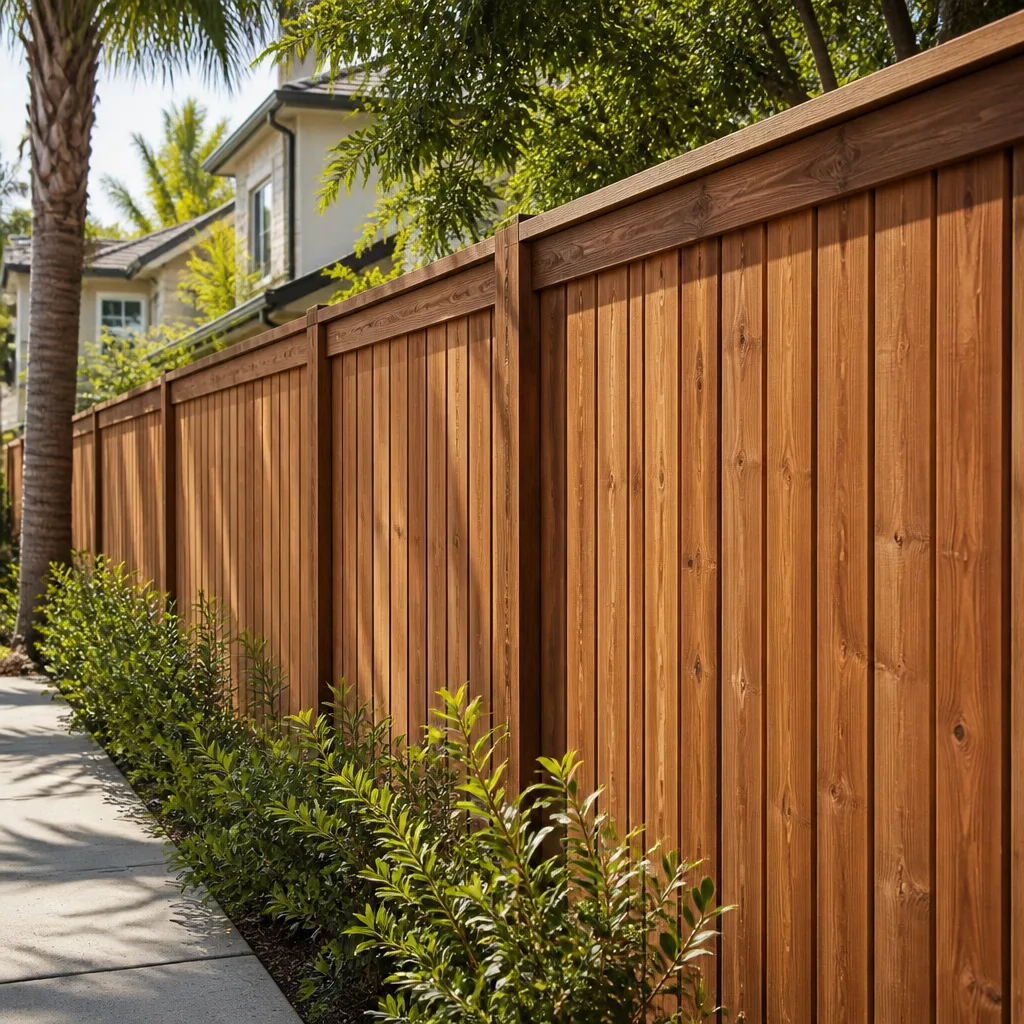
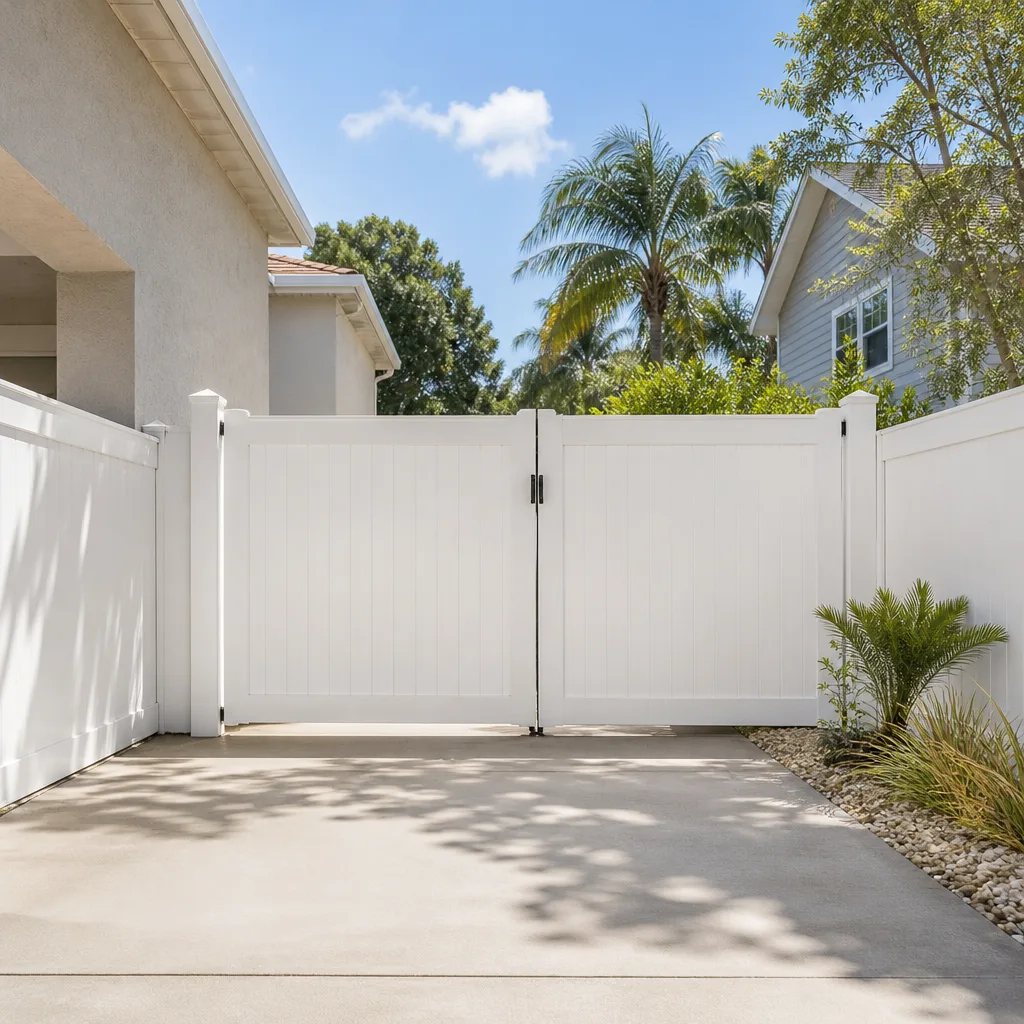
Cambria doesn’t make a fence system. Cambria is a quartz surfacing brand, and what homeowners in Huntington Beach actually call about is a Cambria-topped outdoor kitchen island, seat wall cap, or privacy wall coping cap where the masonry base or fence anchor has shifted and the quartz is now sitting on something loose. Cambria-surfaced fence and wall installations in Huntington Beach typically run $3,500 to $9,000 installed for the full base-plus-cap scope, depending on linear footage, cut count, and whether a footing gets replaced. This page is for the owner who already has the material and needs the install done right.
You find out something is wrong slowly. First a hairline gap opens between the quartz cap and the block beneath it. Then winter rain leaves a rust-colored line down the face of the wall. Then a cap rocks when you lean on it, and the piece that ran tight a year ago is a quarter inch out of level at the corner. By the time you’re reading this page, you’ve probably already crouched down with a flashlight and seen it: the footing has heaved, or the adhesive has failed, or the wrong setting bed was used in the first place. That’s the moment to make a call, not the moment the cap cracks.
Which Cambria Models This Applies To
The key identification step on Cambria isn’t the model name on the fence – it’s the slab spec. Cambria quartz is sold in standard slab thicknesses of 1cm, 2cm, and 3cm, and every Cambria surface is engineered quartz made in Le Sueur, Minnesota, in a factory that runs the full slab through the same process. That matters because outdoor vertical and cap applications need 3cm for the coping and cap rails, and 2cm will not survive a cantilever over a wall edge in Huntington Beach’s marine air without support. If your original cap was installed thin, that is likely part of why it failed.
Cambria’s consumer lines – including the collections sold through kitchen and bath showrooms – are sold by color and pattern name, not by series number, so identification starts with checking the material itself. Look on the underside of any cap piece that can be safely lifted, or on the back edge of a scrap left over from the original job, for the Cambria stamp and color name. If there’s no stamp, the material is likely a different quartz brand or a lower-cost stone composite, and the replacement has to be matched on measurement, not on brand.
For the OEM-vs-aftermarket decision: there is no Cambria OEM “fence part.” Replacement quartz comes from the fabricator who cuts and finishes the slabs. The relevant decision is whether to match the existing Cambria color from current inventory, or switch to a stocked color from Cambria’s Core or Signature collections. Silestone and Kohler (for the outdoor kitchen and sink side) work the same way on their own parts if a broader rebuild is on the table. KraftMaid surfaces are separate and don’t factor in here. What you’ll want is a fabricator who can produce a finished 3cm cap with a matched edge profile, because the fence job is really a fabrication job.
Styles & brands we work with
- Kitchen remodeling
- Bathroom remodeling
- Home additions & ADU
- Roofing
- Windows & doors
- Driveway & pavers
- Fence
Signs Your Cambria Fence Installation Is Failing
These are the five failure modes we see most often on Cambria-surfaced walls and fences in Huntington Beach, and each one points at a specific cause.
- Caps rock or lift at the corners. The block bond or the adhesive under the cap has failed; without a full bed of structural adhesive, thermal movement pries the piece loose one corner at a time. Ignored, a 3cm cap can walk off the wall.
- Rust-colored staining below the cap. The steel reinforcement in the footing or anchor is rusting from moisture intrusion, and the stain usually means a rusted anchor bolt that has already lost holding value. This is the failure that surprises owners, because the rust shows on the block long before the anchor actually gives.
- Vertical cracks in the block under the quartz. Typically footing settlement rather than the cap itself, and it usually happens on the inland-side walls where Huntington Beach’s clay soils shrink faster through the dry season than the sandier coastal blocks do.
- Gaps at every miter. The fence has moved, not the cap; expansion and contraction at Huntington Beach’s coastal humidity swings open up the miters year after year. Capping this with caulk hides the movement rather than addressing it.
- Chips along the exposed edge of the cap. Edge chips exposed over a raised base are a sign the original finish wasn’t sealed, and the marine salt air in Huntington Beach has been quietly working the seam. Each chip is a place water gets in.
If two or three of these describe your fence, the cap isn’t the real problem. The base is. More on that below.
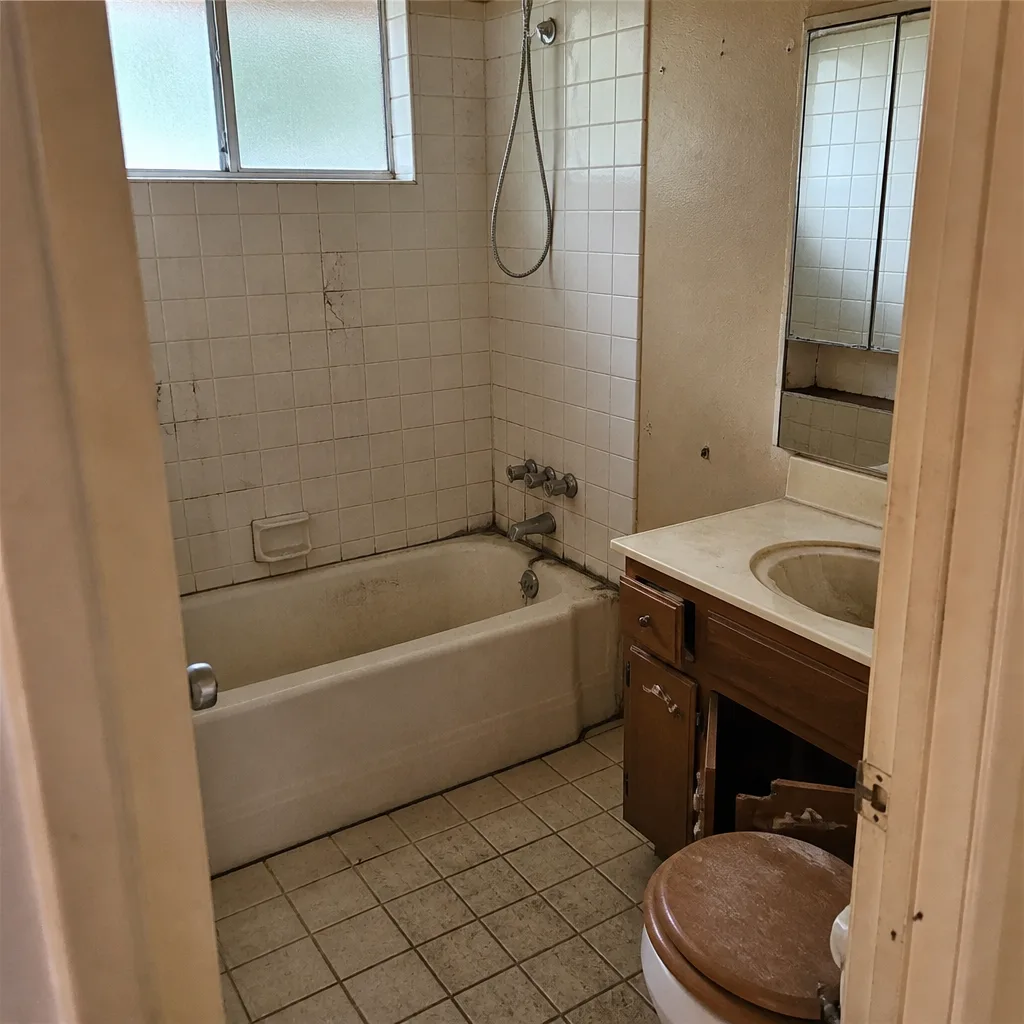
See the difference
 Before
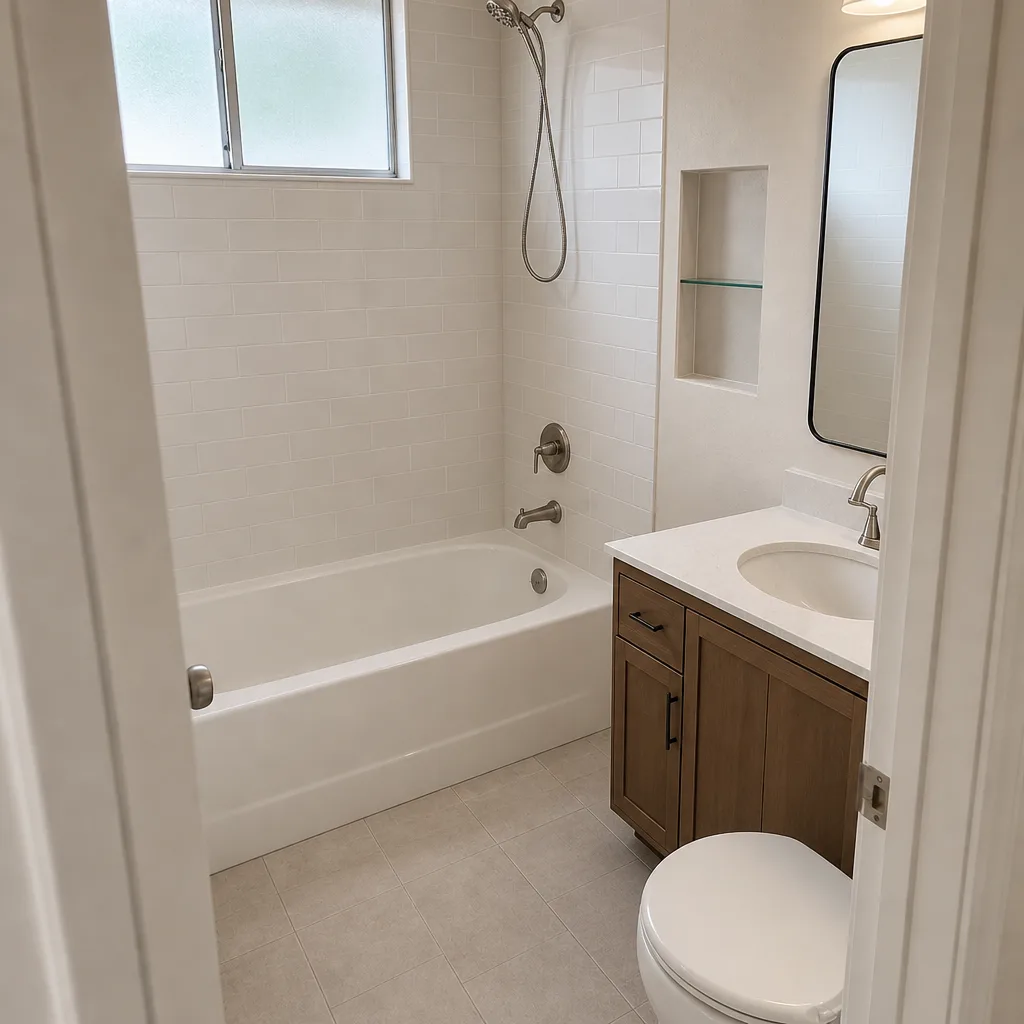 After
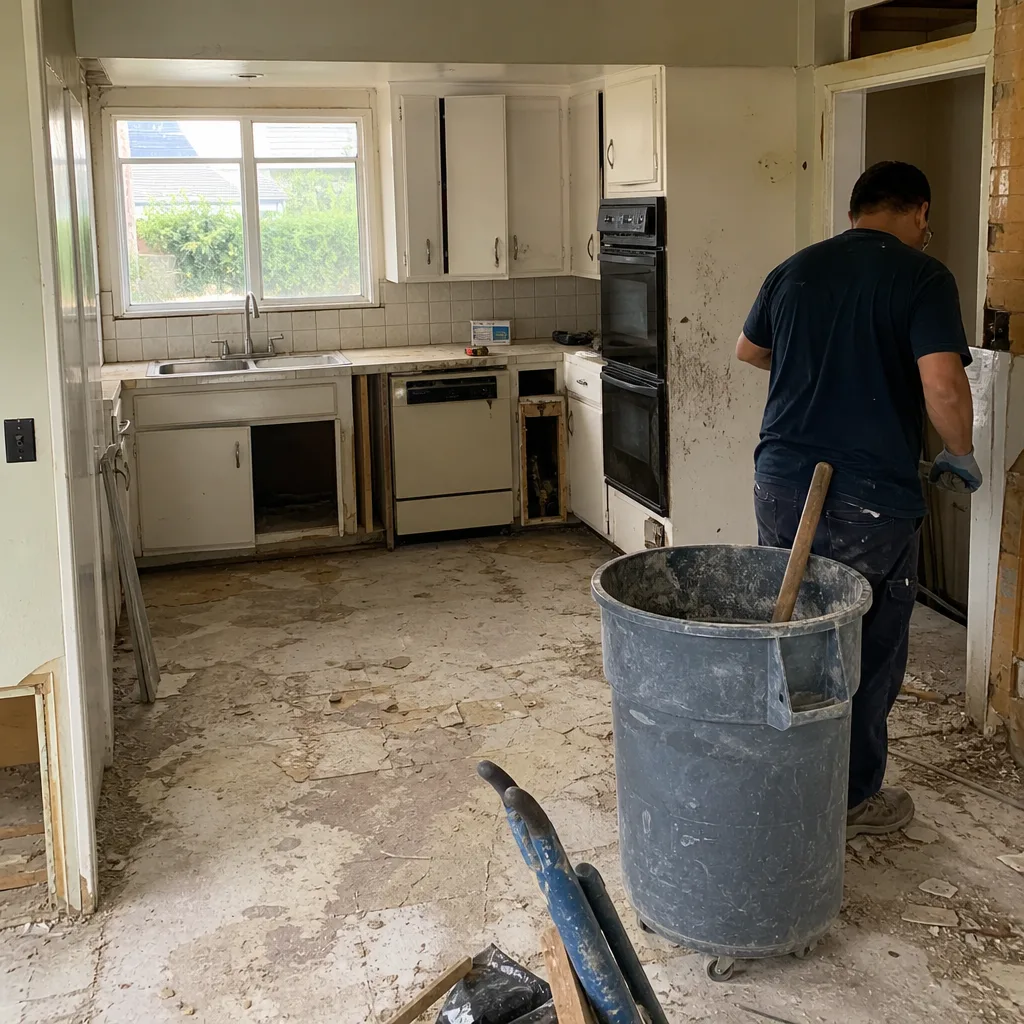 Before
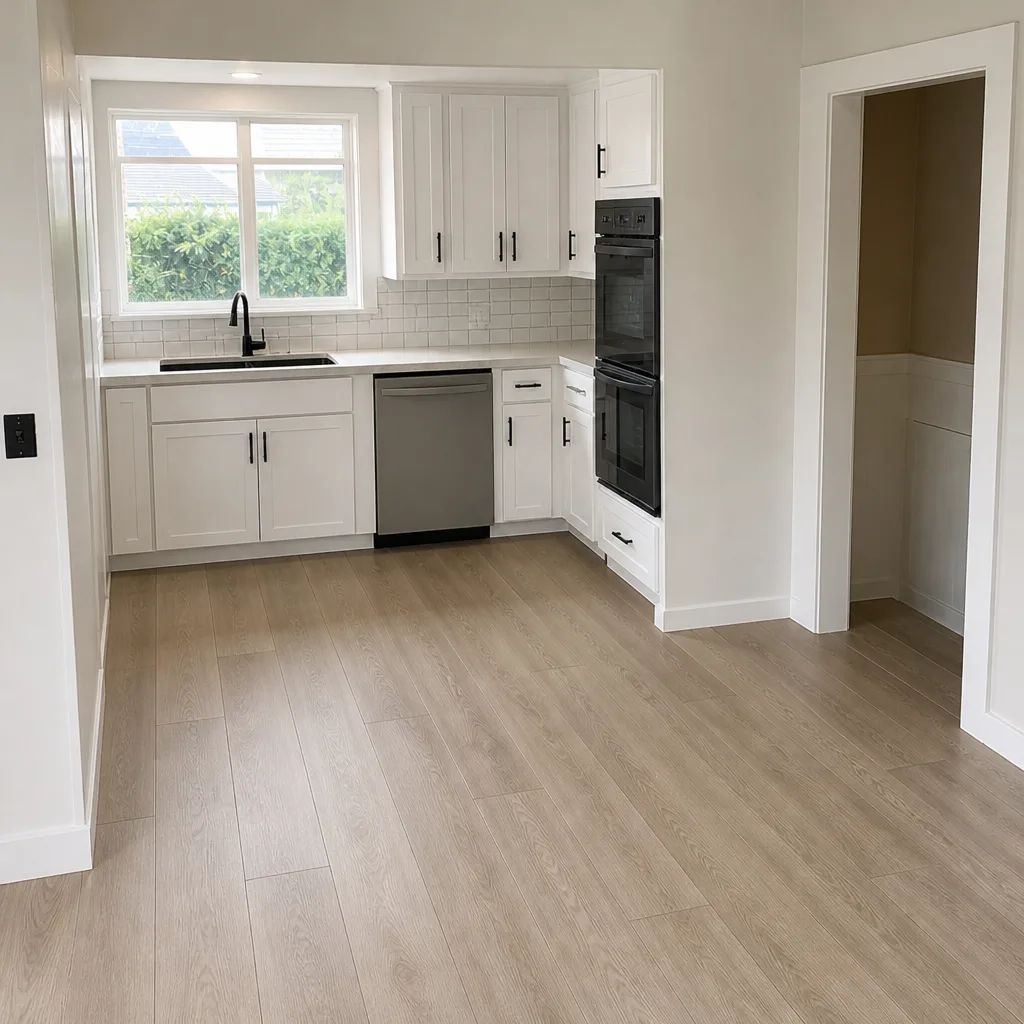 After
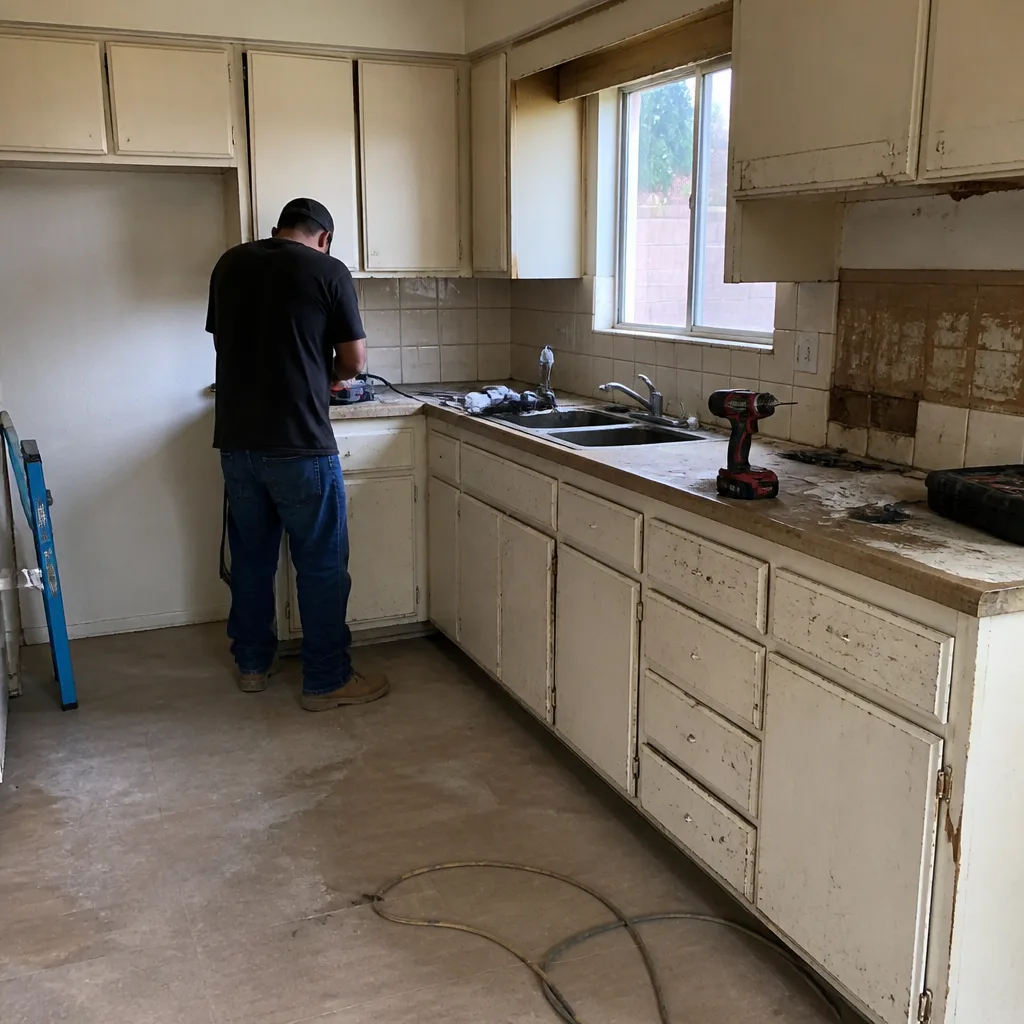 Before
 After
Replacement Cost & What’s Included
What owners in Huntington Beach actually pay for a Cambria-surfaced fence or wall base replacement runs $3,500 to $9,000 installed for the full scope, and that range holds whether the job is a re-cap over a sound block wall or a new wall with a capped finish.
The variables that move the number:
- Linear footage and cut count. Every 8-foot stretch of wall needs a fabricator cut and a finished edge, and miters add time. A short privacy wall with four pieces costs less than a property-line run with fifteen.
- Footing condition. If the footing can be reused, the range is closer to the low end. If the footing has to come out and be re-poured to code, you’re at the top of the range or above it.
- Color availability. Matching an existing Cambria color that’s still in current production is straightforward. Matching a discontinued color often means re-facing the whole run in a currently stocked color, which is a different scope and priced accordingly.
- Edge profile and finish. A standard eased edge on 3cm is a different labor line than a hand-finished bullnose on a 2cm cap, and the thickness difference is the reason.
Every scope, allowance, and price change on a Barrett & Sons job arrives as a written change order before the work happens. No surprise invoices at the end. Permits get pulled on any job where the work moves a footing or changes wall height, and the inspection is signed before we call it done. The 90-Day Done Right Promise is written on the contract on every job, and the materials we install are premium-brand: Cambria, KraftMaid, Silestone, Kohler, GAF, CertainTeed, Andersen, Marvin, Belgard, Techo-Bloc. Materials you can look up, not mystery brands off a van.
DIY or Call Us?
Checking is fine. Fixing is where it goes sideways.
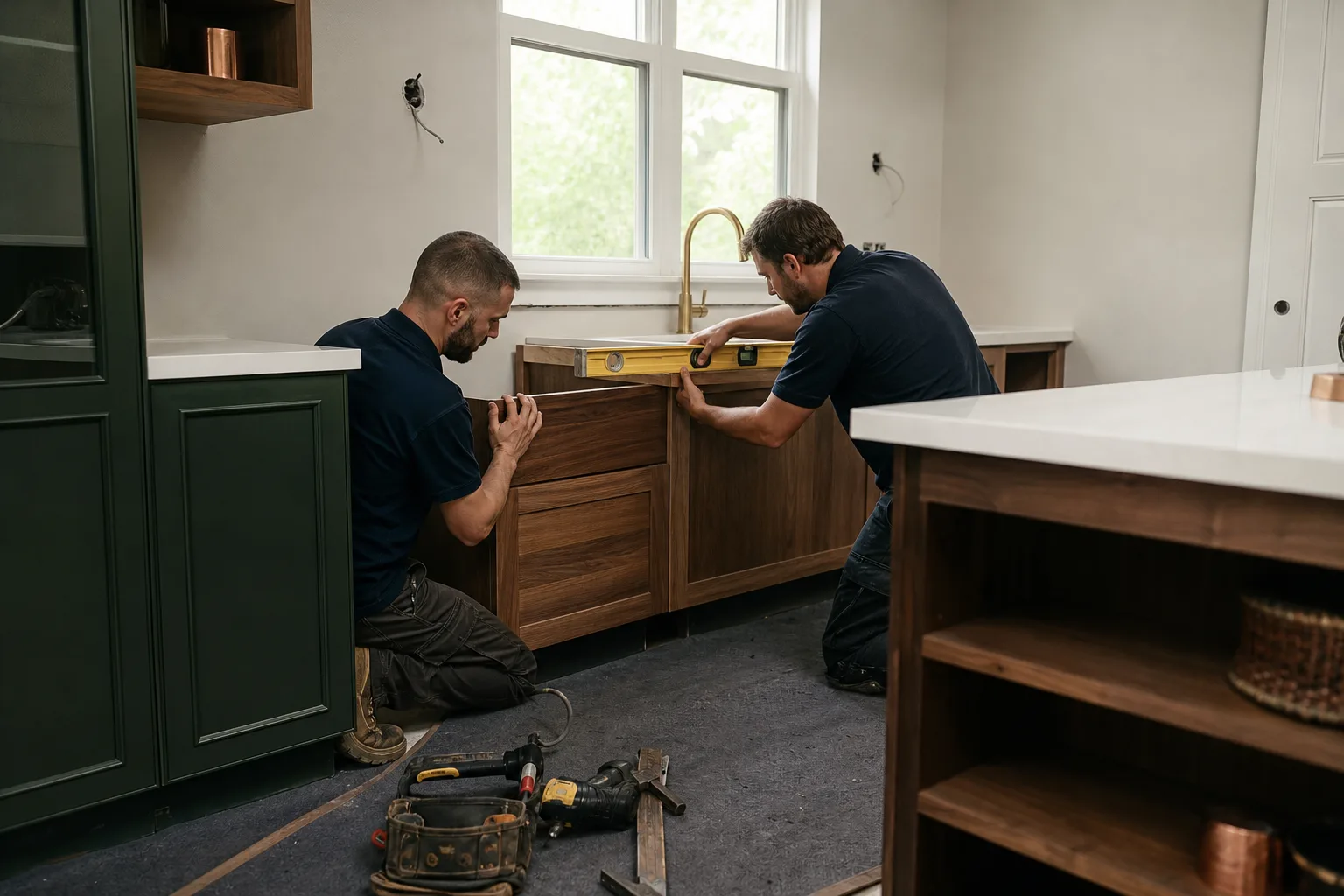
What you can safely do: look for the Cambria stamp on the underside of a cap that lifts without effort, photograph the cracks and rust stains, measure the cap thickness with a tape measure, and check the wall for plumb with a 4-foot level. What you should not do: pull a heavy quartz cap off a block wall by yourself, especially one that’s already loose at the corner. A 3cm Cambria cap weighs roughly 17 to 18 pounds per square foot, and a four-foot piece is heavy enough to break a wrist or a toe if it lets go while you’re under it. Cutting and finishing quartz without a wet saw and a proper dust mask is not a weekend job for the homeowner for a reason: quartz dust is a genuine lung hazard and a properly finished edge takes the right equipment.
And here’s the honest part: the reason most of these fences fail is that the base wasn’t built for the cap. Call us at (844) 320-2945 and we’ll tell you, without any preselling, whether your wall is a re-cap or a rebuild. We’re an independent service provider, not affiliated with Cambria, so our recommendation comes from what your fence actually needs, not from a brand program.
FAQs
A properly built Cambria-surfaced fence in Huntington Beach should give you 15 to 20 years or more on the quartz itself, because quartz is hard and the finish holds; the block, footing, and adhesive behind it are what fail first, and a well-drained, marine-grade footing is the difference between ten years and twenty. If the footing was poured for a wall that was later raised, the fence will not last. Call (844) 320-2945 for an honest assessment of existing work.
Yes, in about half the cases we see. Loose caps can be re-bonded with structural adhesive and the joints re-cut and re-set if the block beneath is sound and the footing hasn’t moved. Cracks that track back to a failing footing are a rebuild, not a cap job. When we quote, we tell you which one you have.
A typical single-family Huntington Beach fence cap replacement runs one to three days on the site, plus fabricator lead time on the cut pieces, which is usually one to two weeks depending on the Cambria color and the current fabrication queue. Footing replacements extend the job by a few days. We schedule fabrication before demolition so the wall isn’t open to weather.
We source Cambria quartz through a fabricator who buys it from Cambria’s slab distribution network, and every piece arrives with the finish and the color documented on the delivery paperwork. If the color is in current production, we match it and check the samples against your existing wall in natural sunlight before anything is cut. If you’d rather supply the material yourself, we’ll price the labor and the fabrication separately, and it still comes with the same written change orders and the 90-Day Done Right Promise.
Written by the team at Barrett & Sons Construction Huntington Beach, serving Huntington Beach and nearby areas.