
Free written scope consultation - allowances, timeline, and change-order rules on paper before a single trade is scheduled
Silestone Home Additions & ADU: The Huntington Beach Owner’s Guide
Silestone quartz surfaces in a Huntington Beach home addition or ADU typically run $45,000 – $130,000 for the full project, with the Silestone countertop portion landing in the $2,000 – $6,500 range depending on square footage, edge profile and slab selection. What brings most owners to this page isn’t the slab itself failing. It’s the substrate, the seam, or the cabinet run underneath it that’s moved just enough to crack a surface they paid good money for.
The usual discovery happens in a converted garage along the beachside blocks, where a wet bar or kitchenette counter shows a hairline crack running from the sink cutout to the nearest seam. Or in an addition off the back of a 1960s ranch near Central Park, where the new countertop was set on a floor that was never leveled. In most cases the Silestone is fine. The install under it wasn’t.
Barrett & Sons Construction Huntington Beach handles additions and ADUs from the slab up, including Silestone surface work. Free estimates. (844) 320-2945.
Key Takeaways
- Full addition or ADU projects in Huntington Beach: $45,000 – $130,000 installed.
- Silestone countertop installation within that scope: $2,000 – $6,500.
- Most “Silestone failures” in ADUs trace back to substrate or cabinet movement, not the quartz.
- Permits pulled and inspections signed on every eligible job.
- We’re an independent service provider. We are not affiliated with Silestone.
Which Silestone Models This Applies To
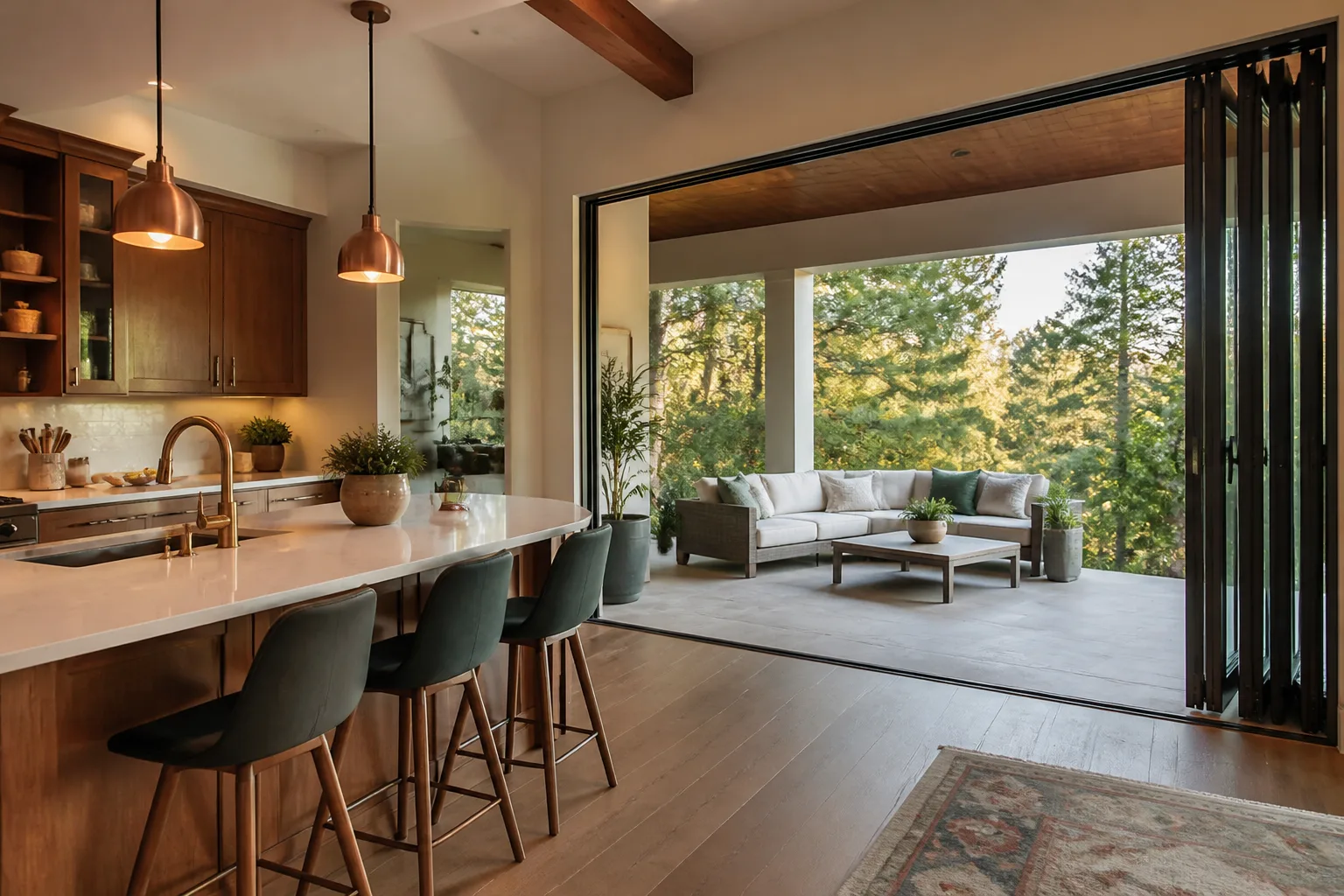
Silestone is a quartz surface, sold in slabs, not a system with model numbers. That matters because when someone calls us asking to “match the part” on an ADU countertop, the right question isn’t which model. It’s which slab, which edge, which thickness, and which substrate the original install used. We work with every current Silestone line, including the Eternal and Calacatta-style patterns popular in beach-adjacent ADUs, along with KraftMaid cabinetry, Cambria surfaces and Kohler fixtures on the same jobs.
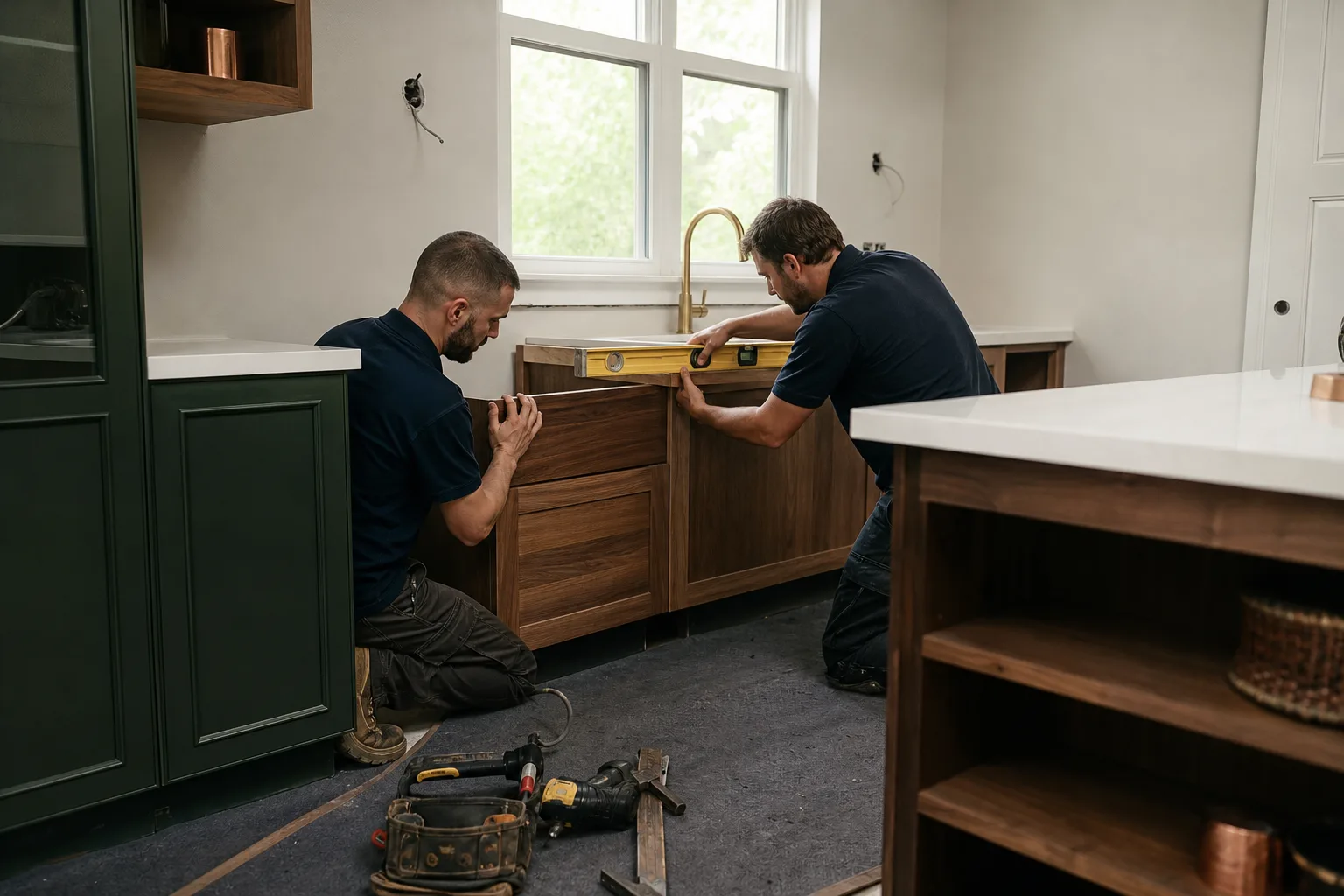
To identify what you have, check three things. First, look for a fabricator sticker or etch on the underside of the slab, usually near the sink base. Second, measure the slab thickness; most Silestone countertops are 2 cm or 3 cm, and that number determines whether a repair seam will sit flush or proud. Third, note the edge profile, since a bullnose can be matched but a custom ogee often can’t be. If you can’t find a sticker, a close photo of the surface pattern is usually enough for us to identify the family.
On OEM versus aftermarket: with Silestone there’s no “OEM part” to source. It’s a slab and a fabricator. The equivalent decision is authorized fabricator versus a shop that will cut it cheaper. On an ADU or addition in Huntington Beach, we use fabricators whose seams and edge work will pass inspection and hold up to salt air and coastal humidity. That’s the real quality line, not the brand name on the crate.
Styles & brands we work with
- Kitchen remodeling
- Bathroom remodeling
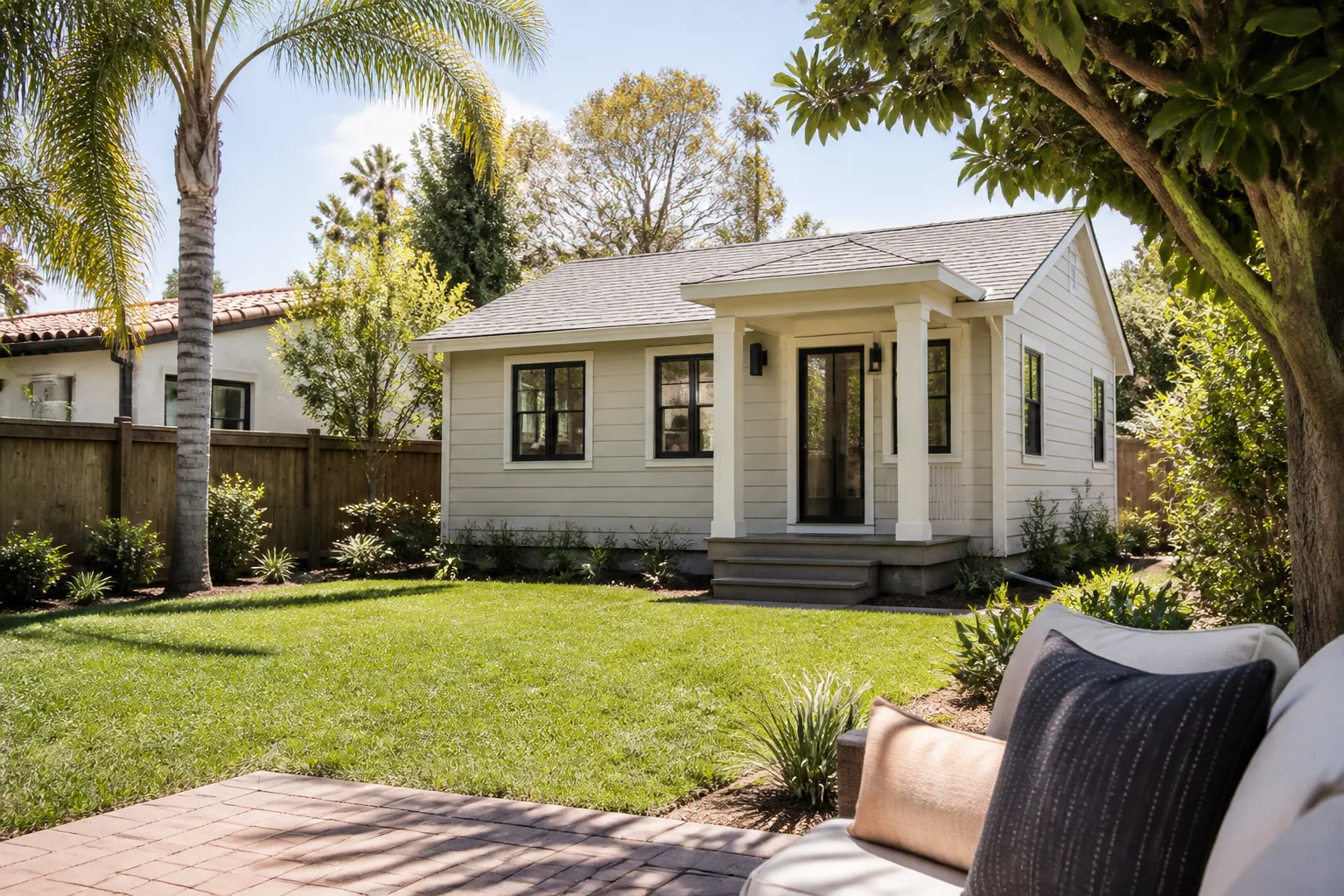
- Home additions & ADU
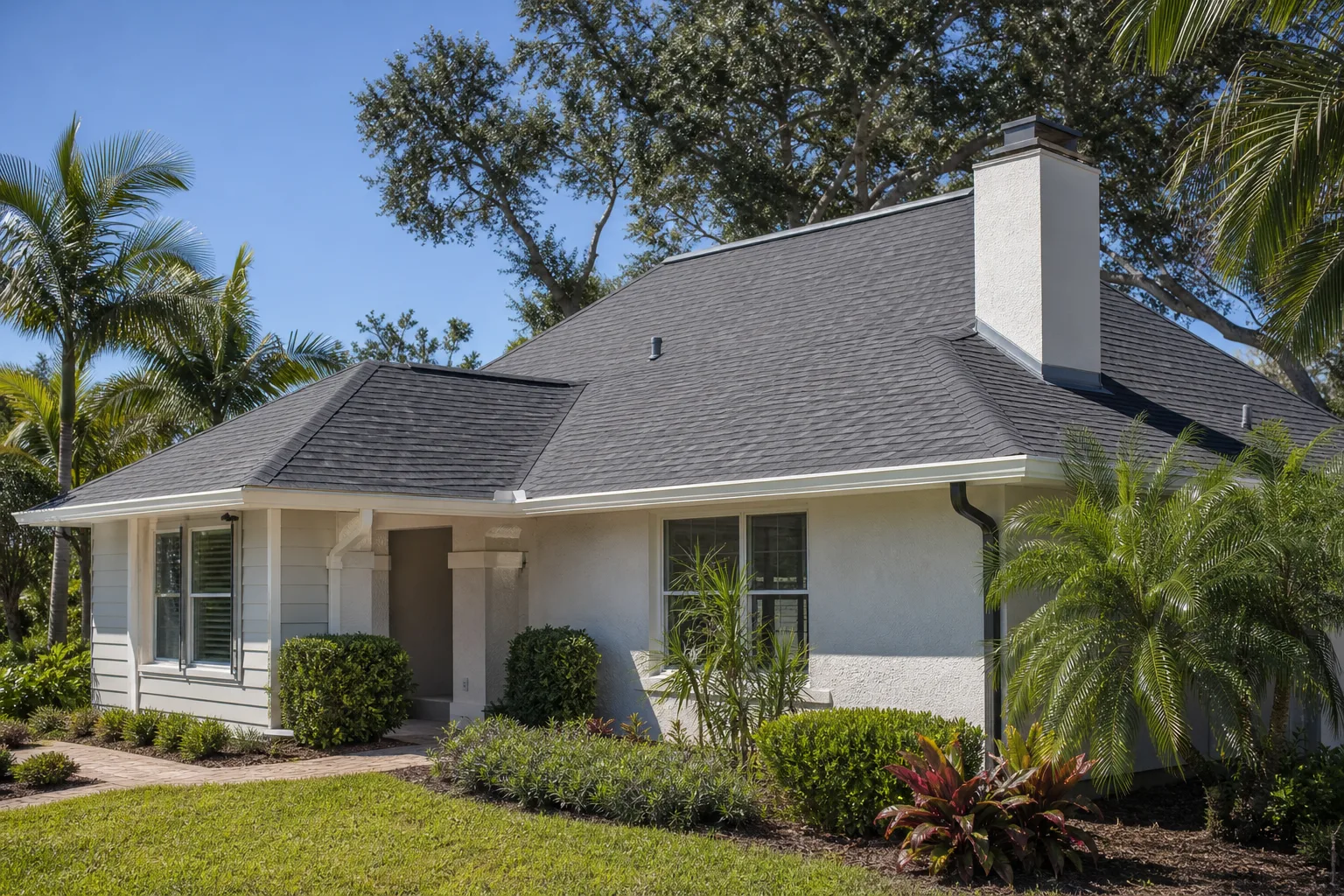
- Roofing
- Windows & doors
- Driveway & pavers
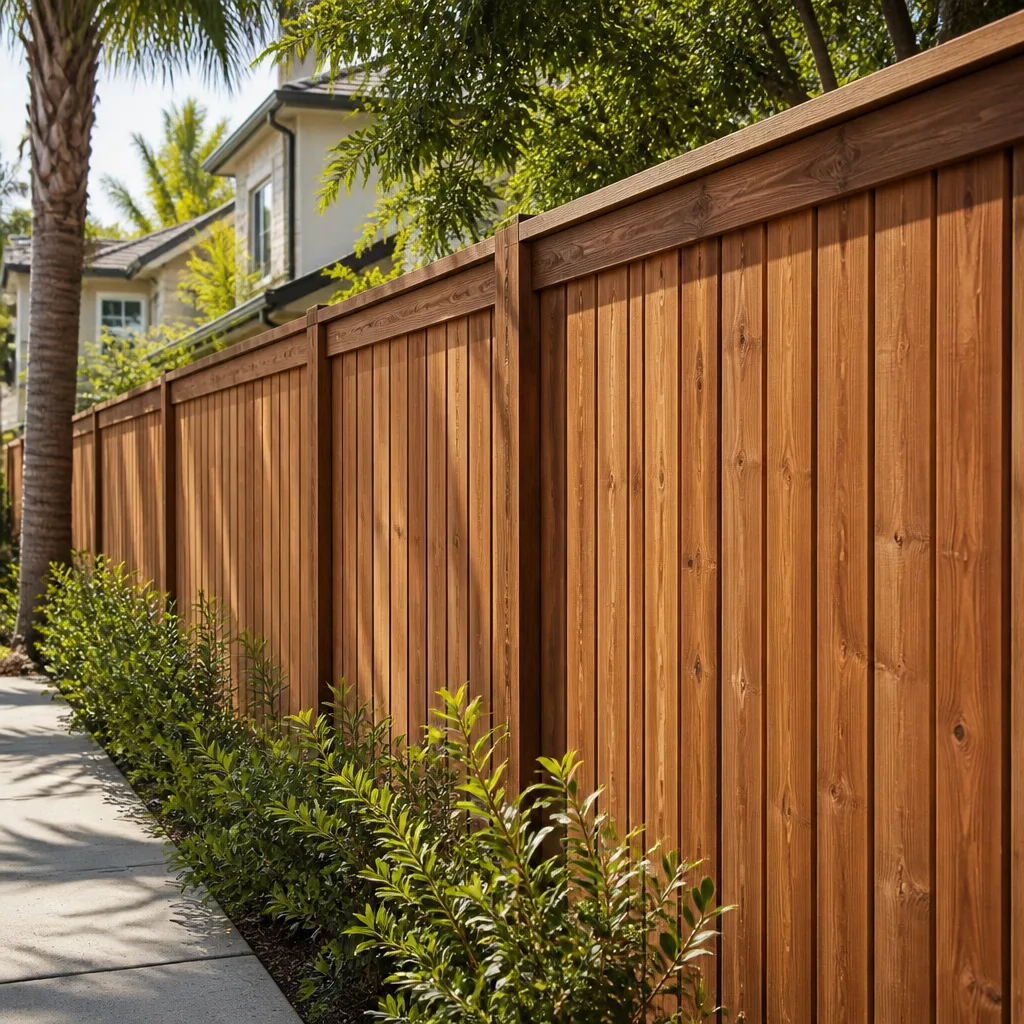
- Fence
Signs Your Silestone Home Additions & ADU Is Failing
- A hairline crack running out of the sink cutout. The cutout corners are the highest-stress point on any quartz surface. If the substrate wasn’t shimmed flat, or if the cabinet run shifted in an ADU built on an old garage slab, that crack opens within a year or two.
- Seams that have gone dark or chalky. Seam adhesive breaks down faster in coastal humidity, which is why we see more seam failure on Huntington Beach properties within a mile of the water than we do inland. The dark line is moisture and dirt getting into an open joint.
- A countertop that rocks or sounds hollow when tapped. That’s a substrate problem, not a Silestone problem. In ADUs converted from garages or additions built over old hardscape, the floor was often never leveled before cabinets went in.
- Surface chips at the front edge, especially on the sink side. Quartz is hard but brittle. A chip at the edge usually means someone set something heavy down hard, or the cabinet run has a slight flex that transfers impact energy straight into the edge.
- Staining or dulling that won’t buff out. Genuine Silestone is non-porous and resists stains, so a stain that won’t lift usually points to a surface that was never properly finished, or an etch from acid-based cleaners. That’s a finish problem, not a material failure.
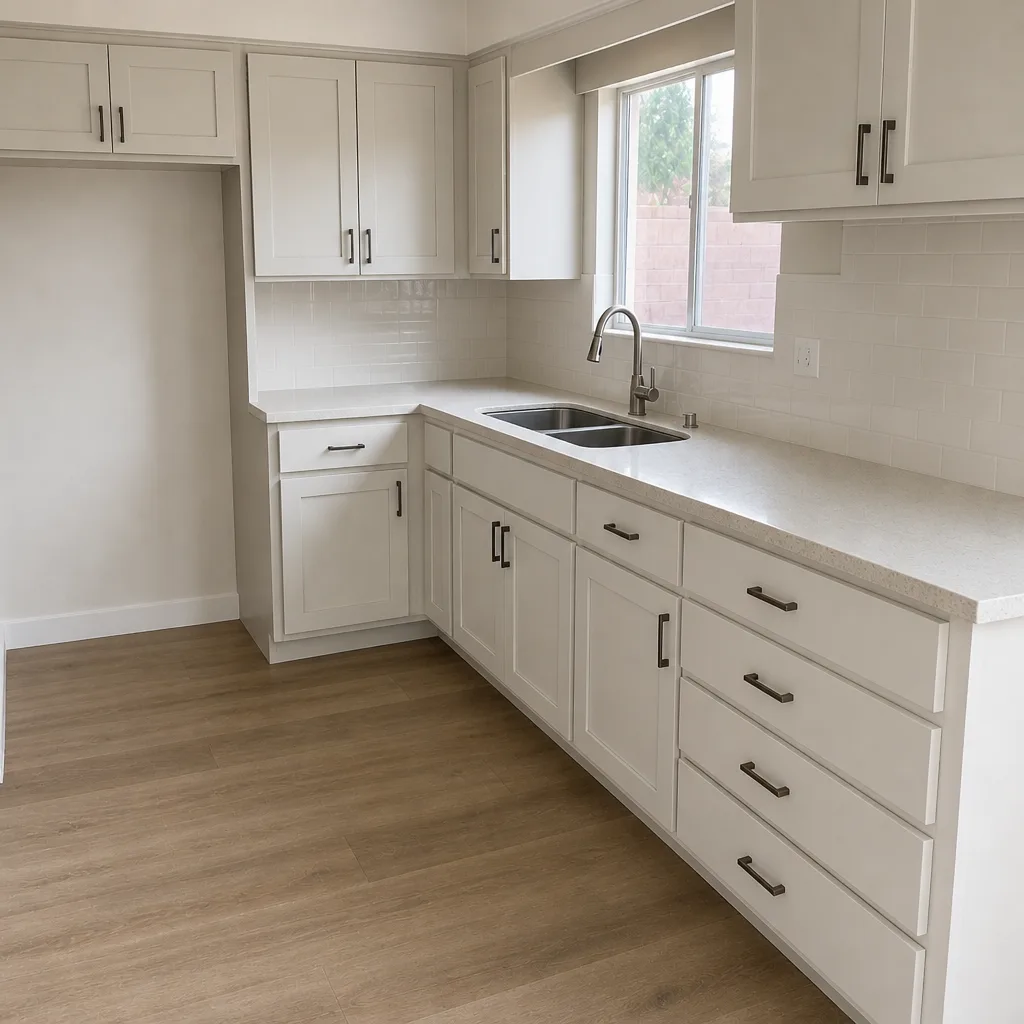
See the difference
 Before
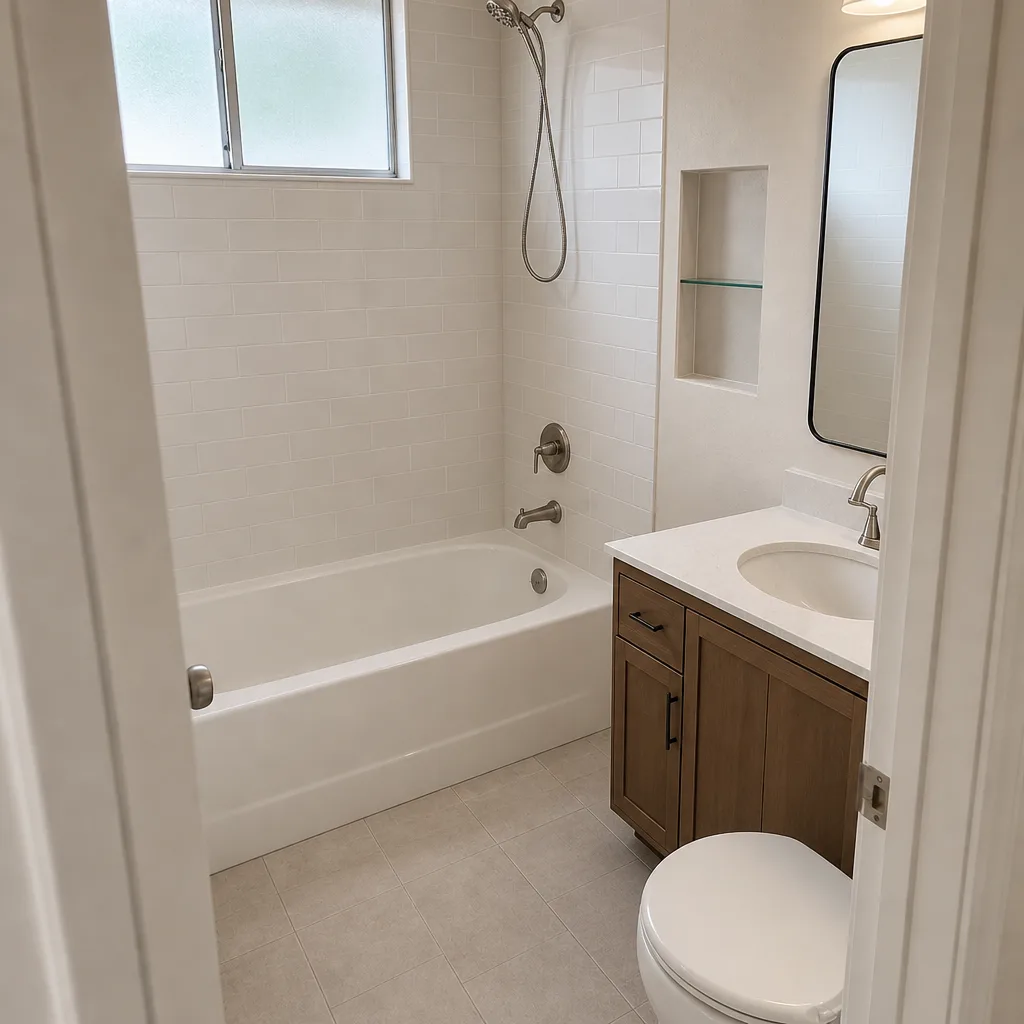 After
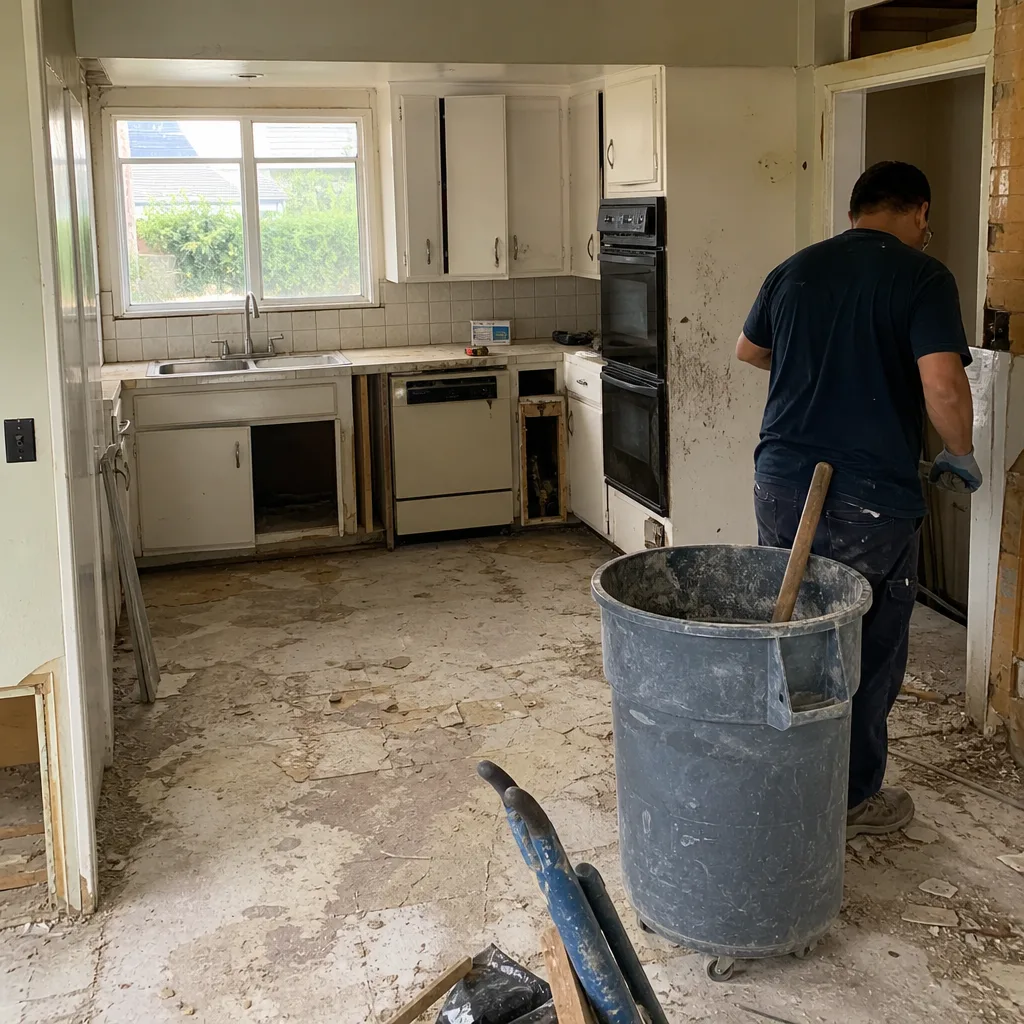 Before
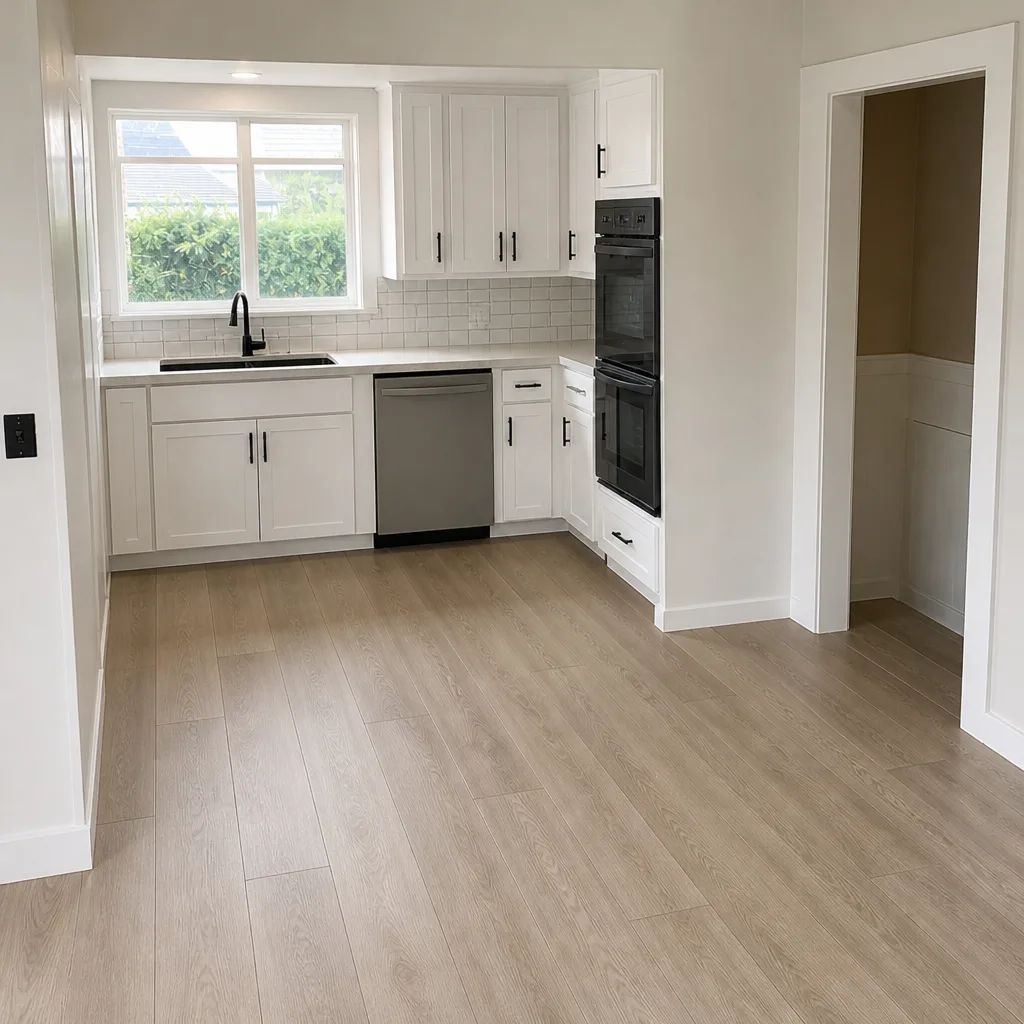 After
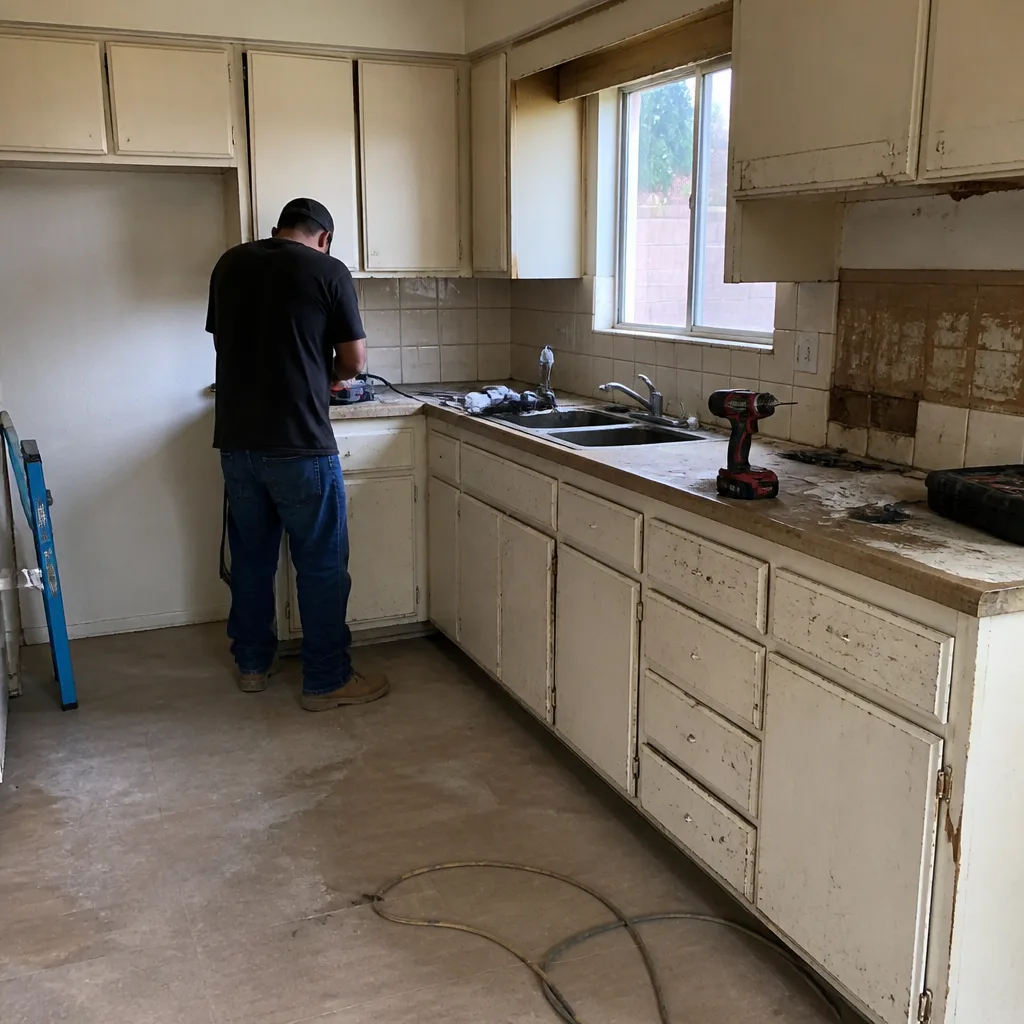 Before
 After
Replacement Cost & What’s Included
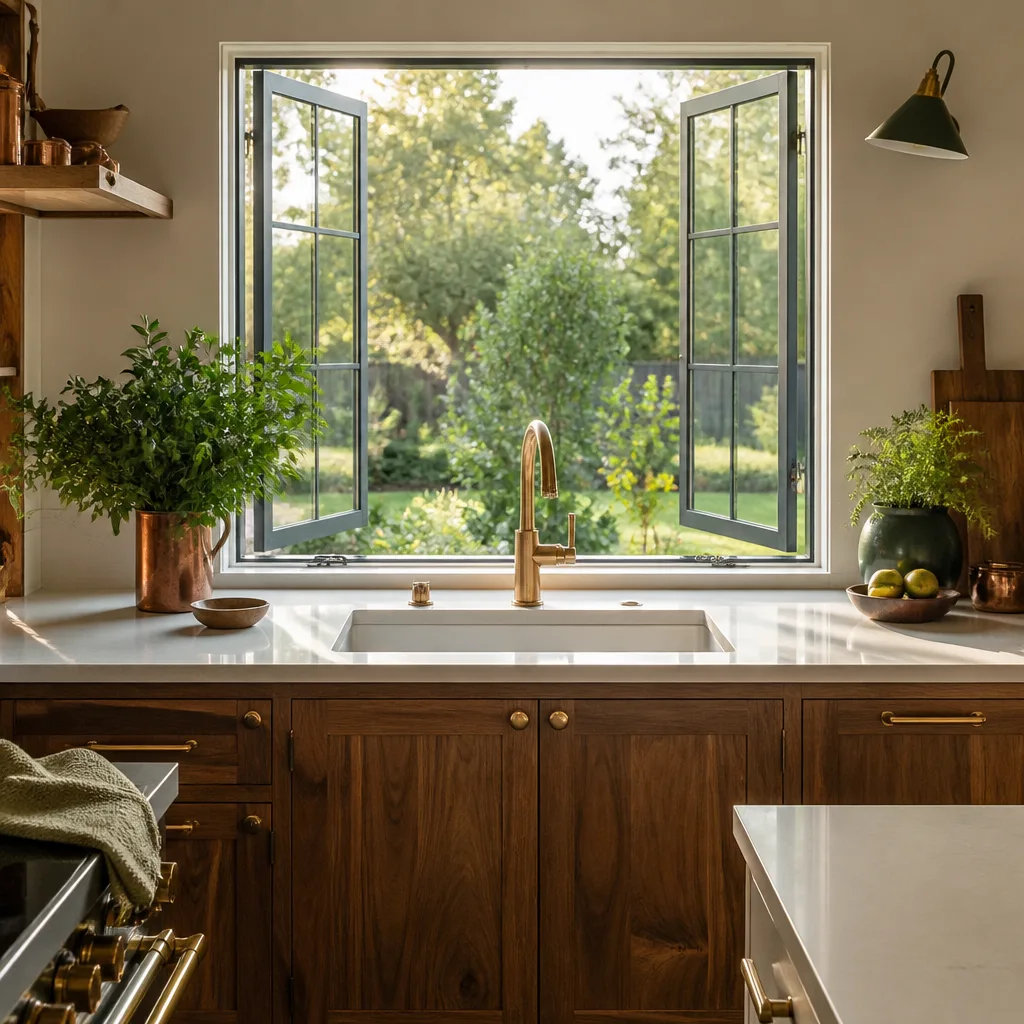
Silestone inside a Huntington Beach addition or ADU runs $45,000 – $130,000 for the full project. The countertop line item sits at $2,000 – $6,500. A kitchenette, backsplash and small island push toward the top of that range. A single wet bar or laundry counter sits near the bottom.
What drives the range on an ADU or addition:
- Square footage of the new space and whether it’s attached or detached.
- Whether the floor needs leveling before cabinets and substrate go in.
- Slab selection and edge profile on the Silestone.
- Cabinet run length and layout, since every cutout and seam adds fabrication time.
- Permit scope, which in Huntington Beach varies significantly between a garage conversion and a full detached ADU.
Every price is a line-item quote. Every scope change is a written change order before work moves. Every eligible job gets permits pulled and inspections signed. The finished work carries the written 90-Day Done Right Promise.
DIY or Call Us?
What you can safely check yourself: whether the countertop rocks, whether the seams are open, where the cracks run, and whether there’s a sticker or etch on the underside of the slab. A photo of each and a tape measure across the surface is enough for us to quote by phone.
What you shouldn’t try yourself: pulling a Silestone slab to reset the substrate, cutting a new sink opening, or trying to seam a cracked countertop. Quartz slabs are heavy, brittle, and unforgiving. A slab that slips during a solo removal can take out the cabinet run, the floor, or a hand. There’s no clamp-and-glue fix that holds. If the seam is open and the slab is already under stress, the next crack is usually the one that splits the piece.
That’s where a call is cheaper than a try. Reach us at (844) 320-2945 for a free estimate. We’re an independent service provider and not affiliated with Silestone; we handle the whole job, from the slab to the permit.
FAQs
Silestone itself will last decades if it’s set on a flat substrate with proper seams. In Huntington Beach, the realistic lifespan is set by the substrate and cabinets, not the quartz. Coasters and salt air don’t hurt it. Floor movement from an older garage slab does.
Sometimes. A short hairline crack that hasn’t migrated can be filled and blended. A crack running from a cutout, or one that’s opened along a seam, usually means the substrate needs fixing too, and patching over that just buys time. Call (844) 320-2945 with a photo and we’ll tell you straight which one you’re looking at.
The Silestone swap itself is typically a one-day tear-out and set, with fabrication lead time ahead of it. If the floor needs leveling or the cabinet run needs shoring, add a day or two. That’s why the full project range is $45,000 – $130,000: the countertop is one line, not the whole job.
We source through fabricators we’ve worked with long enough to trust their seams and edge work. You’ll see the slab selection in the written quote before anything is cut, along with the thickness and edge profile. If a slab you picked isn’t available, you’ll see a written change order before we substitute anything.
Call (844) 320-2945 for a free estimate on your Huntington Beach addition or ADU. We’re here, and a live person answers.
Written by the team at Barrett & Sons Construction Huntington Beach, serving Huntington Beach and nearby areas.