Last updated November 17, 2026
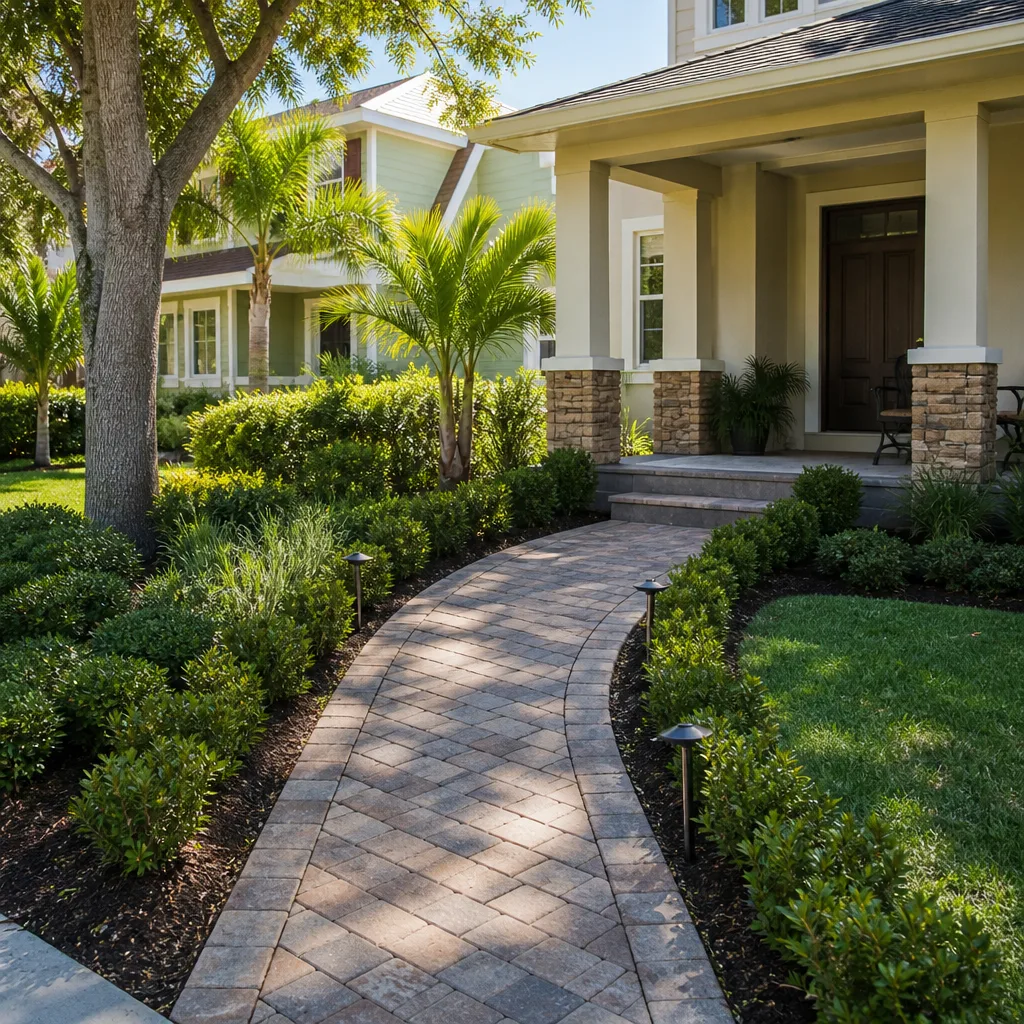
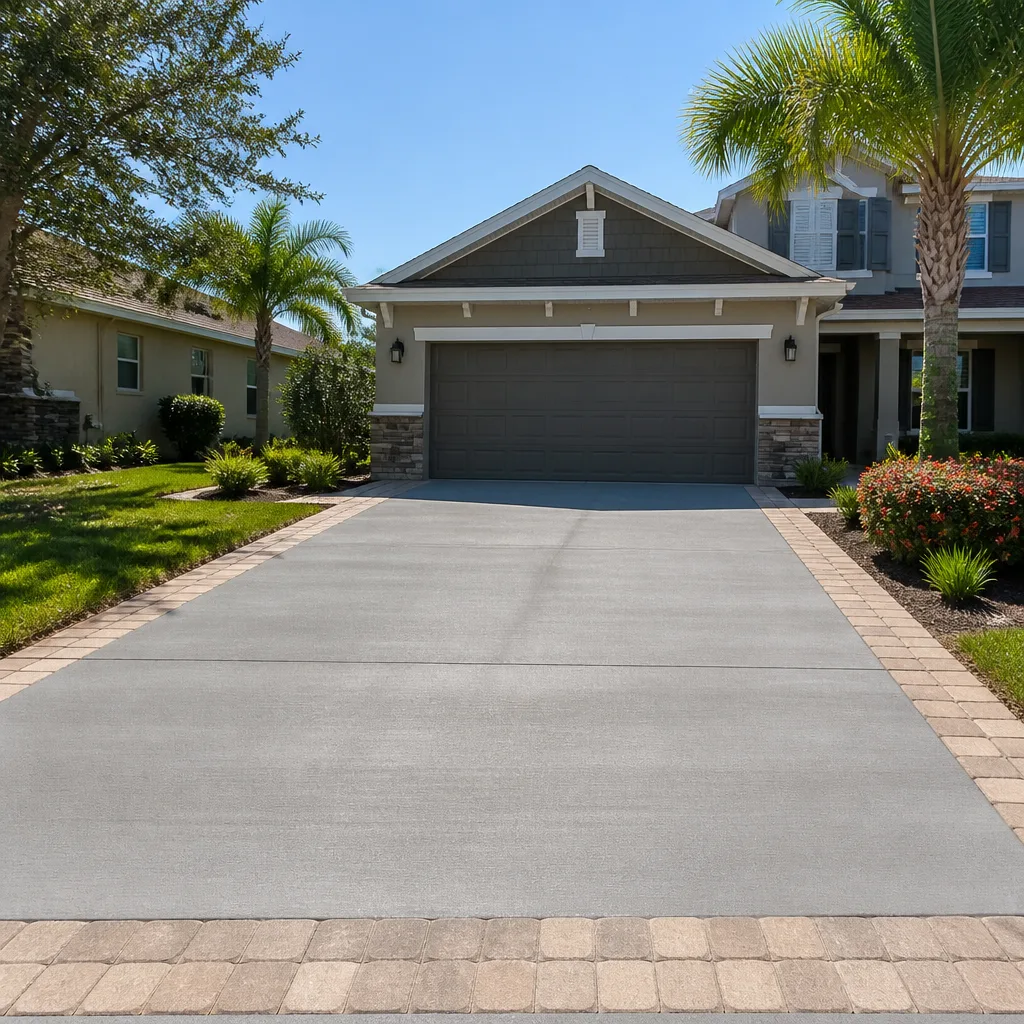

Free written scope consultation - allowances, timeline, and change-order rules on paper before a single trade is scheduled
Driveway & Pavers Maintenance Checklist for Huntington Beach Homeowners
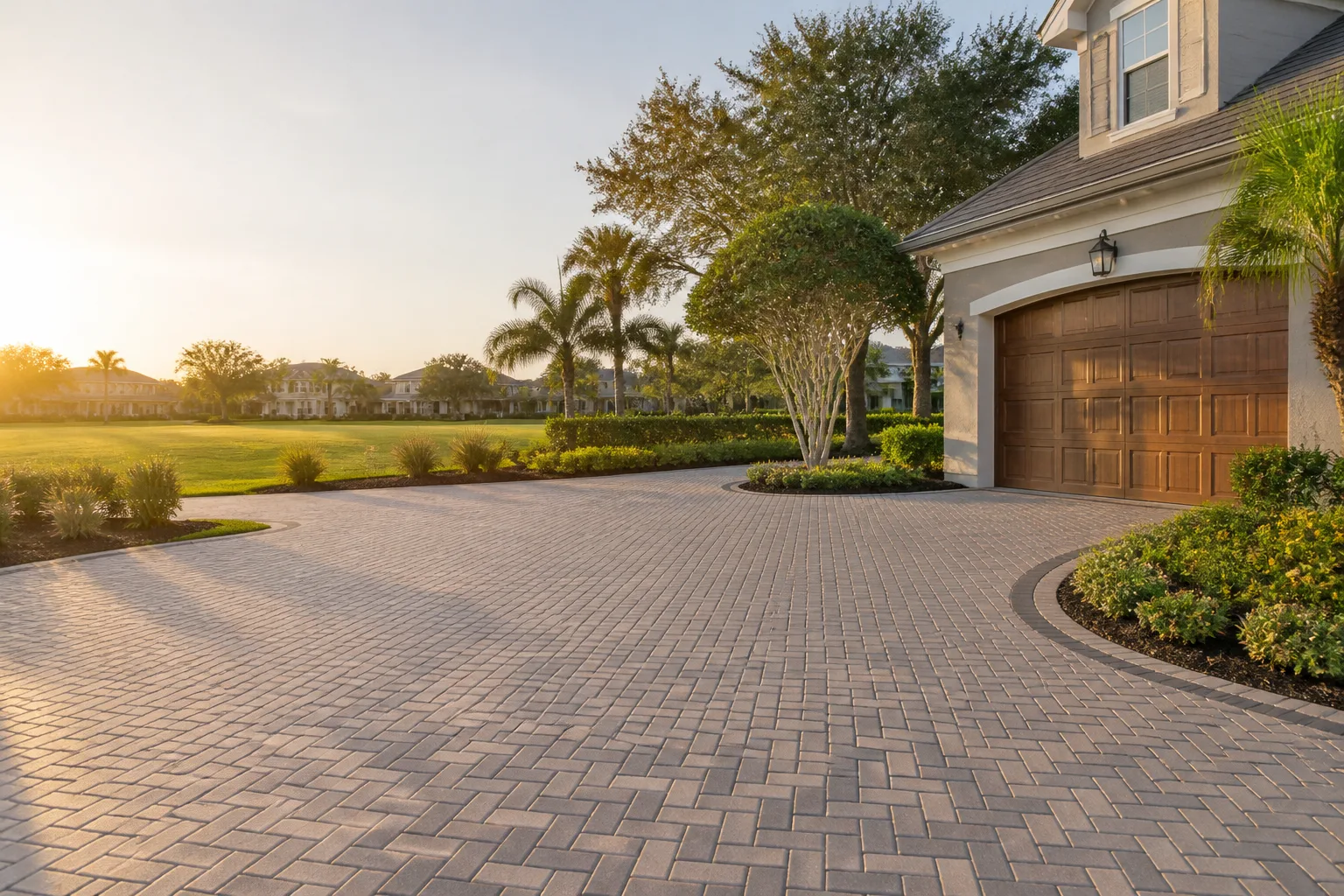
A paver driveway that looked flawless at install can show joint erosion, white mineral bloom, and surface pitting within three years in Huntington Beach. Not because the pavers were cheap. Because the sealer and joint sand chosen weren’t rated for constant UV exposure and occasional salt air. Most driveway maintenance advice floating around online was written for places with freeze-thaw winters, which is exactly the wrong problem here. On the coast, your enemies are sun, salt, wind grit, and ground that goes from bone-dry to saturated in a single storm. This checklist walks you through what a Huntington Beach paver driveway actually faces every year, month by month, and when to fix something yourself versus call someone.
Quick Answer
Maintain a Huntington Beach paver driveway with four habits: sweep windblown grit off the surface weekly during Santa Ana season, refill joint sand before the winter rains, rinse salt residue monthly, and re-seal every two to three years with a UV-stable penetrating sealer. Handle chips, efflorescence, and single rocking pavers as they appear. Get a professional assessment if the base shifts or a whole section dips. That routine is what keeps pavers looking installed instead of neglected after a decade of coastal weather.
Table of Contents
- Why Huntington Beach Pavers Age Differently
- The Month-by-Month Maintenance Calendar
- Spotting and Stopping Efflorescence Before It Etches
- Choosing a Sealer That Survives Coastal UV
- Joint Sand That Survives January and February Rain
- Rocking or Dipping Pavers: Re-Set vs. Base Failure
- Reading the Warning Signs of a Shifting Base
- Cleaning Without Damaging the Surface
Why Huntington Beach Pavers Age Differently
Most paver maintenance guides assume the ground freezes and thaws. Huntington Beach doesn’t care about those guides. Our problem is a combination of stressors that hit from different directions, and each one ages pavers in its own way.
Start with UV. A south- or west-facing driveway in Huntington Beach takes direct sun most of the year, and that sun bleaches pigment, dries out joint sand, and breaks down sealers not formulated for it. Then add salt-laden marine air, which settles on the surface and works into hairline cracks. The Santa Ana winds throw grit and dust across the surface in fall. And the real gut punch is soil movement: months of dry ground followed by a heavy January storm can shift a base that looked solid all summer.
What this means practically:
- Pigment fades faster here. A driveway that faces west in Huntington Beach may lose noticeable color depth in 4-6 years without proper sealing, versus 8-10 inland.
- Joint sand washes out faster. Winter rain events here come hard and fast, and undersized or wrong-type joint sand leaves with the runoff.
- Efflorescence is more common. Salt air and moisture combine to pull minerals to the surface, leaving that chalky white bloom.
- Base movement shows up suddenly. Dry-then-saturated soil swings mean a base that held for years can develop a soft spot after one big storm.
None of this is a reason to skip pavers. It’s a reason to maintain them on a coastal schedule instead of an inland one. If you’re still deciding on materials or planning a new install, our Driveway & Pavers in Huntington Beach page covers base prep and material choices built for this coast.
The Month-by-Month Maintenance Calendar
Here’s the schedule we recommend for Huntington Beach driveways, keyed to how the seasons actually behave here. Print it, stick it in the garage, and check items off as you go.
Fall (September-November): Santa Ana Wind Prep
- Sweep the surface weekly. Santa Ana winds blow grit and fine dust across driveways. Left alone, that grit acts like sandpaper under tires and foot traffic, dulling the paver face.
- Clear debris from joints. Wind-driven leaves and seed pods lodge between pavers and hold moisture. Pull them out before they rot.
- Check for chips and cracks. Cooler weather is the right window for small repairs before winter rain finds the weak spots.
Winter (December-February): Storm Runoff and Joint Protection
- Re-sand joints before the heavy rains. Fill low joints with the correct polymeric or fine-dense-grade sand and compact it in. Do this by early December. Once the January-February storms hit, missing sand turns into washout.
- Watch your drainage paths. After the first big storm, look for standing water in low corners. A driveway that pools near the garage or walkway is telling you something about slope.
- Clear storm debris fast. Wet leaves against the house or in joints hold moisture and feed moss in the shaded north-facing areas.
Spring (March-May): Weed Pressure in Joints
- Pull weeds while they’re young. Warm sun after wet ground is prime growing time between pavers. Pull by hand or use a targeted joint-sand-safe treatment. Avoid hosing herbicide across the whole surface.
- Inspect for efflorescence. Spring’s moisture swings bring out the white bloom. Catch it early (see the next section).
- Plan your re-seal window. Spring and early fall are the two best sealing windows in Huntington Beach, when temperatures stay moderate and rain is unlikely.
Summer (June-August): UV Peak and Salt Rinse
- Rinse monthly to knock down salt buildup. A hose-down on a cool morning removes the fine salt film that accelerates surface degradation.
- Do heavier cleaning early or late. Cleaning with detergent in the middle of a hot afternoon can leave streaks and dry too fast.
- Watch for fading. This is when UV damage shows. If you notice color washing out on the sun-facing side, it’s a sign the sealer is due.
Following this rhythm gets you ahead of the climate instead of reacting after damage. That’s the whole game with coastal hardscape maintenance.
Spotting and Stopping Efflorescence Before It Etches
Efflorescence is the white, chalky film that appears on paver surfaces, and in Huntington Beach it’s common because the combination of moisture and salt air pulls mineral salts to the surface. Left alone, it doesn’t just look bad. It can bond tightly enough to the paver face that removal becomes an acid-wash job, and repeat bleaching can dull the surface permanently.
Here’s how to catch it early:
- Look at shaded and low areas first. Efflorescence shows up where water lingers, often along the house edge or in the corners where drainage runs.
- Check after every wet spell. That first warm dry day after winter rain is when the bloom appears.
- Distinguish efflorescence from dirt. Efflorescence is white, powdery, and often forms a soft haze; it brushes off easy early and gets stubborn when it sits.
- Don’t just scrub it off. Dry-brushing a fresh bloom can push salts back into the pores. Wet-rinse it off instead.
- Address it while it’s a haze. Once it starts looking like a hard crust, that’s professional territory.
The best way to prevent efflorescence is a dry, sealed surface with correct joint sand and slope. If your driveway blooms every year in the same spot, the fix is deeper than a rinse. That’s usually a moisture retention problem in one section of base or a drainage path that isn’t shedding water as designed.
Choosing a Sealer That Survives Coastal UV
This is where a lot of Huntington Beach driveways fail within three years. The wrong sealer turns milky, peels, or yellows under our sun, and the sealer that worked on a cousin’s driveway in Minnesota will not do the job here.
What to look for:
- UV-stable penetrating sealer. Penetrating sealers soak into the paver and protect from within, so there’s no film to peel. This is the safer choice for coastal exposure.
- Solvent-based or water-based, check the UV rating. Water-based acrylics can turn milky or haze under sustained sun. Solvent-based penetrating products hold up better in the marine environment, but you’ll still need to re-apply.
- Avoid film-forming gloss sealers. They look brilliant for a season, then peel and trap moisture underneath.
- Re-apply every 2-3 years. That’s realistic in this climate. A year-round sun and salt schedule means no sealer lasts forever; plan for it.
One caution from our experience in Huntington Beach: never seal a damp paver. Trapped moisture under sealer is one of the fastest ways to get a white bloom you can’t rinse away. Apply on a dry surface during a moderate-temperature window, and let it cure fully before walking the surface. If your driveway has old sealer that’s peeling, strip it before applying new. Layering over a failing film just gives you two films peeling instead of one.
Joint Sand That Survives January and February Rain
Joint sand is the most underrated part of the paver system and the first thing that fails in Huntington Beach. When it’s missing, pavers shift, weed seeds move in, and water gets under the surface. The right sand, correctly installed, is what keeps everything tight.
What holds up:
- Polymeric joint sand. It sets when it contacts water and resists washout during heavy rain. It’s the common upgrade for driveways that see runoff or pooling.
- Fine-dense-grade sand (No. 20 to No. 30). A cheap standard sand exists but it washes out from a heavy January storm. The denser grades pack tighter and stay put longer.
- Compatible joint width. Narrow joints in Huntington Beach weather benefit from a sand that flows in fully. Voids are where failure starts.
What to avoid:
- Play sand or builder’s sand. Too coarse, wrong particle size, and it doesn’t compact into the joints.
- Un-compacted sand. Even the right sand needs compaction. Loose sand sitting proud of the joints will wash out in the first storm.
- Hosing it in too hard. Especially with polymeric sand, a gentle mist sets the top layer. A hard stream blasts it out.
Two more things matter here. First, apply joint sand before the wet season, not after. Second, re-sand every couple of years even if joints look okay; keeping them full prevents the slow erosion that leads to larger fixes. This is one of those tasks that costs a Saturday and saves a lot more.
Rocking or Dipping Pavers: Re-Set vs. Base Failure
A single rocking paver is common and usually a quick fix. A whole section that dips or feels spongy is a different story, and telling them apart early saves you from a much bigger repair.
Here’s the difference:
- One rocking paver. Lift it, clean the bedding layer, add fresh sand, and re-set. Ten-minute job on a Saturday.
- Two or three loose pavers in a row. Still re-set-table, but check the edge restraints and what’s happening at the boundary.
- A section that dips or feels soft underfoot. A base layer has shifted or settled, likely from water movement after a heavy storm. This is where a professional should look.
- Pavers haunched at the edge. When edge restrictors have moved, pavers at the border can spread. Fix the restraint before re-setting the field.
- Water pooling in the dip. A slope problem that holds water will re-erode the base until the drainage path is corrected.
The most common Huntington Beach scenario we see: a homeowner spots a small dip near the garage apron, ignores it through the dry season, and then the first January storm turns it into a pond and a loosened section by March. If you see pooling after rain, that’s your signal to get eyes on it before the next wet season. A base repair on a small section is a service call; a base failure on a whole driveway is a much bigger job. If you’re also noticing issues around the property, our Fence Installation in Huntington Beach team can flag drainage and grading concerns near fences and driveways at the same time.
Reading the Warning Signs of a Shifting Base
The base under a paver driveway is where the real long-term story lives. Above ground, pavers look like the whole system; below, sand, aggregate, and compacted soil are doing the load-bearing. When those shift, the surface follows, and some signs show up before any obvious dip.
Watch for:
- Widening joints. Joints that were tight at install opening up across a section means the pavers are spreading, often from base or edge movement.
- Random cracks or chips. Chips in the middle of a driveway aren’t from traffic alone; they can be a symptom of flexing.
- Pavers sitting proud of neighbors. A single paver stepping up above its neighbors is often a base hump.
- Weep or drainage failure. If the driveway now holds water where it used to drain, the slope has changed.
This is where a professional assessment really pays off. A base issue found early can be a partial repair; found after two wet seasons, it can mean rebuilding a section and re-grading for drainage. That’s a permit-and-inspection job in Huntington Beach, not a weekend. If you’re thinking about a driveway from scratch down the road, or pairing a driveway with a patio and an ADU project, our Home Additions & ADU in Huntington Beach team coordinates hardscape and site work together so the base is right from the start.
Cleaning Without Damaging the Surface
Once-a-month cleaning keeps Huntington Beach pavers looking good and removes salt and airborne grit before they do damage. But the wrong method does more harm than waiting. Here’s the safe approach:
- Dry sweep first. Clear grit, leaves, and loose debris before any water touches the surface.
- Rinse with a garden hose on a cool morning. Morning starts mean the surface isn’t hot from the sun, so the water doesn’t flash-dry.
- Use a mild detergent only when needed. For tougher grime, dilute a gentle detergent in a bucket. Avoid muriatic acid washes on a routine basis; efflorescence sometimes calls for it, but that’s a pro-level task on a sealed surface.
- Skip high-pressure blasting. A pressure washer aimed close can blast joint sand out and pit the paver face. Gentle pressure at a good distance only.
- Rinse and let it dry. Don’t walk, drive, or seal until it’s fully dry.
Want extra credit? Keep a stiff broom by the door and sweep after big wind events. That one habit prevents more damage in Huntington Beach than any single product.
Common Mistakes to Avoid
- Sealing too soon after install. A freshly installed driveway hasn’t settled or dried fully. Sealing too early traps moisture and starts a bloom problem. Wait out a full dry season.
- Ignoring missing joint sand. It looks like a small cosmetic issue. Actually, empty joints let pavers shift and water get under the surface, and that’s how base failures begin.
- Using a film-forming gloss sealer. Looks great for a season in Huntington Beach, then peels and traps moisture. Penetrating and UV-stable is the right call here.
- Pressure washing aggressively. Blasts out joint sand and pits the surface. A garden hose on most cleaning tasks is enough.
- Stacking two types of joint sand. Mixing polymeric and regular sand in the same joint leads to uneven setting and drainage. Pick one and stay consistent.
- Overlooking efflorescence because it “washes off.” Early bloom rinses off, but repeat blooms that get scrubbed or ignored can etch the paver face. Deal with it while it’s powdery.
- Letting one rocking paver go. That small rock is the early signal of a base dip. Ten-minute repair now beats a section rebuild later.
When to Call a Professional
Most of the checklist above you can handle with a broom, a hose, and a bag of joint sand. Here’s where we’d put the phone down and call:
- A section of pavers that dips, feels spongy, or holds water after rain.
- Joint sand that washes out fully every wet season despite re-sanding.
- Efflorescence that comes back within weeks of rinsing, or a surface bloom that won’t come off by hand.
- Pavers at the driveway edge spreading or haunching.
- Any question about the base or the drainage path under the driveway.
Barrett & Sons Construction Huntington Beach offers free estimates in Huntington Beach for driveway and paver work, and a free second opinion on any written estimate you already have. We bring the permit work and the written scope with the price on it, and we back the finished job with our written 90-Day Done Right Promise. Call (844) 320-2945 for a free estimate, and a live person answers.
Frequently Asked Questions
Re-seal Huntington Beach pavers every two to three years with a UV-stable penetrating sealer. Sun and salt air here wear sealer faster than inland climates, so plan for the shorter end of that range on a west- or south-facing driveway. Watch for fading on the sun side; when color washes out, the sealer is due. Call (844) 320-2945 for an exact quote on sealing and estimates are free.
A white film on pavers is efflorescence, mineral salts pulled to the surface by moisture and salt air. It’s common on the Huntington Beach coast and shows up after wet weather or on shaded areas. Rinsing while it’s powdery usually handles it. A crust that won’t rinse off needs professional cleaning before it etches the paver face permanently.
No. Sealing over missing joint sand seals the voids and leaves the pavers free to shift. Re-sand first, compact it, then seal. Homeowners often ask this in March after a winter washout; the correct order is re-sand, dry, then seal. Call (844) 320-2945 if you’d rather have it done in the right order.
Polymeric joint sand or a fine-dense-grade sand in the No. 20 to No. 30 range holds up best here. Polymeric sets and resists washout during heavy January-February rain without hardening into a brittle surface that cracks. Standard builder’s or sandbox sand washes out too easily. Call (844) 320-2945 for recommendations on what fits your driveway and estimates are free.
One rocking paver is usually a quick re-set and worth doing right away. The issue is when it’s ignored. A single rocking paver can indicate a base dip that will spread after the next wet season. If it’s isolated, re-set it; if it’s part of a larger dip or pooling spot, call us for an assessment.
Yes. We pull permits on every eligible job and have the inspections signed. That’s a big deal in Huntington Beach because grading, drainage, and base work often fall under permit requirements, and homeowners who’ve been told “permits are optional” usually regret it. Everything goes in writing before work starts, including change orders. Call (844) 320-2945 for a free estimate.
The Bottom Line
A Huntington Beach paver driveway, cared for on a coastal schedule, holds up for decades. The four habits that matter most: keep joints full of the right sand before winter, rinse salt and grit off monthly, re-seal every two to three years with a UV-stable product, and treat any section that dips or pools as a base issue, not a cosmetic one. Skip those and you’ll see efflorescence, washout, and loose sections within a few years. Follow them and the pavers look installed for the long haul. For the annual deep-clean, re-seal, or a base issue that needs eyes on it, we’re a phone call away. Learn more about our work at Barrett & Sons Construction Huntington Beach home.
Get Your Free Estimate
Maintenance you can handle yourself is our favorite kind of maintenance, and the checklist above is a solid starting point. Where we earn our keep is the fixes: re-sealing, re-sanding, re-setting a rocking paver, or diagnosing a soft spot before it turns into a full section rebuild. Barrett & Sons Construction Huntington Beach offers free estimates in Huntington Beach and a free second opinion on any written estimate. Add our published standing offers: $40 off any repair over $200, no trip charge inside the county, and a permanent 10% discount for seniors and veterans. Our crew members have up to 28 years of experience, we use premium hardscape brands like Belgard and Techo-Bloc on eligible jobs, and every scope change goes in writing before work touches your driveway. If you’re curious about modern materials while you’re at it, brands like Cover and Mighty Buildings are expanding what’s possible on the coast. Call (844) 320-2945 for a free estimate today.
Written by the team at Barrett & Sons Construction Huntington Beach.
Styles & brands we work with
- Kitchen remodeling
- Bathroom remodeling
- Home additions & ADU
- Roofing
- Windows & doors
- Driveway & pavers
- Fence
See the difference
 Before
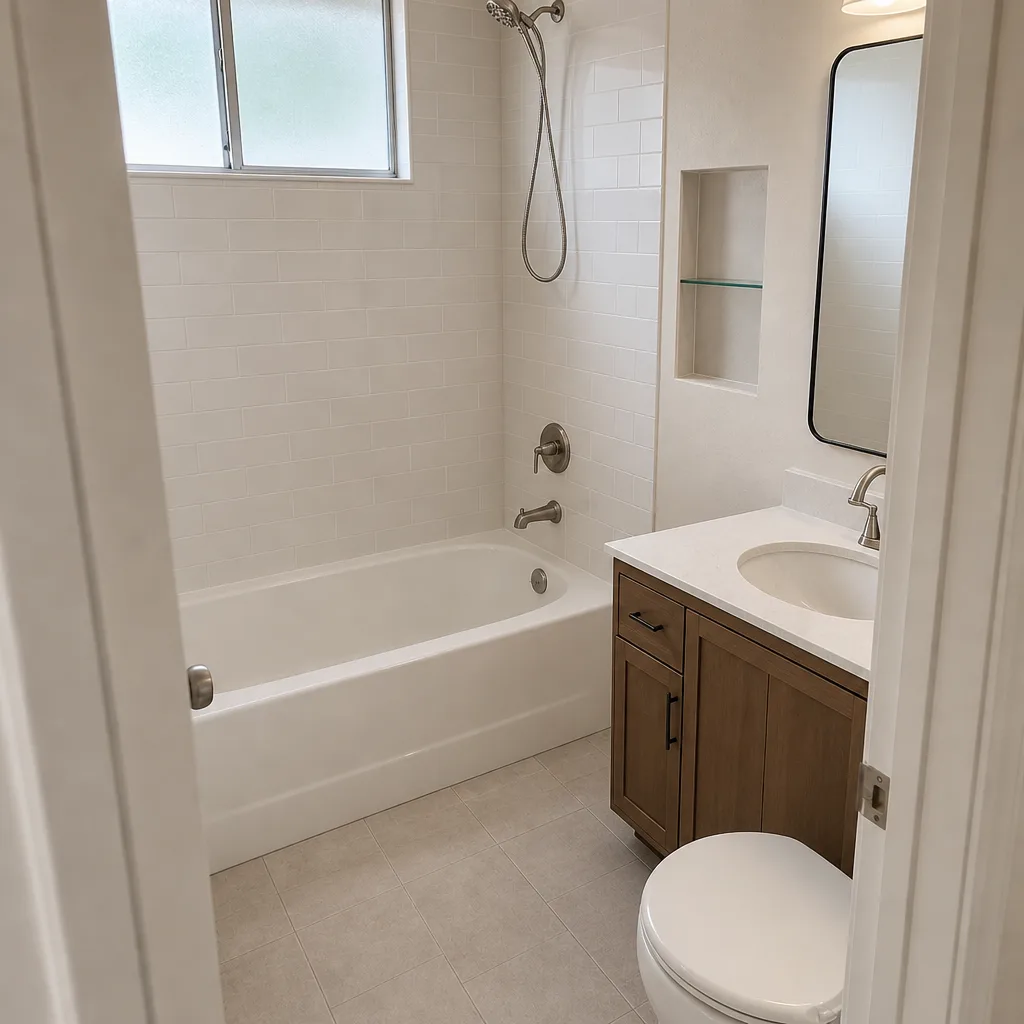 After
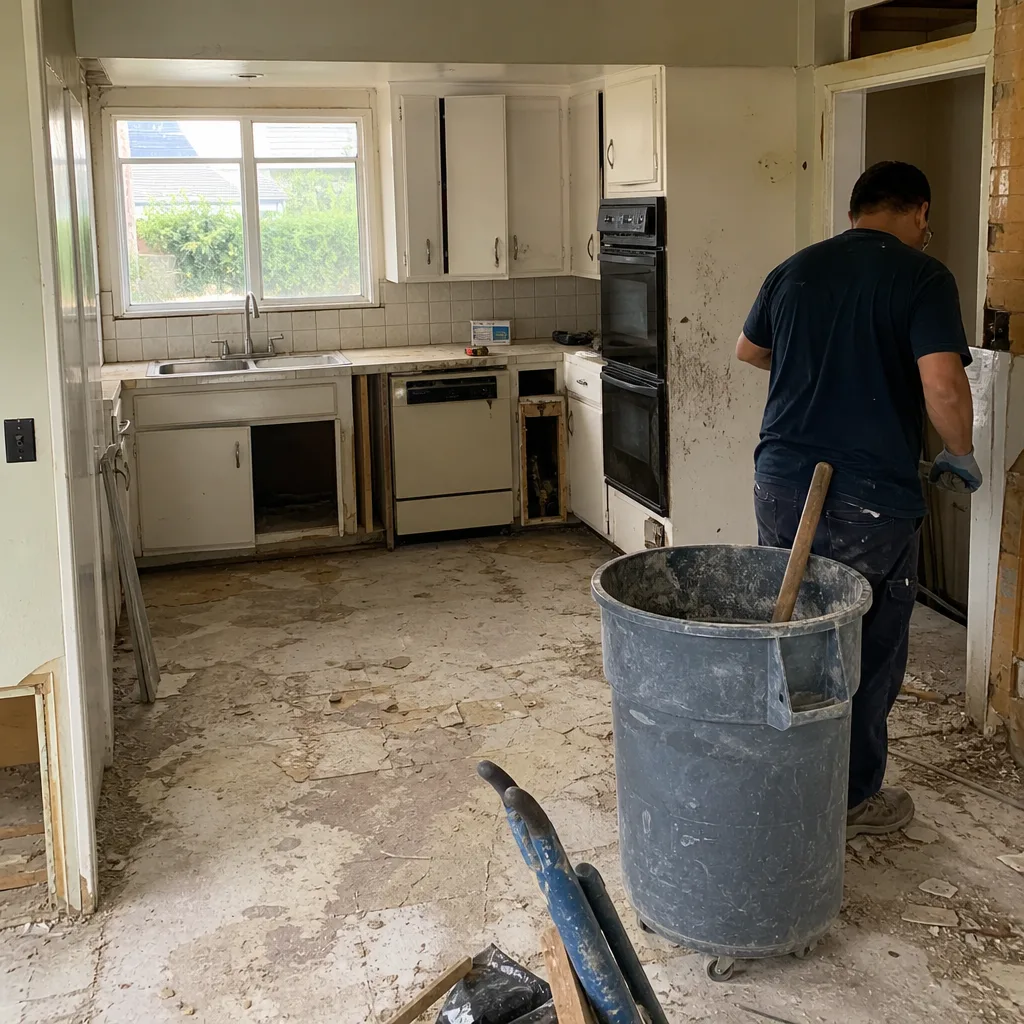 Before
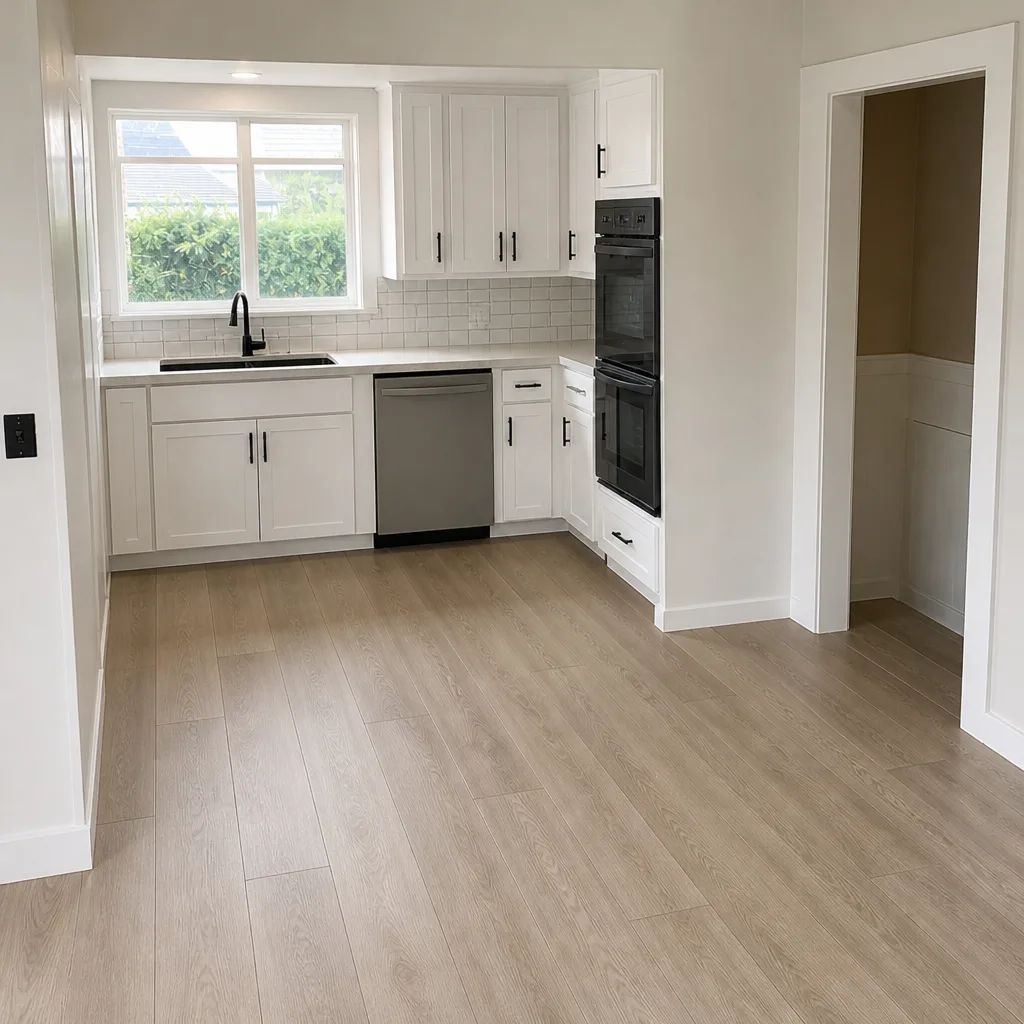 After
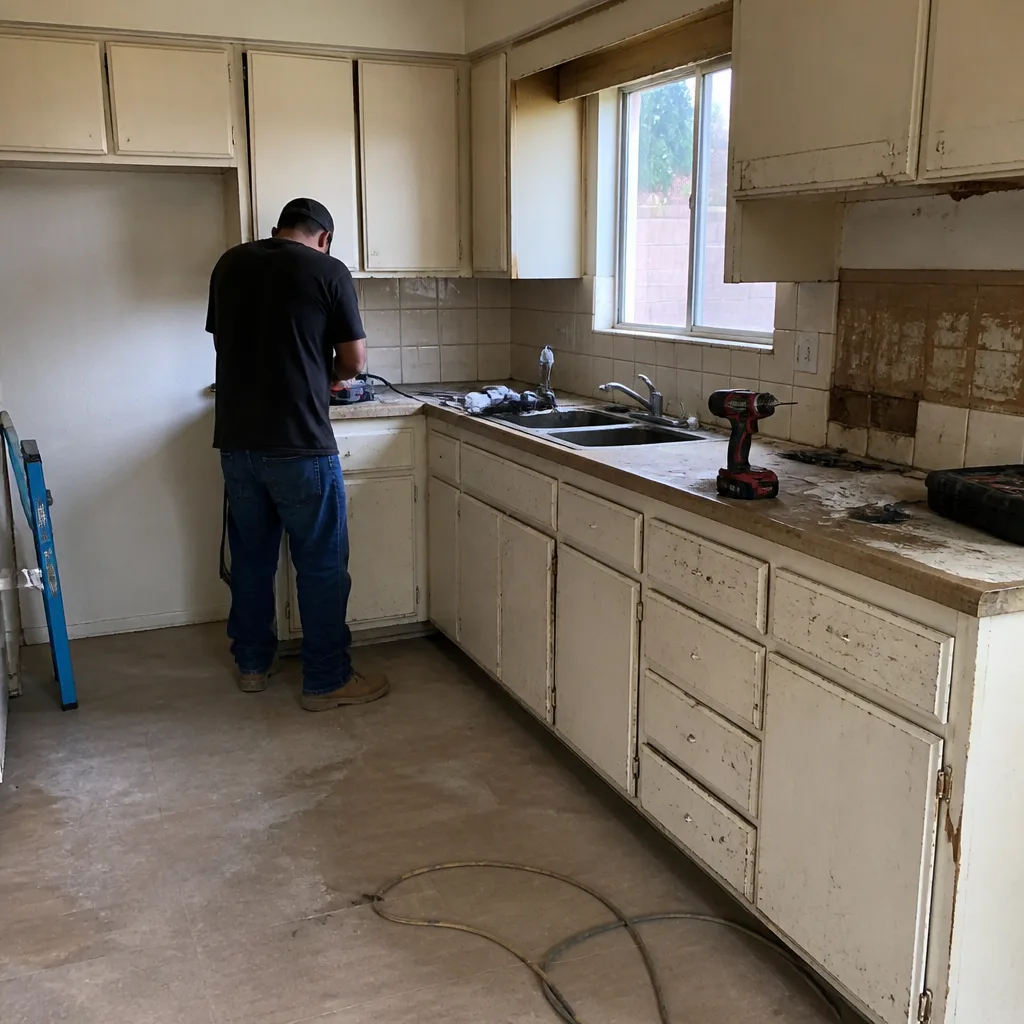 Before
 After