Last updated November 17, 2026






Free written scope consultation - allowances, timeline, and change-order rules on paper before a single trade is scheduled
Construction Permits, Codes & Inspections in CA: What You Need to Know
Skipping a permit in California isn’t just a code violation. It can void your homeowner’s insurance coverage for the work that was done, and it can trigger a mandatory demolition order if a future inspector, appraiser, or buyer’s agent discovers it. We’ve watched a Huntington Beach homeowner spend $14,000 tearing out a finished patio cover because nobody pulled the paper on the original build. The work was fine. The missing permit was the problem. This guide walks through the layers of California permitting – federal, state, county, city, and in Huntington Beach’s case, a coastal overlay on top – so you understand what’s required, why it’s required, and how to move through the process without your project stalling for six weeks on a rejected submittal.
Quick Answer
California construction permits are governed by a stack of layers: the California Building Standards Code (Title 24), local city building departments, and in coastal zones like much of Huntington Beach, the California Coastal Commission’s local overlay. Most structural, electrical, plumbing, and mechanical work requires a permit, and permit exemptions are narrow – typically cosmetic work, low-value repairs, and certain accessory structures under defined size thresholds. Skipping permits exposes you to insurance gaps, forced corrections, and resale problems that can cost far more than the permit ever would have.
Styles & brands we work with
- Kitchen remodeling
- Bathroom remodeling
- Home additions & ADU
- Roofing
- Windows & doors
- Driveway & pavers
- Fence
Table of Contents
- The Three Layers of California Permitting
- What Requires a Permit in Huntington Beach (and What Doesn’t)
- The Gray Zone: Projects That Depend on Scope and Valuation
- How the City of Huntington Beach Permit Portal Works
- Title 24 Energy Compliance and Why It Catches Homeowners Off Guard
- The Four Inspection Milestones and What Each One Checks
- How Unpermitted Work Gets Discovered – and What Correction Looks Like
- Common Mistakes to Avoid
The Three Layers of California Permitting
California doesn’t have one permit system. It has three that stack, and a project can be affected by all of them at once. Understanding which layer governs which decision is the single biggest thing that separates a smooth project from a stalled one.
The first layer is the California Building Standards Code, known as Title 24. This is a statewide code that cities adopt and sometimes amend. It covers structural requirements, energy efficiency, fire safety, and dozens of sub-topics through a family of parts. The California Energy Code lives inside Title 24 Part 6, and that’s the one that surprises people on window replacements and HVAC swaps.
The second layer is the local building department. In Huntington Beach, that’s the city’s Community Development Department, which issues the actual permits, reviews the plans, and sends the inspectors. Local amendments can be stricter than the state code, and local interpretations of ambiguous sections vary from city to city.
The third layer, specific to Huntington Beach and other coastal cities, is the Coastal Commission overlay. Much of Huntington Beach sits inside the coastal zone, and certain projects – particularly additions, second-story work, and anything that changes the footprint of a structure facing the water – can trigger coastal development review on top of the standard building permit. Projects near the Bolsa Chica wetlands and along the beachfront corridor tend to hit this most often.
When all three layers apply, timelines stretch. When only the first two apply, the process is much more predictable. Knowing which layer governs your project is where every good permit conversation starts.
What Requires a Permit in Huntington Beach (and What Doesn’t)
Permits are required for anything that affects the structural, electrical, plumbing, or mechanical systems of a home, plus specific categories like additions, ADUs, pools, and retaining walls over a certain height. Exemptions exist but are narrower than most homeowners assume. Here’s the practical breakdown.
Usually requires a permit:
- Any addition, including home additions and ADUs in Huntington Beach
- Interior remodels that move walls, plumbing, or electrical circuits
- Kitchen and bathroom remodels above a minor cosmetic threshold
- Roof replacement (full tear-off)
- Window replacement when the opening size changes or egress is affected
- HVAC replacement and any new ductwork
- Water heater replacement (tank or tankless)
- Electrical panel upgrades and any new circuits
- Fences over 6 feet, and any fence in a front setback or on a corner lot sight line
- Driveways and hardscape when the footprint or drainage changes – see our Driveway & Pavers in Huntington Beach guide for the local drainage rules
- Retaining walls over 4 feet, measured from the bottom of the footing
- Pools, spas, and pool equipment
- Solar panel installations
- Any new gas line or gas appliance relocation
Usually exempt:
- Interior paint, floor coverings, and cosmetic finishes
- Cabinet refacing (not replacement with new plumbing or electrical)
- Like-for-like fixture swaps in the same location with no wiring or plumbing changes
- Fences 6 feet and under (with sight-line setbacks on front-yard and corner lots)
- Single-story detached accessory structures under 120 square feet, no utilities
- Minor repairs under the local threshold value (currently in the low thousands – ask the permit counter for the current figure)
If you’re planning a kitchen remodel, read our Barrett & Sons Construction Huntington Beach home section on kitchen work first – most Huntington Beach kitchen projects cross the permit line the moment plumbing or electrical moves, and that’s true more often than homeowners expect.
The Gray Zone: Projects That Depend on Scope and Valuation
Between “needs a permit” and “doesn’t” sits a gray zone where the answer depends on total project valuation, scope of the electrical and plumbing work, and how the local building official reads the code. This is where contractors and homeowners most often disagree – and where a contractor who’s willing to skip the permit will give you the answer you want to hear, not the one you need.
The gray zone usually looks like this:
- A bathroom remodel with no layout change. If you’re swapping the tile, tub, and vanity in place with no plumbing moves and no new circuits, it’s typically cosmetic. Add a second GFCI outlet, run a new dedicated circuit for a heated towel bar, or relocate the shower valve, and the permit conversation changes.
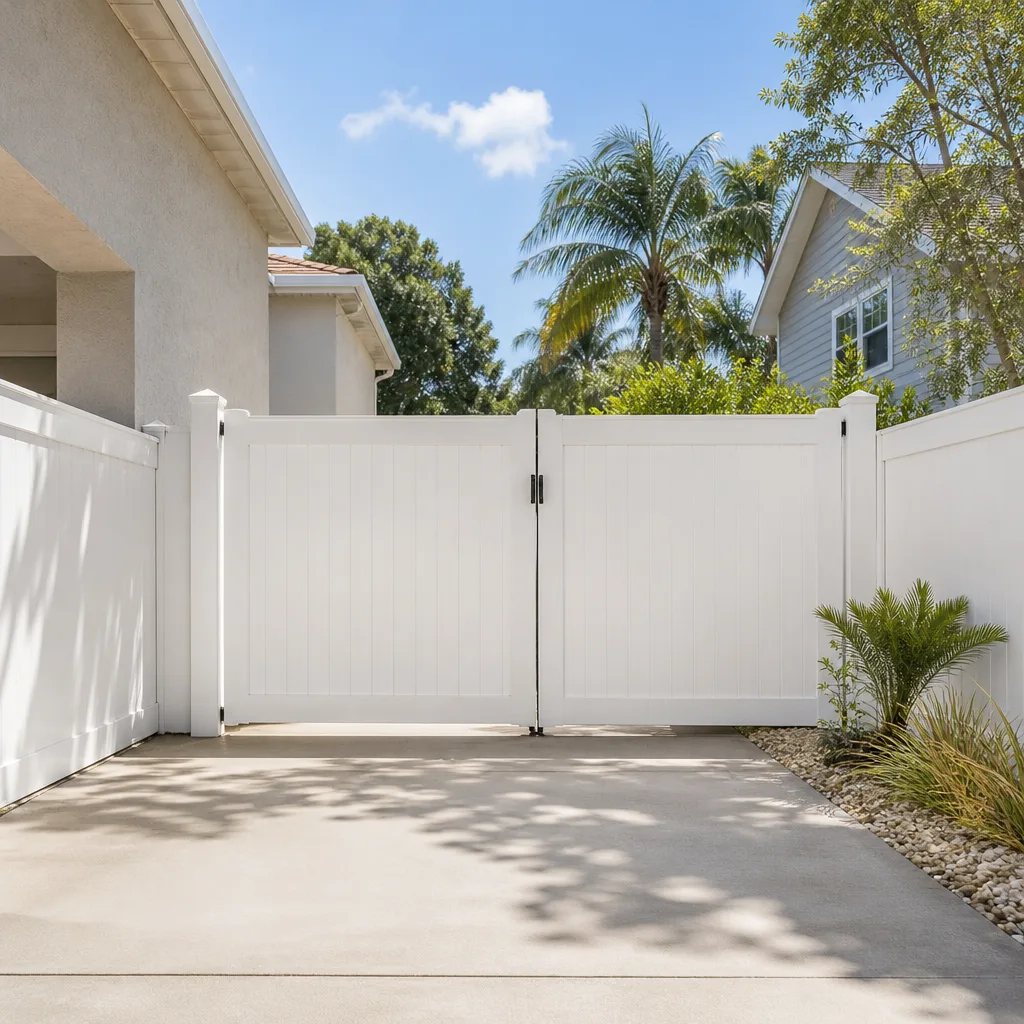
- Replacing a fence. A like-for-like swap of an existing 5-foot privacy fence in the side yard is usually exempt. Adding a foot of height, changing to a solid material facing the street, or extending the fence to the front property line triggers permit review. Our Fence Installation in Huntington Beach page walks through the material choices (Bufftech and ActiveYards are the two we install most for privacy runs) and the local height rules that apply.
- Re-paving a driveway. Resurfacing over the existing base at the same grade and same footprint is usually fine. Changing the footprint, changing the drainage direction, or adding a permeable surface that dumps water onto a neighbor’s lot needs review. Belgard and Unilock pavers go down the same way whether or not there’s a permit – but the drainage plan behind them is what inspectors look at.
- Changing a window. Same-size, same-location window replacement in many cases is exempt from structural review but still pulls Title 24 compliance (more on that below). Change the opening dimension and it’s a permit.
- Roof repair vs. replacement. Patching a small area is usually exempt. Full tear-off to the sheathing is a permit, and if there’s any chance you’re re-decking, plan on an inspection milestone.
When you’re not sure which side of the line a project sits on, the answer isn’t “we’ll probably be fine.” The answer is to call the Huntington Beach permit counter or have your contractor do it before work starts. A five-minute call prevents a four-figure correction later.
How the City of Huntington Beach Permit Portal Works
Huntington Beach runs its permits through an online portal for submittals, plan review, and inspection scheduling. You can file electronically for many residential categories, though larger additions and coastal-zone projects typically require a plan-check appointment and full drawing sets.
Realistic timelines for 2025-2026, assuming a clean submittal:
- Over-the-counter permits (water heaters, panel swaps, small electrical) – often same-day to 3 business days.
- Simple residential permits (like-for-like window swaps, re-roofs) – 2 to 4 weeks from submittal to issued permit.
- Kitchen and bathroom remodels – 4 to 6 weeks, longer if structural changes are involved.
- Additions and ADUs – 6 to 10 weeks, and longer if the project lands in the coastal overlay.
- Coastal-zone projects – add 4 to 8 weeks for coastal development review on top of the standard timeline.
The most common submittal rejections we see in Huntington Beach look like this:
- Missing Title 24 energy compliance documentation on a window or HVAC change
- Site plans that don’t show property lines, setbacks, or easements correctly
- Drainage plans on hardscape projects that don’t address where water goes
- Electrical load calculations missing on panel upgrades
- Structural calculations not stamped where the scope requires an engineer
- Plans drawn to inaccurate existing conditions (the “as-built” was never accurate)
A rejected submittal typically costs 1 to 3 weeks, sometimes more if you have to re-engage an engineer. The contractor’s job is to walk in with the full package the first time. Ours do. That’s not a claim about speed – it’s a claim about preparation.
Title 24 Energy Compliance and Why It Catches Homeowners Off Guard
Title 24 Part 6 is the California Energy Code. It sets minimum efficiency standards for anything that touches the building envelope or the mechanical systems, and it applies to far more projects than most homeowners realize. The residential standards were updated in 2022 and remain in force through 2025, with the next cycle already in motion.
Where Title 24 Part 6 actually bites:
- Window replacement. Even a like-for-like swap on a single window that isn’t exempt may trigger a U-factor and solar heat gain coefficient (SHGC) requirement. In Huntington Beach’s coastal climate zone (CZ 6, the “cool coastal” zone), the SHGC numbers are more forgiving than inland zones – but they still apply. Andersen and Marvin both publish the compliance certificates; ask for them before your contractor orders.
- HVAC replacement. Systems must meet current SEER2 and HSPF2 minimums. If you replace an air conditioner without addressing the ducts and refrigerant lines, you may fail the compliance check. This trips people up on older Huntington Beach homes where the ducts run through unconditioned attic space.
- Additions. Any new conditioned square footage triggers a full Title 24 compliance report – envelope, windows, insulation, and HVAC all required. Our Home Additions & ADU in Huntington Beach projects always include the Title 24 compliance documentation in the plan set from day one. It’s not a step you bolt on later.
- Re-roofing. Cool-roof requirements apply in most California climate zones. Some Huntington Beach homeowners want the exact tile they had before and discover the current product meets the standard while the old one doesn’t – that’s normal, and it’s not a fight worth having with a plan checker.
The takeaway: if you’re touching the building envelope or the mechanical system, plan on Title 24 compliance being part of the paperwork. Contractors who pretend it doesn’t apply are the same ones who tell you permits are optional.
The Four Inspection Milestones and What Each One Checks
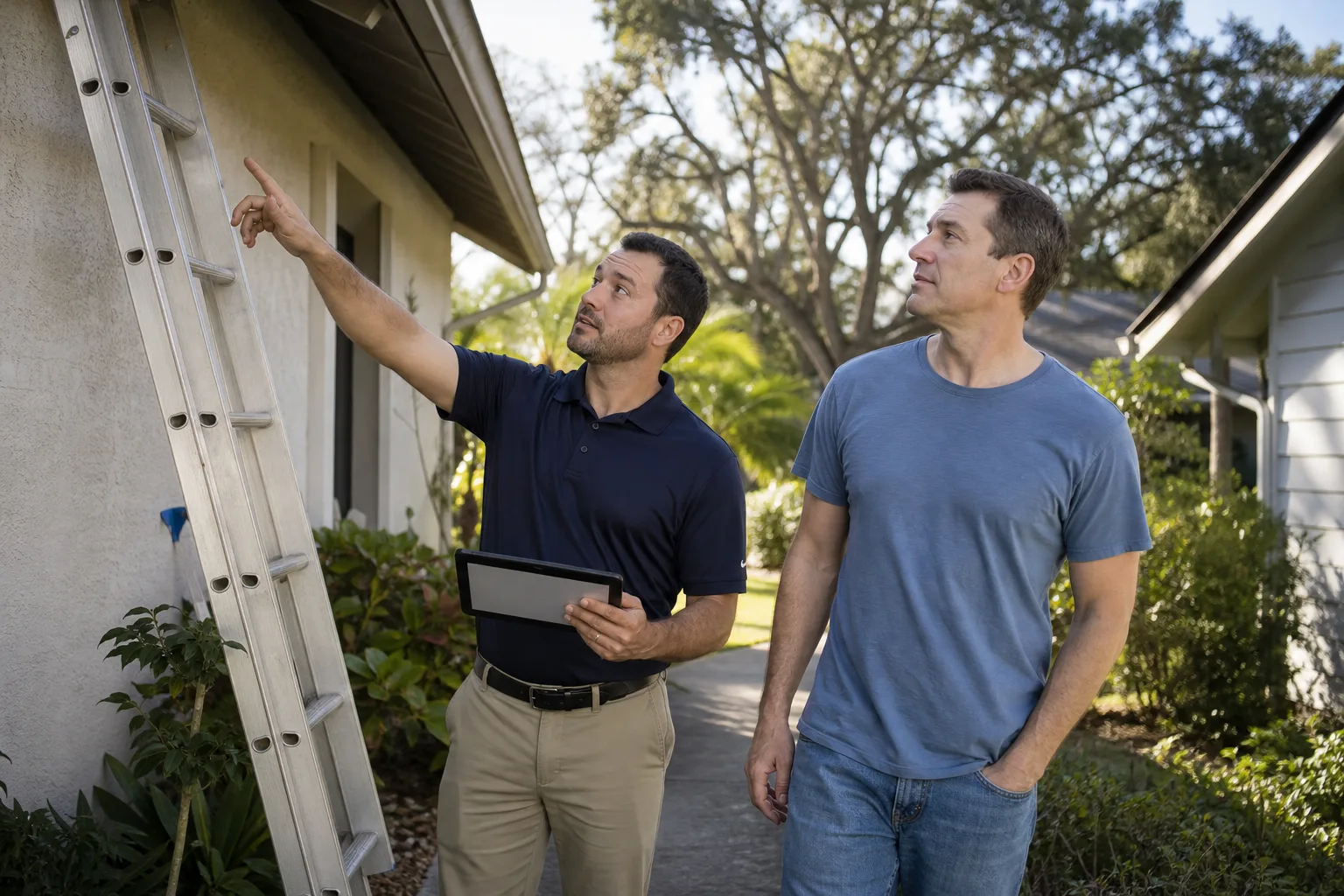
Inspections aren’t an obstacle – they’re a free quality check on your project, paid for by the permit fee you already spent. The inspector works for you, not for the contractor. That’s a feature, not a bug.
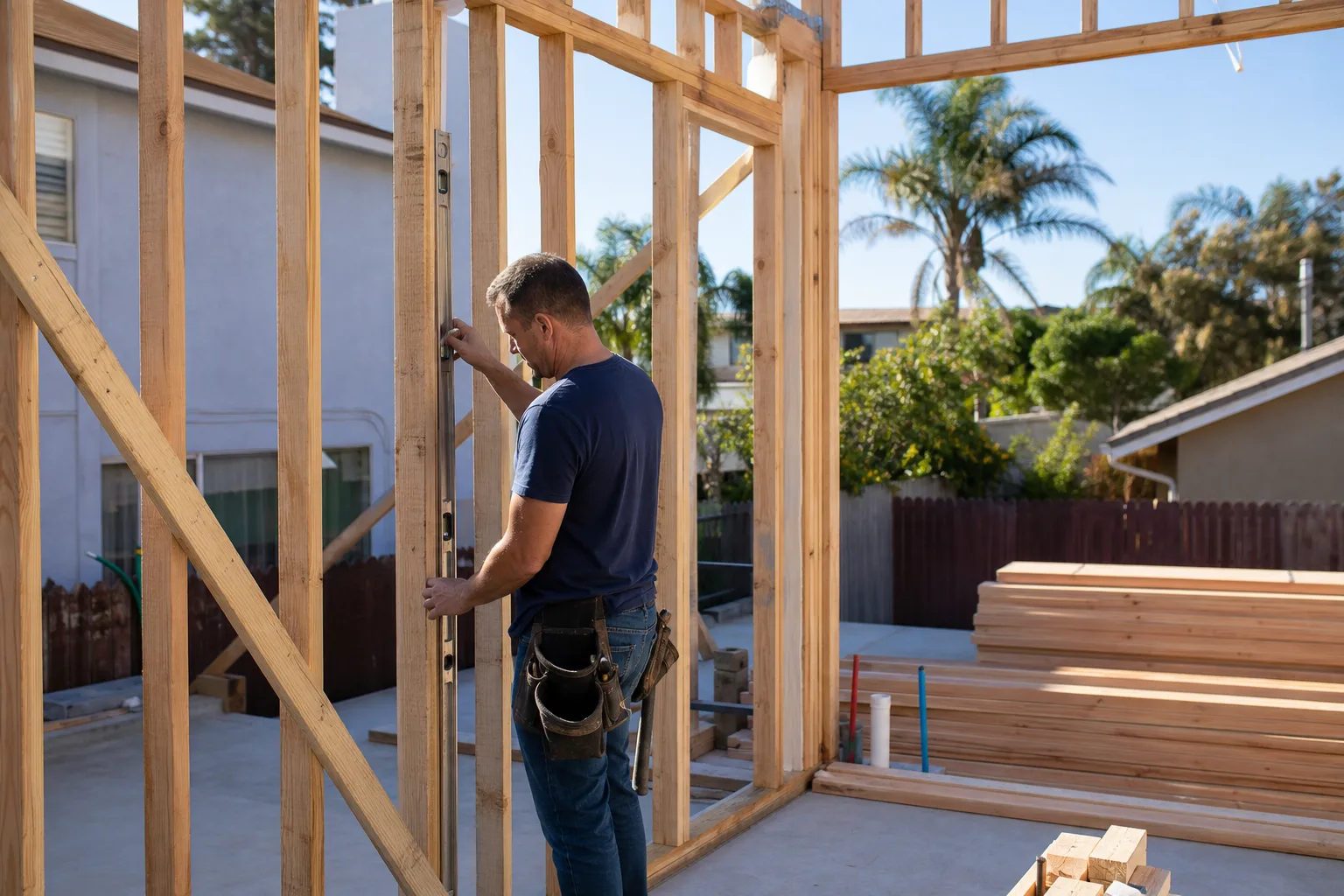
- Foundation inspection. Called after the trenches are dug, rebar is placed, and the forms are set – before any concrete is poured. The inspector checks footing depth and width against the plans, rebar placement and spacing, anchor bolts, and site grading. This is the point where under-scoped plans get caught, and it’s why good contractors over-plan the foundation even when the drawing looks clear.
- Framing inspection. Called after the walls are up and sheathing is on, but before insulation and drywall go in. Inspectors check stud sizing and spacing, headers, hold-downs, shear panel nailing, and any structural work called out by the engineer. Once drywall closes over the framing, correcting a problem is expensive – so this inspection is worth scheduling the day the framing is ready.
- Rough mechanical, electrical, and plumbing. Sometimes combined, sometimes separate, depending on scope. Called before drywall closes. The inspector verifies wire gauge, box fill, panel labeling, drain slope, venting, gas line pressure testing, and duct sizing. This is where Title 24 duct sealing gets verified on HVAC changes.
- Final inspection. Called after all finish work, when everything is installed and operational. The inspector verifies fixtures, outlets, GFCI placement, smoke and CO detectors, and that the finished work matches the approved plans. If you changed anything mid-project without a written change order, this is where the change surfaces.
Failing an inspection doesn’t have to derail a project – the vast majority of corrections are minor and get signed off at a re-inspection within a couple of days. What derails a project is not showing up prepared. A contractor who knows what each inspector checks, and calls for the inspection only when the work is actually ready, doesn’t eat 1 to 2 weeks waiting on a correction cycle. A contractor who schedules inspections as a formality does.
How Unpermitted Work Gets Discovered – and What Correction Looks Like
Unpermitted work is almost never discovered by a building inspector proactively walking the streets. It’s discovered by accident, in the middle of something else. The five most common scenarios:
- Insurance claims. A fire starts in a wall outlet wired without a permit – the adjuster reviews the electrical history and finds none. A roof leak damages interior finishes installed without a permit – the claim gets complicated fast. Many policies have exclusions for non-permitted work that materially contributed to a loss.
- Appraisals. An appraiser pulls up the county record during a refinance or sale. Square footage that isn’t on record, a permitted garage conversion that’s now a bedroom, a pool that isn’t on file – they all show up as discrepancies the lender cares about.
- Neighbor complaints. Usually on fences, second-story additions, or drainage that’s affecting a neighbor’s lot. Code enforcement responds to complaints – it doesn’t wait for the inspector to notice.
- Resale disclosure. California requires sellers to disclose known unpermitted work. Buyers find it through the transfer disclosure statement, then through a title search or an inspection. Deals fall apart over this constantly.
- Contractor pulling a new permit. When a licensed contractor pulls a permit for a new project, the inspector sometimes notices adjoining work that doesn’t match the record. That’s a bad day for everyone.
Correction is not the end of the world. It’s usually a two-step process: hire a licensed engineer or designer to produce as-built drawings of the existing unpermitted work, then submit for a permit through the city’s after-the-fact process. The city inspects the work (sometimes opening walls), and if it meets current code, it gets signed off. If it doesn’t, it gets corrected. Costs range from a few hundred dollars for simple cosmetic work to five figures when walls, framing, or concrete need to be opened. Getting it done before a sale is far cheaper than getting forced into it during a sale.
Common Mistakes to Avoid
- Trusting a contractor who says “we don’t need a permit for that.” Sometimes they’re right. Often they’re guessing, or they don’t want the inspection schedule. Ask them to put their permit position in writing before you sign anything. If they can’t, call the city yourself.
- Assuming Title 24 doesn’t apply because the project is small. Window swaps and HVAC replacements trigger it more often than homeowners expect. A contractor who doesn’t mention Title 24 on a window or HVAC job is a contractor who hasn’t read the recent code.
- Letting the submittal go in with a weak site plan. The number one cause of first-pass rejections in Huntington Beach is site plans missing property lines, setbacks, or easement information. It’s a 30-minute fix that avoids a 2-week delay.
- Changing scope mid-project without a written change order. Anything that moves between the approved plans and final inspection becomes a problem at final. Change orders are how you keep the paper trail aligned with the work.
- Forgetting the coastal overlay in Huntington Beach. Second-story additions, ocean-adjacent projects, and certain hardscape changes near the beach corridor may need Coastal Commission review in addition to the city permit. If your property is in the coastal zone, assume this applies until told otherwise.
- Assuming permit cost is a large percentage of the project. Permit fees in Huntington Beach typically run 1 to 3 percent of the total project valuation for residential work. The cost of skipping them can run 10 times that.
- Waiting until you’re under contract to pull permits. Pre-application meetings with the city (often free) save far more time than they cost. Walk the scope in before drawings are finished – not after.
See the difference
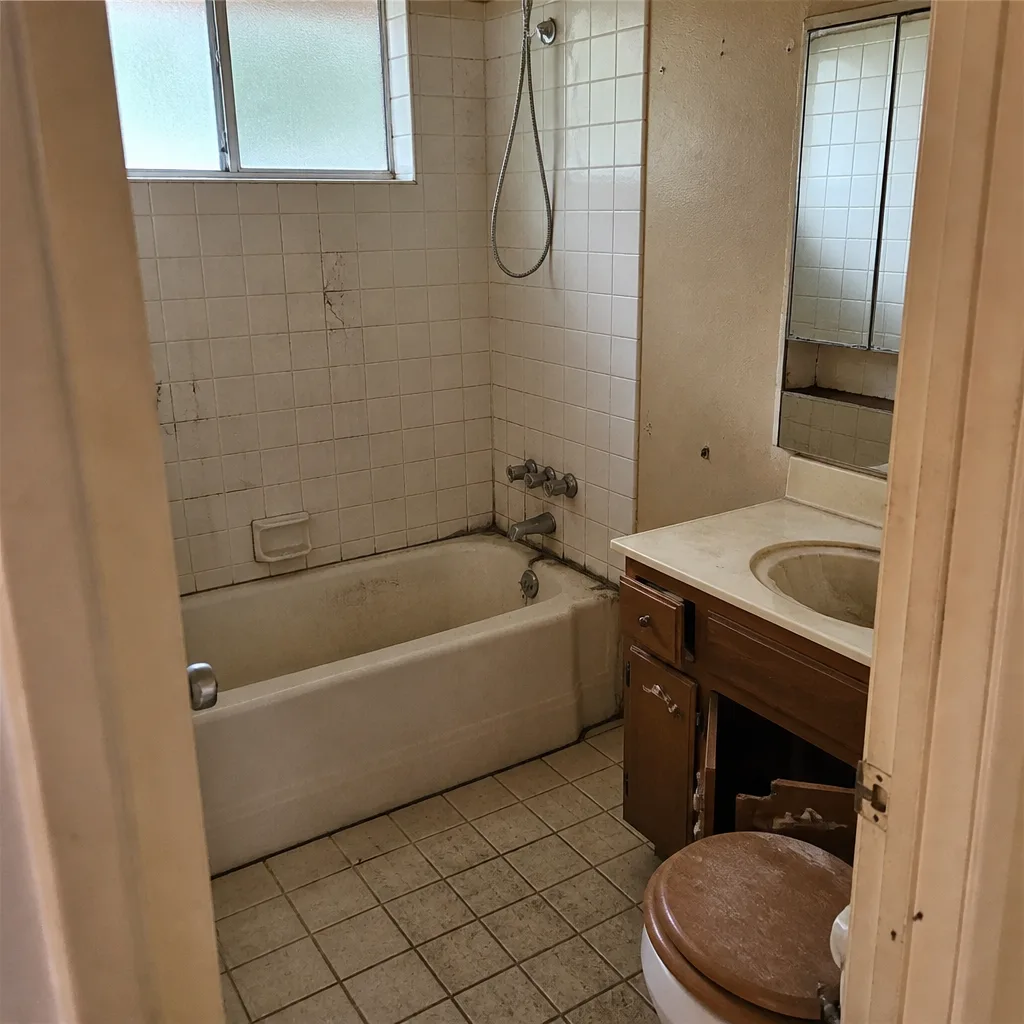 Before
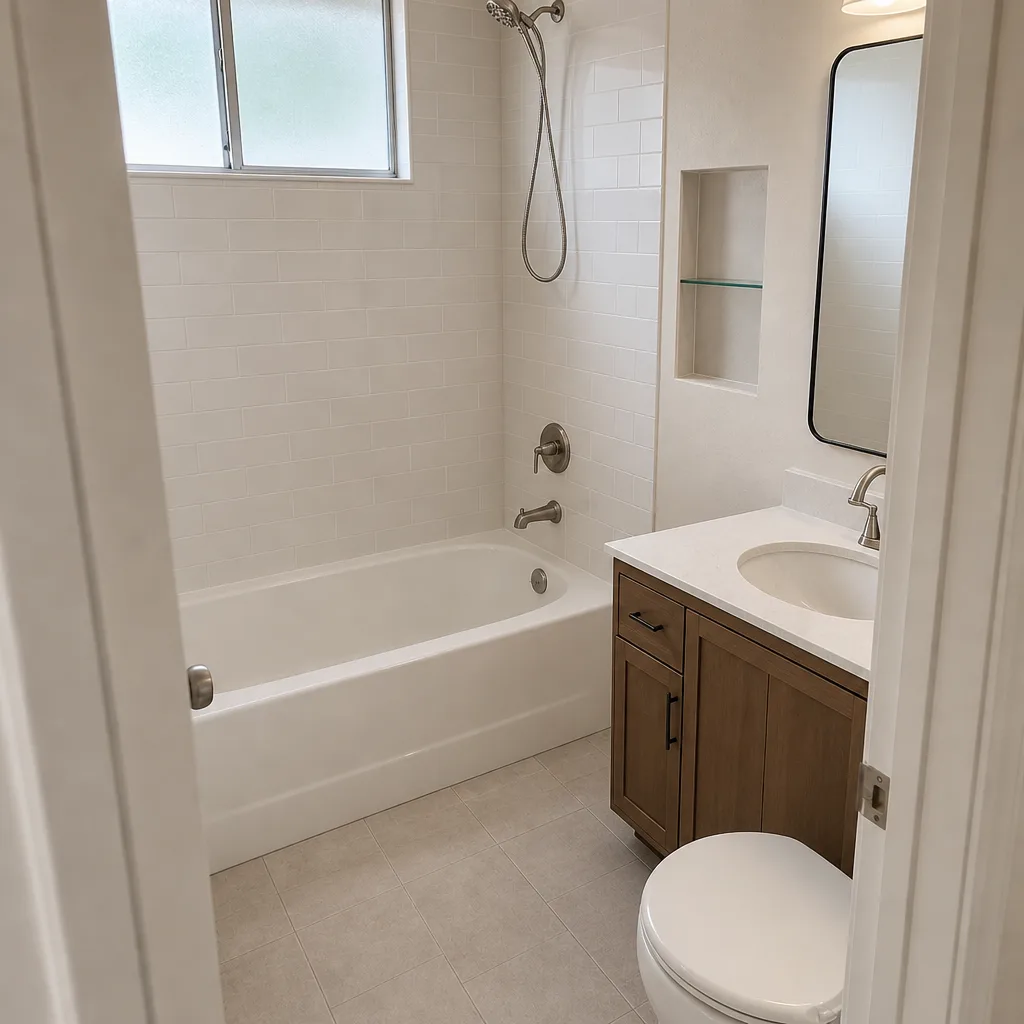 After
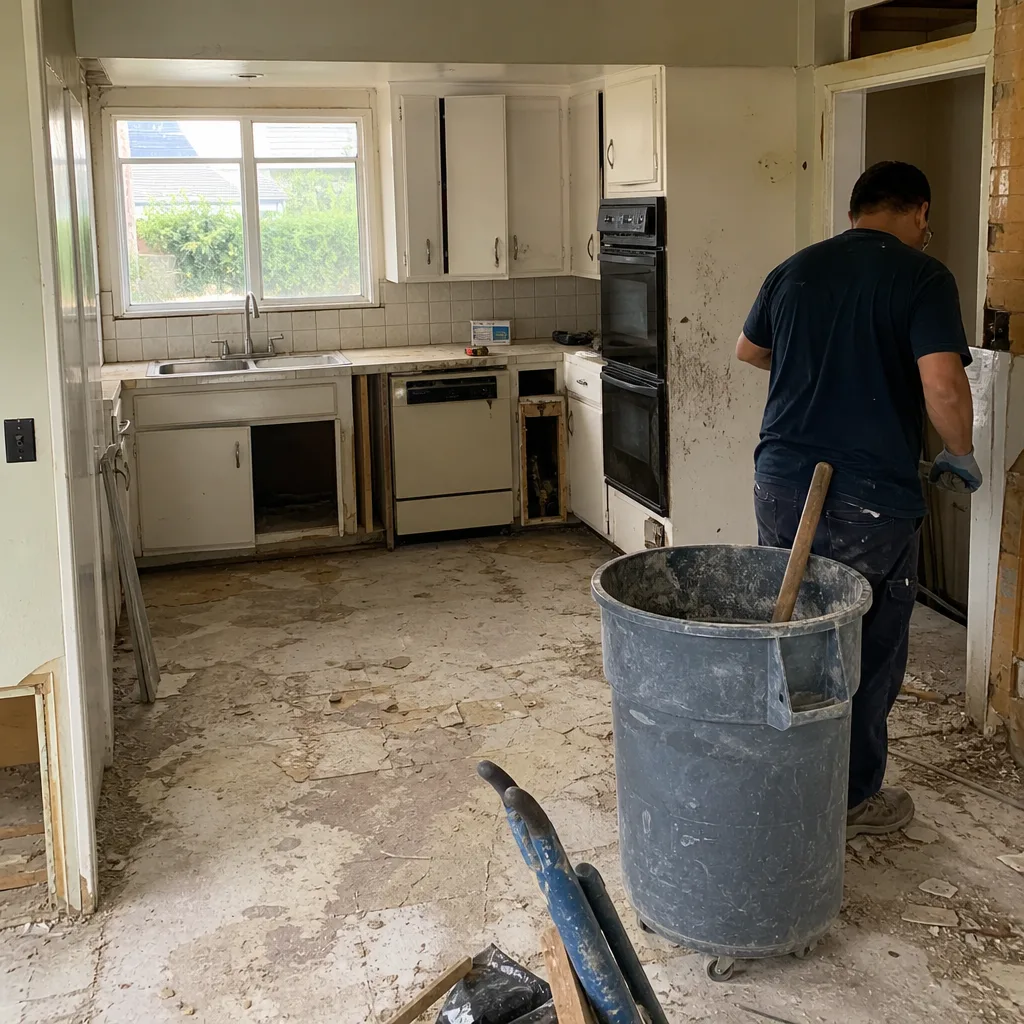 Before
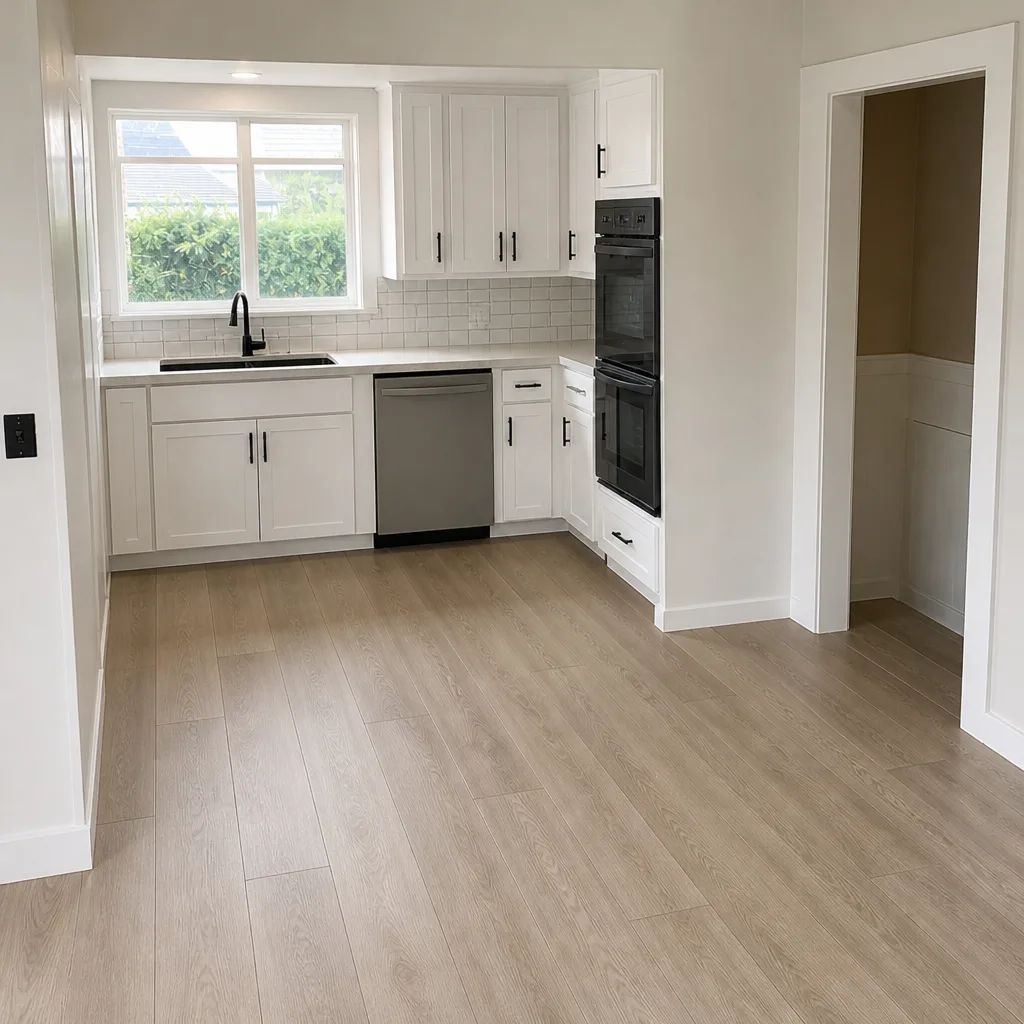 After
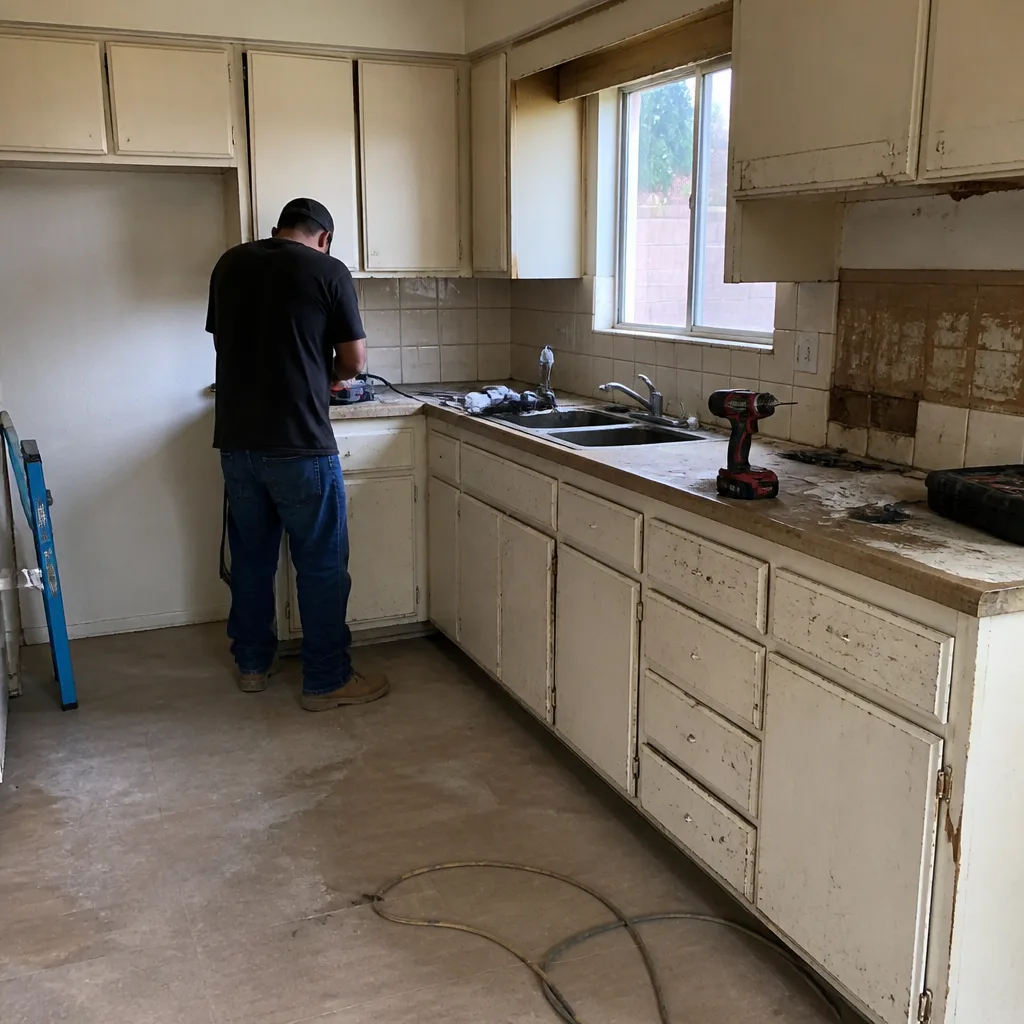 Before
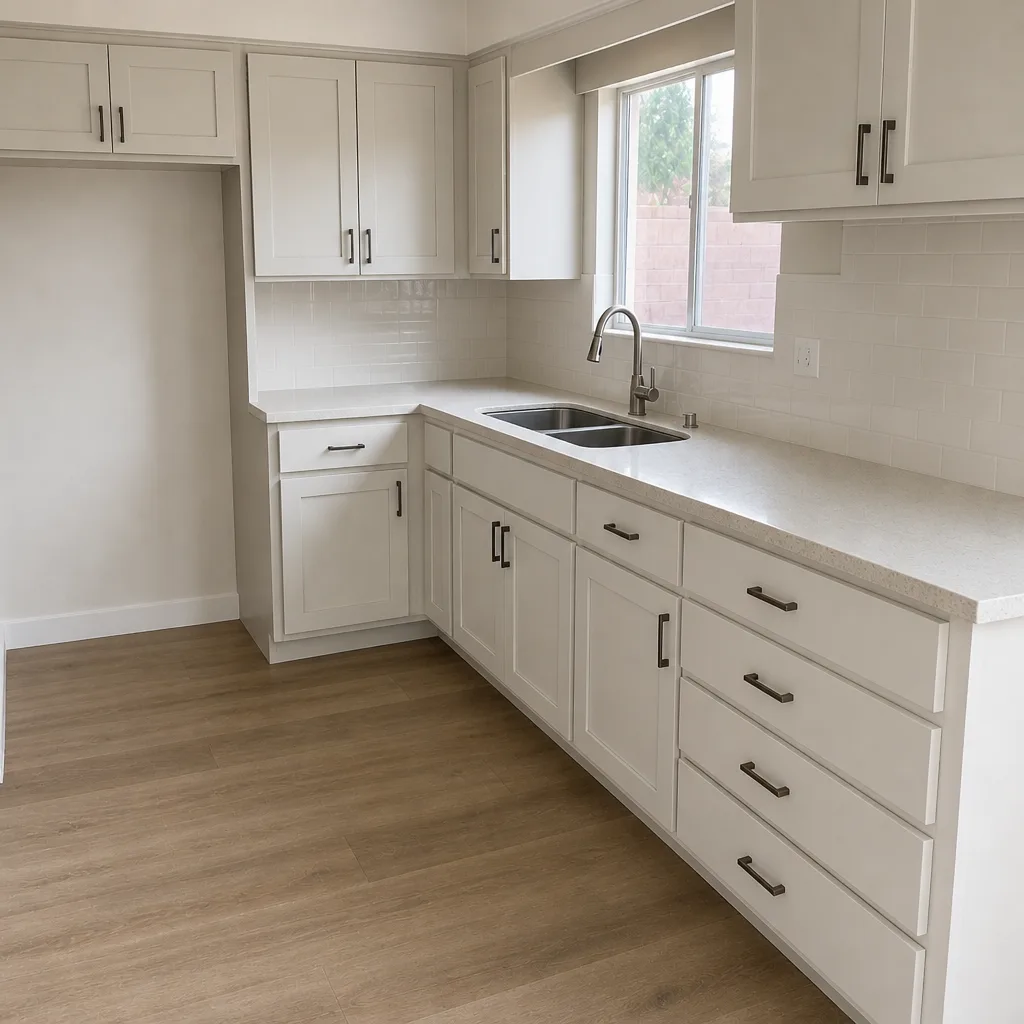 After
When to Call a Professional
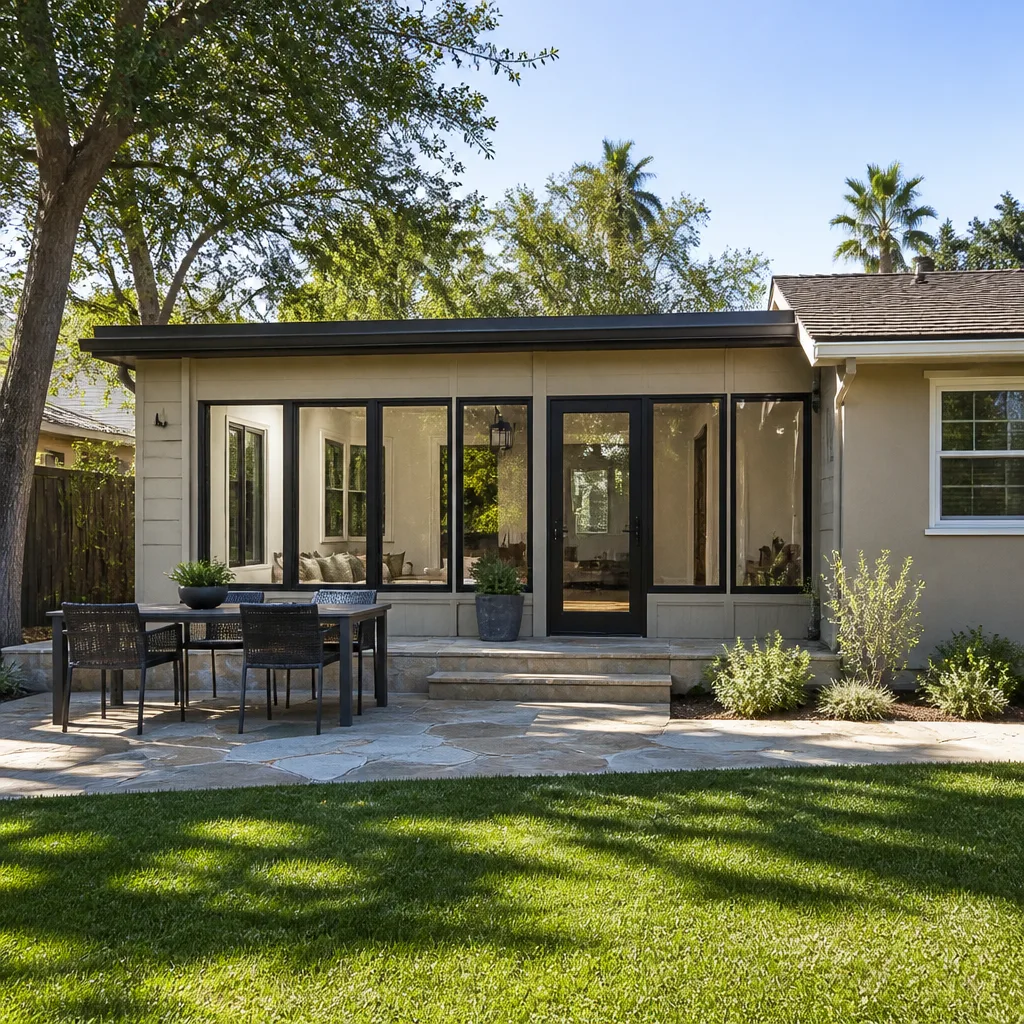
If your project touches structure, electrical, plumbing, gas, the building envelope, or the coastal zone, you need a licensed contractor who pulls permits as a matter of standard practice – not as an upsell. That includes additions, ADUs, kitchen and bathroom remodels where plumbing or wiring moves, roof replacements, window replacements with any dimension change, HVAC and water heater replacements, panel upgrades, and any fence over 6 feet. It also includes any project where an unpermitted renovation already exists on the property and you want to bring it into compliance before a sale or refinance. If you’re not sure which category you’re in, the answer is to call and ask – the permit counter will tell you honestly, and a good contractor will tell you before you sign anything.
Barrett & Sons Construction Huntington Beach offers free estimates in Huntington Beach and the surrounding communities – call (844) 320-2945. Every eligible job gets permits pulled and inspections signed. Every price change is a written change order before work proceeds. Every completed job is backed by the written 90-Day Done Right Promise. Our crew members carry up to 28 years of experience, and Tom Barrett publishes his name, address, and license number because he expects you to verify them.
Frequently Asked Questions
Yes, in most cases. A kitchen remodel triggers a permit as soon as you move plumbing, relocate or add electrical circuits, replace a range hood duct, or change the structural layout. Pure cosmetic work (cabinet refacing, new countertops, paint, floor covering) can stay exempt if no concealed systems are touched. If your project touches gas or electrical, assume a permit is required, and call (844) 320-2945 for a written scope before you commit to a contractor.
Realistic 2025-2026 timelines are 2 to 4 weeks for simple residential permits, 4 to 6 weeks for standard kitchen and bathroom remodels, 6 to 10 weeks for additions and ADUs, and 4 to 8 weeks longer than that if the project sits in the coastal zone. Water heaters and panel swaps often move faster, sometimes in days. A clean submittal is the biggest factor – most delays come from incomplete plans, not from the city.
Skipping a permit exposes you to insurance exclusions on any loss connected to the unpermitted work, forced correction or demolition if discovered by a future inspector, disclosure obligations if you sell, and appraisal discrepancies during a refinance. Discovery usually happens during an insurance claim, an appraisal, a neighbor complaint, or a resale disclosure – not during a proactive sweep. The correction cost typically runs 5 to 15 times the original permit fee.
Yes, in many cases. Title 24 Part 6 energy compliance applies to window replacements more often than most homeowners expect – especially when the opening size changes, when the window is part of a whole-house replacement, or when it’s part of an addition. Huntington Beach sits in Climate Zone 6 (cool coastal), which has specific U-factor and SHGC requirements. Ask your contractor for the Title 24 compliance certificate before the windows are ordered.
California allows a homeowner to pull a permit for work on their primary residence, but it comes with a catch: as the permit holder, you’re the responsible party for the inspections, and most insurers and future buyers view owner-pulled permits with more scrutiny. We recommend letting the licensed contractor pull the permit on any project that touches structure, electrical, gas, or the building envelope. A permit pulled through the contractor’s license keeps the responsibility aligned with the person doing the work.
You have two reasonable paths: negotiate the correction into the sale price (usually the seller pays for the after-the-fact permit and any required corrections), or walk away. If you love the house, the third option is to move forward knowing the correction cost will land on you. Get an engineer’s as-built assessment before close so you know what you’re actually dealing with – a $400 assessment now is far cheaper than a $25,000 wall-opening surprise later. Call (844) 320-2945 and we’ll tell you what a correction scope looks like in writing, free of charge.
The Bottom Line
California permits aren’t one system – they’re a stack of federal, state, county, and local layers, and Huntington Beach adds the coastal overlay on top. Projects that touch structure, electrical, plumbing, gas, or the building envelope almost always need a permit. Title 24 energy compliance affects more of them than most homeowners expect, especially on window and HVAC swaps. Inspections are the quality check you already paid for, and unpermitted work surfaces at the worst possible moment: an insurance claim, an appraisal, or a sale. Pulling permits isn’t the expensive path – skipping them is. If you’re ready to talk through a project with a contractor who pulls paper as standard practice, call (844) 320-2945 for a free estimate. Every eligible job gets permits pulled and inspections signed, every price change arrives as a written change order before work proceeds, and every completed job is backed by the written 90-Day Done Right Promise.
Written by the team at Barrett & Sons Construction Huntington Beach.