Last updated November 17, 2026



Free written scope consultation - allowances, timeline, and change-order rules on paper before a single trade is scheduled
DIY vs Professional Construction: The Huntington Beach Homeowner’s Decision Guide
California is one of the strictest states in the country for homeowner-performed work. Certain licensed trades cannot be done by the owner even on the owner’s own home without a contractor’s license, and a surprising number of Huntington Beach homeowners have discovered this at the worst possible moment: during the sale of their house, when a buyer’s inspector finds unpermitted electrical in the garage and the deal stalls. This guide draws the lines clearly. You’ll learn which projects California restricts to licensed contractors, which ones a motivated Huntington Beach homeowner can genuinely own, and how to spot the exact moment a weekend project crosses into territory that will cost you at resale.
Quick Answer
In Huntington Beach, the DIY-versus-hire decision comes down to three questions: does California law restrict the work to a licensed contractor, will the work require a permit and inspection, and will an unpermitted version of it follow you to resale. Cosmetic work like painting, landscaping, and minor hardscape is fair game for a capable homeowner. Electrical, plumbing, and gas work beyond trivial thresholds, structural changes, roof replacements, and anything that needs a permit belong with a licensed professional. The financial math over seven years of ownership almost always favors doing it right the first time.
Styles & brands we work with
- Kitchen remodeling
- Bathroom remodeling
- Home additions & ADU
- Roofing
- Windows & doors
- Driveway & pavers
- Fence
Table of Contents
- What California Law Actually Restricts
- The Resale Disclosure Reality
- The Seven-Year Math of DIY vs Permitted Work
- Projects Where Skilled DIY Is Genuinely Appropriate
- The Signals It’s Time to Hand Off
- The Hidden Cost of DIY Time in a Coastal Market
- Why Huntington Beach Specifically
- Common Mistakes to Avoid
What California Law Actually Restricts
Here’s the part that surprises people. California’s contractor licensing rules apply based on the type of work, not on who owns the property or whether money changes hands. If the work falls into a licensed trade above a certain threshold, it needs a licensed contractor. Owning the home doesn’t exempt you.
The categories with real teeth:
- Electrical: Anything beyond swapping a light fixture or a receptacle on an existing circuit generally needs a permit, and permit work needs a licensed electrician or a licensed general contractor working within scope. Adding a circuit, running new wire, upgrading a panel, or installing a subpanel is licensed-trade work. Panel upgrades are also genuinely dangerous: the service conductors stay live, and an arc flash at the main can kill.
- Plumbing: Replacing a faucet or a toilet is a homeowner-level job in most cases. Moving a drain, adding a fixture, running new supply or waste lines, repiping, or anything that touches the gas side of a water heater is licensed work. Gas line work in particular is not a DIY category; a slow leak behind a wall is a call you don’t get a second chance on.
- HVAC: Replacing a furnace or air handler, adding refrigerant lines, converting a system, or any work involving refrigerant handling is licensed. There’s a reason: refrigerant handling requires EPA certification, and ductwork that’s sized wrong silently costs you every summer.
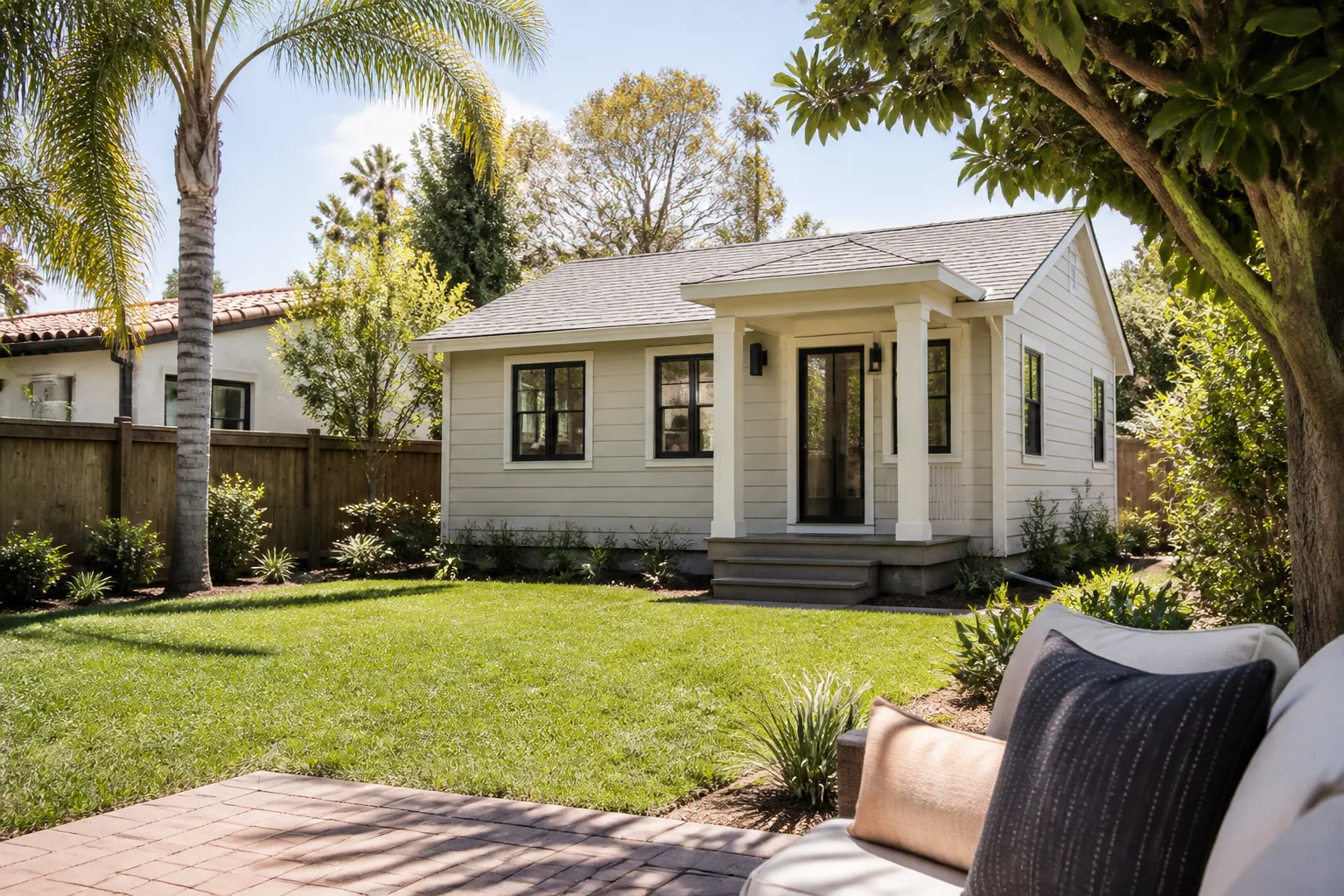
- Structural and additions: Load-bearing walls, foundations, room additions, and ADUs require engineered plans, permits, and a licensed contractor. Huntington Beach’s coastal zoning overlay adds another layer of review in many neighborhoods.
- Roofing: Full roof replacement requires a permit and inspection in Huntington Beach. Steep-roof work is a fall-height hazard, and a missed flashing detail on a coastal roof doesn’t show up for two winters.
Where the line sits matters. Cosmetic and finish work, landscape, painting, fencing, and hardscape generally sit on the homeowner’s side. Trades that hide behind drywall or involve fire, water, or electricity do not. Our technicians have up to 28 years of experience, and the number of correction jobs we’ve walked into where the original work was a “small” owner install is not small.
The Resale Disclosure Reality
California requires sellers to disclose, in writing, any known unpermitted work or work performed without required permits. It’s on the standard transfer disclosure statement. You sign it under penalty of perjury. If you forgot about the outlet you added in 2019, that’s still your signature on the line in 2026.
Buyers’ inspectors are trained specifically to spot unpermitted work. They look at panel labels and breaker sizes, at drain alignment under sinks, at the age of the water heater and whether the T&P valve is correctly routed, at roof flashing details, at fence footings, and at whether the addition’s roofline matches the original structure. When an inspector flags something, the buyer’s agent writes it into the contingency. The seller either pays to correct it, credits the buyer, or the buyer walks.
Here’s what that looks like in practice on a Huntington Beach sale: an unpermitted subpanel added to a garage in the 1990s, discovered during inspection, gets treated as an open question. The buyer’s inspector flags it, the buyer’s electrician quotes $2,200 to bring it into compliance, the buyer asks for the credit, and the seller ends up paying for the correction anyway - after eighteen years of ownership, with no leverage and a sale already in escrow. The original DIY job saved maybe $800. The correction, on the way out, cost more than the professional job would have.
There’s also the insurance side. Many homeowner policies exclude damage linked to unpermitted or non-compliant work. If a DIY electrical fire starts in the wall, the adjuster’s first question is who did the work and under what permit. Trades that touch fire, water, or electricity are the ones where that answer matters most.
The Seven-Year Math of DIY vs Permitted Work
Most homeowners evaluate a project against the bid on the table today. The real comparison runs over the years you keep the house. Here’s the framework, using rough Southern California pricing.
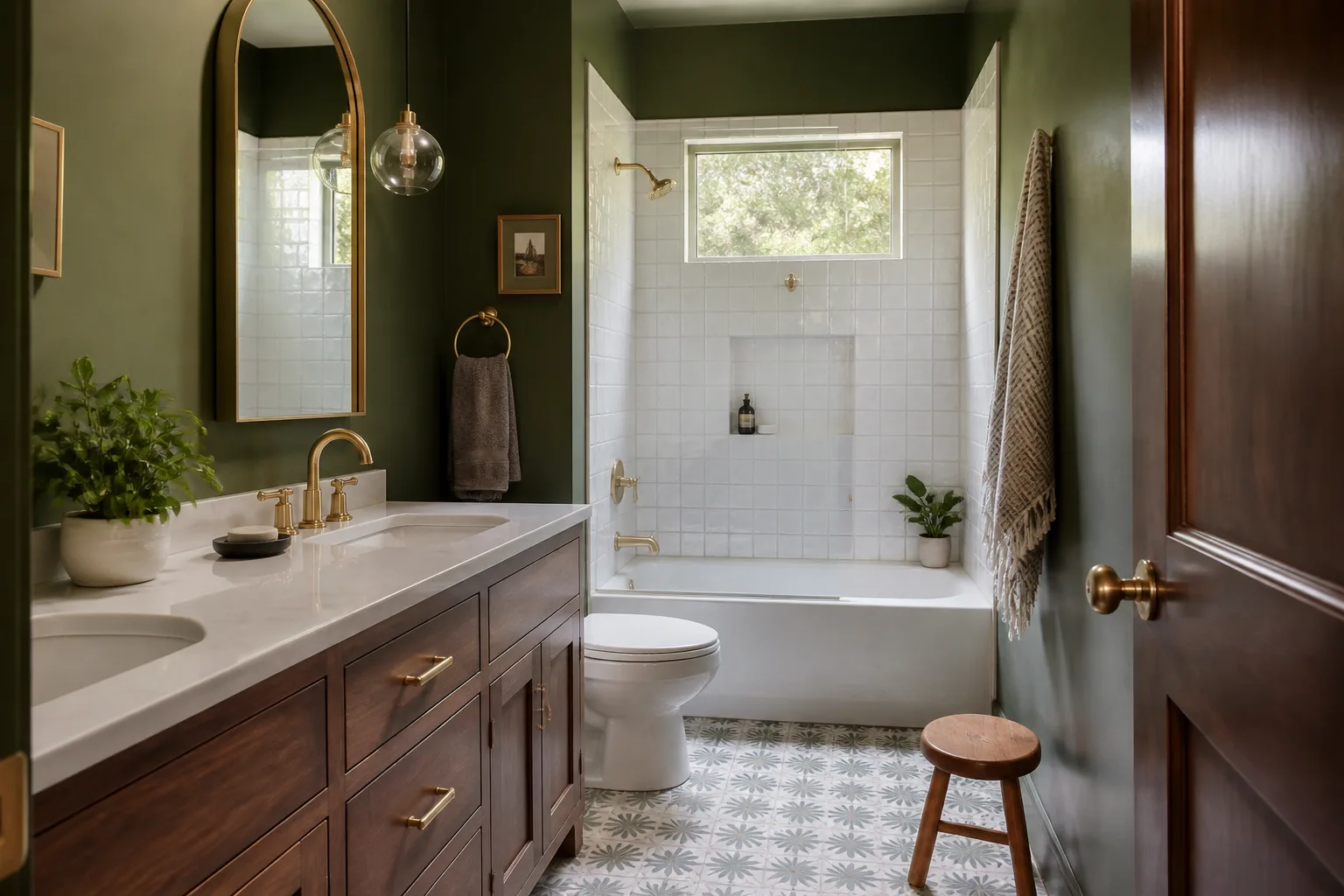
Take a bathroom remodel with plumbing relocation. A permitted professional job in Huntington Beach runs $22,000 to $38,000 depending on size and finish level. A skilled DIY version, doing your own tile, demo, and paint but hiring licensed plumbing and electrical subs for the parts you can’t legally touch, runs roughly $14,000 to $22,000 in materials plus the subs. Do the unpermitted version, skip the sub, and you’re at $11,000 to $16,000 today. Now run it forward seven years. Unpermitted plumbing that fails inspection at resale costs $3,000 to $8,000 to correct, and the buyer’s credit usually lands on the high side. Unpermitted electrical in a wet room can cost $2,500 to $6,000 and requires opening finished walls. The seven-year math on the DIY version lands, at best, a couple thousand dollars ahead - and often behind once the correction and the credit are accounted for. For a job this size, the risk isn’t worth the margin.
Now run the same math on a painted interior, a landscape refresh, or a small paver path. The DIY version stays ahead the whole way, because none of it sits behind a wall or touches a permit. That’s the dividing line: projects without a permit exposure and without a licensed-trade exposure are where DIY math works. Everything else gets eaten by the correction cost at resale.
A written bid is the other half. The moment a contractor hands you a line-item scope with allowances spelled out, you can compare the professional number against your true DIY cost honestly. An allowance that isn’t on paper is a surprise waiting for a date.
Projects Where Skilled DIY Is Genuinely Appropriate
Most guides in this category tell homeowners to hire everything out. That’s not honest either. Here’s where a competent Huntington Beach homeowner can genuinely own the work without resale or safety consequences.
- Interior painting. No permit, no licensed trade, and the failure mode is a second coat. Prep work is what separates a good job from a bad one: caulk lines, sanding, and primer on any patched drywall.
- Landscaping and planting. Sod, drip irrigation on an existing hose bib, mulch beds, and low plantings are homeowner territory. Moving a mainline irrigation valve or adding a new hose bib is plumbing and needs a licensed plumber in most cases.
- Minor hardscape. A small paver walkway or a fire pit pad at grade is genuinely DIY-able. Wall footings, retaining walls over about 4 feet in height, and driveways need engineering and permits. If you’re using premium pavers like Belgard or Unilock, buy them through a supplier that’ll take back extras - you’ll over-order on your first job.
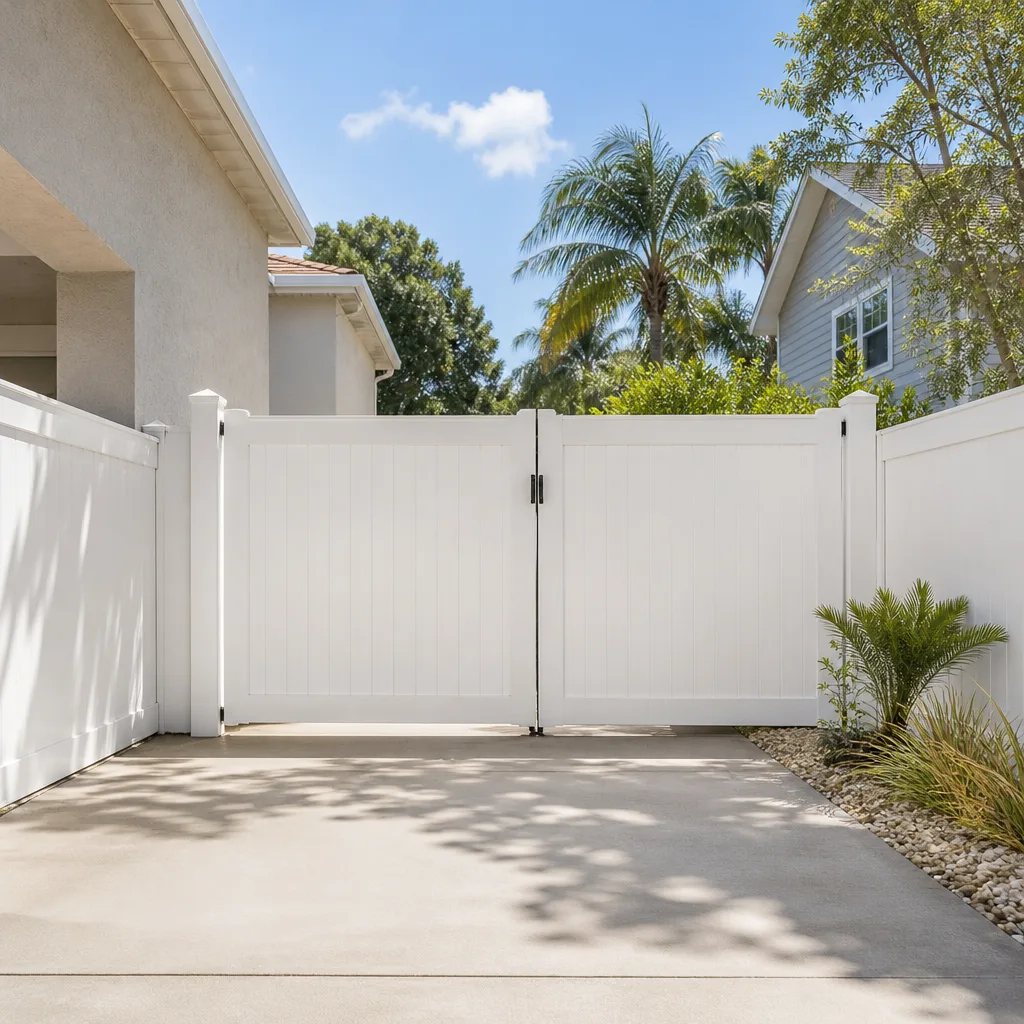
- Fence replacement. Replacing like-for-like fence panels between existing posts is a homeowner job in most Huntington Beach neighborhoods. New fence lines on a property line need a survey and, often, a permit, and if you want the fence to last through the salt air, vinyl products like Bufftech or ActiveYards hold up far better than wood in coastal conditions.
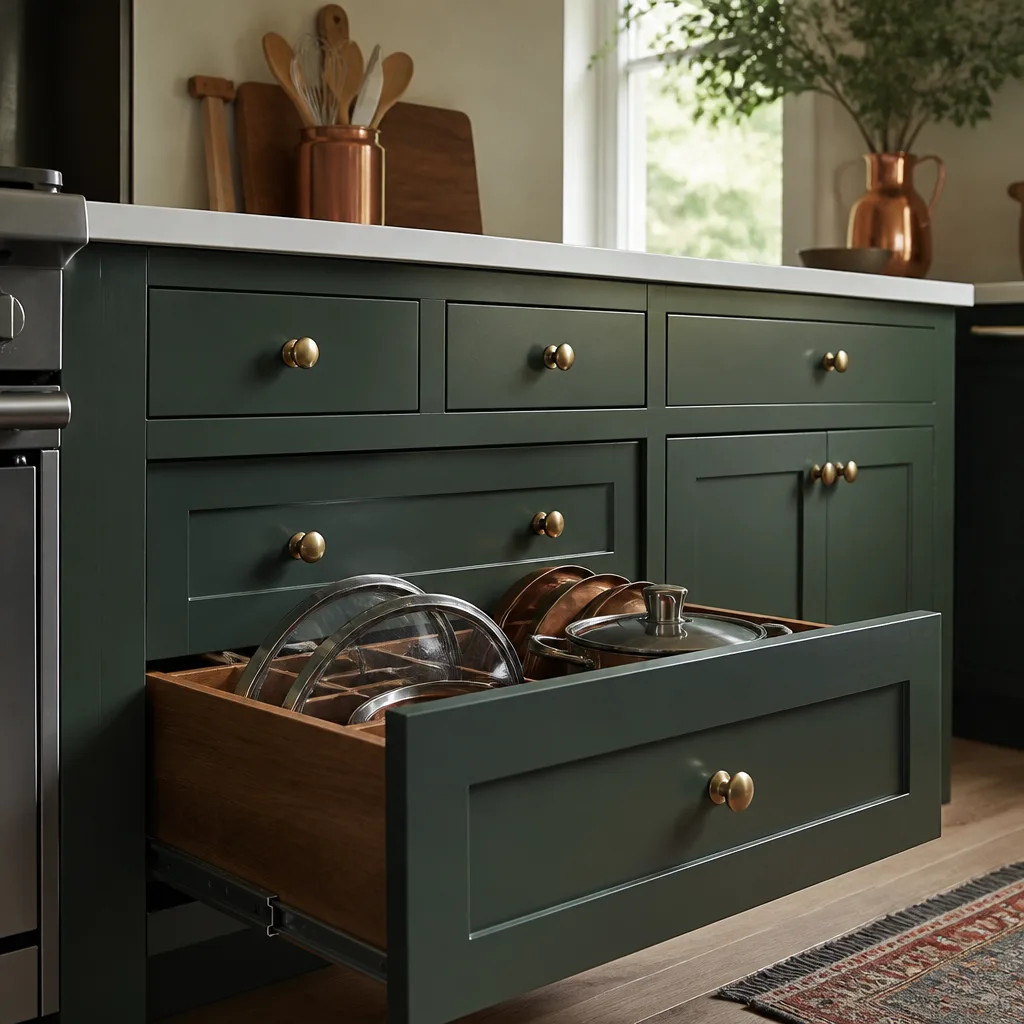
- Cosmetic bathroom and kitchen updates. Swapping a vanity top, changing a faucet, replacing cabinet hardware, and repainting cabinets are all homeowner-level.
Each of these stays on the safe side of the line because the work doesn’t sit behind a wall, doesn’t touch a licensed trade, and doesn’t need a permit. Cross any of those three and the calculation changes.
The Signals It’s Time to Hand Off
Most DIY projects that go sideways don’t announce themselves. They cross a line quietly. Here are the signals that the work has entered licensed-trade or permit territory and needs a professional.
- You’re opening a wall past the drywall. Once you’re into framing, wiring, or plumbing behind the wall, the work requires a permit and a licensed trade. The cost of stopping here is a phone call; the cost of continuing is a correction job.
- You’re about to touch gas. Any gas line work, water heater gas connections, range conversions, and fireplace connections need a licensed plumber or licensed gas fitter. There’s no safe DIY version of this.
- You’re adding a circuit or replacing the panel. Anything beyond a like-for-like fixture swap is licensed electrical work. Panel work is where the arc-flash risk lives.
- You’re moving a drain, supply, or vent. Faucet swaps are fine. Moving the drain for a new sink location, or adding a fixture, needs a licensed plumber and an inspection.
- You’ve hit a permit line. Roof replacement, room additions, ADUs, structural changes, new fence lines, retaining walls over about 4 feet, and driveways all need permits. If the work needs a permit, it needs someone licensed to pull it and someone licensed to have the inspection signed.
- You’re not sure the structure under the surface is what you expected. Rot beneath a tile shower pan, termite damage in a wall cavity, or a joist that isn’t where the plans say it is - these are all signals to stop and call a contractor before you go further.
- You’ve been on the same step for a week. Sometimes the signal is your own time. DIY gets expensive the moment the project turns into a part-time job that’s blocking your life.
The professional move at any of these signals is a free second opinion on the written estimate you have. Most contractors will walk a project for free and tell you whether it’s still in homeowner territory.
The Hidden Cost of DIY Time in a Coastal Market
Labor in Orange County doesn’t come cheap, and correction work is more expensive than new work. That’s the paradox most DIY math misses.
A licensed contractor prefers to bid a fresh install because the sequence is predictable and the crew can move on. Bidding the correction of someone else’s work is harder: opening walls to see what’s behind, adjusting the plan as surprises emerge, and pricing the liability of signing off on someone else’s foundation. Contractors add a premium for that - usually 15% to 30% over a comparable fresh install in the Huntington Beach market. That premium is the hidden cost of the original DIY attempt.
The harder hidden cost is time. A Huntington Beach homeowner doing a bathroom on weekends alone spends 30 to 60 hours on the job across a couple months. Against professional labor at $75 to $110 an hour for a licensed crew, that time is worth $2,000 to $6,000. Factor in the two or three inevitable trips to Ganahl or Home Depot for the part you forgot, plus a stuck weekend waiting for a sub to show, and the DIY time value often exceeds the dollars saved. This isn’t a criticism of DIY. It’s a cheaper way to spend money on cosmetic work and a more expensive way to spend it on anything with a permit.
For the categories of work that genuinely do need a professional - driveways and pavers in Huntington Beach, fence installation in Huntington Beach, and home additions and ADUs in Huntington Beach among them - the pricing is real and the timeline is honest. A written scope undercuts the DIY fantasy because it lets you see what the professional job actually involves.
Why Huntington Beach Specifically
Huntington Beach has a few characteristics that tilt the DIY-versus-hire question more toward hire than inland cities do.
The salt air is the first. Fence posts, roof flashing, exterior paint, and exterior hardware fail faster here than they do twenty miles inland. A fence that lasts fifteen years in Riverside lasts eight to ten near the beach unless the hardware and wood treatment are chosen for coastal conditions. A roof edge that looks fine at install can show water intrusion by the second or third winter, and flashing details are the difference. This is why materials matter: CertainTeed and GAF shingles done right, over the right underlayment, with the right drip edge, buy you years the retail version doesn’t.
Coastal zoning and permitting adds a layer. The Huntington Beach planning department has specific requirements around setbacks and height in coastal overlay zones, plus the standard permit-and-inspection process for additions, roof replacements, and fence lines. The permit inspector works for you, not for the builder - that’s the point of the process, and it’s why it exists. We pull permits and get inspections signed on every eligible job, because the last contractor most Huntington Beach homeowners used told them permits were optional.
The neighborhoods differ too. Bolsa Chica, Seacliff, and the neighborhoods near the wetlands have their own permit rhythms. Downtown and the pier-adjacent blocks have height and design overlays that add review time. The inland neighborhoods off Beach Boulevard and Adams are more straightforward, but the permit process still applies for the same project categories. A contractor who knows which permit counter to walk into and which reviewer will ask for the second drawing saves weeks. That local knowledge is expensive to recreate from scratch on a DIY schedule.
You can see the whole picture on our Barrett & Sons Construction Huntington Beach home page, where every service category we touch is laid out in plain terms.
Common Mistakes to Avoid
- Skipping the permit to “save time.” The permit process saves you time at resale, because it produces a paper trail that satisfies the buyer’s inspector. Skipping it produces a disclosure line instead. In Huntington Beach, that line is expensive.
- Starting a licensed-trade job as a “small” DIY project. The transition from small to licensed happens the moment you cut into a wall or open a panel. Once you’re there, stop and call - continuing is how people end up paying for a correction and the original attempt.
- Believing a verbal quote is a quote. A verbal price on a phone call is a placeholder. The actual bid is the written scope, and the true final number is the written scope plus written change orders. Ask for the change-order process in writing before you sign.
- Choosing materials by price alone. A retail-grade fence post from the box store will last a handful of years in coastal air. Bufftech and ActiveYards vinyl hold up, and so do properly installed Belgard and Unilock hardscape systems. Cheap materials generate expensive corrections.
- Overlooking the coastal climate in the planning stage. Roof flashing, exterior hardware, and fence footings all need to be planned for salt air, not for a dry-inland install. The cost difference is usually 5% to 10%. The failure cost of skipping it is a whole redo.
- Assuming an unpermitted project is “already done and forgotten.” The transfer disclosure statement is signed under penalty of perjury. If you know about unpermitted work and don’t disclose it, the buyer can come back after closing. The correction is your problem either way.
- Not asking whether the contractor pulls permits. This is the single question that separates a professional outfit from a cheap one. Get the answer in writing, and verify the license before signing anything.
See the difference
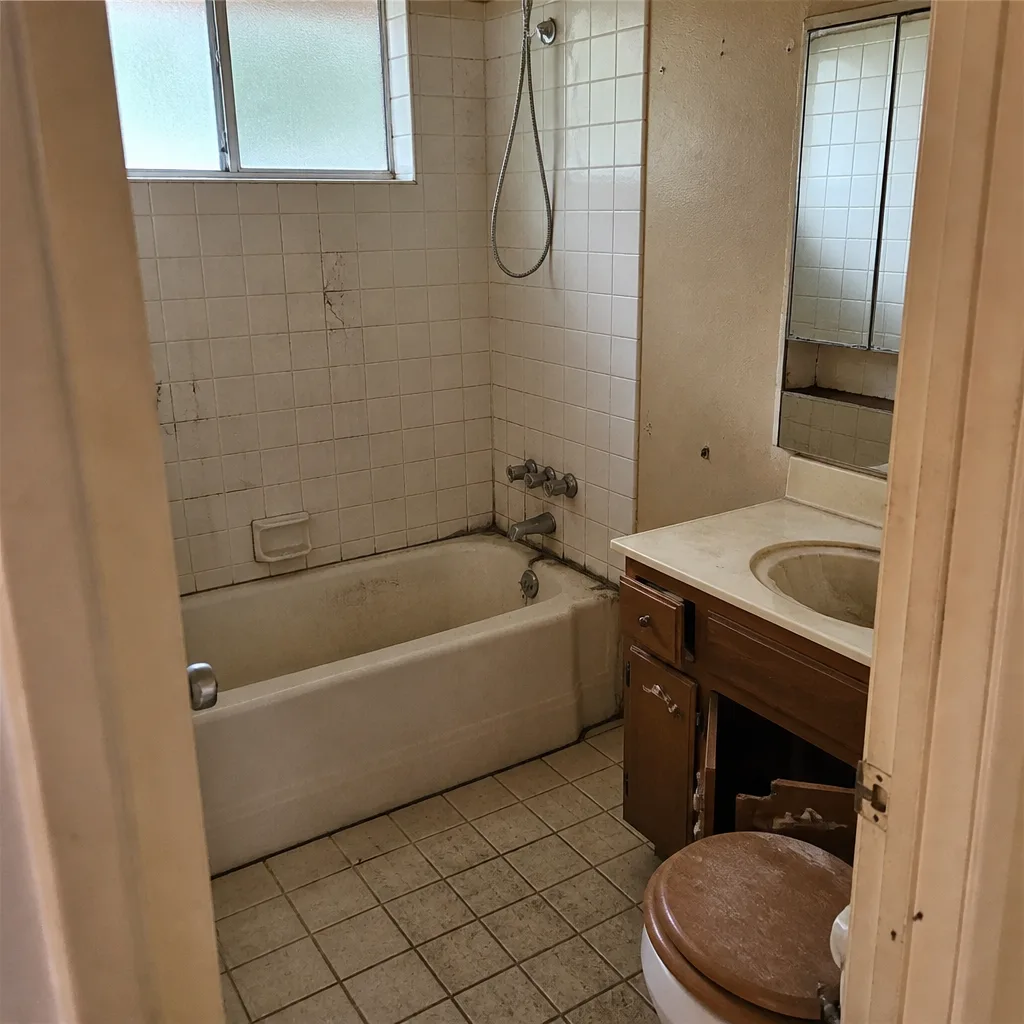 Before
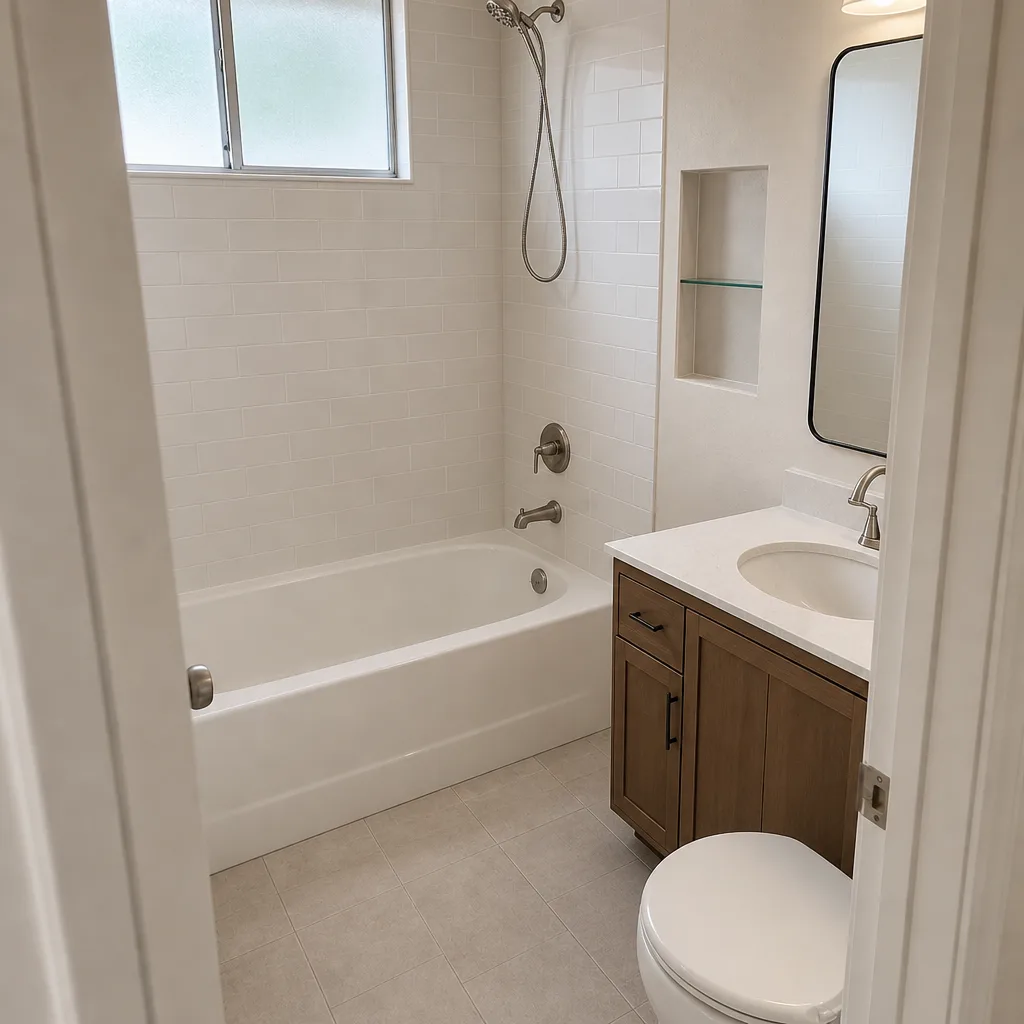 After
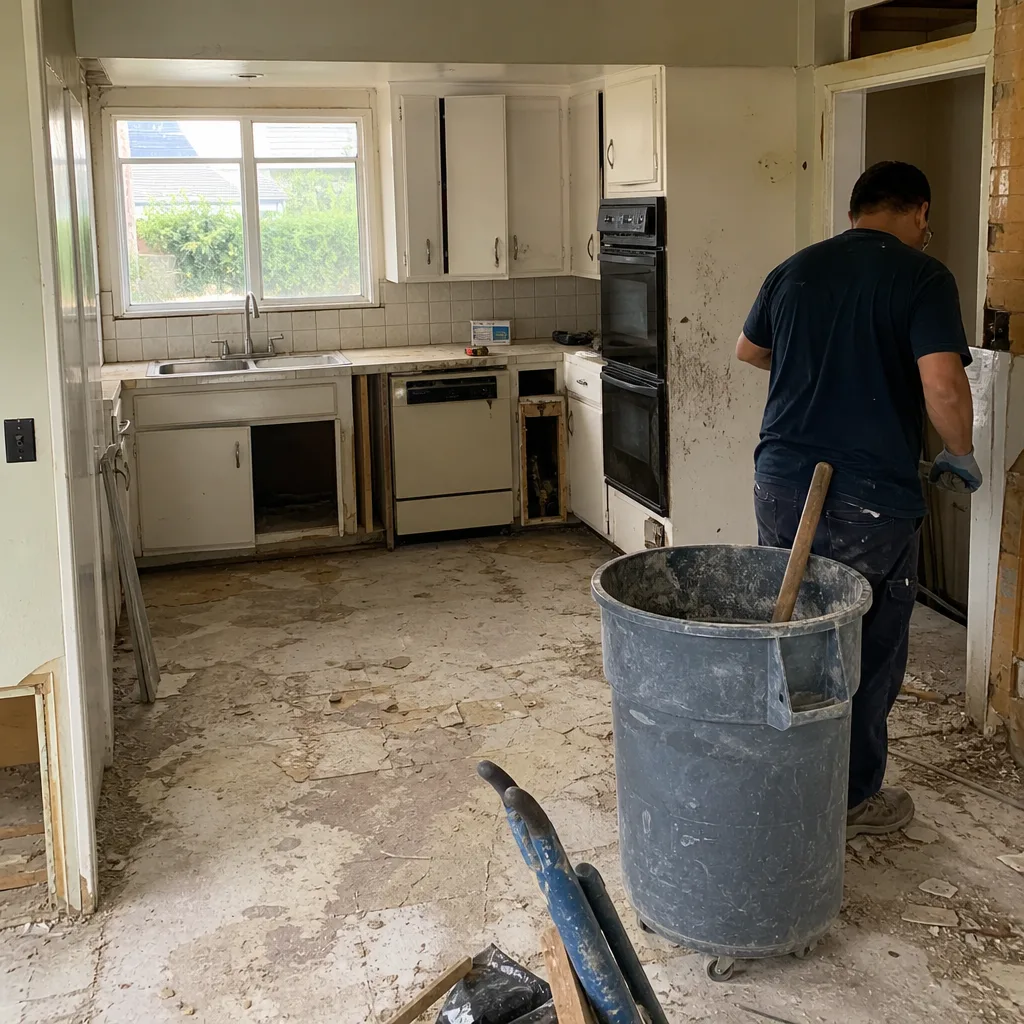 Before
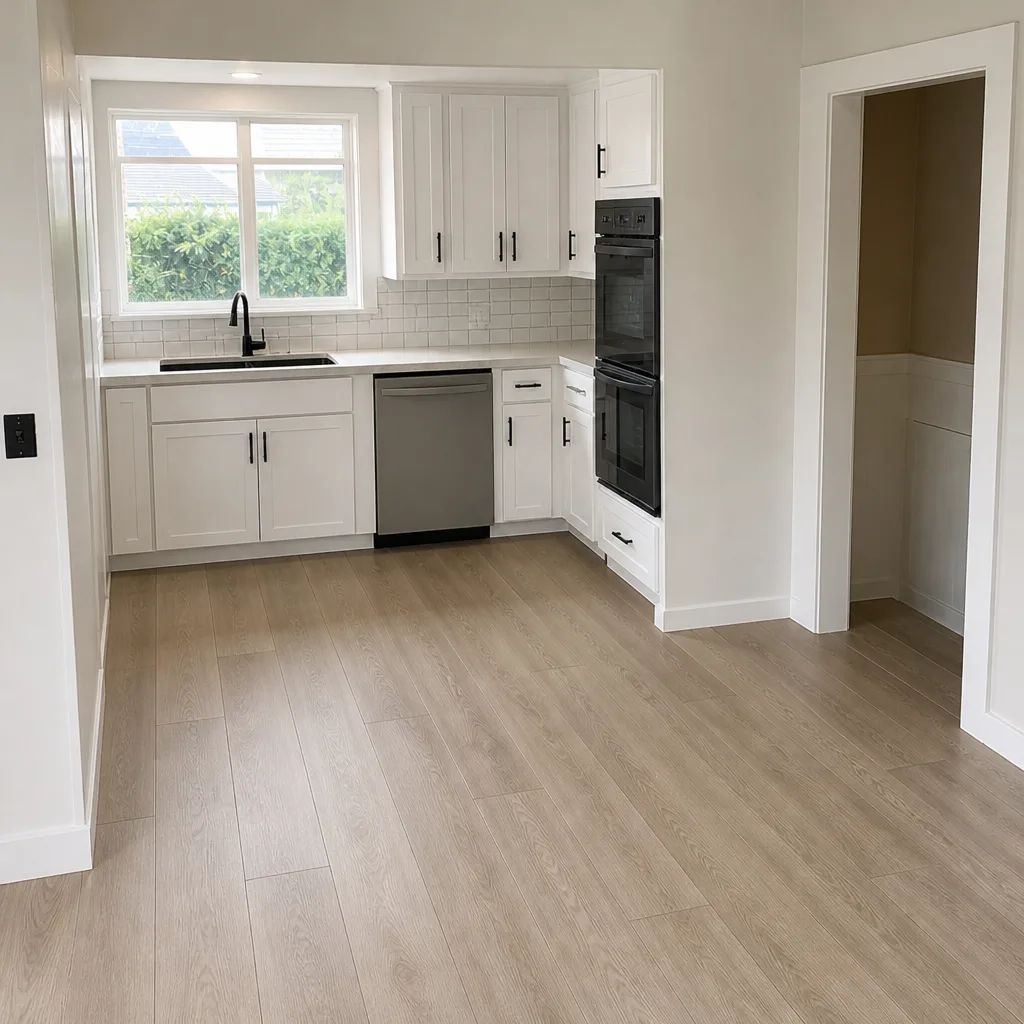 After
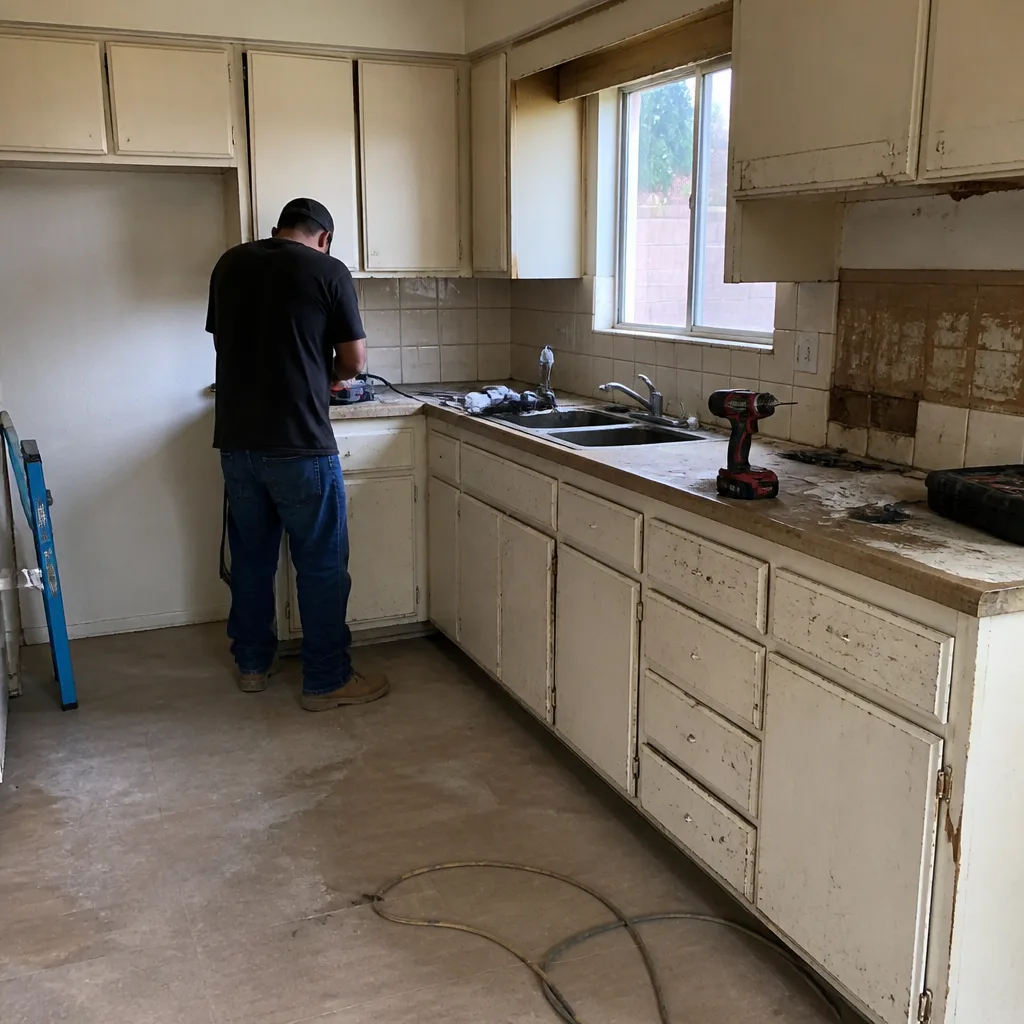 Before
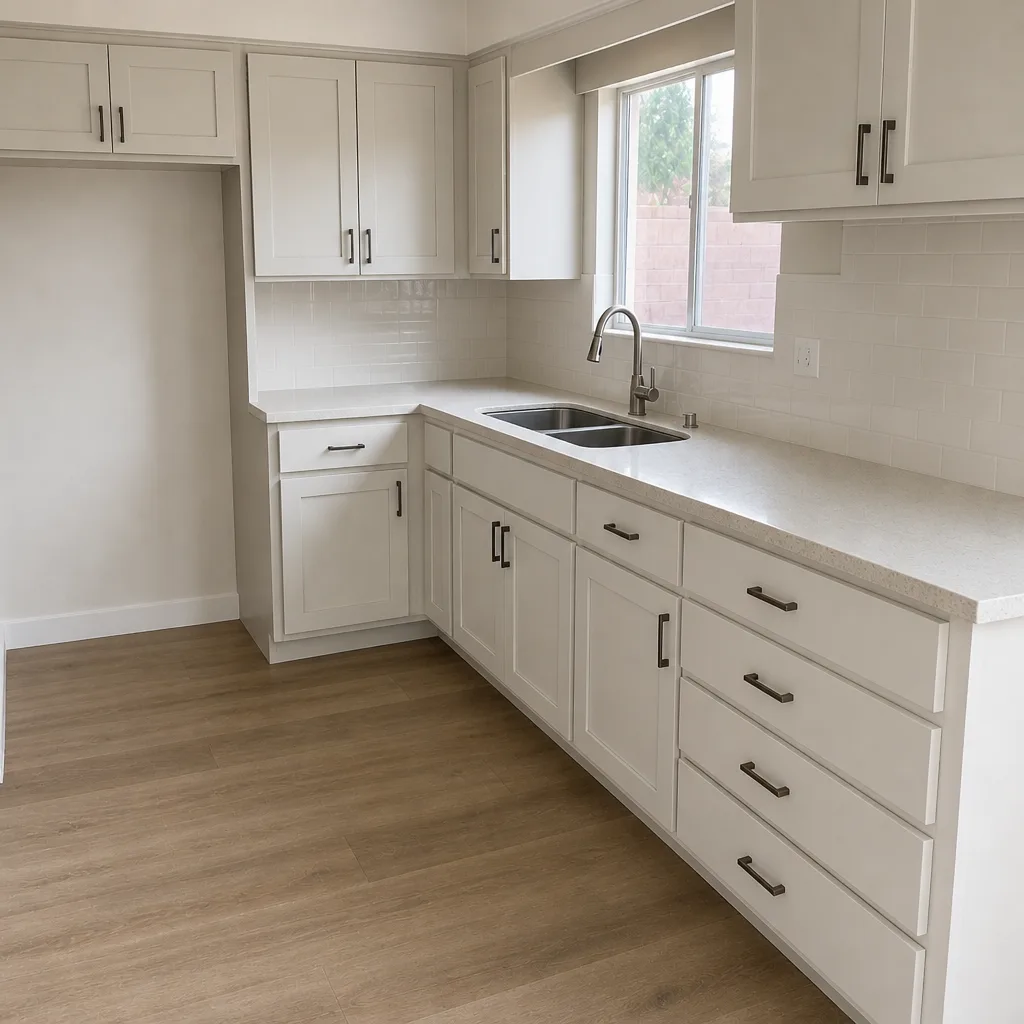 After
When to Call a Professional

Call a professional in Huntington Beach the moment your project touches any of these: electrical work beyond a like-for-like fixture swap, plumbing beyond a faucet or toilet swap, gas lines, HVAC, structural changes, roof replacement, room additions or ADUs, new fence lines, retaining walls over about 4 feet, or driveways. Call when you’ve opened a wall and found something you didn’t expect. Call when you’ve hit a permit line you didn’t plan for. Call when the project has crossed from “weekend” into “months.” And call when you want a written bid to compare against your own DIY cost, because the honest comparison is the one that changes the decision.
Barrett & Sons Construction Huntington Beach offers free estimates in Huntington Beach - call (844) 320-2945. A live person answers, day or night, and every bid arrives as a written scope with allowances and a change-order process spelled out before any work begins. If you’ve got a written estimate from someone else, we’ll give you a free second opinion on it.
Frequently Asked Questions
In California, a homeowner can do limited electrical work on a home they live in - like-for-like fixture and receptacle swaps - but anything beyond that generally needs a permit, and permit electrical work needs a licensed electrician or a licensed general contractor working within scope. Panel work, new circuits, and any wiring inside a wall fall under the licensed-trade threshold. The safe answer for anything beyond swapping a fixture is to call a licensed electrician.
Yes. California’s transfer disclosure statement requires sellers to disclose known unpermitted work or work performed without required permits, and buyers’ inspectors are specifically trained to identify it. The financial outcome is usually a credit to the buyer or a correction paid by the seller before closing, and correction on the way out costs more than doing it right the first time. Call (844) 320-2945 for a free estimate on permitted work done right.
Interior painting, landscaping and planting, minor hardscape like a small paver walkway or fire pit pad, replacing like-for-like fence panels between existing posts, and cosmetic bathroom and kitchen updates are all within homeowner territory. Anything that needs a permit, touches a licensed trade, or moves behind a wall is not. The dividing line is the permit and the licensed-trade exposure, not the difficulty of the work.
Correction work in the Huntington Beach market typically runs 15% to 30% higher than a comparable fresh install. That premium covers the unknown behind the wall, the adjusted sequence, and the liability of signing off on someone else’s work. A bathroom correction, for example, commonly runs $3,000 to $8,000 past the original DIY cost - and the original cost is already sunk.
Replacing like-for-like fence panels between existing posts usually doesn’t need a new permit, but a new fence line, a taller fence, or a shared property line typically does. The Huntington Beach planning department can confirm what your specific neighborhood requires. If the work crosses a permit line, get it permitted - the paper trail is worth more than the inspection cost. Call (844) 320-2945 for a free estimate on permitted fence work.
Depending on scope, a permitted bathroom remodel runs four to eight weeks of construction time, a kitchen remodel runs six to twelve weeks, and a room addition or ADU runs six to twelve months including design and permit review. Coastal zoning overlays in parts of Huntington Beach add review time. The written bid will always include a sequence and a timeline before any work starts.
The Bottom Line

The DIY-versus-hire question in Huntington Beach is not a question about skill. It’s a question about three things: whether California law restricts the work to a licensed contractor, whether the work needs a permit, and whether an unpermitted version of it will follow you to resale. Cosmetic work, landscaping, minor hardscape, like-for-like fence panels, and interior paint are genuinely homeowner territory, and a capable DIYer saves real money there. Electrical, plumbing, gas, HVAC, roofing, structural work, and anything with a permit belongs with a licensed professional, because the resale math eats the savings and the insurance exposure is real. The professional move at any signal is a free second opinion on the written estimate.
If you’re weighing a project in Huntington Beach and you want a real number to compare against your own DIY cost, call Barrett & Sons Construction Huntington Beach at (844) 320-2945 for a free estimate. Written scope, written allowances, permitted work, and a 90-Day Done Right Promise on every completed job.
Written by the team at Barrett & Sons Construction Huntington Beach.