Last updated November 17, 2026
Free written scope consultation - allowances, timeline, and change-order rules on paper before a single trade is scheduled
DIY vs Professional Driveway & Pavers: What’s Safe to Do Yourself
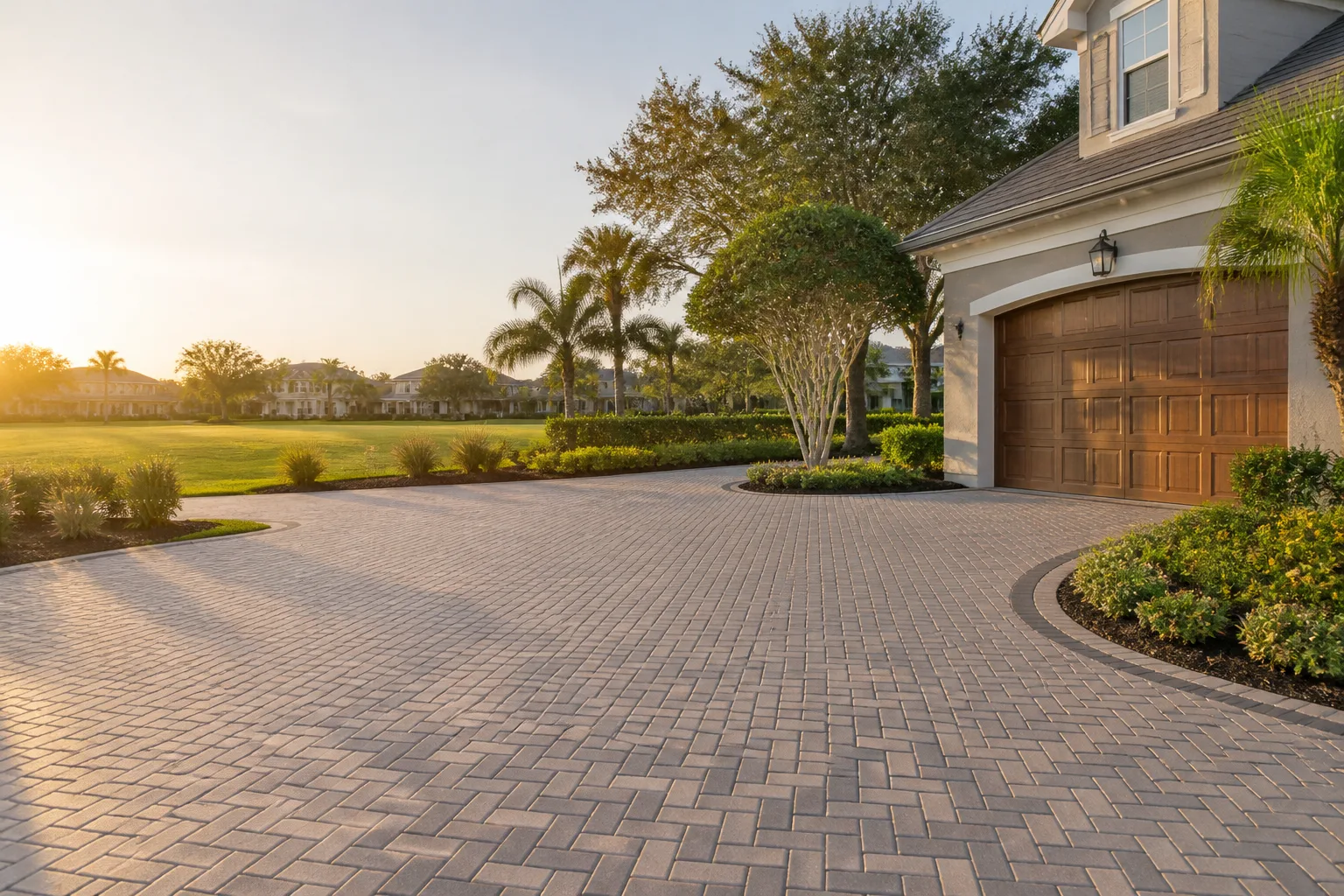
Laying pavers is the satisfying part. You set them, you tap them level, and the pattern appears under your hands. Excavating, grading, and compacting a proper base is the part that determines whether those pavers are still level in five years, and it’s the part most DIYers underestimate by half. The general rule for a Huntington Beach driveway project: a confident homeowner can genuinely handle layout, cutting, polymeric sand, and sealing. Base prep, compaction, drainage grading, and edge restraint are where a weekend attempt quietly turns into a two-month bill. This guide draws that line honestly, with the equipment costs and time math laid out plainly.
Quick Answer
A motivated homeowner can safely handle pattern layout, paver cutting with a rented saw, polymeric sand application, and sealing. Excavation depth, base compaction, grading to drain, edge restraint pinned into concrete, and permit-driven inspection should go to a licensed professional. Get the base wrong and you’ll pay twice: once for the DIY attempt, once to tear it out and start over.
Styles & brands we work with
- Kitchen remodeling
- Bathroom remodeling
- Home additions & ADU
- Roofing
- Windows & doors
- Driveway & pavers
- Fence
Table of Contents
- What DIY tasks are genuinely safe to do yourself
- Where DIY gets risky: the parts that demand equipment and experience
- The honest cost and time math for a two-car Huntington Beach driveway
- Permit reality in Huntington Beach and the drainage liability question
- How to run a hybrid project and save real money
- Common mistakes to avoid
- When to call a professional
- Frequently asked questions
What DIY tasks are genuinely safe to do yourself
We’ve watched plenty of homeowners in Huntington Beach do parts of a paver job well. If you’re reasonably comfortable with tools, take a little time to learn the process, and have a second set of hands, these jobs are within reach:
- Pattern layout. Chalk lines and a tape measure cost almost nothing and save your whole afternoon. Herringbone, running bond, and basketweave all start on paper with a ruler, and you can dry-fit a small section before committing to a full run.
- Paver cutting. A wet saw rents for roughly $65 – $95 per day at any Orange County equipment yard. Cutting is dusty, slow work, but it’s safe and learnable. Wear eye protection and a proper respirator for the silica dust, and cut outside or with heavy ventilation.
- Polymeric sand application. This one is genuinely DIY-friendly if you follow the bag instructions. Sweep the sand into the joints, mist it gently, and let it cure per the label. Do it on a dry day, not the morning of a marine-layer drizzle.
- Sealing. A roller and a pump sprayer make this straightforward. Apply two thin coats rather than one heavy pass, and never seal immediately after rain.
- Small patios and walkways. Under about 150 square feet, on a flat dry site, the math often favors doing it yourself.
For anything larger than a small patio, or for any surface that a car will park on, read on before you rent anything.
Where DIY gets risky: the parts that demand equipment and experience
Every failed paver driveway we’ve been called to look at in Huntington Beach had the same root cause: the base. Either it wasn’t dug deep enough, wasn’t compacted properly, or wasn’t graded so water runs away from the house. Pavers are just the pretty topcoat. The base is the driveway.
Here’s what makes each step genuinely difficult to do right without help:
- Excavation depth. For a paver driveway you need to remove soil to a depth that accommodates the pavers, the bedding sand, and 6 – 8 inches of compacted aggregate base – typically 10 – 12 inches total. That’s cubic yards of material to haul away. A rented mini-excavator plus a dumpster is the usual route, and the learning curve is real.
- Base compaction. A plate compactor is the minimum, and it must be run in the right lifts – usually 2 – 4 inches at a time, watered to the correct moisture. Skipping moisture or lifts leaves a base that will settle under a car’s weight within a season.
- Grading to drain. Pavers must slope away from the foundation at roughly 1 – 2%. That’s about a quarter-inch per foot. This is where DIY driveways most often fail in Huntington Beach, where an afternoon rain event can send water into a garage in fifteen minutes.
- Edge restraint pinned into concrete. The edge restraint holds the paver field together. Without a properly pinned concrete edge, the first car tire will push the pattern apart. This is skilled work.
- Compaction of the finished surface. The final compaction pass after the sand goes in must be done with the right plate and pass pattern, or you’ll crack pavers.
None of these steps is dangerous in the way electrical work is. They’re dangerous to the project budget instead.
The honest cost and time math for a two-car Huntington Beach driveway
Let’s do it honestly. A typical two-car driveway in Huntington Beach runs about 400 to 500 square feet. Here’s the realistic comparison for a mid-grade concrete paver job in Belgard or Techo-Bloc, done the right way.
| Line item | DIY estimate | Pro estimate |
|---|---|---|
| Pavers (400 – 500 sq ft, mid-grade) | $2,000 – $3,500 | $2,000 – $3,500 (same material) |
| Aggregate base material (5 – 7 cu yd) | $400 – $700 | Included in labor |
| Bedding sand, polymeric sand | $300 – $500 | $300 – $500 |
| Edge restraint and pins | $150 – $250 | Included |
| Equipment rental (mini-excavator, plate compactor, wet saw, dumpster) | $900 – $1,500 | Included in labor |
| Labor (3 – 4 people, 3 – 5 days) | Your weekend, plus whatever it costs | $4,000 – $7,000 |
| Permit and inspection (when required) | You pull it, you stand in line | Pulled by contractor |
| Realistic total | $3,750 – $6,450 | $7,000 – $12,000 |
The raw savings look real – $3,000 to $5,500 if everything goes right. Here’s where it doesn’t. A DIY base failure typically shows up in year two or three as dips, rocking pavers, or a wall of water against the garage during a rain. Replacing a failed base and re-laying the same pavers runs $4,000 – $7,000, and you throw the original labor away. That’s how a job that “saved” $4,000 ends up costing $2,000 more than hiring right the first time.
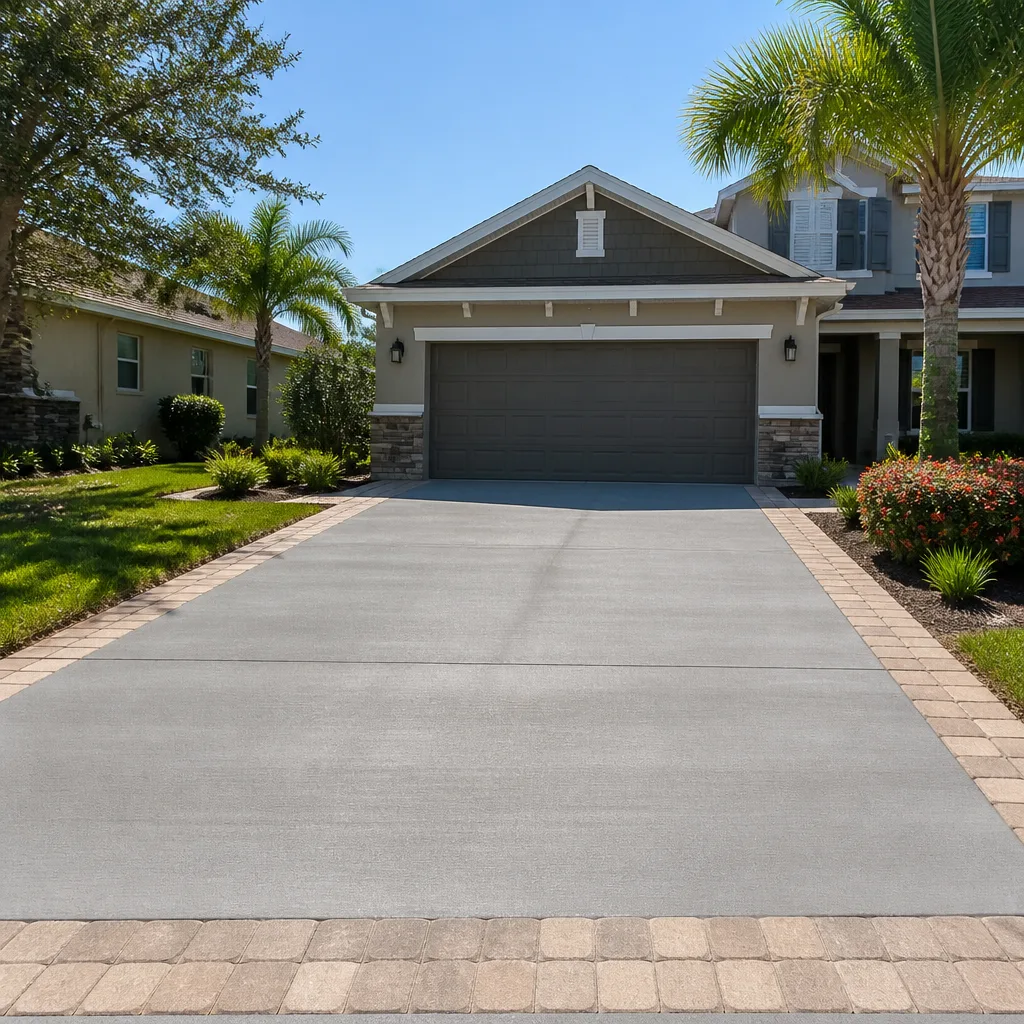
Time math, honestly: a first-timer is looking at 60 to 100 hours over several weekends, plus permit lead time, plus whatever the weather does. A crew of three to five on a Huntington Beach driveway is typically done in three to five working days once the base is signed off. For a proper look at what a finished project costs, see our page on Driveway & Pavers in Huntington Beach.
Permit reality in Huntington Beach and the drainage liability question
Not every paver job in Huntington Beach requires a building permit. Replacing pavers over an existing base, laying a small patio, or a straight repair usually doesn’t. What does trigger a permit: expanding a driveway apron into the public right-of-way, moving or cutting the curb, changing the driveway footprint, or any work that alters how stormwater leaves your property. When the driveway touches the sidewalk or the street, the city wants a look at the plans and you’ll need the apron inspected before it’s closed up.
The liability question is the part nobody talks about. If unpermitted driveway work sends runoff onto a neighbor’s property and damages a foundation or floods a garage, the fact that no permit was pulled becomes a problem for you. Insurance carriers review that question carefully. And a future buyer’s inspector will catch a drainage problem during the sale.
Barrett & Sons pulls permits and gets inspections signed on every eligible job – because the last contractor most customers used told them permits were optional. The permit inspector works for you, not for us. That’s why we like him.
How to run a hybrid project and save real money
This is where we see savvy Huntington Beach homeowners save the most, and it works because everybody does what they’re good at. You handle the labor you can do safely. The contractor handles the base, compaction, grading, edge restraint, and permit.
- Contractor excavates, grades, compacts, and pins the edge. This is the core. It’s also the part an inspector will sign off, and the part your warranty sits on.
- Contractor lays out the field and hands off a fully prepped site. Chalk lines, string lines, and starter course in place.
- You lay the pattern. Get the family involved. This is the satisfying part, and there’s nothing dangerous about it.
- You cut the perimeter pavers and bridge pavers with a rented saw. Follow the chalk lines your crew laid out.
- You sweep and cure the polymeric sand. Same process as a full DIY job, but the base is right.
- Contractor returns for a final inspection pass, then you seal. The contractor signs off on base and edge, you finish surface sealing.
Done this way, a homeowner can realistically save $2,000 – $3,500 on the project without touching the parts that decide whether the driveway is still flat in five years. It’s the version of a driveway project we recommend for anyone who wants to be involved without risking the base.
If your project grows to include fencing or other hardscape, our pages on Fence Installation in Huntington Beach follow the same permit-and-base-first logic.
Equipment, brands, and materials that actually matter
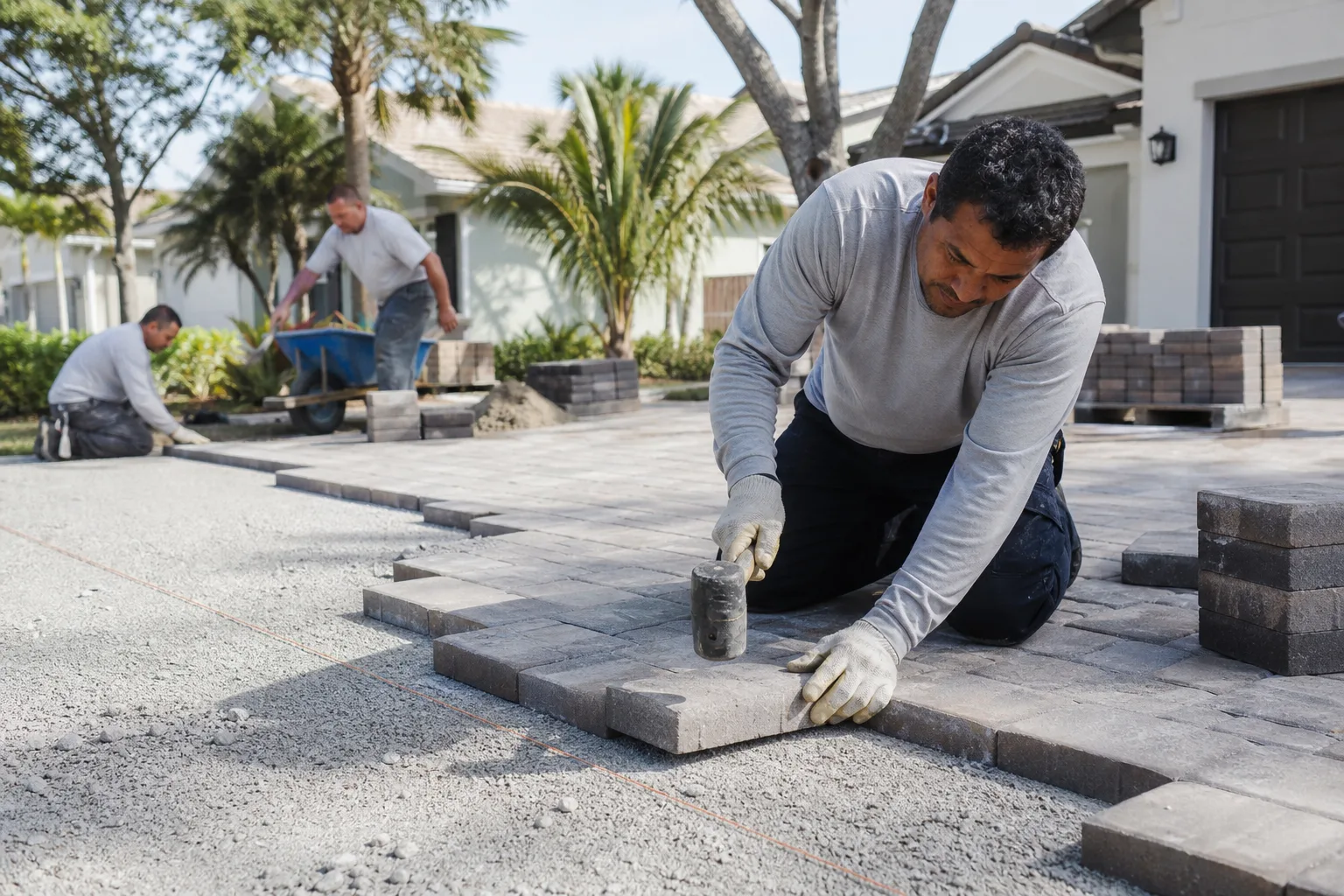
If you’re going hybrid or having the whole job done, the material matters as much as the labor. We install and specify Belgard and Techo-Bloc hardscape for driveways and patios because the color-through pigmentation holds up to UV, the dimensional tolerances are tight enough for a proper herringbone, and if a paver chips in year seven you can actually find the color and pattern again. Mystery brands off a van are the opposite problem: color patches fade and there’s no replacement source.
For DIY equipment, rent from a yard that will show you how to run the machine before it leaves the gate. A plate compactor with the wrong plate weight will marr your pavers, and a mini-excavator without a proper tip-over talk is more machine than most homeowners need. Budget $900 – $1,500 for the equipment package on a two-car driveway, and don’t skimp on the respirator for silica dust.
Bathroom and kitchen choices in a home renovation often sit next to these hardscape projects – if you’re coordinating a whole exterior refresh, our pages on Barrett & Sons Construction Huntington Beach home and Home Additions & ADU in Huntington Beach cover the interior and addition side. And if a remodel brings bathroom fixtures into the mix, brands like Delta and Toto are the ones we specify by name for a reason.
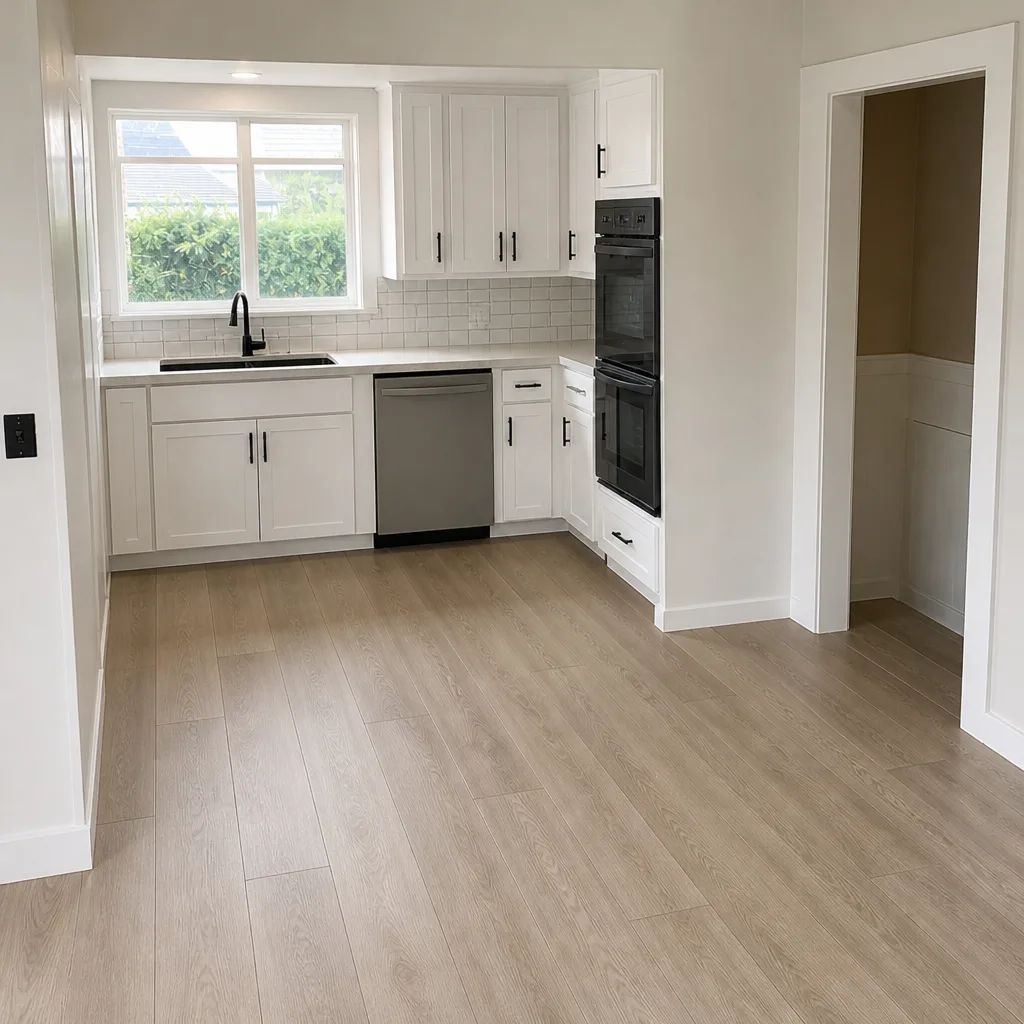
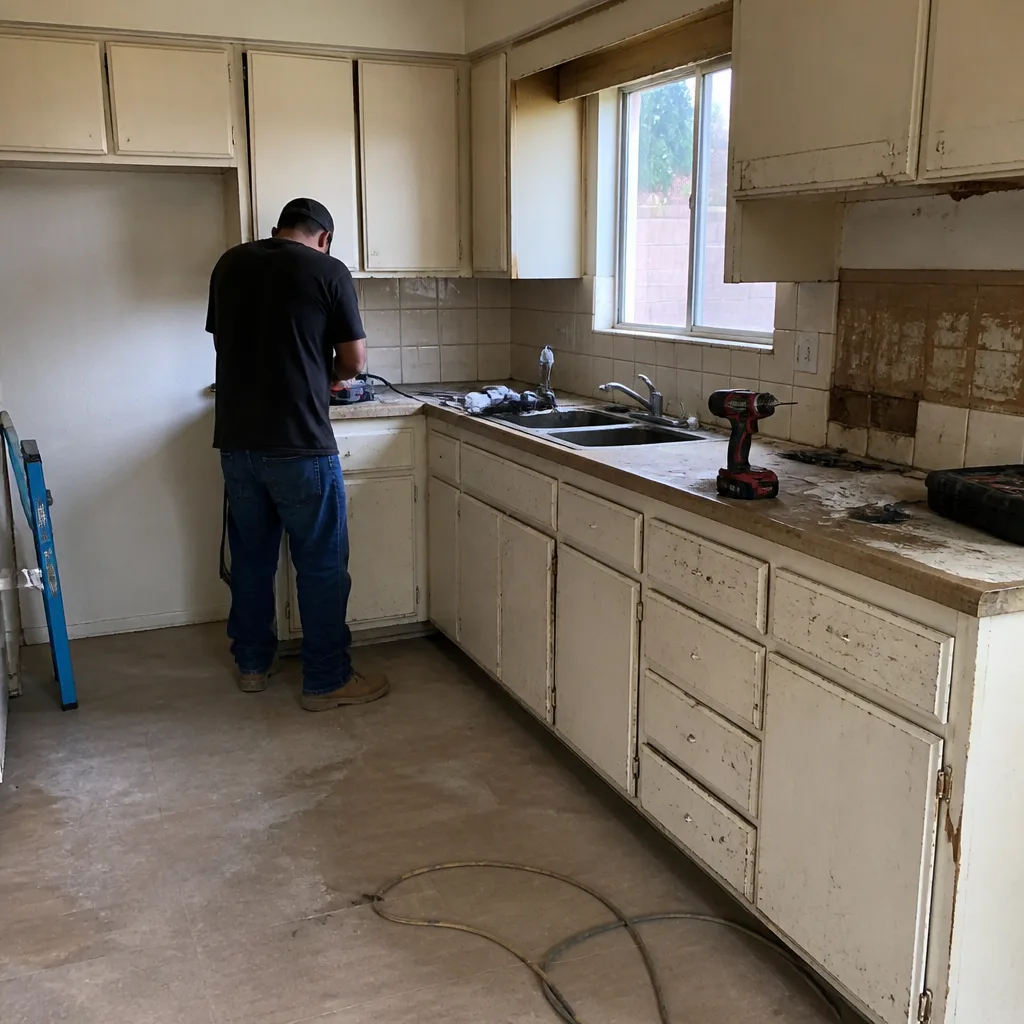
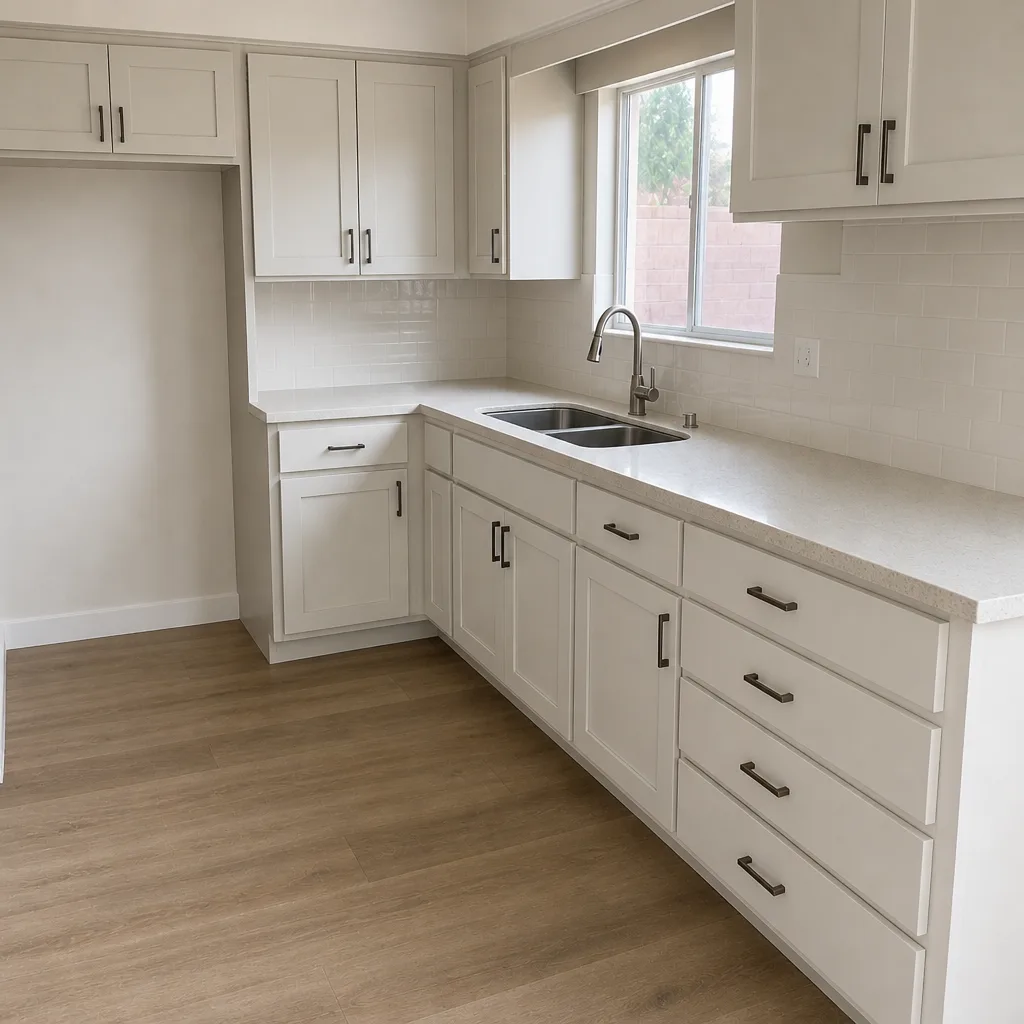
See the difference
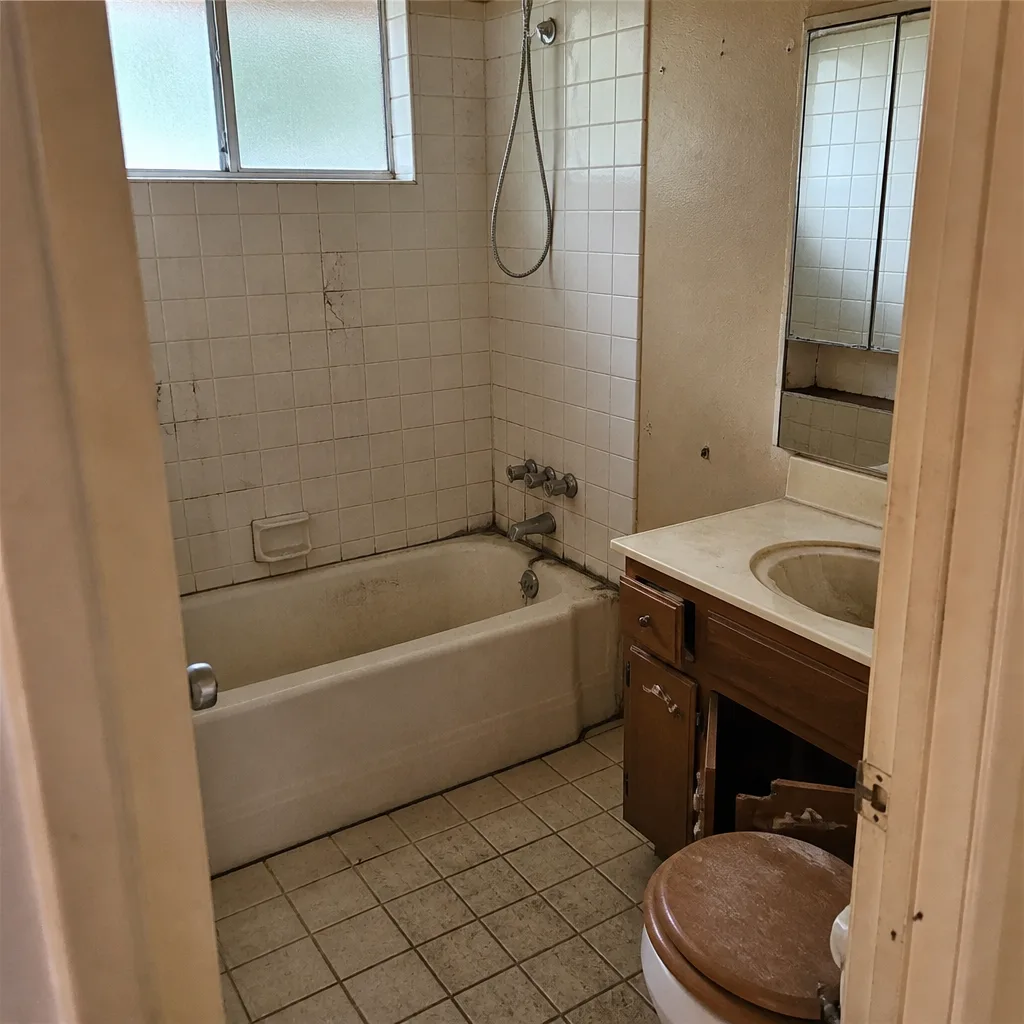 Before
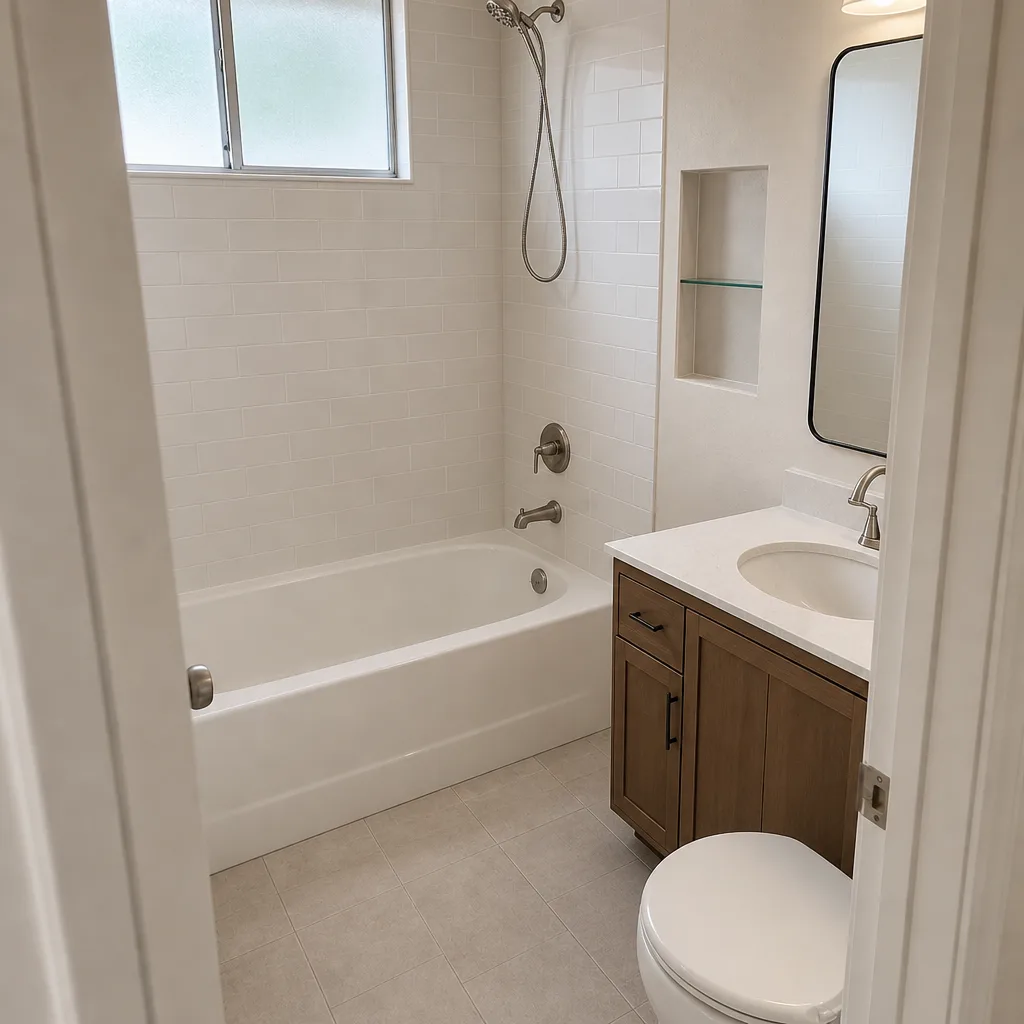 After
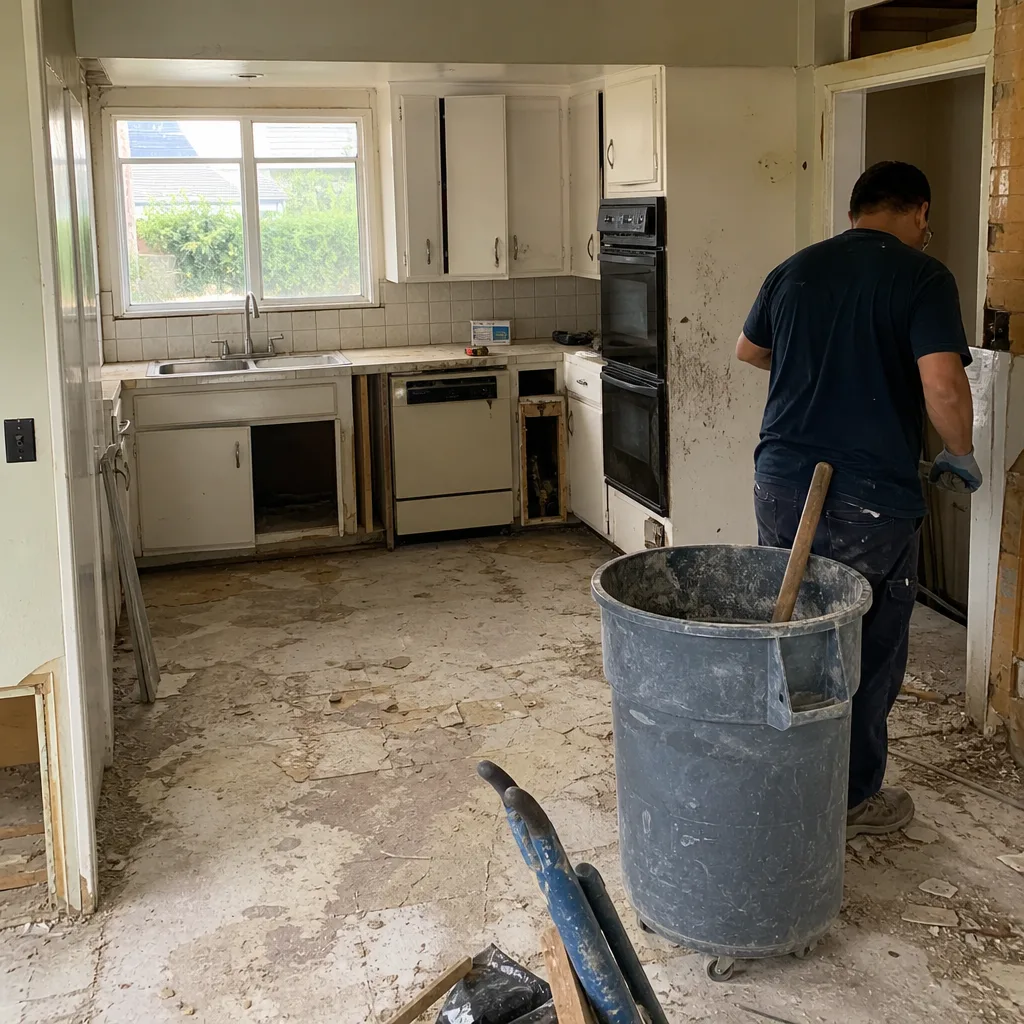 Before
 After
 Before
 After
How long will it take, honestly?
For a first-time DIYer doing the whole job, plan on 6 to 10 working weekends between prep, base, layout, cutting, sanding, and sealing, plus permit lead time. If something goes wrong with the base – and about half the time it does on a first attempt – you can add weeks. A hybrid project typically runs 3 to 5 working days of crew time plus your own weekends on the paver field. A full professional install is 3 to 5 working days from the day the base is signed off. Weather in Huntington Beach is the friendliest in Southern California, but that marine layer in May and June means a haze that can delay polymeric sand curing more than you’d expect. Watch the calendar, not just the forecast.
Common Mistakes to Avoid
- Skipping excavation depth. Cutting corners on base depth to save a rental day is the single most common failure we see on Huntington Beach driveways. It works for six months and then starts rocking.
- Compacting in too-thick lifts. A garage-sale plate compactor run over 6 inches of base does almost nothing. Lift in 2 – 4 inch layers, wet the material, and walk the passes.
- Ignoring the slope. A driveway graded flat instead of away from the house is a flood waiting for the first real rain. That’s about a quarter-inch fall per foot, and it needs to be checked with a level, not eyeballed.
- Using paver sand instead of polymeric in the joints. Plain sand washes out on a Huntington Beach marine-layer drizzle. Polymeric sand cures hard and stays in.
- Not pinning the edge into concrete. Plastic edge restraint without concrete embedment is decorative. It won’t hold a car’s weight.
- Skipping the permit on right-of-way work. The city will charge you to tear out and redo the apron. That’s an expensive way to learn the rule.
- Sealing too soon after sand. Give polymeric sand the full cure window the label calls for, or the sealer traps moisture and you get a white haze that won’t scrub off.
When to Call a Professional
Call a licensed professional when any of these are true: the driveway sits over 400 square feet, the driveway touches the sidewalk or street and needs a permit, the site has clay soil or a history of drainage problems, you want the base and edge restraint done right on the first try, or your time is worth more than the rental-day math. That last one is real – if 80 hours of paid time is worth more than the crew’s labor line, the DIY savings disappear. Barrett & Sons Construction Huntington Beach offers free estimates in Huntington Beach with written line-item quotes, no change orders without your signature, permits pulled and inspections signed. Call (844) 320-2945 to schedule yours.
Frequently Asked Questions
You can install the paver field yourself – layout, cutting, polymeric sand, and sealing are all learnable. What you shouldn’t DIY is the excavated base, the compaction, the grading to drain, and the edge restraint pinned into concrete. Those decide whether the driveway is still level in five years.
Plan on $7,000 – $12,000 for a professional two-car paver driveway in Huntington Beach, mid-grade Belgard or Techo-Bloc, all-in with permits if required. A confident DIYer’s materials-and-rental cost runs $3,750 – $6,450, before the risk of redoing the base. Call (844) 320-2945 for an exact quote on your driveway – estimates are free.
Not always. Replacing pavers over an existing base and small patios usually don’t require a permit. Any work touching the sidewalk, the apron, the curb, or changing the driveway footprint does, and so does anything that alters stormwater runoff. When in doubt, call the city before you dig.
The liability falls on you. Your insurer will look hard at the missing permit, and a future buyer’s inspection will surface a drainage problem during a sale. That’s why we pull permits and get inspections signed on every eligible job.
Yes, and it’s the smart version of DIY. A hybrid project – contractor for base, compaction, grading, edge restraint, and inspection; homeowner for paver field, cutting, sand, and sealing – saves $2,000 – $3,500 on a two-car driveway without touching the parts that decide whether it lasts. Call (844) 320-2945 to talk through a hybrid scope.
Not on our jobs without your signature. Every scope, allowance, and price change arrives as a written change order before any work moves forward. An allowance that isn’t on paper is a surprise waiting for a date. Our 90-Day Done Right Promise is written on every contract, too – if something isn’t right, one call brings us back.
The Bottom Line
Laying pavers is safe to DIY. The base beneath them isn’t a good place to learn. Do your own pattern layout, rent a wet saw, sweep polymeric sand, and seal it yourself if that’s satisfying – it is, and the finished result is yours. Hand off excavation depth, compaction, grading, and pinned edge restraint to a licensed crew, and pull the permit if the job touches the public right-of-way. Budget honestly: DIY saves $3,000 – $5,500 on paper and can cost that back if the base fails. A hybrid project captures most of the savings without the risk. If you want a written scope and a written price to compare against, that’s what we do. Call (844) 320-2945 – a live person answers 24/7, and Barrett & Sons Construction Huntington Beach pulls every permit the job needs.
Written by the team at Barrett & Sons Construction Huntington Beach.