Last updated November 17, 2026
Free written scope consultation - allowances, timeline, and change-order rules on paper before a single trade is scheduled
Choosing the Right Construction Brand: A Buyer’s Guide for Huntington Beach
Two roofing shingles can leave the same factory, carry the same 30-year warranty headline, and behave nothing alike eight blocks from the water in Huntington Beach. One is built for inland heat and one is built for salt air and UV, and the warranty fine print is where that difference hides. The sales sheet won’t tell you. Most reps won’t either. This guide will. You’ll learn which product attributes actually matter in coastal Southern California, how to read a warranty document for the exclusions that erase coverage near the ocean, why the same brand can mean two very different products, and the one question that separates a contractor who knows materials from one buying on price.
Quick Answer
The “best” construction brand in Huntington Beach isn’t a logo, it’s a specific product line matched to coastal conditions: UV-rated, salt-air-rated, and correctly installed. A premium brand name on an entry-level product line performs no better than a mid-grade product, and coastal warranty exclusions can void coverage on materials that looked fine on paper. Judge brands by tier and warranty language, not by reputation alone.
Styles & brands we work with
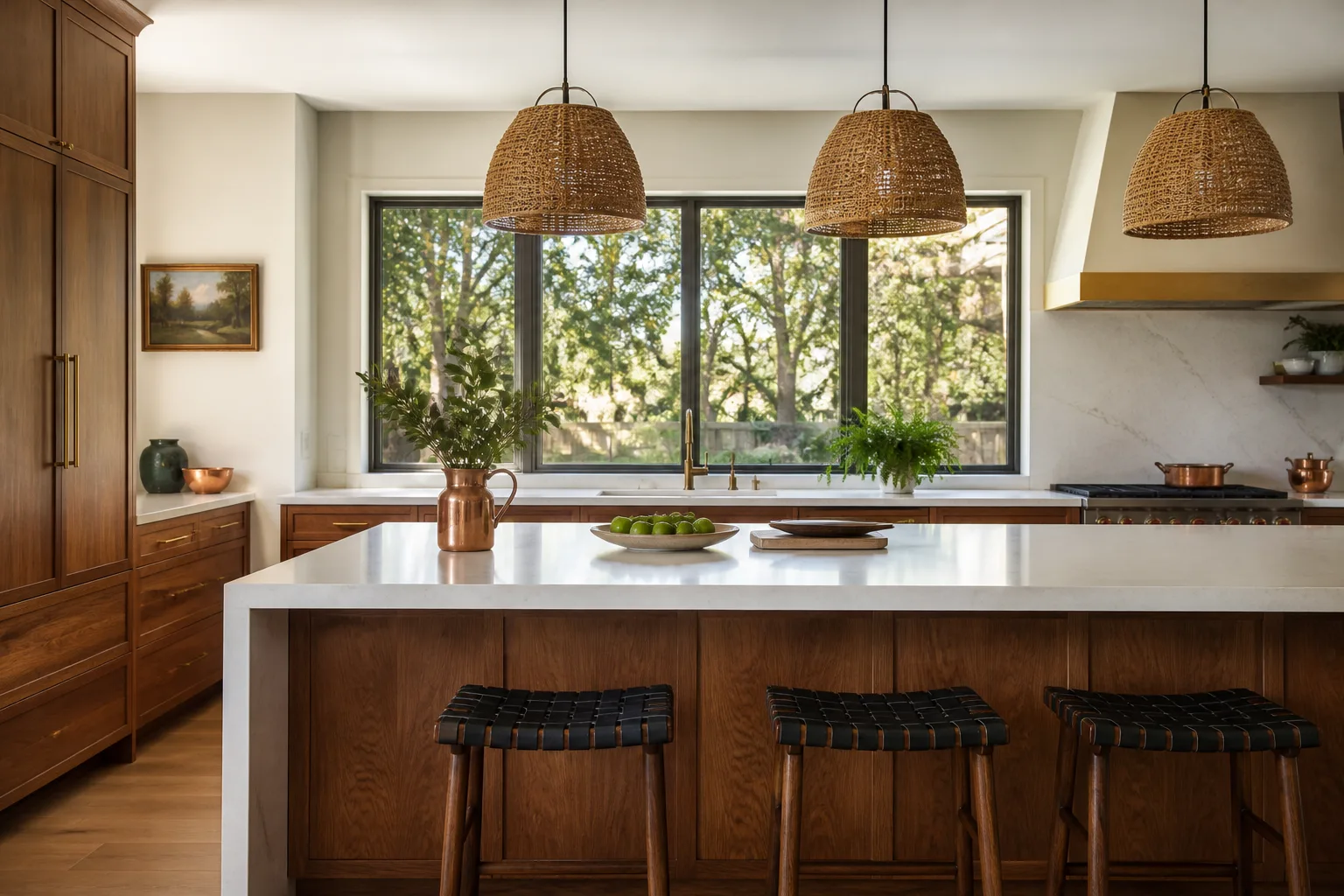
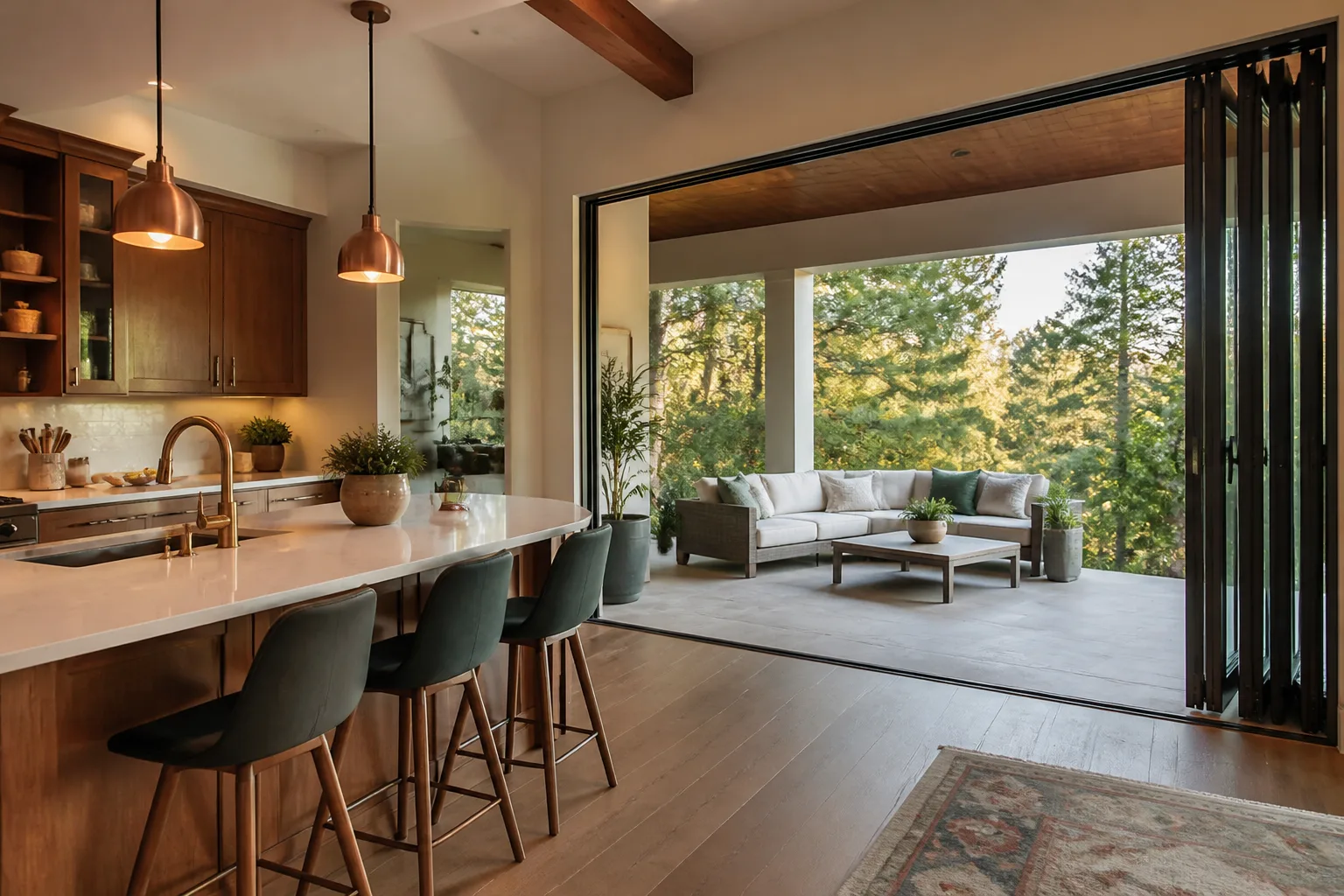
- Kitchen remodeling
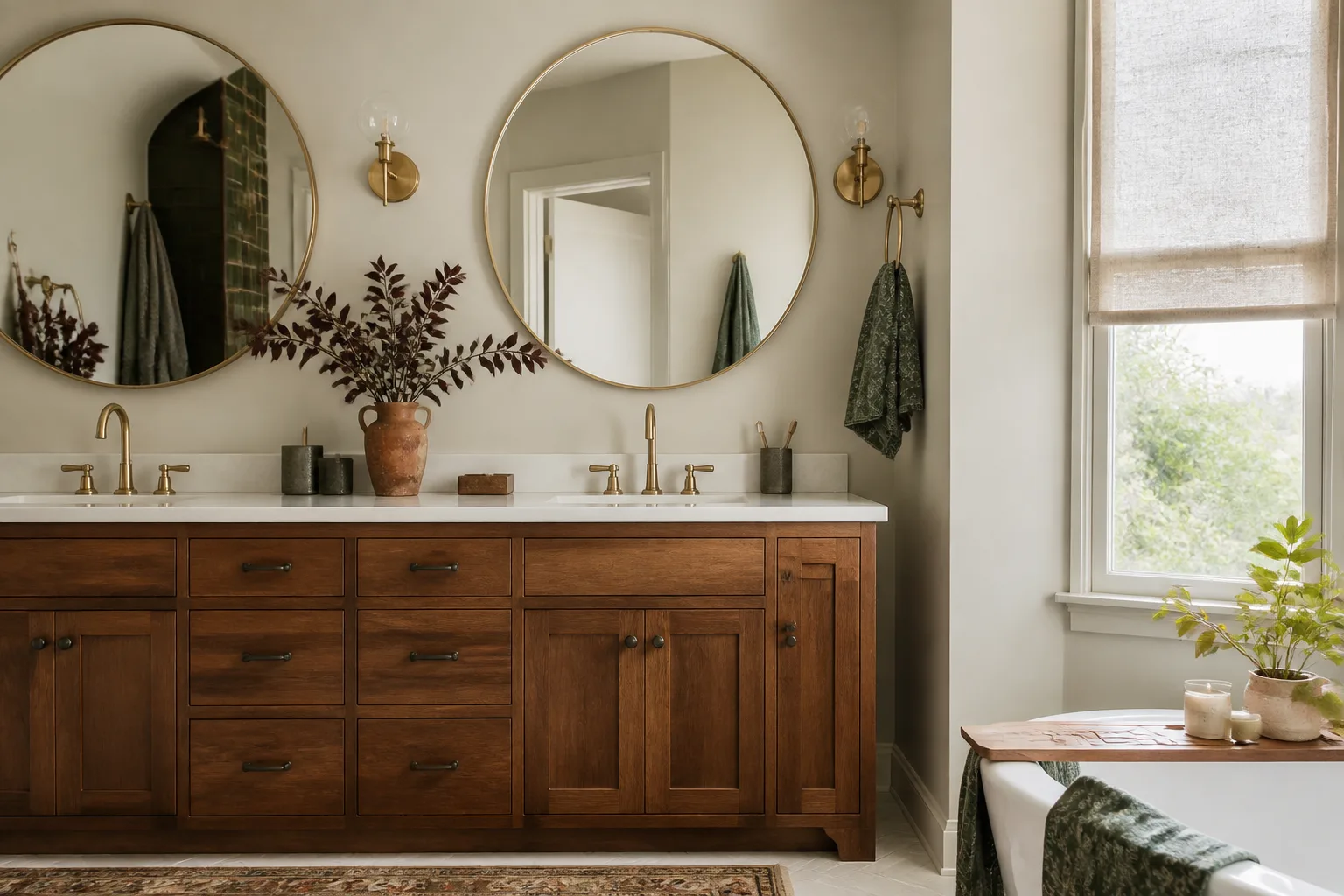
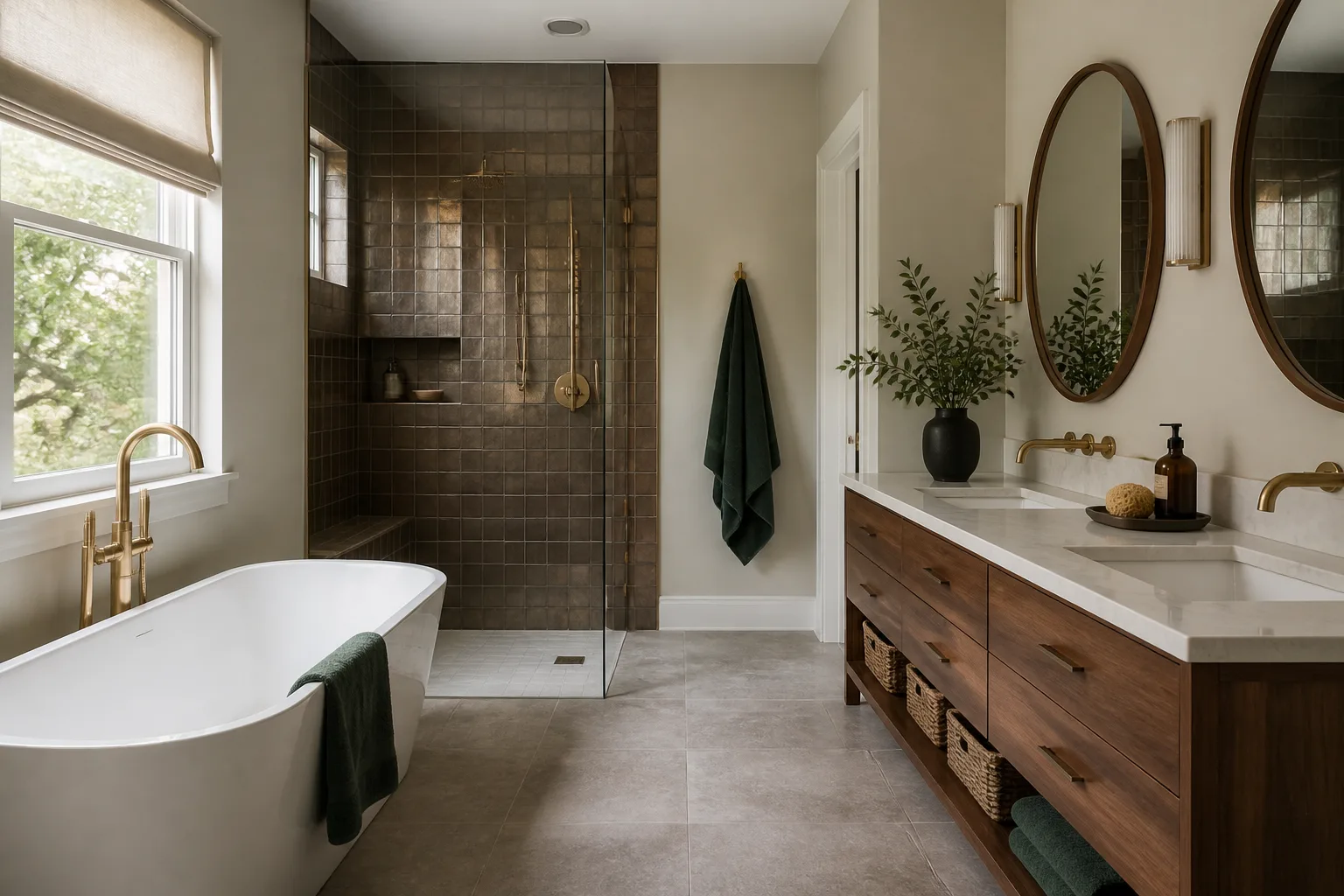
- Bathroom remodeling
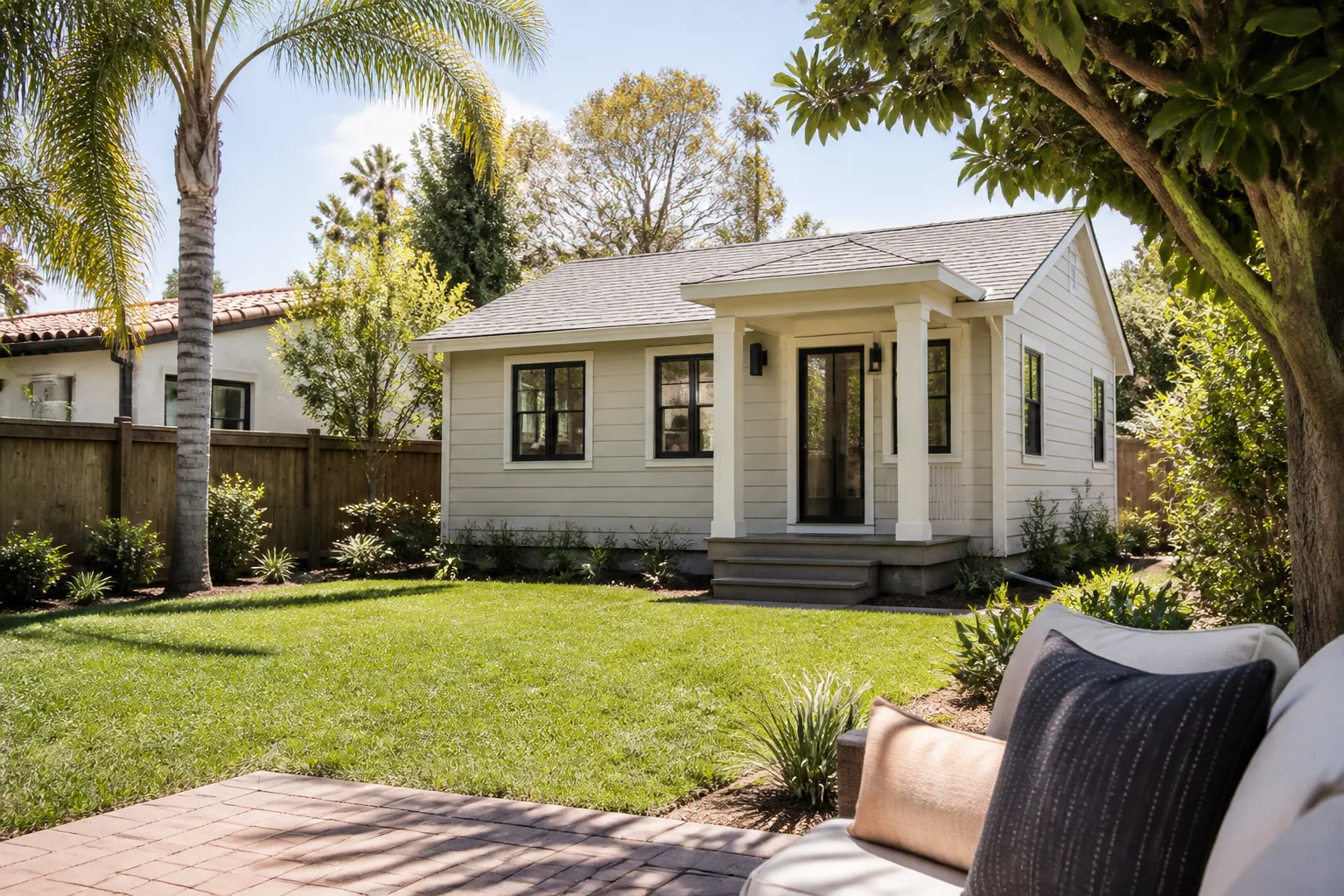
- Home additions & ADU
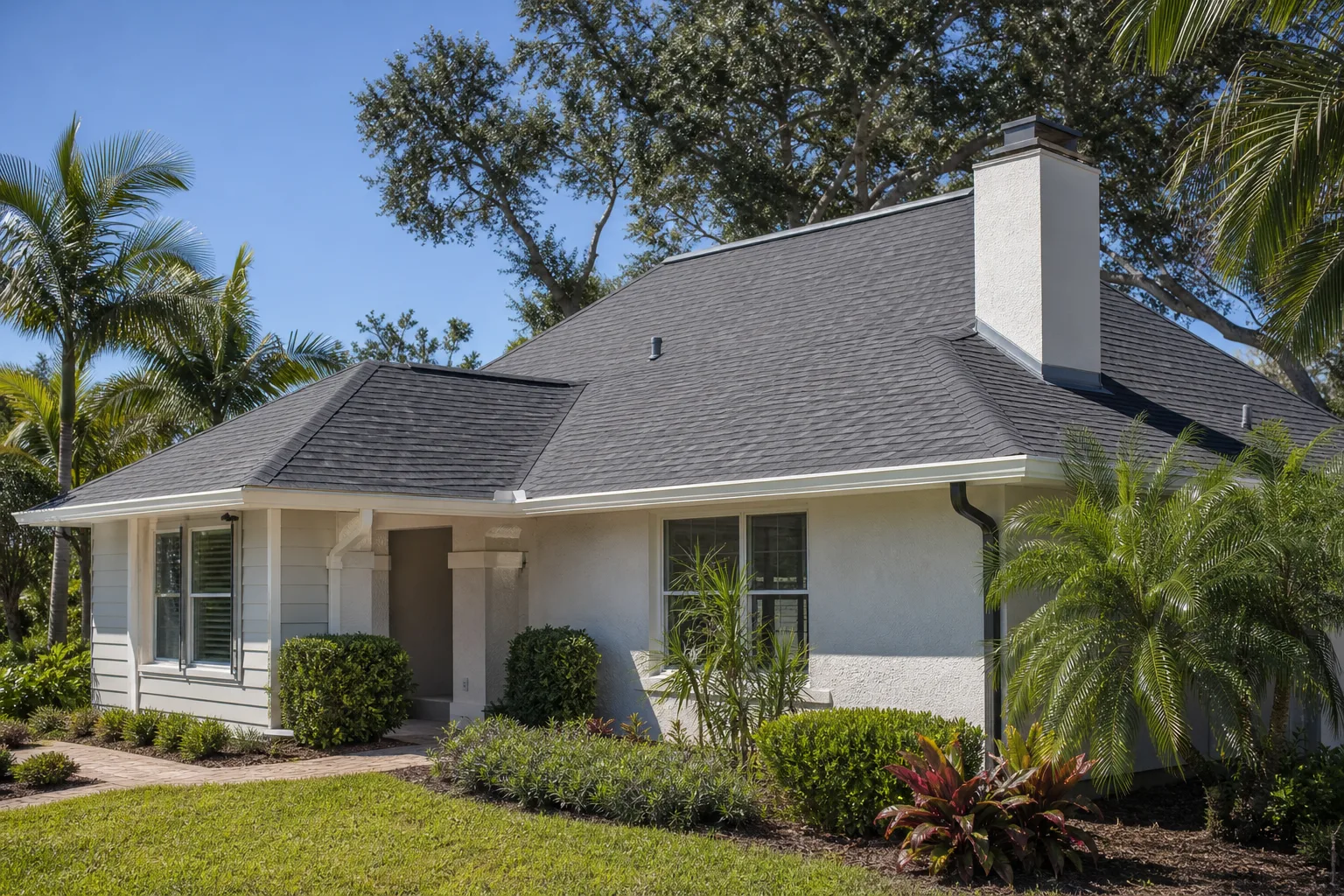
- Roofing
- Windows & doors
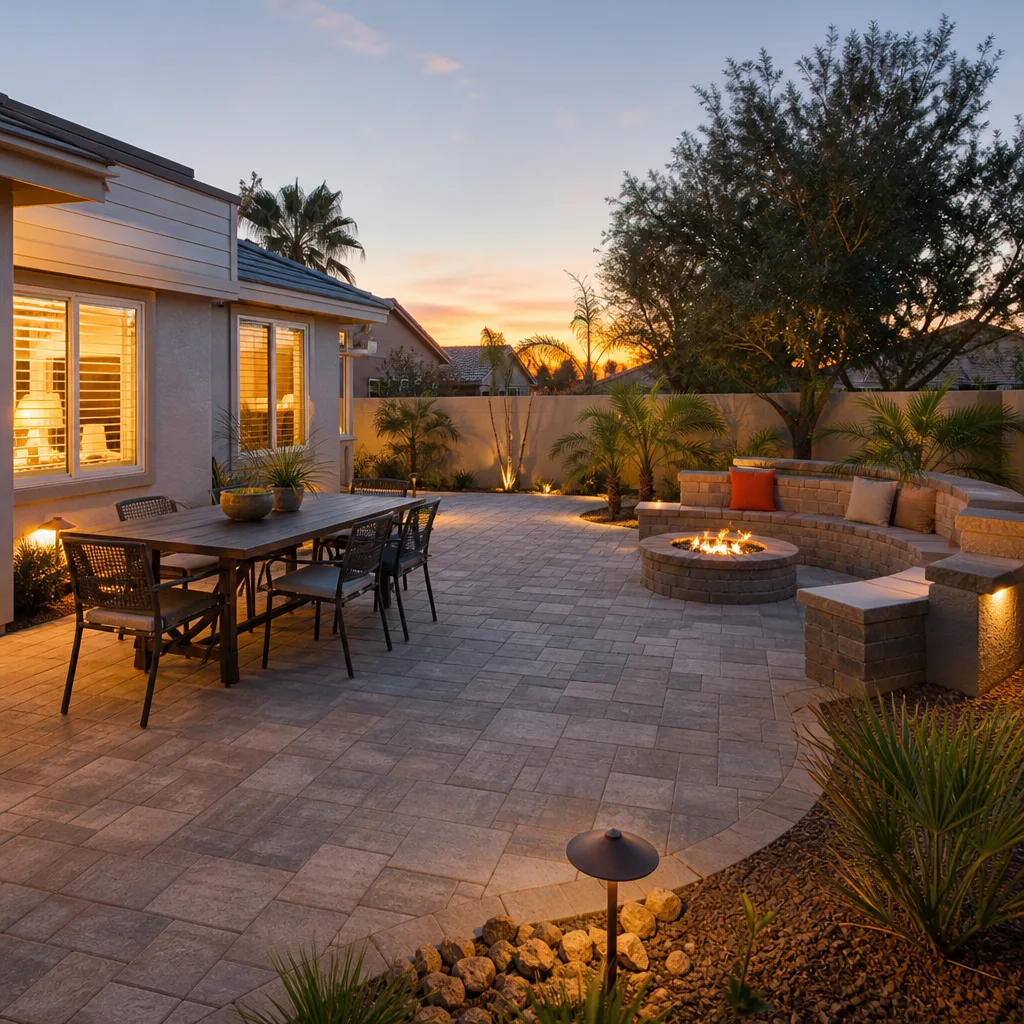
- Driveway & pavers
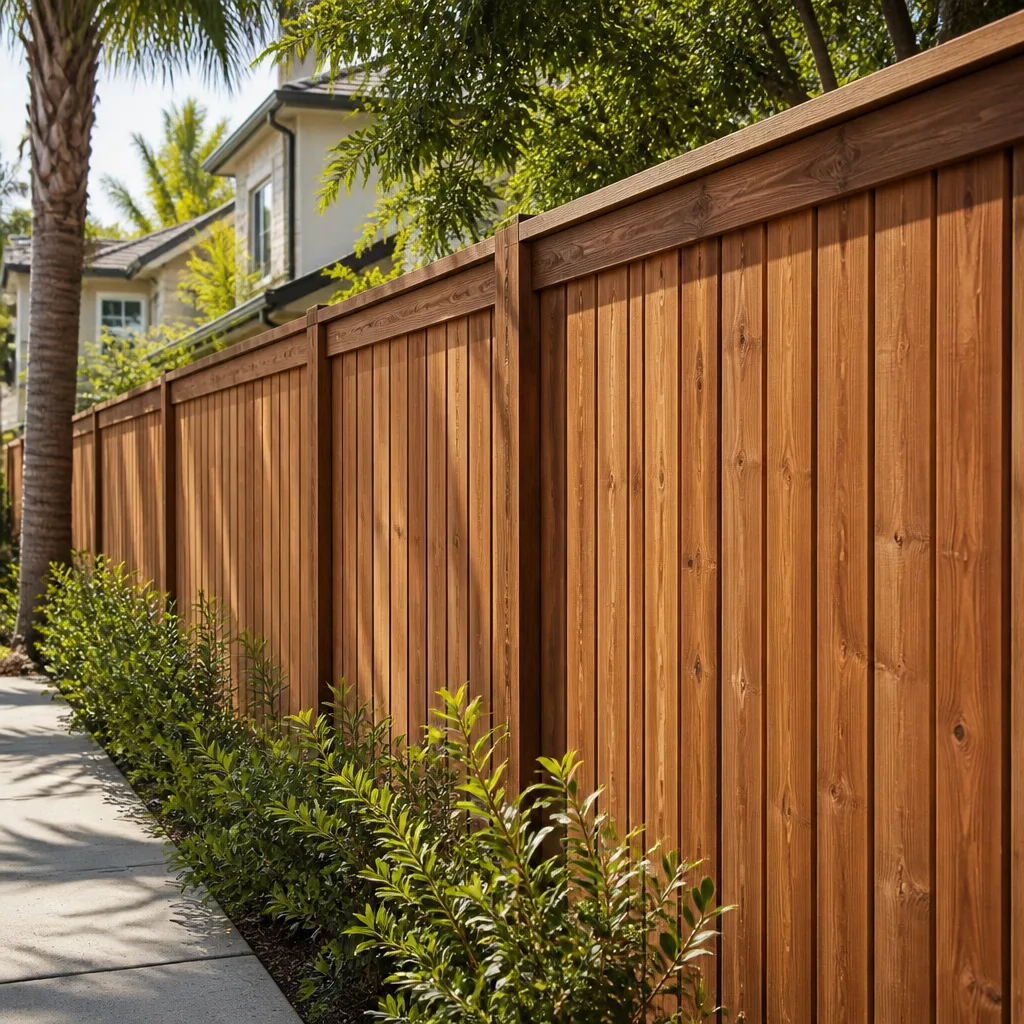
- Fence
Table of Contents
- What Actually Matters in a Coastal Climate
- How to Read a Manufacturer’s Warranty Like a Contractor
- Why Brand Alone Doesn’t Guarantee Quality
- Where Premium Brands Pay Off and Where Mid-Grade Is Fine
- The One Question That Separates Good Contractors
- Permits, Inspections, and Why They Protect Your Investment
- Hardscape and Fence Brands: A Closer Look
What Actually Matters in a Coastal Climate
Huntington Beach sits in a marine layer belt. Morning fog, salt spray carried on afternoon onshore wind, and UV that bounces off the water and sand all hit your roof, siding, windows, and fasteners harder than they hit a house ten miles inland in Westminster. Temperature swings between a cool 60-degree morning and a warm 80-degree afternoon cause materials to expand and contract daily, and that cycling is what opens seams, cracks caulk, and loosens fasteners over time. Here’s what to look for on the spec sheet.
- UV resistance ratings. Look for ASTM testing for color fade and material degradation under UV exposure. A product rated for high-sun exposure holds color and flexibility longer than one built for moderate climates. On exterior coatings and window frames, UV stability is the single biggest longevity factor.
- Salt-air corrosion ratings. Metal fasteners, flashing, and hardware should be rated for coastal or marine environments. Stainless steel or hot-dip galvanized fasteners cost more and last years longer than standard electro-galvanized. Cheap fasteners rust first, and rusted fasteners fail silently behind a wall.
- Thermal expansion tolerance. Products with tighter expansion tolerances handle the daily warm-cool cycle without buckling or pulling. Vinyl and composite materials vary widely here; the spec sheet tells you.
- Wind and moisture ratings. Huntington Beach gets Santa Ana wind events and marine moisture. Roofing and windows should meet or exceed local wind-load requirements, and moisture barriers need to breathe correctly for the climate.
When we look at a product for a Huntington Beach home, these four attributes matter more than the badge on the box. A brand that ignores them in its lower product lines is selling you a name, not performance.
How to Read a Manufacturer’s Warranty Like a Contractor
A warranty is a contract, and contracts have exclusions. The headline (30 years, 50 years, lifetime) is marketing. The exclusions are the truth. Two products from the same maker can carry identical warranty lengths and completely different coastal coverage, because one excludes salt-air and marine environments and the other is rated for them. Read the exclusions before you sign anything.
- Find the coastal exclusion. Search the document for “coastal,” “marine,” “salt,” and “saltwater.” Many warranties reduce or void coverage within a set distance of the ocean. If your Huntington Beach address falls inside that zone, the headline warranty may not apply the way you assumed.
- Separate material warranty from installation warranty. The manufacturer covers the product. Someone has to cover the labor and the way it was installed. A 50-year material warranty means little if a leak at year three is blamed on installation and nobody stands behind the install. Ask for the installation warranty in writing.
- Check the color-fade clause. Some warranties cover fading, some exclude it, some prorate it heavily in the first years. In a high-UV coastal climate, fade coverage is real coverage.
- Look at the transferability. A warranty that transfers to the next owner adds resale value. One that dies with you doesn’t.
- Watch the maintenance requirement. Many warranties require documented maintenance. If you can’t prove it, coverage can be denied. Ask what proof the manufacturer expects.
The permit inspector works for you, not for the contractor. The warranty document works the same way, if you read the fine print before the job, not after.
Why Brand Alone Doesn’t Guarantee Quality
Most big manufacturers build two or three product lines: an entry-level tier, a mid-grade tier, and a premium tier. The brand name is the same on all three. The difference is in material thickness, fastener quality, coating formulation, and warranty terms. A contractor can spec the entry tier of a premium brand and honestly tell you the brand name, without telling you which tier he ordered.
That’s the gap you close by asking questions. In our experience, the tier matters more than the brand. A mid-grade product from a maker that builds to coastal standards will outperform an entry-level product from a brand with a bigger advertising budget. The paperwork should show the exact model and product line, not just the brand. If it doesn’t, ask for it in writing before work starts. Scope in writing, allowances in writing, change orders in writing. That’s the standard we hold ourselves to, and it’s the standard you should ask of anyone.
This is also why we’re careful about what we put on a Huntington Beach home. KraftMaid and Cambria in kitchens, GAF and CertainTeed on roofs, Andersen and Marvin on windows, Belgard and Techo-Bloc on hardscapes. These are materials you can look up, not mystery brands off a van, and we’ll tell you exactly which line within each brand we’re specifying and why.
Where Premium Brands Pay Off and Where Mid-Grade Is Fine
Not every category deserves the top shelf. In a coastal Southern California home, some materials age faster under UV and salt, and others aren’t stressed enough for the premium tier to matter. Here’s how we think about it.
Spend on premium here
- Roofing. A coastal roof takes the full brunt of UV, salt air, and thermal cycling. Premium lines from GAF and CertainTeed are rated higher for coastal exposure and hold their color and granular bond longer. This is where cutting the tier costs you years of service life.
- Exterior coatings and paint. UV-rated coatings resist chalk, fade, and peeling far better near the beach. The premium line is worth the upcharge in Huntington Beach.
- Fasteners and flashing. Coastal-rated stainless or hot-dip galvanized hardware is not optional near the ocean. Hidden rust is the most expensive failure to fix.
- Windows. Andersen and Marvin premium lines offer better frames, better thermal seals, and coastal-rated hardware. In a home exposed to marine moisture and salt, the difference shows up in condensation, drafts, and frame degradation.
Mid-grade is genuinely enough here
- Interior trim and millwork. Away from UV and salt, a solid mid-grade product performs well for decades if it’s installed right.
- Interior paint. The premium tier helps, but installation prep (sanding, priming, two coats) usually matters more than the can.
- Standard cabinetry hardware and shelving. Good mid-grade holds up in a kitchen or bathroom; the premium tier mostly buys style and finish options.
The takeaway: match the tier to the exposure. A brand name on a low-exposure surface doesn’t need to be premium. On a high-exposure surface near the water, it does.
The One Question That Separates Good Contractors
Here’s the question to ask every contractor who gives you a bid: “Which product line within that brand are you specifying, and why that line for my conditions?” That’s it. The answer tells you everything.
A contractor who knows materials can tell you the exact line, why it fits Huntington Beach’s marine exposure, what the warranty says about coastal coverage, and what the alternative tier would cost and how it would perform. A contractor buying on price will say the brand name and nothing else, or get vague. The same question works for roofing, windows, kitchens, driveways, and fences. If the answer is “it’s a good brand,” that’s not an answer.
Ask for the line in writing on the estimate. If the spec changes after you sign, that’s a written change order before the nail moves. An allowance that isn’t on paper is a surprise waiting for a date. A brand that isn’t specified to a product line is a surprise too.
Permits, Inspections, and Why They Protect Your Investment
The best material in the world is wasted if it goes on over a bad deck, a wrong flashing detail, or a missing moisture barrier. That’s why the paper matters as much as the brand. Permits pulled and inspections signed on every eligible job put an independent set of eyes on the work. The inspector works for you, not for the contractor, and that’s the point.
The last contractor most homeowners used told them permits were optional. They weren’t. In Huntington Beach, roof replacements, additions, and many structural changes require permits, and skirting them can cost you at resale or when you file a claim. Ask before the job starts: “Are you pulling the permit, and will the inspection be signed?” A contractor who flinches at that question is telling you something.
For bigger scopes like Home Additions & ADU in Huntington Beach, permits and inspections are where the real quality control lives. Same for a full Driveway & Pavers in Huntington Beach job, where base prep under the pavers is what determines whether the surface heaves or holds.
Hardscape and Fence Brands: A Closer Look
Driveways and fences get hit by UV, salt air, and temperature swings too, and the brand tier question applies here as well. On hardscapes, premium lines from Belgard and Techo-Bloc cast thicker, denser units with tighter dimensional tolerances and better color-through technology, which resists fade and efflorescence near the coast. Base prep under the pavers still matters more than the paver brand; a premium paver over a thin base will fail, and a mid-grade paver over a properly compacted base will hold for years.
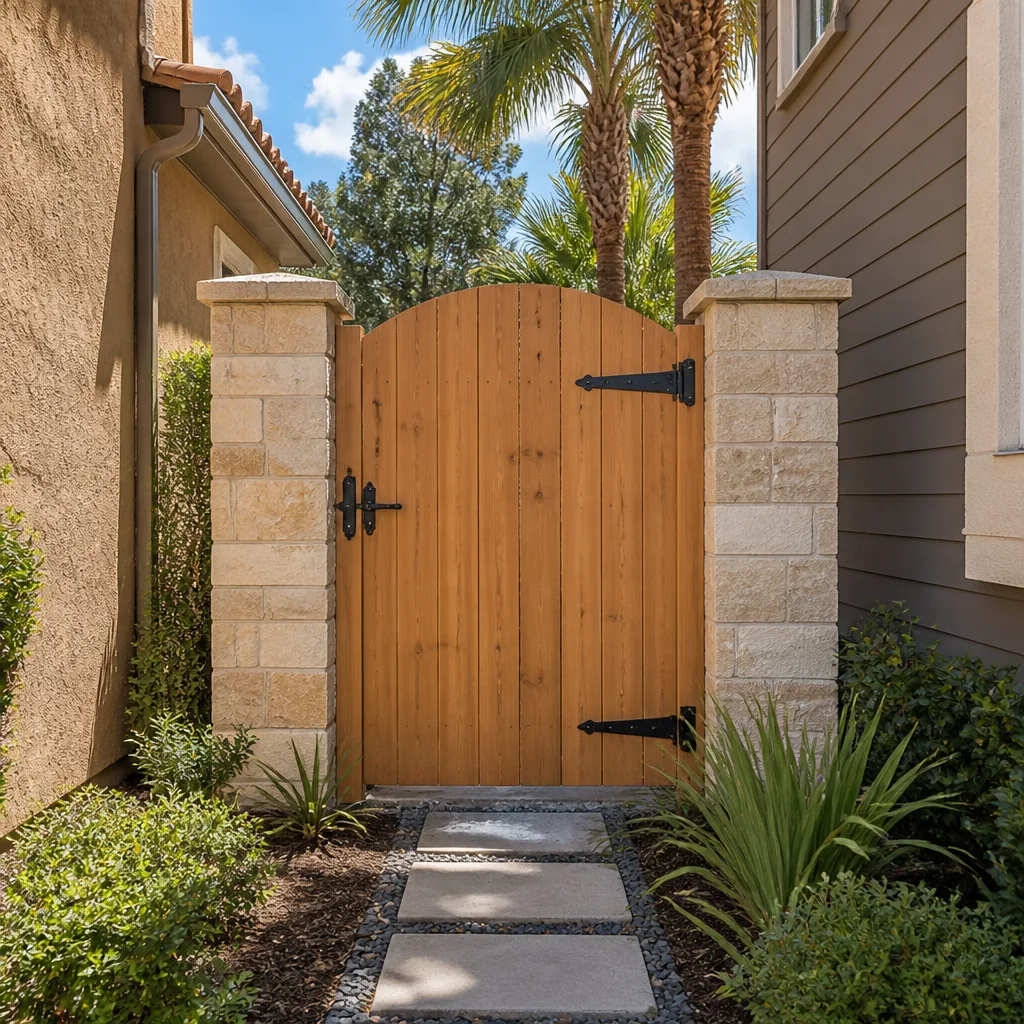
On fencing, brands like ActiveYards and Unilock build lines rated for wind and UV exposure that hold their color and structural integrity longer in a coastal yard. Vinyl and composite fencing near the ocean should be checked for UV stability and salt exposure before you buy. We’ve seen entry-level fence products chalk and fade within a few seasons on homes a few blocks from the sand, while a coastal-rated line from the same brand held its finish much longer. Ask which line, and why.
For Fence Installation in Huntington Beach, the same rule applies: brand plus line plus install details equals a fence that lasts. The brand alone is just the start.
Common Mistakes to Avoid
- Buying the brand name and not the product line. Two lines from the same maker can perform completely differently near the water. If the estimate says the brand but not the line, ask for the line in writing.
- Ignoring the coastal exclusion in the warranty. A warranty that voids within a set distance of the ocean is not the warranty you thought you bought. Read the exclusions before you sign.
- Assuming labor is covered. Material warranties don’t cover the install. Ask for the installation warranty in writing, separate from the product warranty.
- Skipping permits to save time. Unpermitted work can cost you at resale and when you file a claim. Permits pulled and inspections signed protect your investment.
- Spec-ing down on high-exposure surfaces. Saving a few hundred dollars on an entry-tier roof near the beach usually costs more in the first repair than it saved up front.
- Accepting verbal price changes. If the spec changes after you sign, it should come as a written change order before work proceeds, not on the final invoice.
- Not asking who will be on site. In Huntington Beach, ask whether the crew is the company’s own people or subcontractors you’ve never met. Who shows up matters as much as what they install.
See the difference
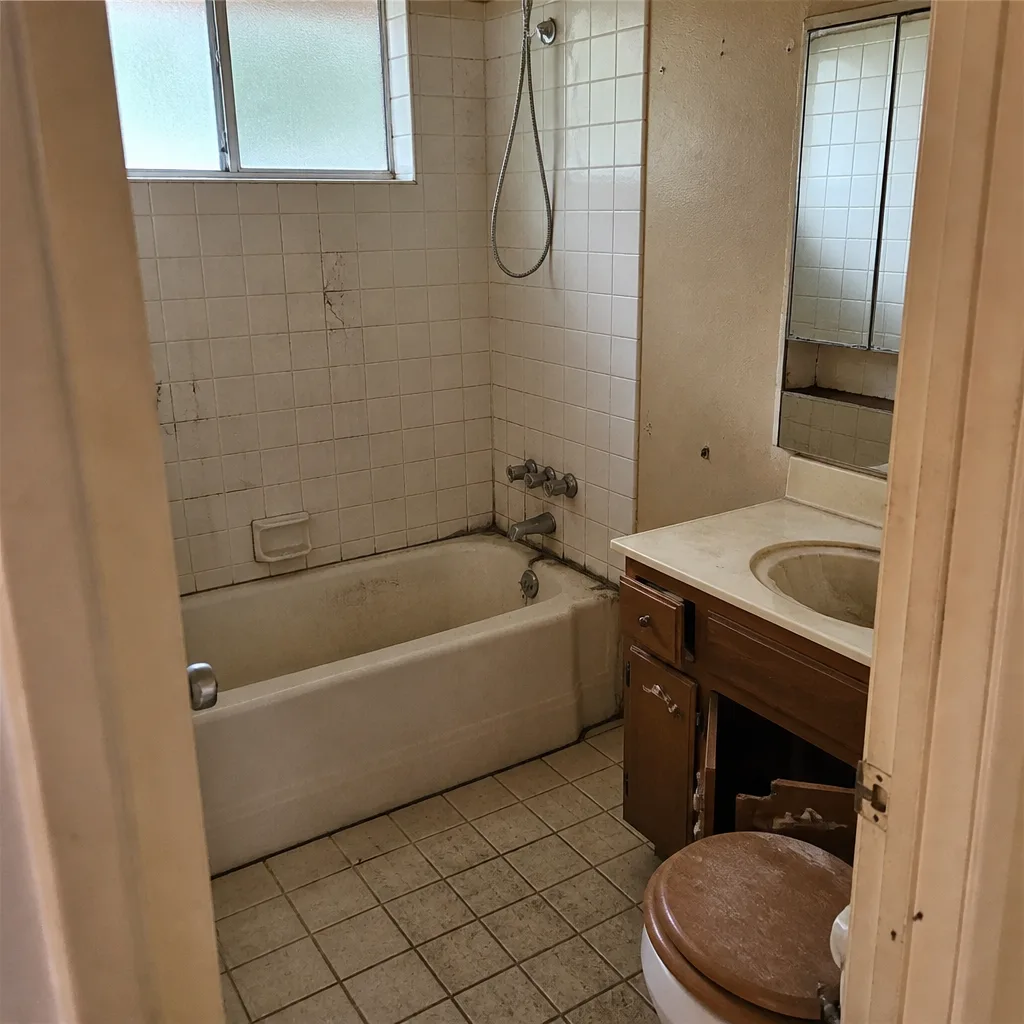 Before
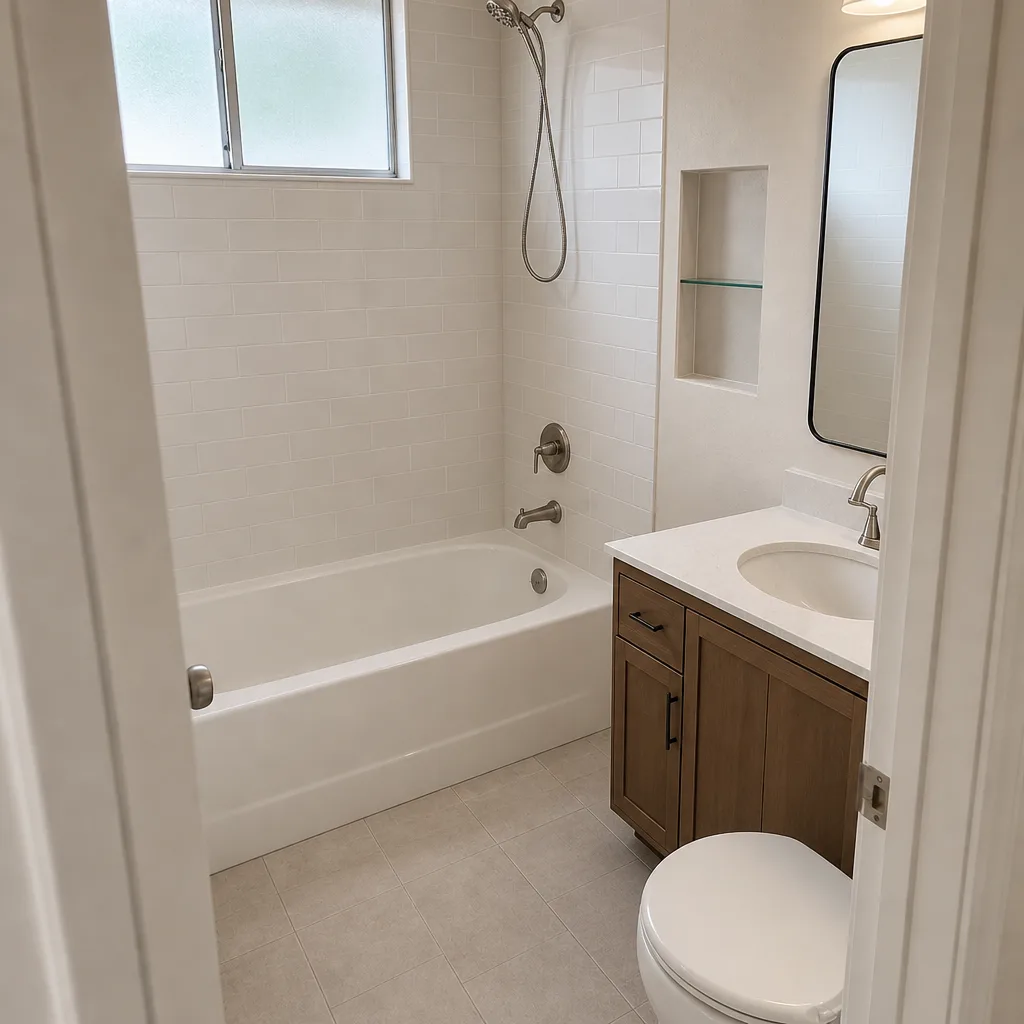 After
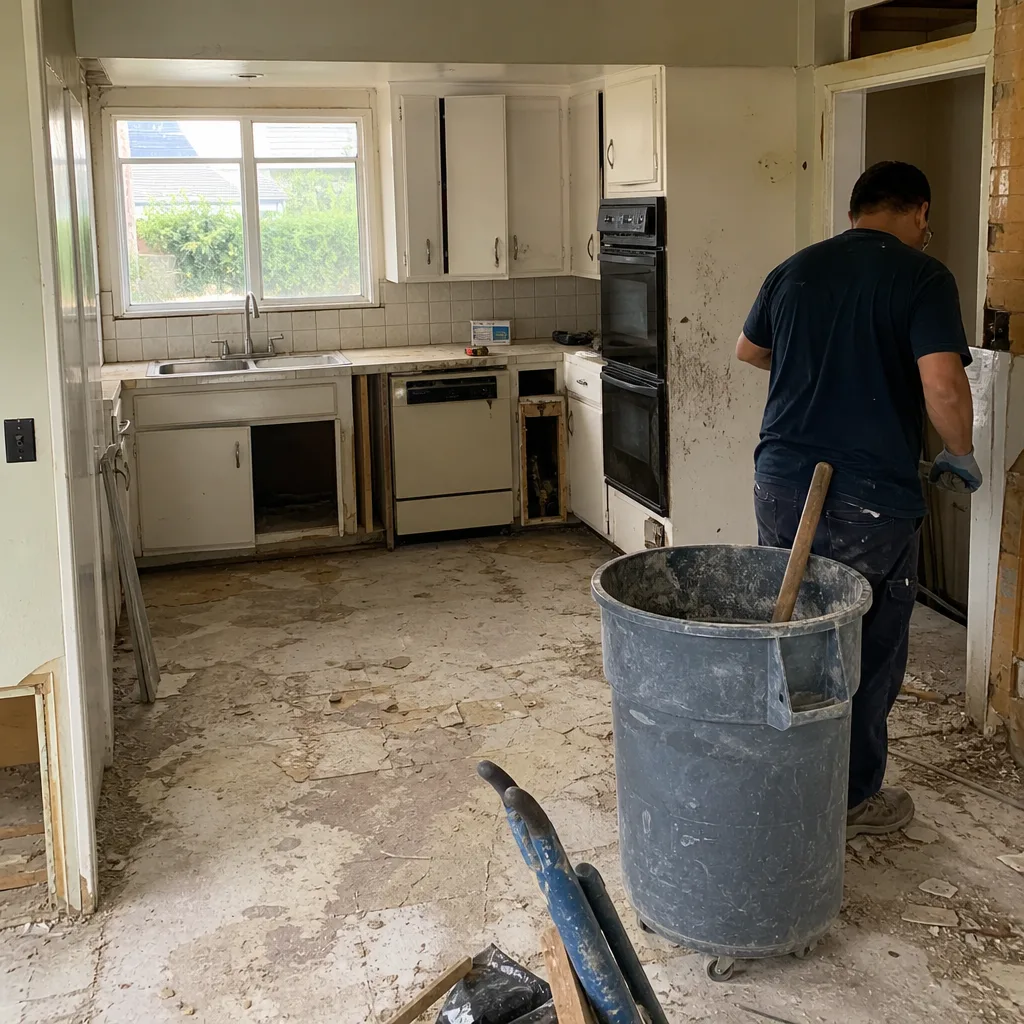 Before
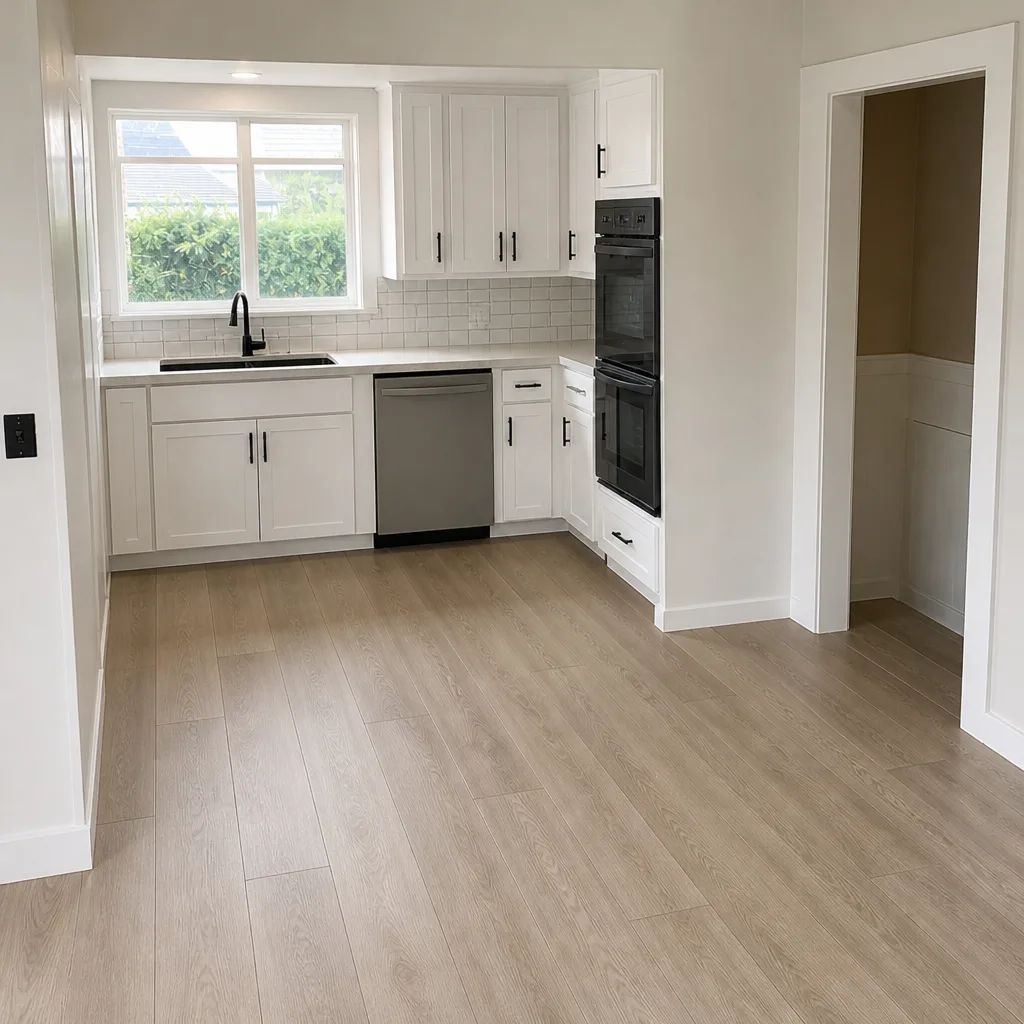 After
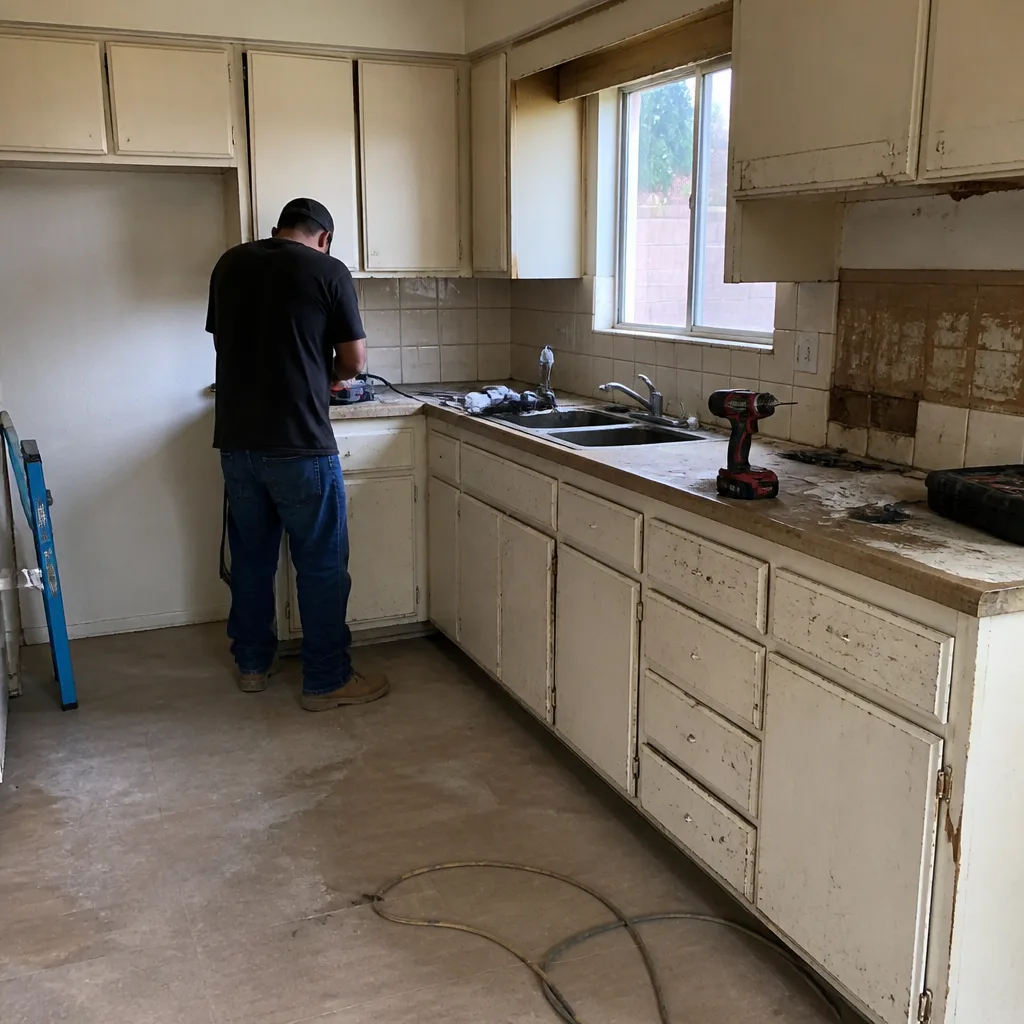 Before
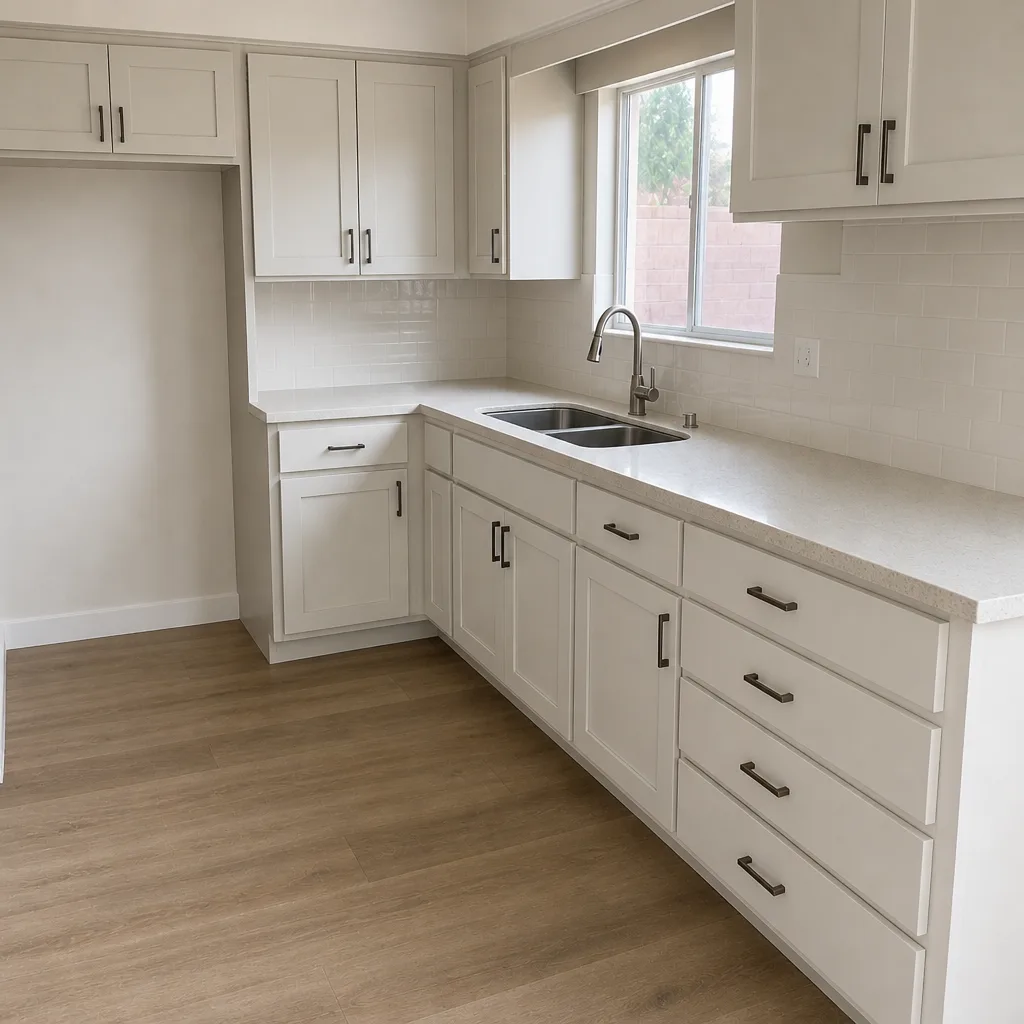 After
When to Call a Professional
Some material decisions are safe to make yourself: interior paint color, trim style, cabinet hardware. Others carry real risk. Roofing work near the ocean requires height safety, proper flashing detail, and coastal-rated fasteners; a mistake there shows up as a leak months later. Window replacement in a coastal home needs correct flashing and sealing to keep marine moisture out. Electrical, gas, and structural work should always go to a trained professional, and high-reach or roof work is not a weekend project. When the scope touches your roof, windows, or structure, get a pro. Barrett & Sons Construction Huntington Beach offers free estimates in Huntington Beach, call (844) 320-2945.
Frequently Asked Questions
There’s no single best brand; the best choice is the right product line for coastal conditions. For roofing near the ocean, premium coastal-rated lines from GAF and CertainTeed are strong picks; for windows, Andersen and Marvin premium lines hold up well to salt air and UV; for hardscapes, Belgard and Techo-Bloc premium tiers resist fade and efflorescence. The line within the brand matters more than the brand name. Call (844) 320-2945 for an exact quote, estimates are free.
Because most manufacturers build an entry, mid, and premium tier under the same name, and the tiers differ in material thickness, coating, fasteners, and warranty terms. An entry-level line from a premium brand can perform worse than a mid-grade product built for coastal exposure. Ask which line is being specified and why, and get it in writing. Call (844) 320-2945 if you’d like a second opinion on any written estimate.
Read the exclusions, specifically for “coastal,” “marine,” “salt,” and “saltwater.” Many warranties reduce or void coverage within a set distance of the ocean. If your Huntington Beach address falls inside that zone, the headline warranty may not apply as you assumed. Ask for the exclusions in writing before you sign.
A material warranty covers the product; an installation warranty covers the labor and the way the product was installed. Most leaks and failures get blamed on installation, so the installation warranty is often the one that matters. Ask for it in writing, separate from the product warranty.
In most cases, yes. Roof replacements, additions, and many structural changes require permits and inspections in Huntington Beach. Skipping them can cost you at resale and when you file a claim. Ask before work starts whether the contractor is pulling the permit and getting the inspection signed.
It depends on the product line and current supply; premium lines sometimes carry longer lead times than entry lines. A written scope with the exact line and a realistic timeline protects you from surprises. Barrett & Sons Construction Huntington Beach offers free estimates and written, line-item quotes so you know what’s being installed and when. Call (844) 320-2945 to schedule yours.
The Bottom Line
Brand reputation is a starting point, not a guarantee. In Huntington Beach, the material that lasts is the one matched to coastal conditions: UV-rated, salt-air-rated, correctly installed, and specified to the right product line. Read the warranty exclusions, ask which tier is going in and why, insist on permits and inspections, and get every price change in writing before work starts. A contractor who can answer those questions is a contractor worth keeping. An owner-operated crew with a name on the truck and a 90-Day Done Right Promise is the standard to hold everyone to. Barrett & Sons Construction Huntington Beach home is a good place to start.
Ready to talk through your project and the right materials for your home? Call Barrett & Sons Construction Huntington Beach at (844) 320-2945 for a free estimate. We’ll walk you through which product line fits your conditions, put the scope and price in writing, and stand behind the work. If you’d like a second opinion on a written estimate you already have, that’s free too.
Written by the team at Barrett & Sons Construction Huntington Beach.