Last updated November 17, 2026
Free written scope consultation - allowances, timeline, and change-order rules on paper before a single trade is scheduled
The Complete Driveway & Pavers Guide for Huntington Beach Homeowners
Most Huntington Beach driveways fail at the base layer, not the surface, and the homeowner never knows it until the pavers start rocking three years later. The salt air and marine layer get blamed. The paver brand gets blamed. Usually it’s four inches of base where there should be eight. This guide is written from Huntington Beach, for Huntington Beach lots, and it treats soil prep and base depth as the real decision, not the paver color on the showroom floor. You’ll learn what our crews check before a single paver goes down, how to read a quote line by line, and where the local clay and coastal drainage quietly wreck the jobs nobody inspected.
Quick Answer
A driveway that lasts in Huntington Beach starts with 6 to 8 inches of compacted Class II base over properly scarified clay soil, a graded drainage plan that moves water away from your garage, and pavers rated for coastal salt exposure. The paver style you pick matters far less than what’s underneath it. Get the base and grade right and a driveway runs 25 to 30 years. Skip them and you’ll be redoing it in five.
Styles & brands we work with
- Kitchen remodeling
- Bathroom remodeling
- Home additions & ADU
- Roofing
- Windows & doors
- Driveway & pavers
- Fence
Table of Contents
- Why Huntington Beach Driveways Fail at the Base
- Expansive Clay Soil and What It Means for Your Base Depth
- Salt Air and Material Choice: Concrete, Natural Stone, or Permeable Pavers
- Grade and Drainage: The Decision That Matters Most
- HOA and City of Huntington Beach Permit Requirements
- How to Read a Paver Quote Line by Line
- What Driveway Pavers Cost in Huntington Beach
- Keeping a Driveway Looking New on the Coast
Why Huntington Beach Driveways Fail at the Base
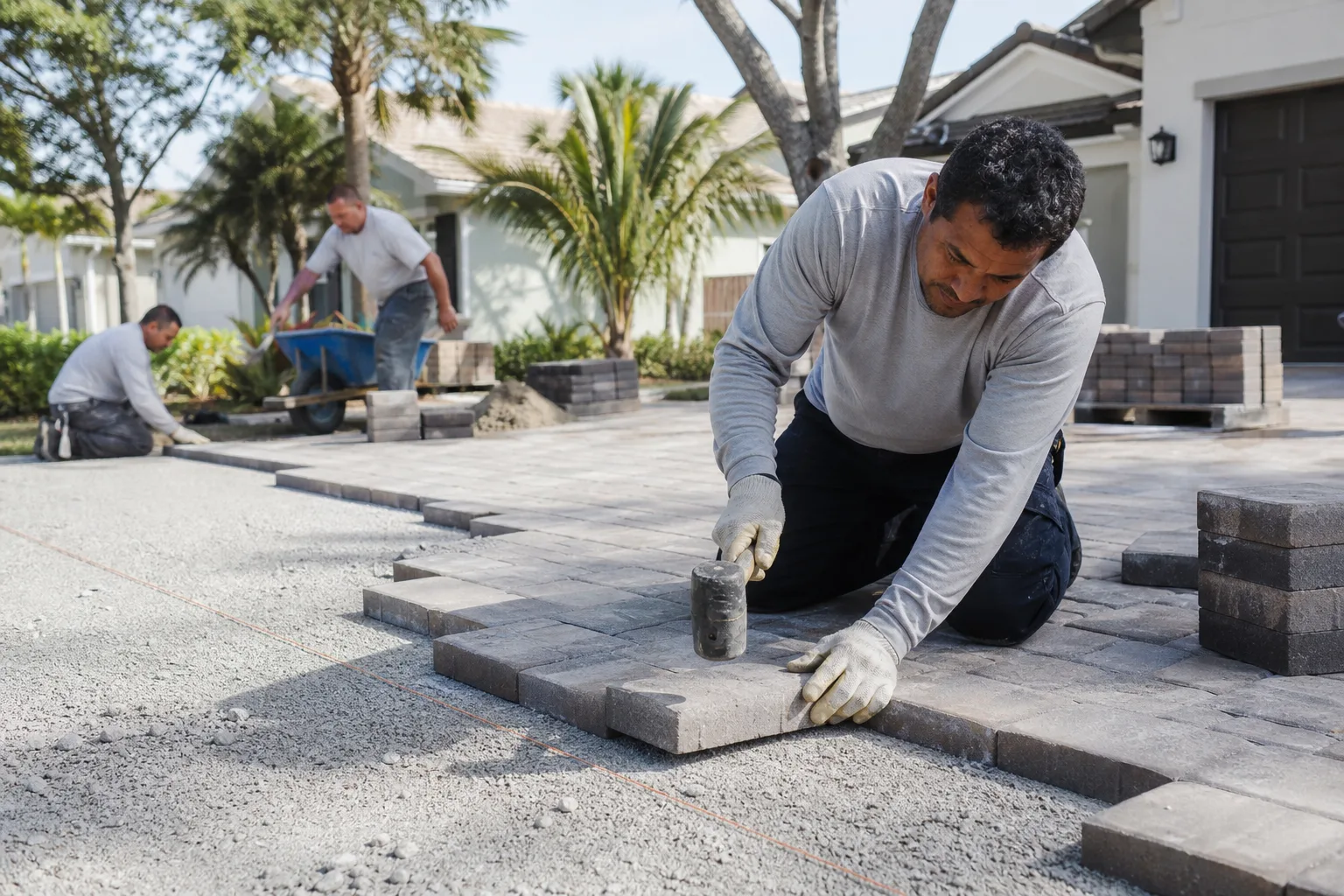
The surface of a driveway is the part you see, so it’s the part that gets the blame when something goes wrong. In our experience across Huntington Beach, the failure almost always lives below the sand joints. When a paver rocks underfoot, when a corner sinks a half inch, when a joint opens and stays open, the base moved. Water got in through a bad edge restraint, or the subgrade wasn’t compacted, or the base material was too thin to bridge a soft spot in the clay.
What makes Huntington Beach different from a job in, say, Riverside is that the ground under your driveway is routinely wetter. The marine layer keeps near-surface soils damp long after the morning fog burns off, and that moisture softens the clay. A base that would hold fine on dry inland dirt can pump and settle here. We’ve watched homeowners replace warped pavers three times before anyone dug down and found three inches of base over native soil with no compaction test behind it.
Here’s the part worth internalizing: a base failure looks exactly like a paver failure. The same sinking edge, the same rocking corner. So homeowners spend money on new pavers when the real problem is the foundation under them.
What a sound base actually requires:
- Removal of the existing surface and enough subgrade to reach a stable layer
- Scarifying and re-compacting the native clay so it isn’t just covered over
- 6 to 8 inches of compacted aggregate base, installed in lifts of no more than 4 inches
- Compaction measured, not eyeballed, before bedding sand goes down
- Edge restraints set in concrete, not plastic stakes, on every open side
If a quote doesn’t mention base depth and compaction, you haven’t been quoted a driveway. You’ve been quoted pavers.
Expansive Clay Soil and What It Means for Your Base Depth
Much of Huntington Beach sits on clay-heavy soil, and clay does something concrete and pavers don’t like: it swells when it’s wet and shrinks when it dries. That cycle is a slow hydraulic jack under your driveway. In the dry months, the clay pulls away. In a wet winter, it pushes back up unevenly along the whole slab or paver field. A base that’s too thin gives that movement a straight path to the surface.
The inland California rule of thumb often gets applied here without adjustment, and it’s a little thin for coastal clay. Contractors who quote base depth off a standard spec from a drier climate tend to leave less material between the clay and the pavers than Huntington Beach lots want. The fix is not exotic; it’s just deliberate.
- Test the subgrade. A soil probe or small test pit shows how far down the clay stays soft. On lots near the low-lying neighborhoods, that can be deeper than expected.
- Scarify before you build. Break up the top of the native soil so the base can key into it instead of sliding on it.
- Compact in lifts. Lay the base in 4-inch layers and compact each one. Dumping 8 inches at once and running a plate over the top compacts the top half inch and nothing more.
- Go deeper than the minimum when the clay warrants it. We’d rather over-build the base by an inch than re-dig a driveway in four years.
- Keep water out of the base. A base with no drainage plan is a sponge filled with clay particles, which is to say a slow failure.
When a contractor skips the base, you typically find out in year three or four, right after the warranty on the install has quietly lapsed. That timing isn’t an accident.
Salt Air and Material Choice: Concrete, Natural Stone, or Permeable Pavers
Salt air is real here, and it does something to every hardscape surface you’ll consider. It’s not a dramatic failure in most cases, but it’s a factor, especially within a few blocks of PCH and the beach. Here’s an honest comparison of the three main choices for a Huntington Beach driveway.
Concrete pavers. The workhorse. Modern interlocking concrete pavers are dense, made to a spec, and handle coastal salt air well. Color fades slowly and mostly evenly, some efflorescence (a white mineral haze) can show up in the first season and usually weathers away, and you can pop out a broken unit and set a new one without touching the rest. Belgard and Techo-Bloc both make lines that hold up in coastal settings. This is the default for most Huntington Beach homes, and for good reason.
Natural stone. Stone gives you a look concrete can’t match and ages with a character you either love or don’t. The honest trade-offs: it costs more, some stones are softer and chip at the driveway edge, and a few varieties are slick when wet. Stone also doesn’t fade, which is a real point in its favor. Choose it for the look, but confirm the specific stone is right for vehicle traffic and coastal exposure before you commit.
Permeable pavers. These let rainwater pass through the joints into a stone reservoir below. They’re a genuine fit for Huntington Beach lots with poor drainage or a low spot that floods, and they help with stormwater runoff. The catch: the base for a permeable system is different, deeper in some cases, and needs its own design. Installing permeable pavers over a setup made for standard pavers defeats the whole point. This is a decision that has to be made on paper before the first shovel, not in the middle of the job.
Salt air affects the choices at the margins. The base and the drainage plan affect all three equally. Pick the material for how you want the driveway to look and last. Put your attention and your money into what’s under it.
Grade and Drainage: The Decision That Matters Most
If you take one thing from this guide, make it this: the slope of your driveway and where the water goes matter more than the paver brand you pick. A perfect paver field on a bad grade is a drainage problem waiting for the first big rain. A modest paver on a smart grade lasts decades.
On a Huntington Beach lot, water has two jobs to avoid. It needs to sheet away from the garage and the house, and it needs to not pool against a fence line or a neighbor’s property. That second one gets forgotten. Lots near PCH and in the lower-lying parts of town sit close to the water table, and a heavy winter rain finds every low spot in the pavement. If the driveway slopes toward the garage, that water finds your garage door.
What a real drainage plan covers:
- A minimum slope away from the structure, typically around 2 percent, checked with a level on the subgrade, not guessed at
- Check dams or channels to interrupt water that would otherwise cross a low spot and pool
- A run-off direction that respects property lines and doesn’t dump water on a neighbor
- Where the water meets the street, and whether that’s a public sidewalk or a drainage easement
- Roof downspouts routed away from the driveway rather than onto it
In our experience, the drainage plan is also where corners get cut quietly. It’s invisible when the job is done, so nobody checks. When someone does check, that’s when a driveway gets saved, or a quote gets corrected before work starts. Every scope change arrives in writing before the work moves, and grade is exactly the kind of scope that warrants a change order.
HOA and City of Huntington Beach Permit Requirements
Hardscape work near a public sidewalk or a drainage easement is not a free-for-all in Huntington Beach. Depending on your lot, your project may touch City of Huntington Beach requirements and, in planned communities, HOA rules. Here’s what to check before you sign anything.
- Right-of-way work. If your driveway approach crosses or ties into the public right-of-way at the sidewalk, that’s typically permitted work. Confirm with the City before anyone breaks ground.
- Drainage easements. Some lots carry drainage easements. Building a driveway over a protected easement is a problem, and the permit process is where it surfaces, not the install day.
- Sidewalk and curb condition. If the job disturbs any public walk, there are usually repair obligations attached.
- HOA design approval. Many Huntington Beach neighborhoods have architectural committees that review paver color and material before installation starts. Get their sign-off early so you’re not tearing out a finished driveway.
- Stormwater and runoff. Coastal jurisdictions care where runoff goes. A drainage plan that discharges sensibly is part of a clean permit.
The permit inspector works for you, not for the contractor. That’s why we like the process. Permits pulled and inspections signed on every eligible job means the work gets checked by someone whose job is to catch what a homeowner can’t see under eight inches of stone. The last contractor who told you permits were optional wasn’t doing you a favor.
How to Read a Paver Quote Line by Line
A paver quote is not a price. It’s a statement of scope, and the scope is what you’re actually comparing, whether you realize it or not. Here’s how to read one, line by line, so you catch what gets quietly omitted.
- Base prep. It should name the base thickness, the material, and that compaction happens in lifts. “Base prep” alone is a placeholder.
- Excavation and haul-away. Removing old concrete is a real cost. If it’s bundled into a vague number, ask what it includes.
- Edge restraints. Set in concrete, on every open side. If the quote is silent here, ask.
- Drainage and grade. A slope plan and where water goes. Missing from many quotes, and the most expensive thing to add later.
- Allowances. If pavers or materials are budgeted as an allowance, ask what happens when you pick a premium line. That number moves, and an allowance that isn’t on paper is a surprise waiting for a date.
- Permits and inspections. Named, or not. If not, ask who’s pulling them and who’s paying.
- Warranty. In writing, what’s covered and for how long.
Two quotes that look 15 percent apart on the bottom line are often not comparable at all, because the cheaper one is thinner on base, lighter on drainage, and vaguer on permits. Scope in writing, allowances in writing, change orders in writing is how you compare them honestly. Ask anyone whose driveway you admire who did it, then read their quote the same way.
What Driveway Pavers Cost in Huntington Beach
Paving a driveway here runs higher than an inland job for one reason: the base. Coastal clay, damp subgrade, and drainage requirements add real work underneath the pavers, and that work costs money. Line-item ranges below reflect typical Huntington Beach conditions; your lot may run higher if excavation is deep or the grade is tricky.
| Line item | Typical cost |
|---|---|
| Paver material (per sq ft, standard line) | $4 – $9 |
| Paver material (per sq ft, premium line) | $9 – $15 |
| Base prep and compaction (per sq ft) | $3 – $6 |
| Excavation and old surface removal | $800 – $2,500 |
| Drainage, grade, and edge restraints | $500 – $1,500 |
| Permits (where the right-of-way is involved) | $250 – $900 |
| Install labor | $4 – $8 per sq ft |
A standard two-car driveway, roughly 400 to 600 square feet, usually lands somewhere between $9,000 and $18,000 all in for concrete pavers with proper base and drainage. Natural stone goes higher. Permeable systems run higher still because the base is deeper and the design is its own job. When a quote comes in thousands under those ranges, the difference is almost always base and drainage, and you’ll find out about it in year four. Call us for an exact read on your lot. Estimates are free.
Keeping a Driveway Looking New on the Coast
Pavers are low maintenance, not no maintenance, and coastal air has its own opinions. A few simple habits keep a Huntington Beach driveway looking sharp for decades.
- Refill sand joints. Joint sand is what locks the pavers to each other. It washes out over time, especially after a wet winter. Top it off before weeds get a foothold.
- Reseal on a schedule. A quality sealer helps resist salt haze, slows color fade, and makes cleanup easier. It’s not required, but it stretches the look of the driveway.
- Address efflorescence early. That white mineral haze on new pavers usually weathers away. If it doesn’t, clean it properly rather than scrubbing hard.
- Keep water moving. Clear leaves and debris from wherever water leaves the driveway so it doesn’t back up and pool.
- Fix one rocking paver now. A single rocking unit means joint sand or a bit of base has shifted. Replace it early and you stop the failure from spreading to its neighbors.
If you’re planning hardscape alongside a bigger project, it pays to plan the site once. A new driveway often ties into work on a fence installation in Huntington Beach or a home addition or ADU in Huntington Beach, and planning the grade and drainage for all of it together saves digging twice. Our Driveway & Pavers in Huntington Beach page covers how we scope a driveway from the ground up, and you can see how we approach the whole home from our Barrett & Sons Construction Huntington Beach home page.
Common Mistakes to Avoid
- Choosing the paver before the base. Homeowners pick color and pattern first and let base depth follow. Flip that order. The base is the decision, the paver is the finish.
- Trusting the standard base spec. A base depth quoted off a drier climate’s spec runs thin on Huntington Beach clay. Ask for the thickness and the compaction method.
- Ignoring grade and drainage until it rains. Water is the slow killer of coastal driveways. A driveway that slopes toward the garage is a problem you can see in the first storm, if you think to check.
- Skipping the permit because a contractor says it’s optional. Right-of-way and easement work on City of Huntington Beach lots is usually permitted, and the inspector is on your side.
- Comparing bottom-line totals instead of scopes. Two numbers 15 percent apart are usually two different jobs. Compare base, drainage, and permit lines, not the last page.
- Forgetting the HOA before you pour. Neighborhood architectural committees in Huntington Beach want a say in color and material. Get their approval before the install, not after.
- Booking the cheapest install on a low-lying lot. The lots that flood first need the most base and the best drainage. The cheapest bid saves money on exactly the work those lots need.
See the difference
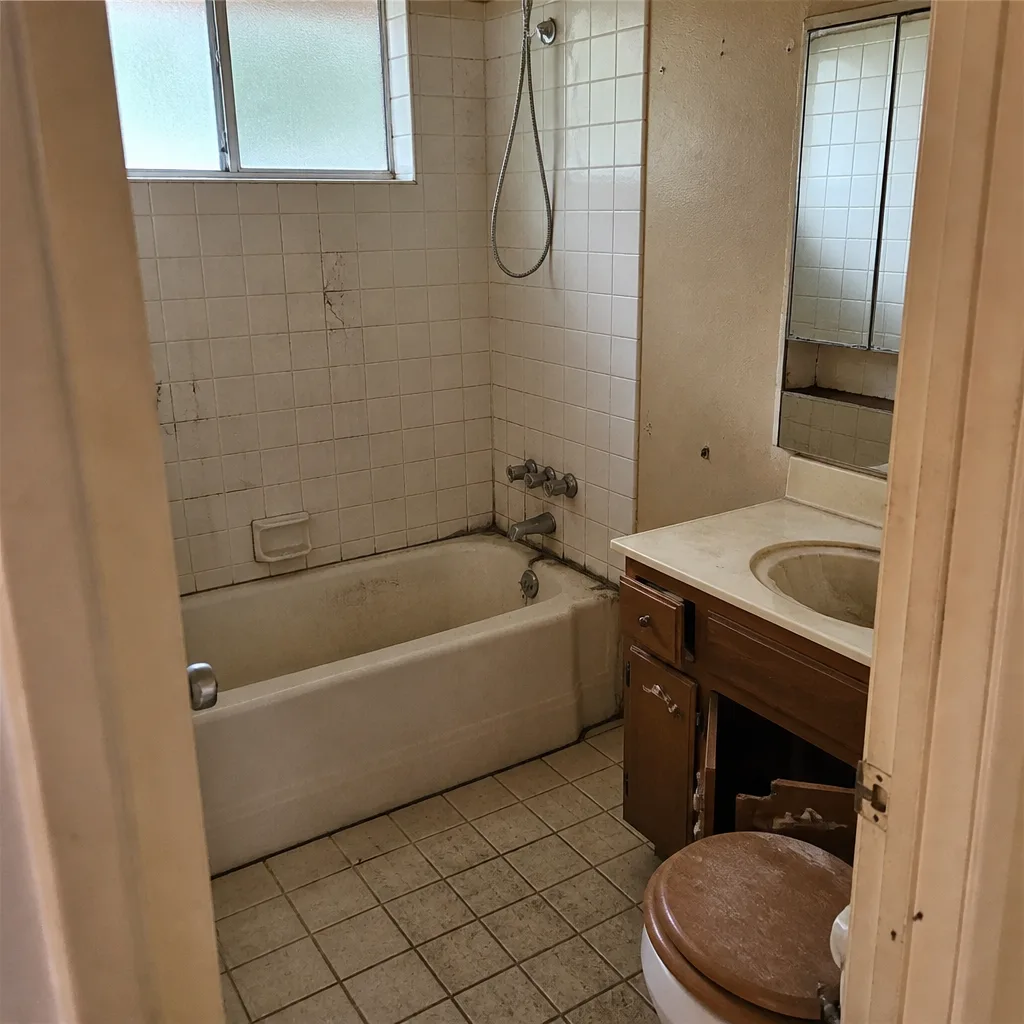 Before
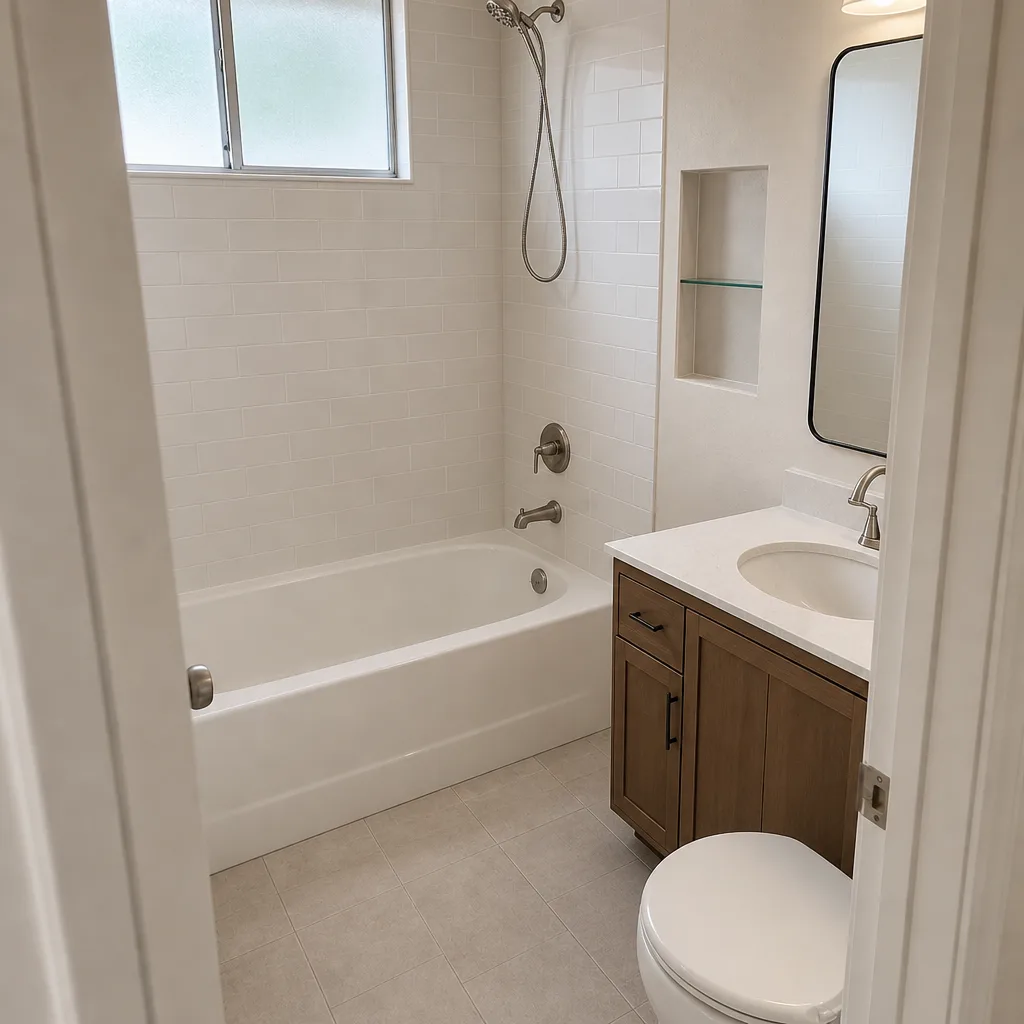 After
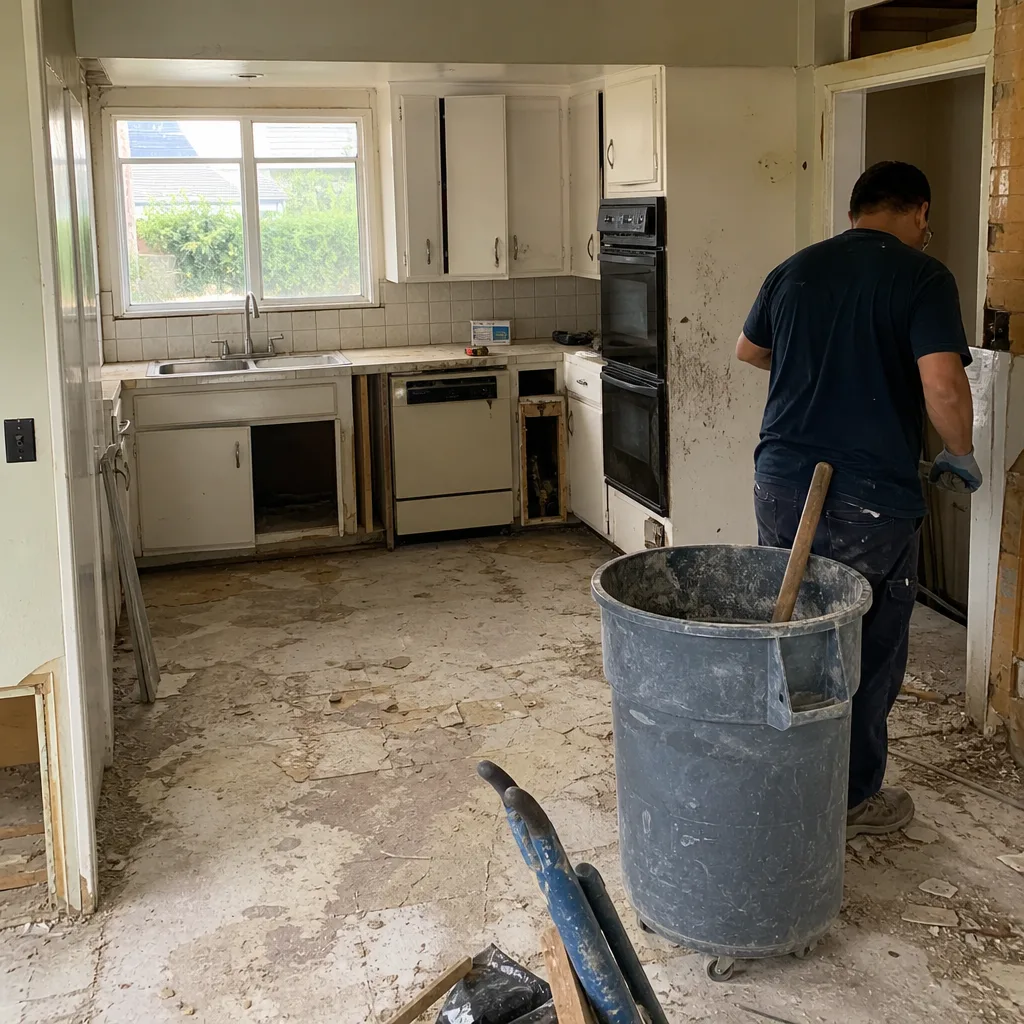 Before
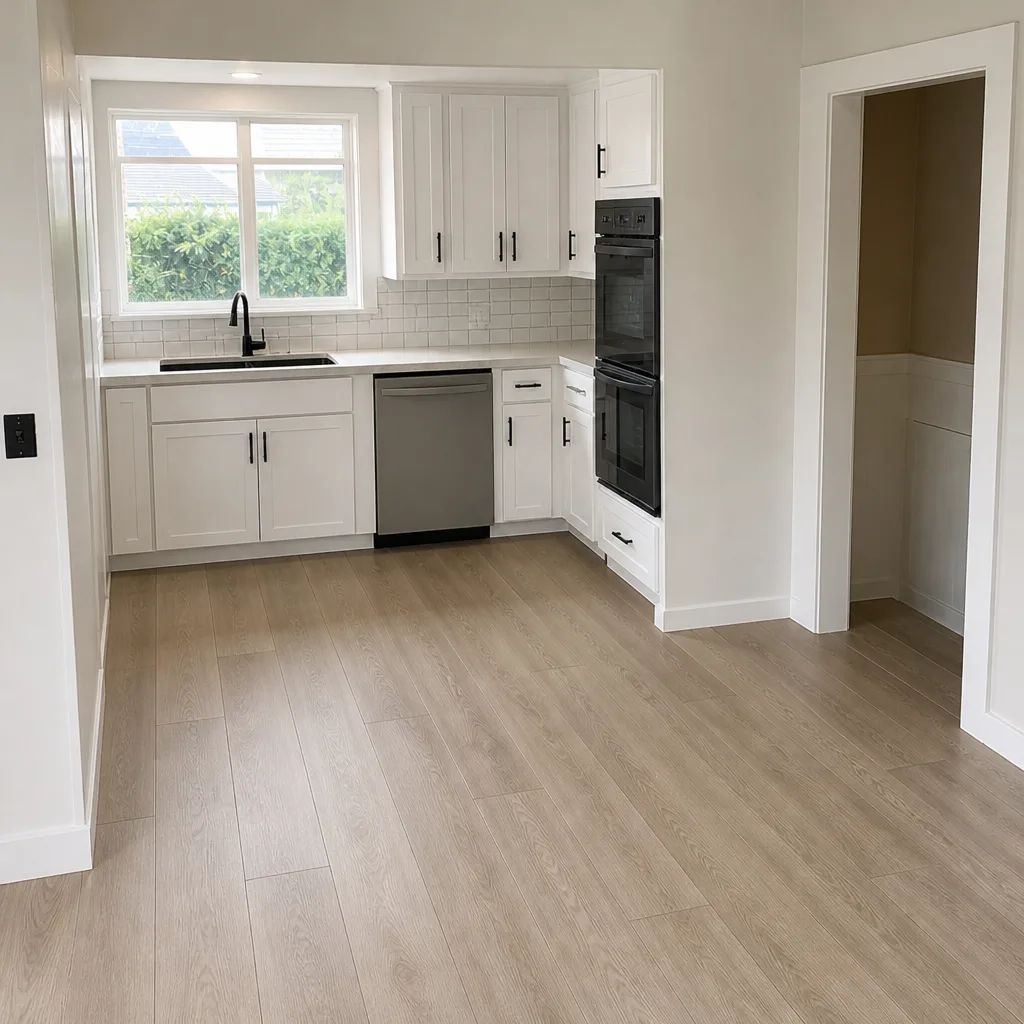 After
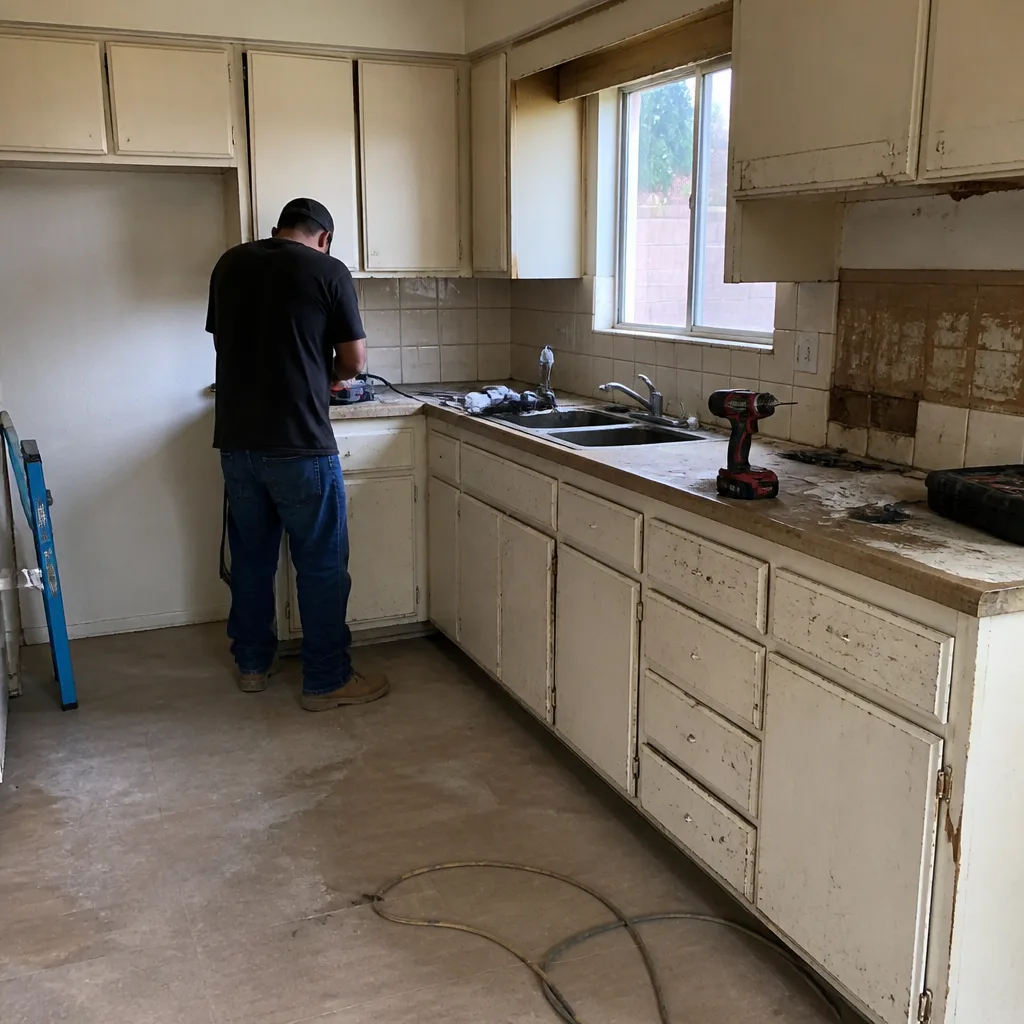 Before
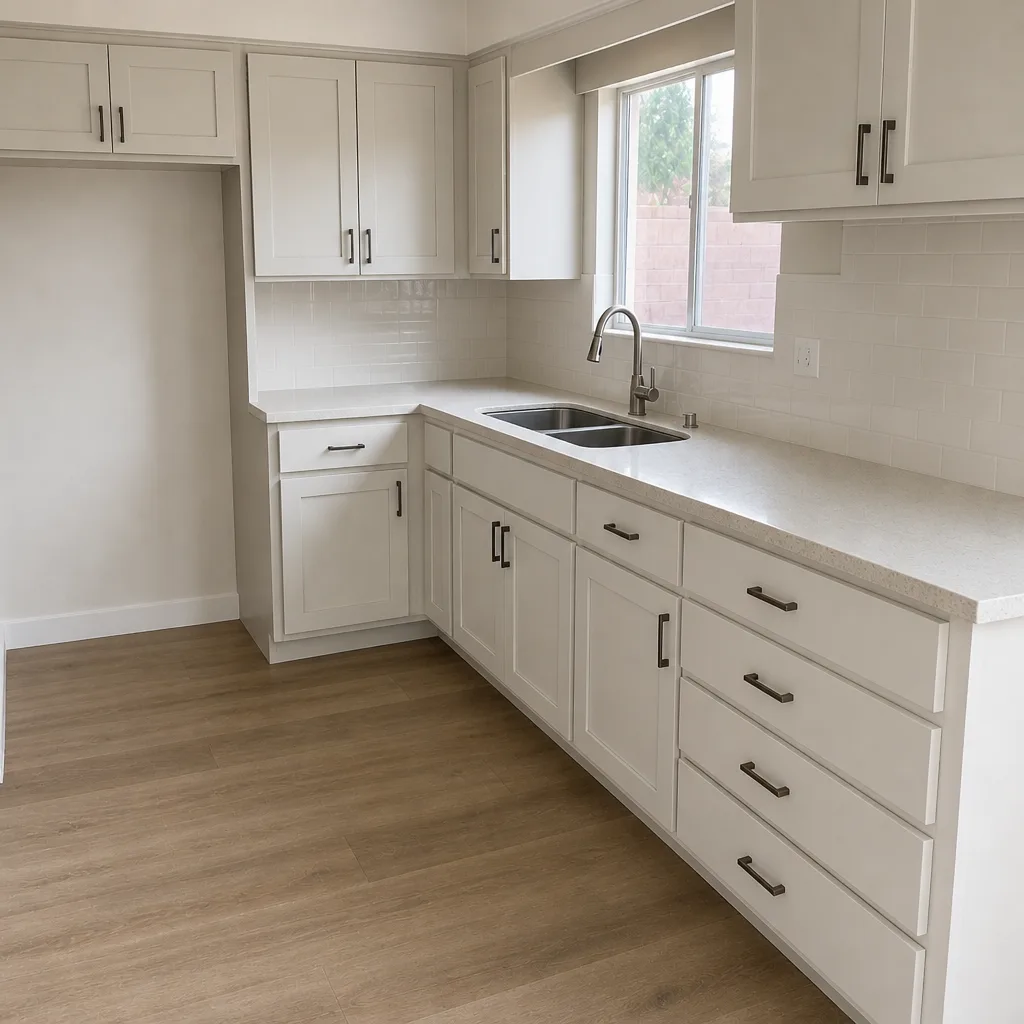 After
When to Call a Professional
Some driveway work is a weekend project. Laying a full paver driveway over coastal clay is not. Call a professional when the job involves digging out the existing surface, building and compacting a base, or setting edge restraints, because any mistake in that layer shows up years later and costs more to fix than to do right. Call even more urgently when the driveway slopes toward the garage, when the lot floods in winter, when work touches a public sidewalk or an easement, or when a previous install is rocking and you’ve already replaced pavers once. That last one is almost always a base problem, and no amount of new surface fixes it. At our Barrett & Sons Construction Huntington Beach team, we build driveways from the subgrade up.
Frequently Asked Questions
A typical two-car driveway in Huntington Beach runs about $9,000 to $18,000 with concrete pavers, proper base, and drainage. Premium lines and natural stone push higher, and permeable systems cost more because the base is deeper. The biggest swing is your lot’s excavation and drainage conditions. Call (844) 320-2945 for an exact quote on your driveway; estimates are free.
Six to eight inches of compacted base is the working number for most Huntington Beach lots, installed in 4-inch lifts and compacted between each. Coastal clay sometimes calls for more. If a contractor quotes four inches and calls it good, ask what happens when the clay swells and shrinks. Call us and we’ll walk your lot and tell you what it actually needs.
Any time the work touches the public right-of-way, a sidewalk, or a drainage easement, you’ll typically need a City of Huntington Beach permit. HOA approval is a separate step in many neighborhoods. We pull permits and sign inspections on every eligible job. Call (844) 320-2945 and we’ll tell you what your specific lot needs.
Modern concrete pavers handle coastal salt air well and are the most common choice in Huntington Beach. Natural stone gives a higher-end look and ages with character, but choose the specific stone for vehicle traffic. Permeable pavers help with drainage and are worth considering on low-lying lots. The base and drainage plan matter more than the brand for longevity.
It shouldn’t change without paper. On our jobs, the scope, allowances, and every price change arrive as a written change order before the work proceeds, never as a surprise invoice at the end. An allowance that isn’t on paper is a surprise waiting for a date. Call (844) 320-2945 and we’ll put your scope in writing.
A driveway built on a proper compacted base with real drainage runs 25 to 30 years or more. One with a thin base over unaddressed clay often starts failing in three to five. Same pavers, different foundation. Call (844) 320-2945 for a free estimate and we’ll get the foundation right the first time.
The Bottom Line
The driveway you notice ten years from now is the one that was built right at the base. In Huntington Beach, that means understanding coastal clay, cutting the base deep enough, compacting it in lifts, and getting the grade and drainage right before a single paver goes down. The paver brand is the last decision, not the first. Read every quote for base depth, drainage, and permits, and treat anything vague as a question worth asking. Spend your money on the layer you can’t see, and the layer you can see takes care of itself.
Barrett & Sons Construction Huntington Beach offers free estimates on driveway and paver work in Huntington Beach, with scope and allowances in writing and permits pulled on every eligible job. Call (844) 320-2945 to schedule your free estimate.
Written by the team at Barrett & Sons Construction Huntington Beach.