Last updated November 17, 2026




Free written scope consultation - allowances, timeline, and change-order rules on paper before a single trade is scheduled
Driveway & Pavers Warning Signs Every Homeowner Should Know
A single rocking paver in the center of a driveway is never just one rocking paver. It’s the first evidence of a base problem that’s already spreading in every direction beneath the surface, and by the time it’s visible underfoot, water has usually been moving through the base for a season or two. Most homeowners call us about a “loose brick” and find out they’re looking at the early stage of a base failure that could run thousands to fix if it’s ignored. This guide treats your driveway like a diagnostic panel. You’ll learn the five signs that point to base failure, the three that are surface-only, and how to tell them apart with a garden hose and a flashlight. If you’re in Huntington Beach, the soil under your pavers matters more than you probably think.
Quick Answer
Driveway pavers warn you before they fail completely. Rocking pavers, sunken dips, joint sand washing out, weeds sprouting in seams, and edge pieces lifting or separating all point to problems in the base or drainage. Surface stains, hairline chips, and faded color are cosmetic and usually don’t signal structural trouble. Catch a base problem early and you may be looking at a focused repair rather than a full tear-out, which is the difference between a manageable bill and a base replacement.
Styles & brands we work with
- Kitchen remodeling
- Bathroom remodeling
- Home additions & ADU
- Roofing
- Windows & doors
- Driveway & pavers
- Fence
Table of Contents
- The Five Warning Signs of Base Failure
- The Three Surface-Only Issues (and Why They’re Different)
- How to Tell Them Apart With a Garden Hose and a Flashlight
- Why Edge Pavers Lift First
- What Weeds in Your Joints Are Telling You
- Huntington Beach Clay Soil and Seasonal Movement
- How to Document Warning Signs for a Warranty Conversation
- Common Mistakes to Avoid
The Five Warning Signs of Base Failure
Base failure means the compacted gravel and sand layer under your pavers has lost its ability to hold the surface flat. When that happens, the pavers move because nothing underneath is supporting them. In our experience, these five signs almost always point to the base rather than the surface:
- Rocking or wobbling pavers. One paver that rocks when you step on it is the classic early indicator. A paver only rocks when the bedding layer beneath it has shifted or washed out.
- Dips or depressions. A low spot where water pools after rain means the base has settled or sunk. Pavers don’t sink on their own; the material under them does.
- Joint sand washing out repeatedly. If you sweep sand into the joints and it disappears within a few weeks, water is channeling through the joints and carrying sand down into the base.
- Weeds growing in seams. Weeds find the loose, sandy pocket where sand has eroded. Widespread weed growth is a drainage signal, not just a nuisance.
- Lifting or separating edge pavers. When the border comes loose, the restraint or drainage around the perimeter has failed, and the interior will show it within months.
All five signs share one trait: they involve movement or erosion beneath the surface. If you can see the problem before you step on it and feel it, you’ve caught it early.
The Three Surface-Only Issues (and Why They’re Different)
Not every problem on a paver driveway is structural. These three issues live on the surface and rarely call for base work:
- Stains and efflorescence. White powdery deposits, oil stains, and rust marks are on the paver face. Efflorescence is salt migrating out of the concrete or mortar and it usually fades with weather and cleaning.
- Hairline chips and minor spalling. A small chip at an edge or corner from a dropped object or a heavy wheel is cosmetic. It doesn’t mean the paver is failing underneath.
- Faded color or dull finish. Sealer wears and pigment fades over years of sun. Fading is the paver doing what it was designed to do.
Here’s how to keep them straight. Surface issues look like marks, chips, and color changes. Base issues feel like movement and form shapes in the plane of the paving. If you can see it but feel nothing when you walk on it, it’s probably surface. If you can feel it underfoot, walk away slowly and call someone.
How to Tell Them Apart With a Garden Hose and a Flashlight
You don’t need special tools to do a basic assessment. A garden hose and a flashlight will tell you more than a lot of expensive inspections. Here’s the routine we walk homeowners through:
- Hose down the whole driveway and watch where water pools or where it runs off. Standing water in a dip is a sign of a sunken base. Water that runs toward the house or garage is a grading problem.
- Watch the joints. If water disappears into a joint faster than the joints around it, the sand in that joint is gone and water is reaching the base.
- Wait until dusk and shine the flashlight low across the surface. Angled light shows dips, ridges, and edge lift you’d miss in daylight.
- Walk the full grid. Step on every paver near the edge and the center. Rocking, softness, and hollow sounds point to base problems.
- Check the edges last. Look at the border, the restraint, and where pavers meet soil, grass, or the garage apron. Edge movement is often the first clue.
The flashlight angle is the trick that surprises people. Low-angle light flattens shadows and reveals undulation on an otherwise smooth-looking driveway. Combined with a hose test, it’s the closest thing to a free diagnostic you’ll get.
Why Edge Pavers Lift First
Edge pavers are the first line of defense against everything the weather throws at your driveway, and they’re also the first to fail. The perimeter of a paver driveway relies on an edge restraint to hold the pavers tight and on drainage to move water away from the base. When either fails, the border lifts and separates.
What causes edge failure:
- Weak or missing edge restraint. Without a solid edge, the border pavers creep outward every freeze-thaw cycle and every heavy rain.
- Drainage that sends water under the pavers. If your roof, gutter downspout, or lawn runoff pushes water against the driveway edge, it finds its way under the pavers and washes the base.
- Soil movement or root encroachment. Tree roots near the edge push and lift pavers slowly. In some cases, they lift the base itself.
- Lack of a compacted shoulder. A properly installed driveway has a compacted gravel shoulder behind the restraint. Skip that step and the edge stays soft.
The reason edge failure is such an important sign is timing. Lifted edges are the driveway’s early warning shot. The interior usually looks fine while the perimeter has already started to fail, and the interior will show up within six months or so. If your drive meets the driveway in a way that leaves the edge exposed, that driveway has been eroding from the day the pavers were set. Barrett & Sons carries Driveway & Pavers in Huntington Beach work across the county, and edge restraint and drainage are the two things we check first on every job.
What Weeds in Your Joints Are Telling You
Weeds in the joints of a paver driveway are not just a weeding problem. They’re a water problem. Here’s what different patterns usually mean:
- A single line of weeds along one seam. Sand has washed out of that joint and water is running along it. Chase the water source uphill.
- Weeds concentrated at the low side of the driveway. Water is pooling there, the joint sand is gone, and the base is staying wet.
- Weeds in a broad patch where the driveway meets soil or lawn. The edge is open and soil is intruding between the pavers. That pocket holds moisture into the base.
- Weeds everywhere, evenly spread. Usually the driveway was never re-sanded after installation or the sand has simply aged out. This one is often fixable with joint sand and a sealer, no base work required.
The practical takeaway: where you see weeds, look for the sand that isn’t there anymore. That missing sand left a channel, and the channel is where water gets into the base. If you sweep fresh sand into a joint and it’s gone in a month, that joint is moving water down into the structure, and that’s the one to watch.
Huntington Beach Clay Soil and Seasonal Movement
Huntington Beach’s heavy clay soil is a big variable in how pavers behave. Clay expands when wet and shrinks when it dries, and that expansion and contraction telegraphs through a paver driveway as seasonal movement. Not all movement is a problem, but the pattern matters.
Normal seasonal movement looks like this:
- Joint gaps open and close slightly over the year.
- A paver or two along the edge may shift a small amount after a wet winter.
- Small cracks open and close at the edge of a lawn where soil moisture changes the most.
Structural movement looks different:
- Dips deepen over a single season and don’t spring back.
- The border lifts and separates further each year rather than resetting.
- Rocking spreads from a single paver into a cluster and then a region.
- Water pools in new places after every rain, and the pooling gets worse, not stable.
The clay doesn’t cause all movement by itself. It amplifies it. A driveway that was installed with a deep enough base, proper compaction, and a good edge restraint will move seasonally and then come back to where it started. A driveway that was installed too shallow over Huntington Beach clay will show movement that gets worse each season, and the paver joints act like the pressure gauge. If you’re near the coast and want the whole driveway serviced, including the border, our Fence Installation in Huntington Beach crews spend a lot of time on edges and borders too, and edge restraint is the same discipline.
How to Document Warning Signs for a Warranty Conversation
If you think a previous installation was faulty, documenting the signs is half the battle. Contractors and warranty departments need specifics, not opinions, and homeowners who arrive with a clean record get faster action. Here’s the process we recommend:
- Photograph with something for scale. A ruler, a coin, or a shoe next to the lifted paver gives a reader a way to see how much movement there is. A photo of a lifted paver without a scale looks like nothing.
- Photograph in low-angle light. Take at least one shot at dusk with a flashlight angled across the surface to show dips and ridges. Every photo of movement needs at least one wider context shot to show where on the driveway the problem is.
- Note the date and weather. Movement after a heavy rain tells a different story than movement in summer. Note the most recent rain and how long the driveway took to drain.
- Do the hose test and photograph the results. Where water pools and where it drains are facts a contractor can check.
- Photograph the edges and restraint. The border, the restraint, and any exposed sand at the edges tell the installer story.
- Write a simple timeline. When did you first notice the rocking paver? Has it spread? Has it gotten worse after a storm? A one-page timeline with photos is worth more than a long email.
- Get a second opinion in writing. A written inspection with photos, notes, and a clear scope is the difference between “we’ll look at it” and “here’s what we found and here’s the fix.”
We offer a free second opinion on any written estimate as a standing offer. If you’ve already had a contractor look at the driveway and the diagnosis doesn’t sit right, bring us the paperwork. We’ll photograph and document the same signs so you have two written records to compare. If the installation failed because of a base or drainage problem, the photo and note trail helps establish the case. If it’s surface-only, we’ll tell you that, too, and save you the spend.
Common Mistakes to Avoid
- Sealing over a base problem. Sealer makes the surface look tight and traps the water underneath. If a paver rocks or a dip holds water, sealing is covering up, not repairing.
- Adding sand and calling it fixed. Sweeping fresh sand into joints is normal maintenance, but if the new sand vanishes in a few weeks, the problem is drainage. Sand without a drainage fix is a repeat bill.
- Ignoring the driveway apron. Where the driveway meets the apron is where most Huntington Beach driveway problems start. If the apron is cracked or lifted, the driveway is taking water from there.
- Assuming a single rocking paver is minor. One rocking paver is early evidence, not a small cosmetic issue. A five hundred dollar repair becomes a full base replacement if you wait.
- Waiting for a visible dip before you call. If you’re waiting to see the dip from your front step, the base has already been moving for a season or two. Catch it at the rocking stage.
- Paying a full replacement price for what might be a spot repair. Get a written scope with photos and a line-item price. A contractor who won’t do that is quoting you a career, not a repair.
- Skipping the permit conversation. If a repair involves significant grading or drainage changes, ask whether a permit is needed. In Huntington Beach, drainage and grading changes near the curb can require one, and the last contractor most homeowners used told them permits were optional.
See the difference
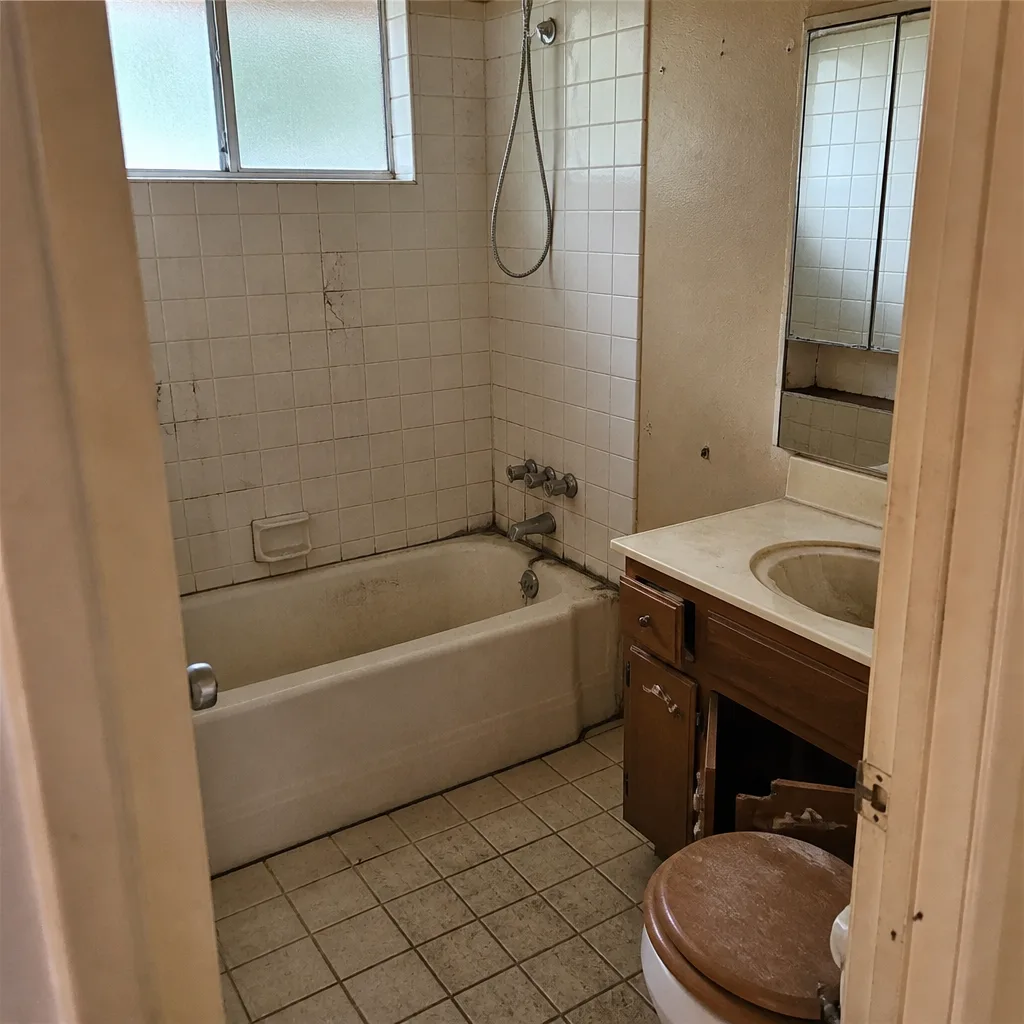 Before
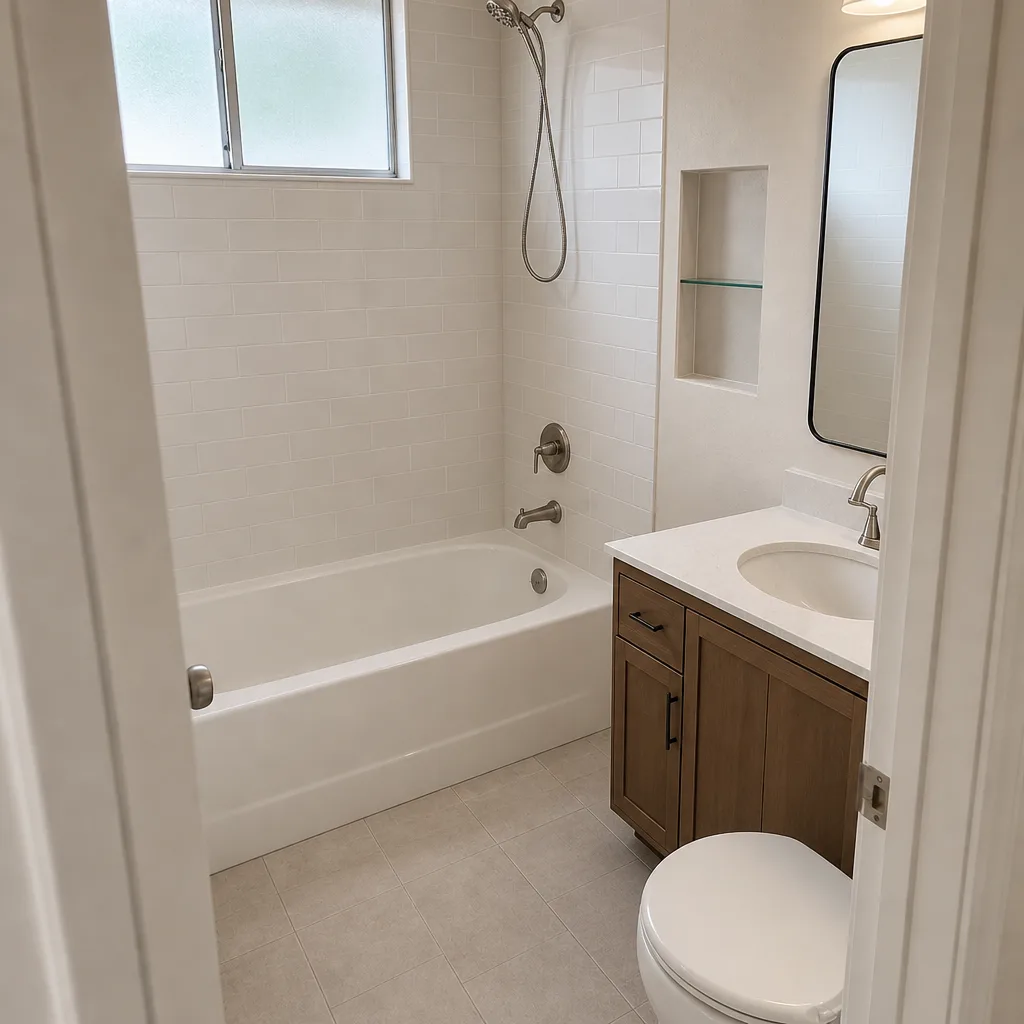 After
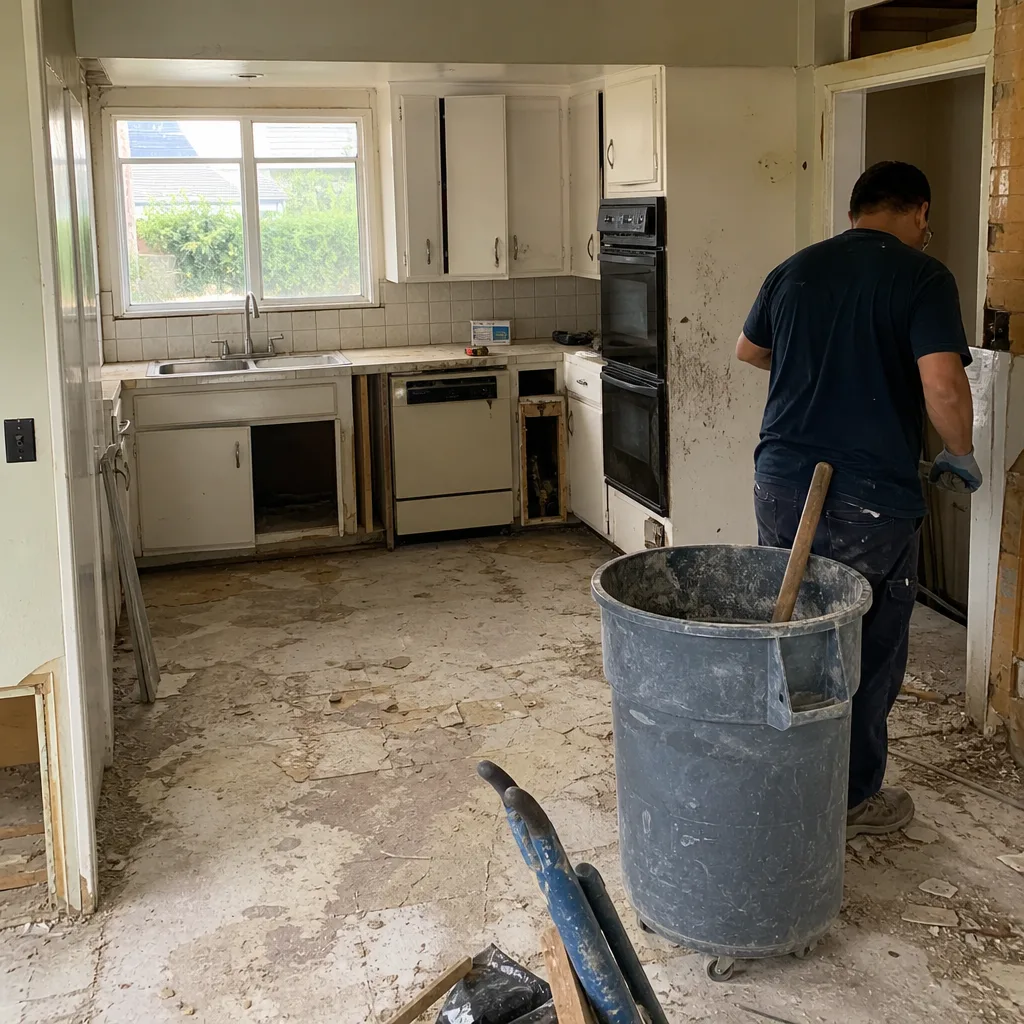 Before
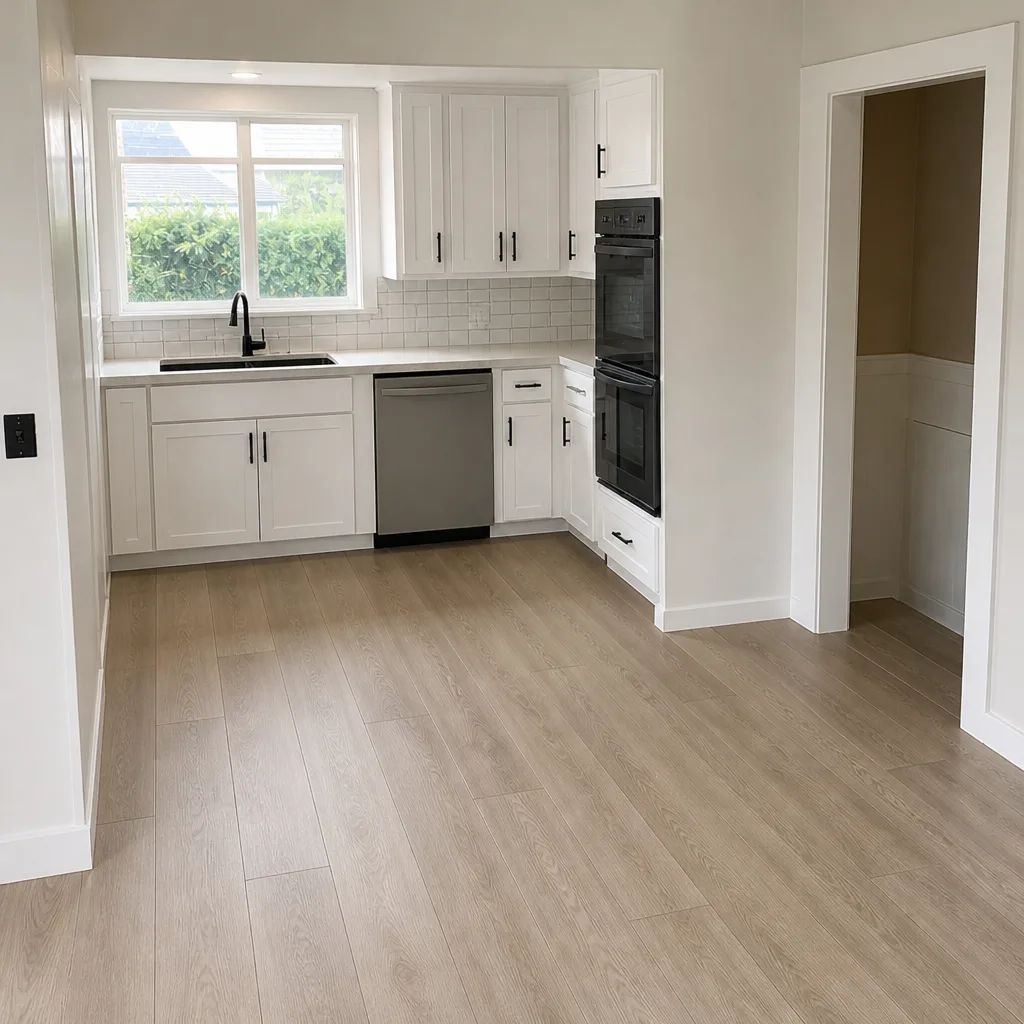 After
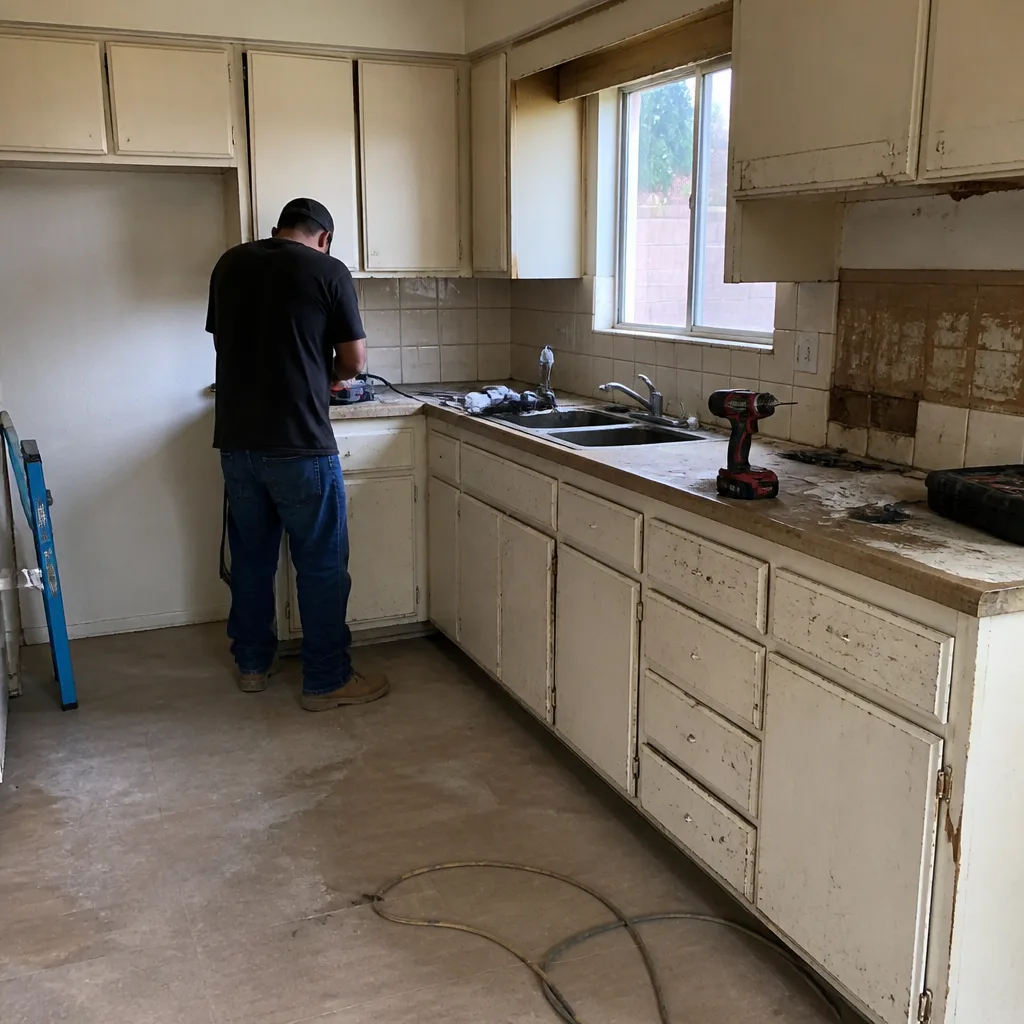 Before
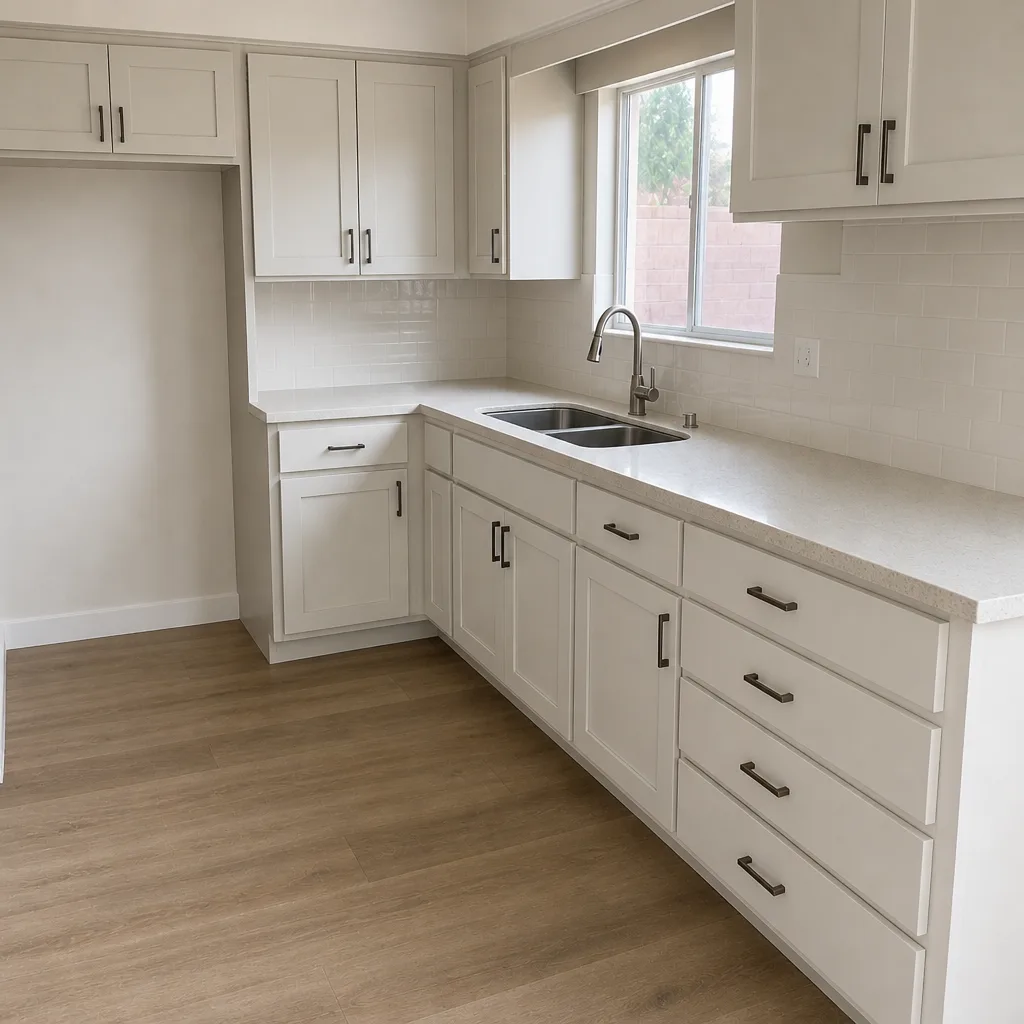 After
When to Call a Professional
Some signs are worth a call before you touch a shovel. Call a professional if you’ve got a bucket of standing water, if a cluster of pavers rocks rather than one, if the border is lifting and separating, if the driveway has sunk toward the house or the garage, or if a dip has visibly deepened in the last year. Call if a paver is loose enough for a hose to wash sand out from under it, or if the driveway edges show exposed soil or washed sand. Base repair and drainage work are heavy, and getting it wrong once costs more than getting it right. Our technicians have up to 28 years of experience diagnosing exactly these patterns, and Barrett & Sons Construction Huntington Beach offers free estimates in Huntington Beach for any repair or full replacement. Call (844) 320-2945 to schedule yours.
Frequently Asked Questions
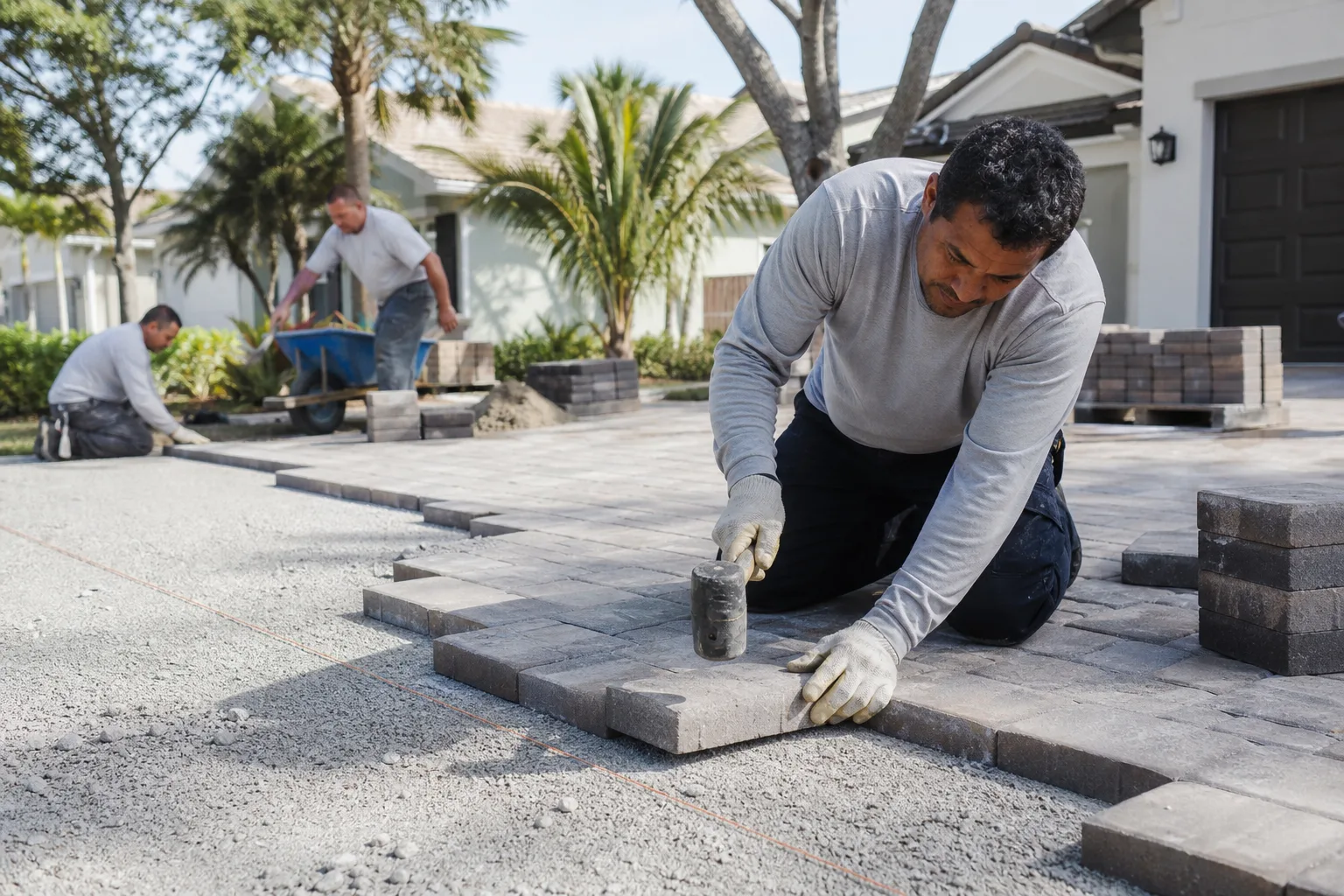
Small spot repairs in Huntington Beach typically run from a few hundred dollars for a single paver reset, while a broader base repair that lifts and re-bed a section runs into the low thousands, and a full base replacement runs substantially higher. The number depends almost entirely on how much of the base has moved, which is why a hose test and photo documentation up front matter so much. Call (844) 320-2945 for an exact quote – estimates are free.
Some homeowners do reset a single paver, but if the rock is real and the paver wobbles after being reset, the base under it has failed and hand-setting it back in place won’t fix the cause. One paver that resets and then rocks again within a month is a base problem, not a paver problem. Call us for a free estimate and we’ll tell you whether the driveway is calling for a spot repair or a more involved fix.
Weeds in Huntington Beach driveways come from joint sand washing out, leaving a gap where water and soil collect. Most of that movement comes from the driveway edge or a drainage problem upstream. Weeding is surface work, but a re-sand and a drainage check are what actually fix the pattern. Call (844) 320-2945 and we’ll take a look at where the water’s going.
Seasonal movement opens and closes a small gap and then returns over the year. Structural movement deepens over a single season and doesn’t reset. Huntington Beach clay soil expands and shrinks with moisture, so some movement is normal, but a dip that grows every winter or a border that lifts further each year is the structural kind. Call (844) 320-2945 if you’re not sure which one you’re seeing.
Every eligible Barrett & Sons job includes permits pulled and inspections signed, and if a repair involves drainage or grading changes near the curb in Huntington Beach, there’s a good chance a permit is required. We check the scope first so you aren’t guessing. Call (844) 320-2945 to schedule an estimate and we’ll walk through what your repair needs on the permit side.
Photograph the lifted or rocking pavers with something for scale, take at least one low-angle flashlight shot of dips and ridges, note dates and weather, and write down the timeline of when the movement started and where it’s spread. A one-page photo record with a short timeline beats a long email every time. Our team can do a free second opinion on any written estimate and document the same signs so you have a written record to compare.
The Bottom Line
Your driveway tells you what’s wrong with it before it fails. Rocking pavers, growing dips, sand washing out of joints, weeds in seams, and lifting edges are the base failure signs. Stains, chips, and fading are surface issues. Learn the difference, and a paver reset two years ago can save you a full base replacement down the road. In Huntington Beach, the clay soil makes the pattern especially clear if you know how to read it. Barrett & Sons Construction Huntington Beach handles driveway pavers, repairs, and full replacement across the area with a written scope, a written change order before any scope change, and a 90-Day Done Right Promise on every job. If you’re thinking about anything more involved, our Home Additions & ADU in Huntington Beach work uses the same discipline. To start the conversation, call (844) 320-2945 for a free estimate, or stop by our Barrett & Sons Construction Huntington Beach home page to see the services we cover. Every eligible job includes permits pulled and inspections signed, and calls are answered by a live person.
Written by the team at Barrett & Sons Construction Huntington Beach.