Last updated November 17, 2026
Free written scope consultation - allowances, timeline, and change-order rules on paper before a single trade is scheduled
DIY vs Professional Fence Installation: What’s Safe to Do Yourself
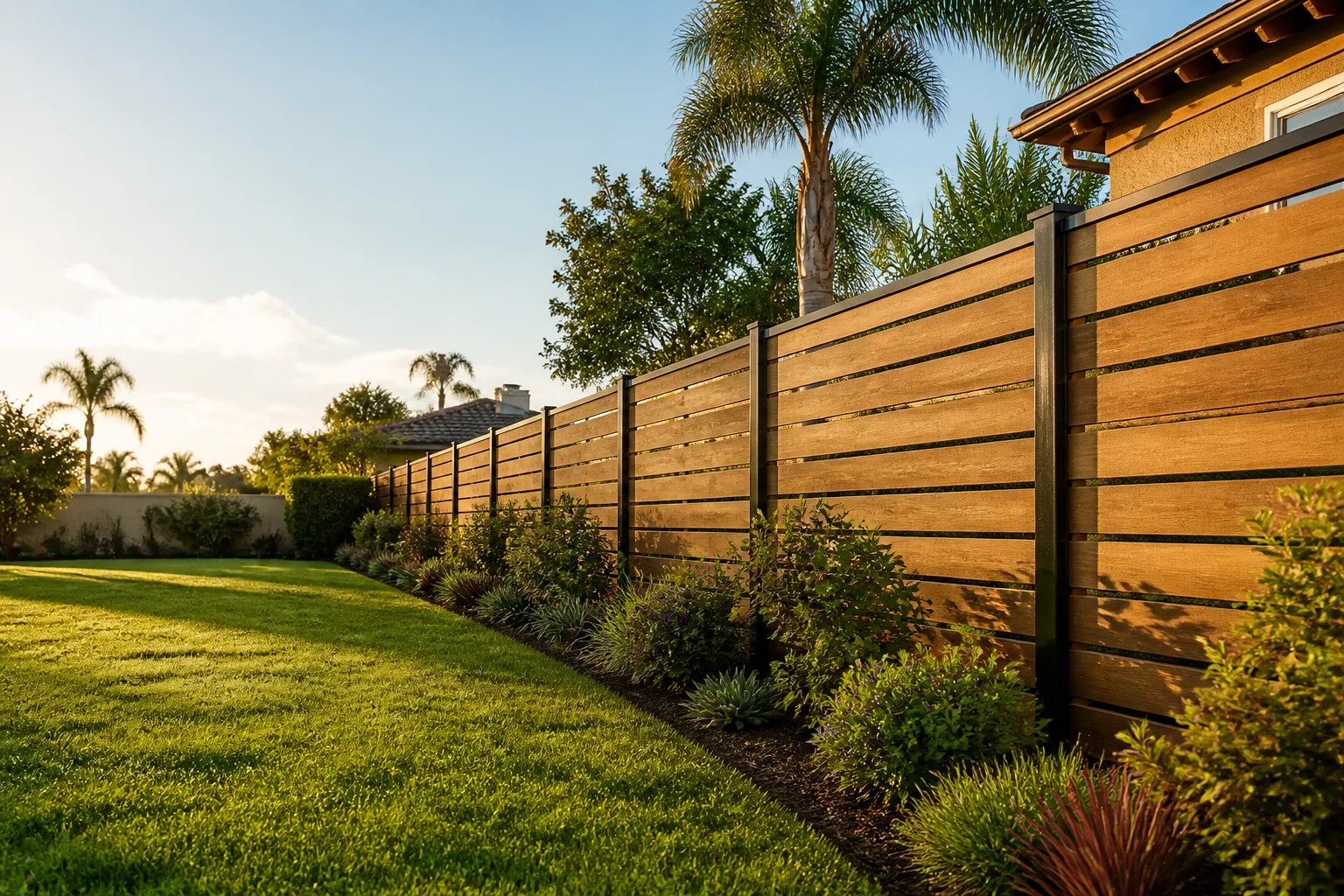
Attaching fence boards is beginner-friendly work. Setting posts plumb, at consistent depth, in concrete that cures correctly – that’s the part that separates a fence that stands for twenty years from one that’s leaning by year three. The boards are the easy half of the job most people picture, and the posts are the half they underestimate. In Huntington Beach, where sandy soil meets a marine layer and a winter rain band, a post that was almost right in July shows you what “almost” costs by the following spring. We’ve watched that cycle play out on more fences than we can count, and it’s the reason this guide draws a hard line between the parts of fence work you can genuinely handle and the parts that need a crew. Below, we’ll walk through what a motivated homeowner can do well, where the real risk hides, and the hybrid approach that gets a homeowner professional structure without paying for the whole job.
Quick Answer
Replacing boards, staining and sealing, adjusting a sagging gate, and swapping hardware are all safe DIY projects for a careful homeowner. Post setting and gate hanging are where DIY goes wrong: the depth, concrete mix, cure time, plumb, and underground utility checks have to be right the first time, and a mistake there is a hidden cost no weekend job easily recovers from. If your project is a repair or refresh, do it yourself. If it means new posts in Huntington Beach soil, call in a professional.
Styles & brands we work with
- Kitchen remodeling
- Bathroom remodeling
- Home additions & ADU
- Roofing
- Windows & doors
- Driveway & pavers
- Fence
Table of Contents
- What a Motivated DIYer Can Genuinely Handle
- Why Post Setting Is the High-Stakes Step
- The 811 Call You Don’t Want to Skip
- Permits and Neighbor Notification in Huntington Beach
- How Huntington Beach Climate Affects Your Fence
- The Hybrid Approach: Professional Structure, DIY Finish
- DIY vs Professional: The Honest Cost Comparison
- Common Mistakes to Avoid
What a Motivated DIYer Can Genuinely Handle
The list of safe DIY fence work in Huntington Beach is longer than most homeowners expect. If you own a drill, a level, and a Saturday, you can handle a good chunk of the repair and refresh side of fence work.
Go ahead and take on these:
- Board replacement. A split cedar picket or a rotted lower rail is a one-evening job with basic tools and a trip to the lumber yard.
- Staining and sealing. A pressure wash and two coats of a penetrating sealer on a Saturday extends the life of a wood fence by years – and in Huntington Beach it also cuts down on the salt-air graying that turns fence lines gray by year four.
- Basic gate adjustment. A gate that drags, sags, or swings open is usually a hinge or diagonal brace fix. A socket wrench, a screwdriver, and a few minutes of patience handle most of it.
- Hardware swaps. Latch replacements, hinge upgrades, and post caps are simple bolt-on jobs. Choose stainless or hot-dipped galvanized hardware – the marine air off the Huntington Beach coast eats cheap zinc fast.
- Cosmetic touch-ups. Replacing a few pickets, filling a gap, or adding a decorative gate handle are genuine fifteen-minute jobs.
Those jobs are why fence work has a wider DIY-viable range than most trades. A homeowner who takes their time and reads the package directions can replace boards, seal a fence, and keep a gate swinging straight for a decade. This is where the favorable half of the DIY story lives. The unfavorable half starts the moment you pick up the post-hole digger – and that’s a separate conversation.
Why Post Setting Is the High-Stakes Step
Post setting is where a fence stops being a weekend project and becomes a structural job. The forces at play matter: soil, water, wind, and weight of the fence itself all lean on those posts, and a mistake at the base ripples through the whole fence.
Here’s what goes wrong with a DIY post, in rough order of frequency:
- Depth is short. The rule of thumb in most residential fence work is that one-third of the post’s total above-ground height goes into the ground. A six-foot fence wants a post buried at least two feet, and a Huntington Beach fence near the coast with sandy soil often wants a couple more inches of margin.
- The hole is belied at the top. A hole that’s wider at the mouth than the base loses breakout strength when the wind pushes sideways. On a wind event that comes off the Pacific, that’s exactly the load your post has to resist.
- The concrete mix is wrong. Fast-set post concrete (Sakrete or Quikrete Fast-Setting are common if you want quicker cure) needs the right water ratio. Too much water and it never reaches strength. Too little and it crumbles. The bag has the number; guessing is how posts fail.
- The cure is rushed. Concrete needs days to reach handleable strength, and weeks to reach design strength. Hanging rails and boards on day one is how you get a fence that walks itself out of plumb.
- Plumb isn’t checked against two axes. Plumb in one direction but not the other gives you a fence that looks fine and behaves like a drunk railing by the time you hang a gate on it.
In our experience across Huntington Beach, the post depth and the concrete cure are where almost every failed DIY fence we see went wrong. The boards are fine. The structure underneath isn’t. That’s the trade-off: you can save real money on the boards, the sealing, the hardware, and the finish, but the posts are the part where saving goes negative fast.
The 811 Call You Don’t Want to Skip
Before a shovel goes into the ground anywhere in Huntington Beach, you call 811 and get a free utility mark-out. It’s a two-day notice, it costs nothing, and skipping it is one of the few homeowner mistakes that can turn into a five-figure problem.
What can be under your fence line: irrigation lines, gas service lines to the house, electrical conduit to a detached garage, cable, telephone, and the shallow lateral lines a prior homeowner ran and forgot. Some of those are unmarked. Some are marked only on the utility company’s side. A homeowner digging a two-foot hole through a gas service line is dealing with emergency response, a shutoff, and a repair bill that easily exceeds the price of a professionally installed fence.
Here’s what to do, in order:
- Call 811 or use the online portal at least two full business days before you dig.
- Photograph the marked lines and keep the ticket number.
- Hand-dig within 24 inches of any mark. Do not use a powered auger near a marked line.
- If the mark-out is incomplete or you’re not sure about a line, stop and call the utility.
We’ve also seen homeowners assume the previous fence’s post locations were safe because the old fence was there. Often it is. Sometimes it isn’t – a previous owner didn’t dig deep, or a utility was added later, or the new fence shifts six inches for a property-line reason. 811 is free and protects you. There’s no version of this where skipping it makes sense.
Permits and Neighbor Notification in Huntington Beach
Huntington Beach treats fences as a zoning matter, and the rules depend on height, location, and whether the fence sits on a property line. A six-foot privacy fence in a rear or side yard typically falls under the standard height limit and doesn’t need a building permit. Anything taller than the maximum fence height, anything in a front-yard setback, and any fence near a corner lot’s sight-triangle typically requires a zoning clearance, a permit, or both. Community association rules and historic district overlays add another layer. Check with the Huntington Beach Planning Division before you dig, not after.
Shared-line fences are the other piece homeowners miss. A fence on the property line – especially a boundary fence between neighbors – is generally a shared responsibility in California, and the practical version of that rule is: talk to your neighbor before you start digging. A fence that goes in without the conversation often comes back out after one. Get the agreement in writing. Note who pays for what, and note where the fence sits relative to the line. It’s the cheapest insurance a homeowner can buy against a boundary dispute, and it costs nothing but a conversation.
We pull permits and get inspections signed on every eligible fence job in Huntington Beach. Not because the inspector is watching us – because the permit inspector works for you, not for the installer. If a fence fails an inspection, you want to know it before the crews pack up, not after.
How Huntington Beach Climate Affects Your Fence
The Huntington Beach climate matters to your fence in specific ways that most generic fence guides never mention. The marine layer that rolls in most mornings keeps the air damp for hours. The salt air attacks hardware and exposed fasteners. The summer sun bleaches wood and cracks vinyl. The wet winters load the soil with water, which moves everything below the surface.
Three local things to plan around:
- Sandy, fast-draining soil near the coast. Huntington Beach soil west of Beach Boulevard is often sandier than inland soil. Post holes there need more concrete volume to hold, not less, and drainage has to be considered so winter groundwater doesn’t push posts up and out.
- Corrosive air. Standard zinc-plated hardware rusts out on a coastal Huntington Beach fence faster than it does inland. Stainless steel screws, hot-dipped galvanized hinges, and stainless gate hardware are the difference between a gate that works for fifteen years and one that seizes in year four.
- Sun and sealer. A penetrating sealer applied every two to three years keeps a wood fence from graying and splitting under the Huntington Beach sun. A vinyl fence doesn’t need sealing but does need cleaning to keep the salt film off.
These aren’t theoretical. In Huntington Beach, we see the difference between a fence that was planned for the climate and one that wasn’t inside three years. The climate doesn’t punish a good design. It absolutely punishes a rush job.
The Hybrid Approach: Professional Structure, DIY Finish
The smartest fence project we see in Huntington Beach is the hybrid: hire a professional crew to handle demo, post setting, framing, and gates, then take on the boards, staining, and finish yourself. You get professional structure, a warranty on the structural work, and a total cost that lands below a full-turnkey job.
Here’s how the hybrid usually breaks down:
- Professional scope: Demo of the old fence, post layout, post setting in concrete, rails, and gate framework. This is where the real risk lives, and where a mistake is expensive.
- Homeowner scope: Pickets and boards, staining and sealing, and hardware install after the structure is proven in place. This is the part where patience and a free weekend pay off.
- Professional comeback (optional): A gate adjustment after the homeowner finishes, if the gate needs a final tune-up. This is where a 90-Day Done Right Promise on the structural work earns its keep – if a gate sags or a post moves, the crew comes back and makes it right.
We’ve had Huntington Beach homeowners take this route on plenty of jobs. The conversation starts with the scope broken down line by line, written clearly, so the homeowner knows exactly what the crew is doing and what they aren’t. The pricing is written upfront. Any change is a written change order before work happens, no surprises on the invoice. It’s the kind of planning that turns a fence project into an actual weekend job instead of a weekend disaster.
DIY vs Professional: The Honest Cost Comparison
DIY saves money on the line items a homeowner can actually do well. It loses money the moment the DIYer is doing something they shouldn’t. Here’s the honest breakdown of a typical Huntington Beach wood privacy fence, 100 linear feet, six feet tall, with one gate:
- Full DIY (all-in): Materials, rental of a post-hole digger, concrete bags, hardware, and sealer, roughly $3,000-$5,500 on a standard 100-foot wood fence, before any mistakes. Add a couple hundred dollars if a second weekend rental is needed.
- Turnkey professional install: Usually $6,500-$12,000 depending on materials, gates, and site conditions, with permits and inspection signed. Premium vinyl runs toward the higher end; cedar and redwood pricing varies with lumber markets.
- Hybrid (professional structure, homeowner finish): Typically $4,500-$7,500 depending on how much of the finish work the homeowner takes on, with the structural risk and warranty on the crew’s side.
- Hidden DIY cost – one failed post: Replacing a single improperly set post on a Huntington Beach property means removing boards, cutting the old post out, digging out concrete, and re-setting, plus replacing any boards damaged in the process. A single repair often lands $500-$1,200 when a homeowner does it themselves, more if a gate or panel has to be rehung.
- Hidden DIY cost – a hit utility line: Varies wildly. If a contractor has to repair a gas or electrical service on a homeowner-caused dig, the range runs from a few hundred dollars for a marked shallow line to several thousand for a service replacement.
If you want a written line-item quote for a hybrid or turnkey job, Fence Installation in Huntington Beach is where we lay out the scope. For projects where the fence connects to a driveway, patio, or paver walkway, our Driveway & Pavers in Huntington Beach page covers how the transition is handled. And if the fence project is part of a larger plan – a pool, a detached studio, or a Home Additions & ADU in Huntington Beach – the fencing is usually one line item in a much bigger scope, and worth planning alongside the rest.
Common Mistakes to Avoid
- Setting posts without a two-day 811 mark-out. A quick call clears you from liability and protects you from a hole that hits a service line. It’s free and it takes almost no time – there’s no reason to skip it.
- Using fast-set concrete without a scale or a measuring bucket. Guessing the water ratio turns good bags of Sakrete into chalk. Measure the water and mix to the bag directions.
- Hanging rails on fresh concrete the same day. Concrete gains strength over days, not hours. Wait at least twenty-four hours on fast-set and forty-eight to seventy-two on standard mix before loading the posts.
- Using standard zinc hardware near the coast. The salt air in Huntington Beach eats standard zinc hardware faster than homeowners expect. Stainless or hot-dipped galvanized hardware is the right call.
- Skipping the neighbor conversation on a shared line. Even when the fence belongs to one party, a boundary fence without a conversation becomes a dispute the moment the first post goes in.
- Assuming permit-free is rule-free. Height, setback, sight-triangle, HOA, and historic district rules still apply in Huntington Beach even when a building permit isn’t required.
- Picking a contractor off a phone quote alone. A national company that reads you a price from a script isn’t the same as a crew that shows up, walks the property, and hands you a scope in writing. Ask for the license number and look it up before you sign.
See the difference
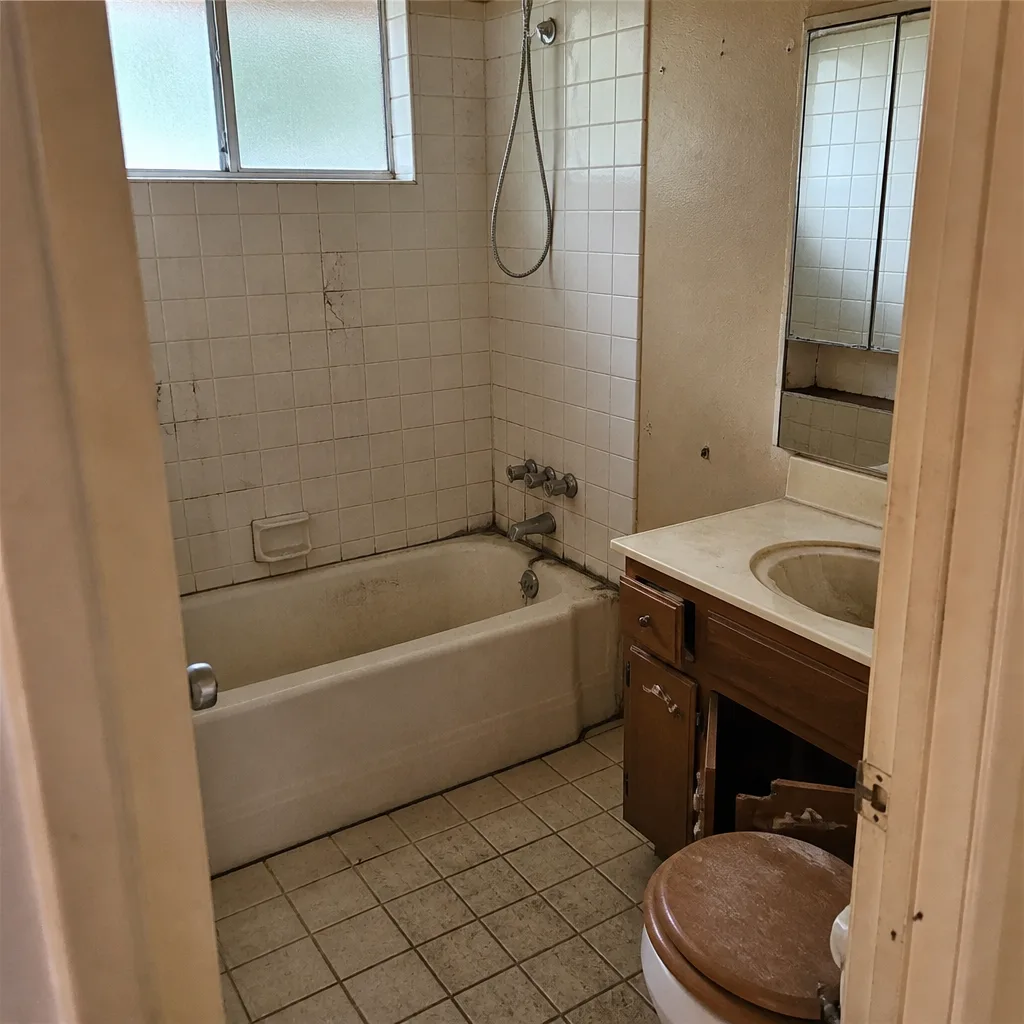 Before
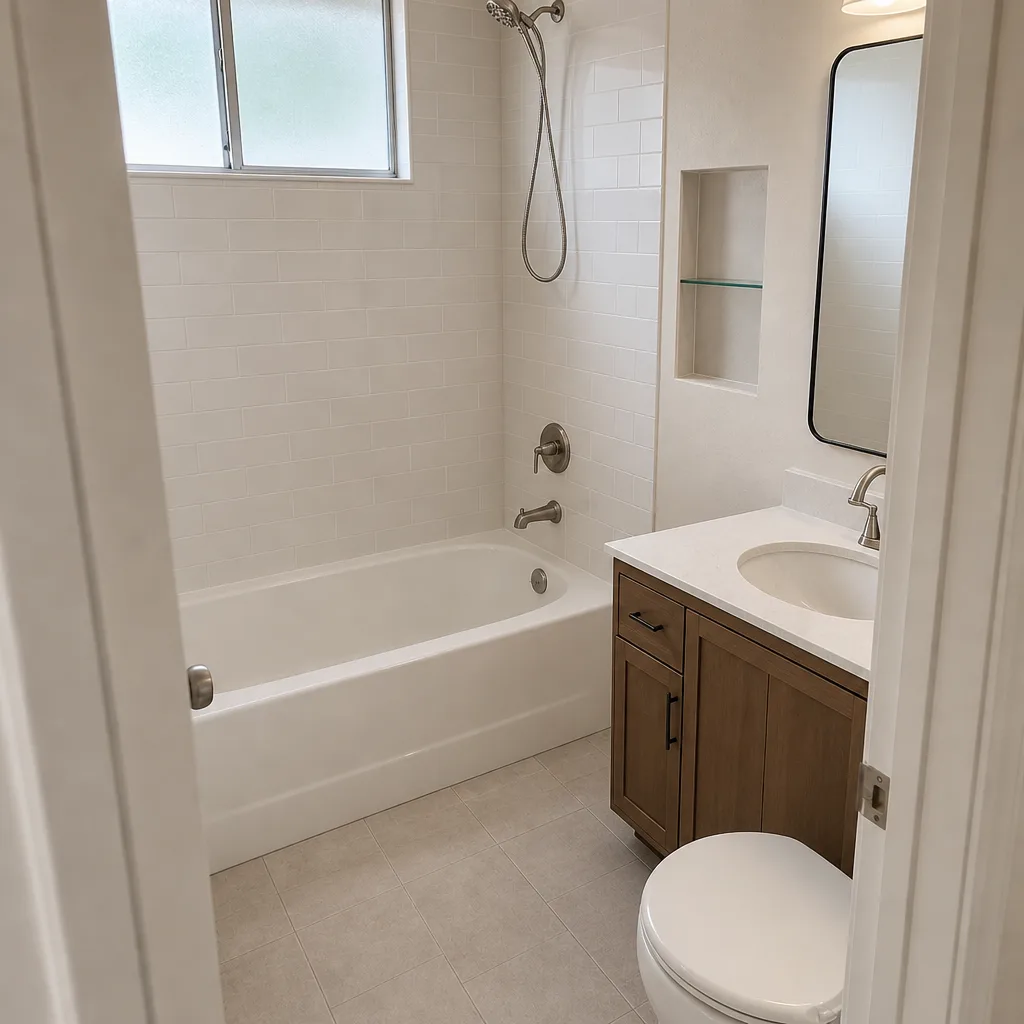 After
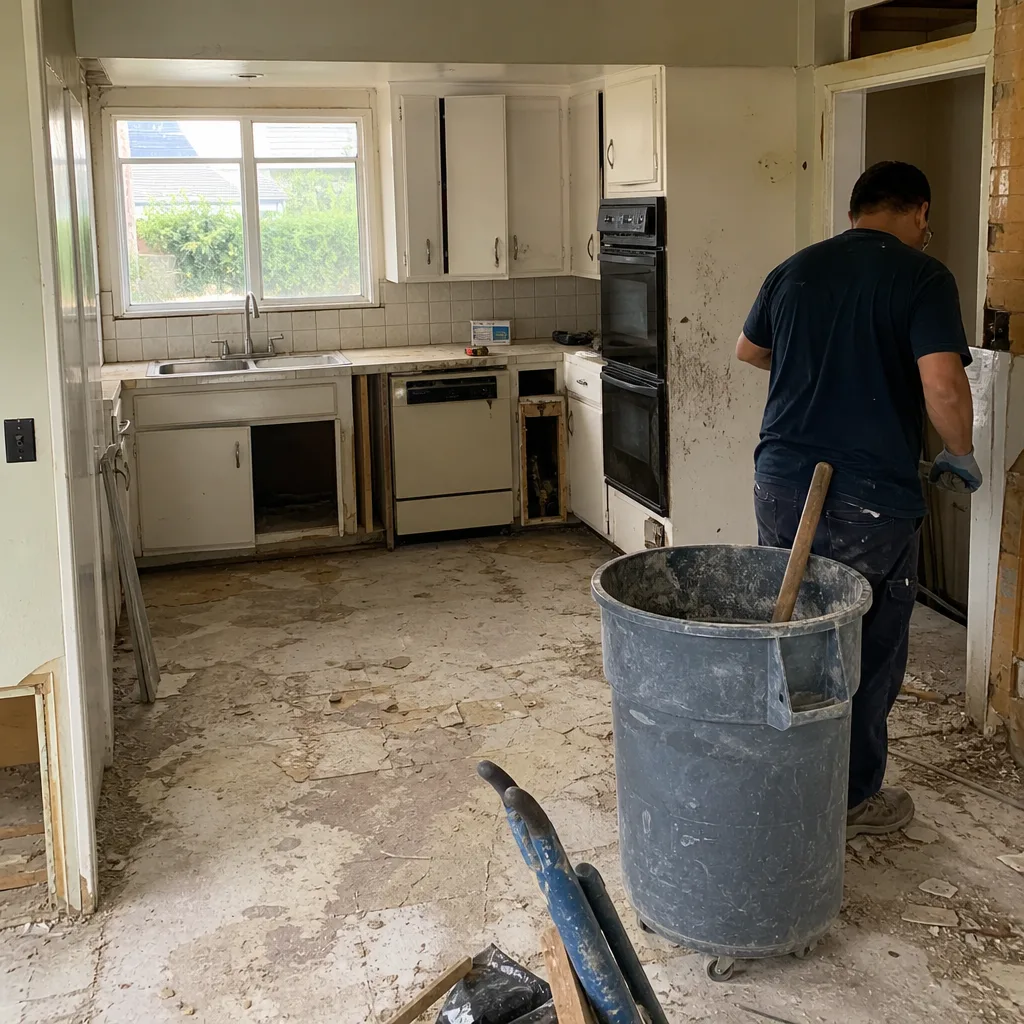 Before
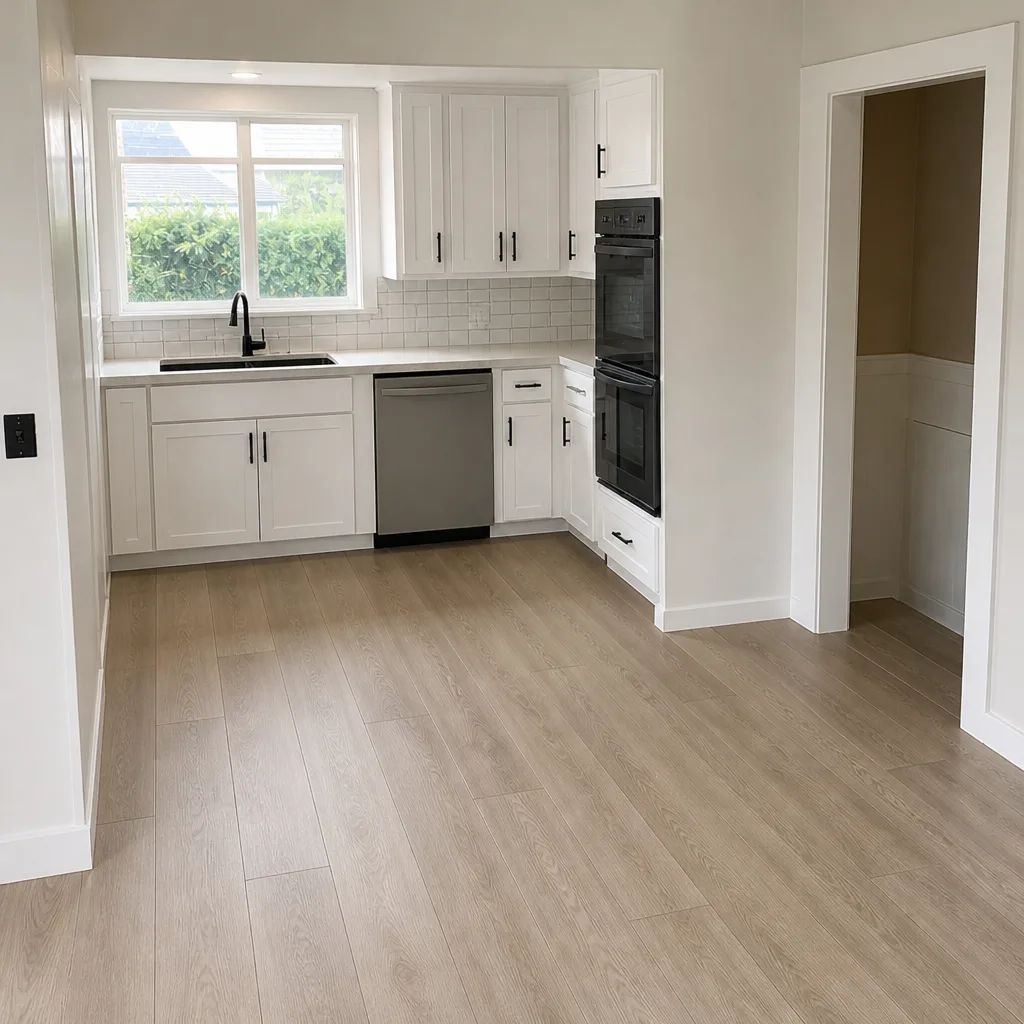 After
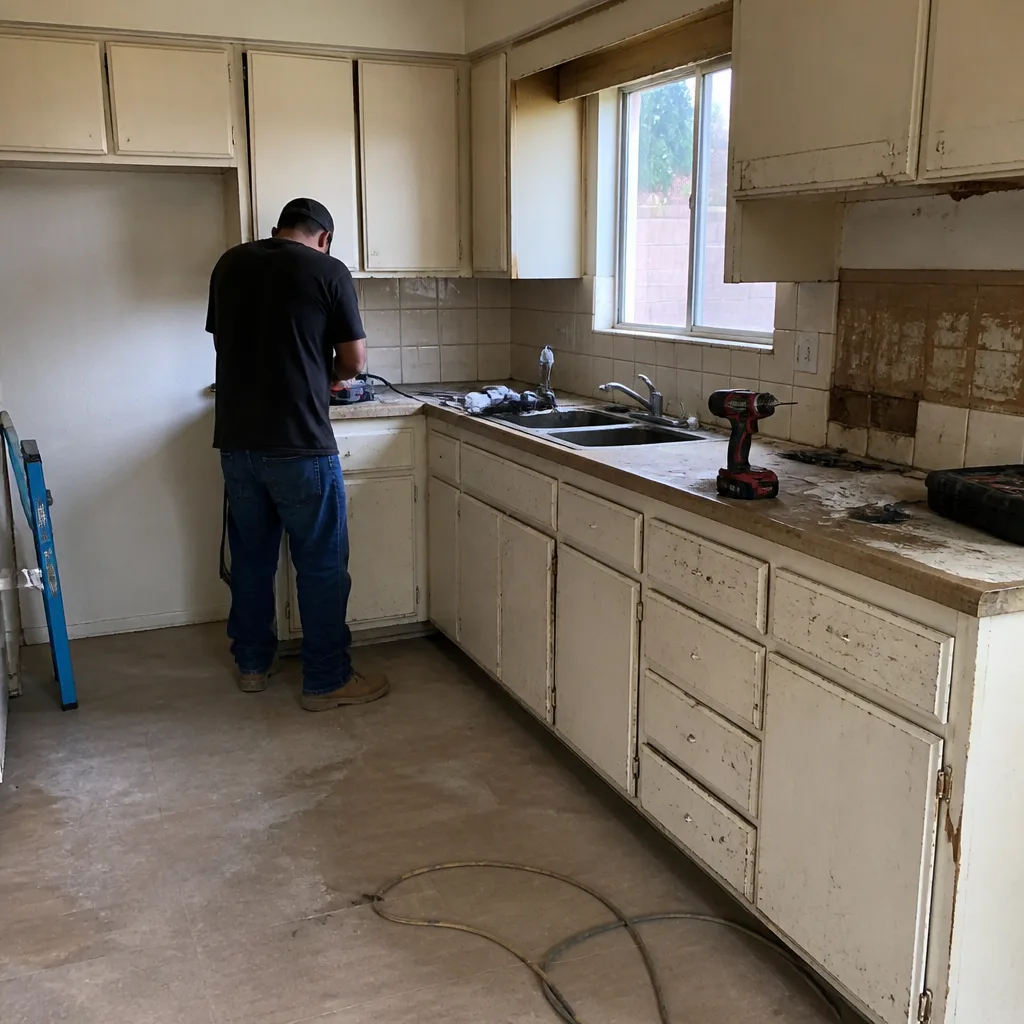 Before
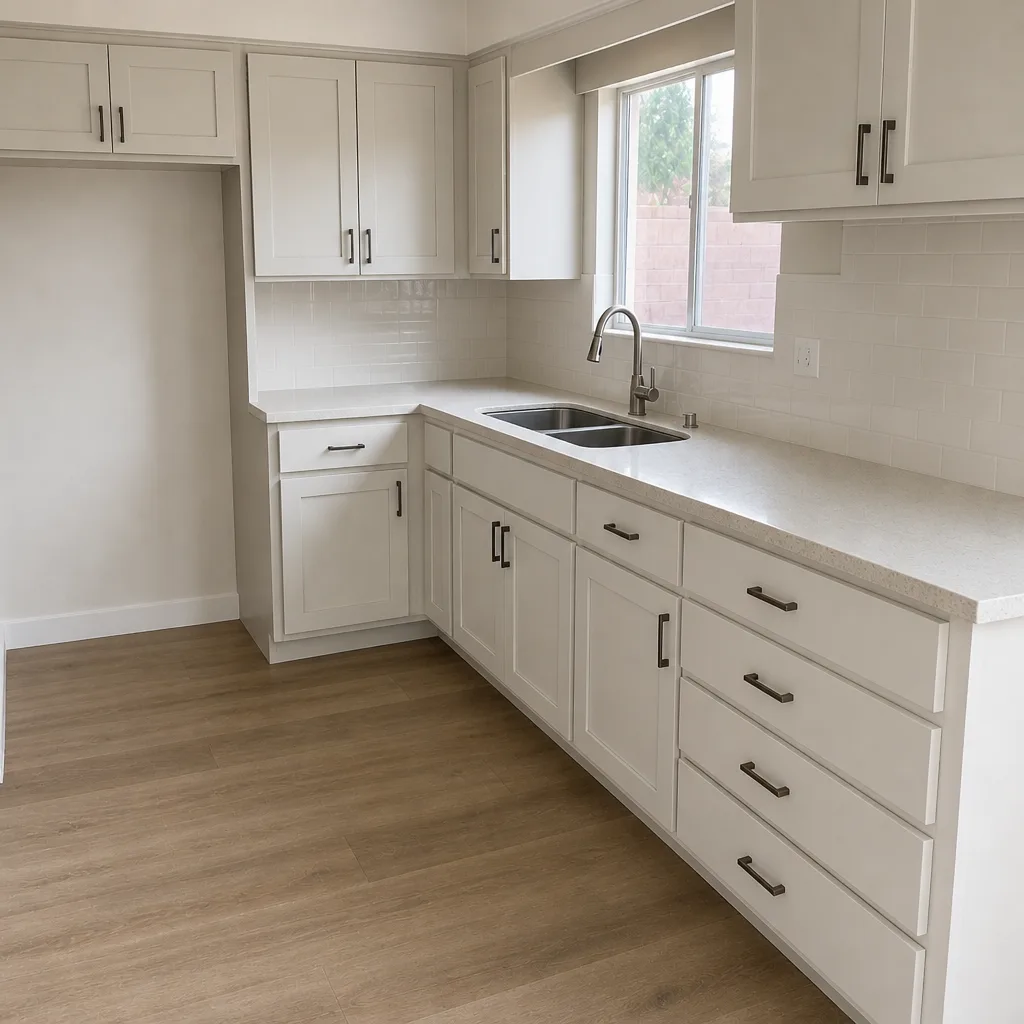 After
When to Call a Professional
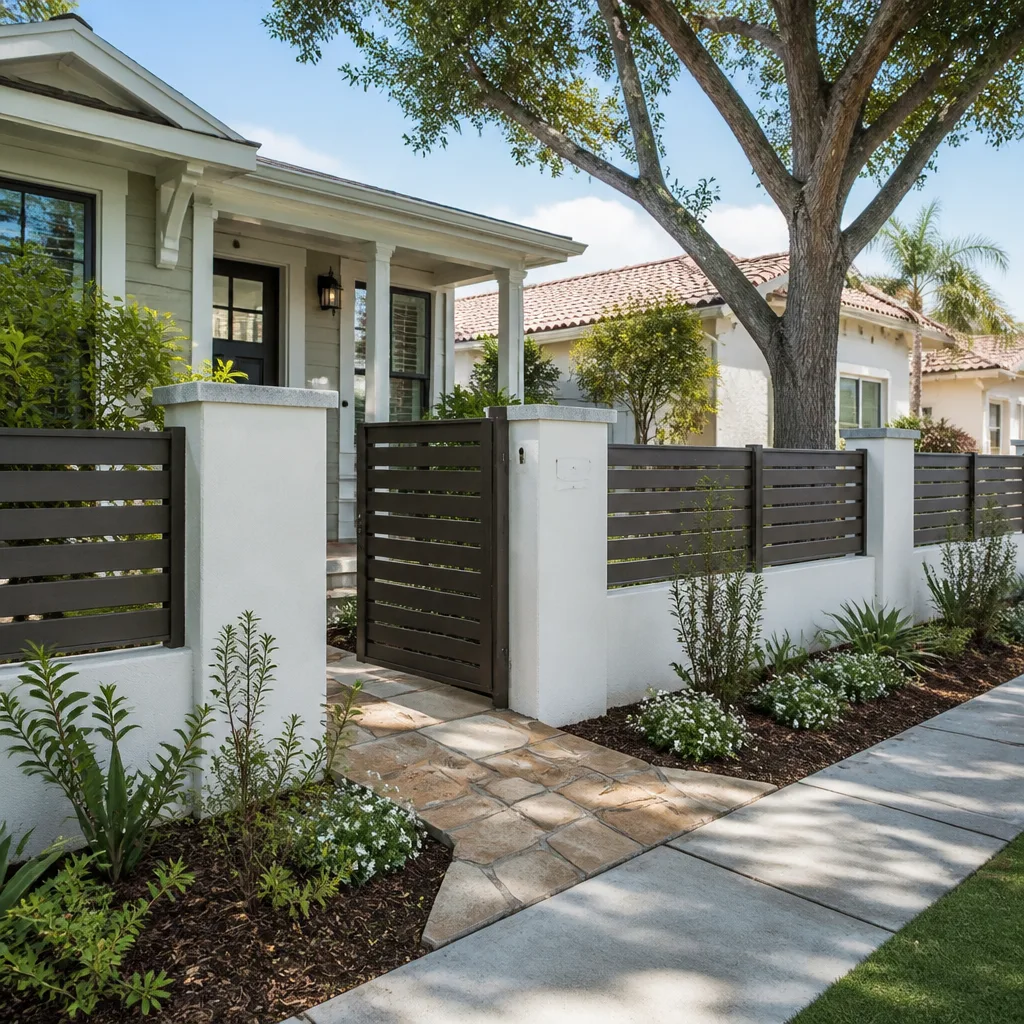
Some fence projects genuinely need a crew. If you’re setting new posts, running a boundary fence on a shared property line, building through a slope or a retaining wall, installing a gate over four feet wide, or replacing a fence that failed inspection, a professional is the right call. Fence work that connects to a permit – a fence over the height limit, a corner-lot sight triangle, a fence tied to a larger addition – also needs a professional, because the permit and inspection have to be handled correctly.
Barrett & Sons Construction Huntington Beach offers free estimates in Huntington Beach for hybrid and turnkey fence jobs, with scopes broken out line by line and change orders in writing before anything shifts. Call (844) 320-2945 to schedule your free estimate – estimates are free, the second opinion is free, and no trip charge inside the county. You’ll talk to a live person, not a voicemail box, and you’ll get a written scope before you commit to anything.
Frequently Asked Questions
Yes, for repairs and cosmetic work: board replacement, staining and sealing, gate adjustment, and hardware swaps are all reasonable DIY projects. For a new fence with new posts, the post-setting step requires depth, concrete mix, cure, and plumb to be right the first time, and most homeowners are better off hiring a crew for the structure and doing the boards and finish themselves.
Turnkey professional installs on a 100-foot wood privacy fence typically run $6,500-$12,000 in Huntington Beach depending on materials, gates, and site conditions; a full DIY project runs around $3,000-$5,500 in materials and tool rental before mistakes; and a hybrid approach (professional structure, homeowner finish) commonly lands in the $4,500-$7,500 range. Call (844) 320-2945 for an exact quote on your specific project – estimates are free.
A standard six-foot privacy fence in a rear or side yard often doesn’t require a building permit, but height limits, front-yard setbacks, corner sight-triangles, HOA rules, and historic districts all apply regardless. Check with the Huntington Beach Planning Division before you dig, and get any shared-line agreement with your neighbor in writing.
Stop immediately, don’t attempt to repair it yourself, and call the utility company or 911 if the line is a gas or electrical service line. The repair cost and liability fall on you as the homeowner, which is why the free 811 mark-out call is non-negotiable before any dig near your fence line.
At least twenty-four hours with fast-setting post concrete and forty-eight to seventy-two hours with standard concrete mix. Loading the posts before the concrete has cured is the most common reason a DIY fence leans within a year, and it’s the single easiest mistake to avoid by just waiting.
A hybrid job splits the scope: the professional crew handles demo, post setting, framing, and gates; the homeowner handles boards, staining, and hardware. Turnkey means the crew handles everything from layout to cleanup, with permits and inspections included. Both are common in Huntington Beach; the right choice depends on how much of the honest DIY-viable work you want to take on. Call (844) 320-2945 to talk through which one fits your project.
The Bottom Line
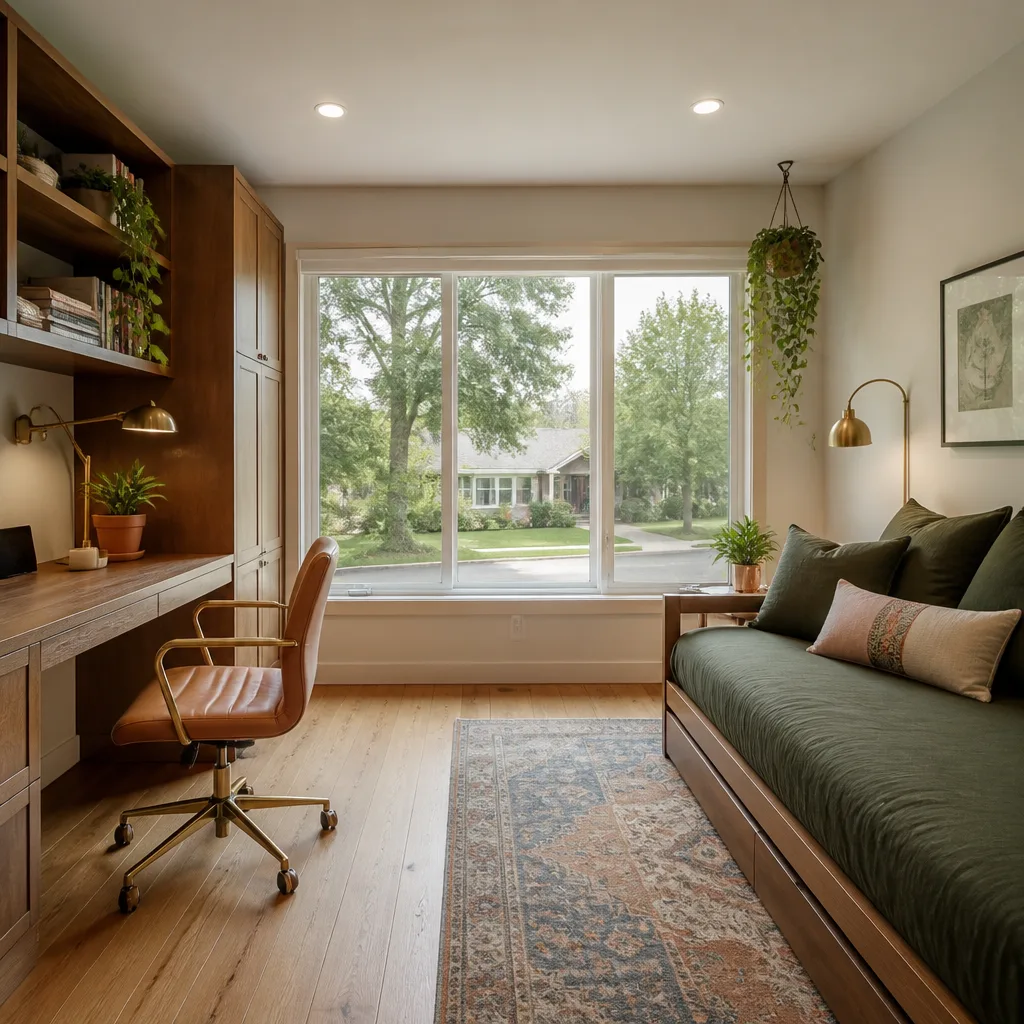
Fence work has a wider DIY-viable range than most trades, but the line is real: boards, stain, sealer, hardware, and gate adjustment are safe DIY projects, and post setting, railing, and gate hanging are not. In Huntington Beach, the sandy soil, the salt air, and the coastal sun all raise the stakes on those structural steps and reward the homeowners who plan for them. The hybrid approach is usually the winning move – professional structure, homeowner finish. And whether you DIY, hybrid, or go turnkey, get the scope in writing, check the license of anyone you hire, and remember that a 90-Day Done Right Promise only works if the company stands behind it. Barrett & Sons Construction Huntington Beach home is where the full list of services lives. Call (844) 320-2945 for a free estimate, a free second opinion on any written estimate, and no trip charge inside the county.
Written by the team at Barrett & Sons Construction Huntington Beach.