Last updated November 17, 2026



Free written scope consultation - allowances, timeline, and change-order rules on paper before a single trade is scheduled
DIY vs Professional Windows & Doors: What’s Safe to Do Yourself
Installing a window without a permit in California doesn’t just risk a fine. It means no inspector ever checked the flashing behind that window, the work shows as unpermitted on your title, and your buyer’s inspector will flag it every time you try to sell. We’ve torn out Huntington Beach window installs where the trim looked perfect and the sheathing underneath was soft as cardboard. The homeowner saved $600 on labor and spent $8,000 rebuilding a wall three years later. This guide draws the line for you: what’s a Saturday project and what’s a building envelope job that belongs to a licensed contractor.
Quick Answer
Replacing door hardware, weatherstripping, interior casing, and window screens is genuinely safe to do yourself. Replacing an entire window or exterior door is not. In California, full window and door replacement almost always requires a permit and a city inspection, and the inspection exists to verify the flashing and water barrier that keep your walls dry. Get that wrong and the damage stays hidden for one to three years, then shows up as rot, mold, and a wall repair that costs more than the window ever did.
Styles & brands we work with
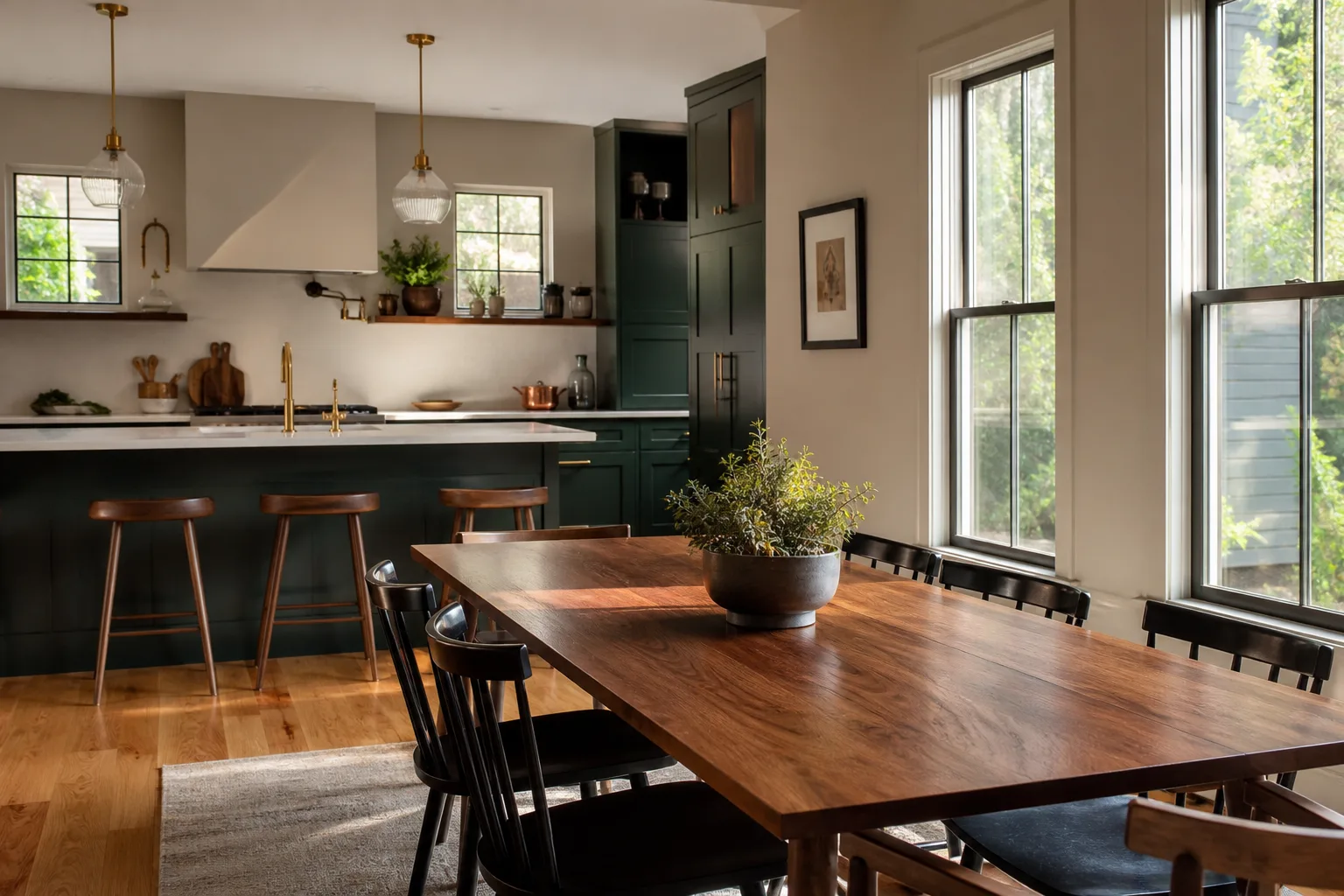
- Kitchen remodeling
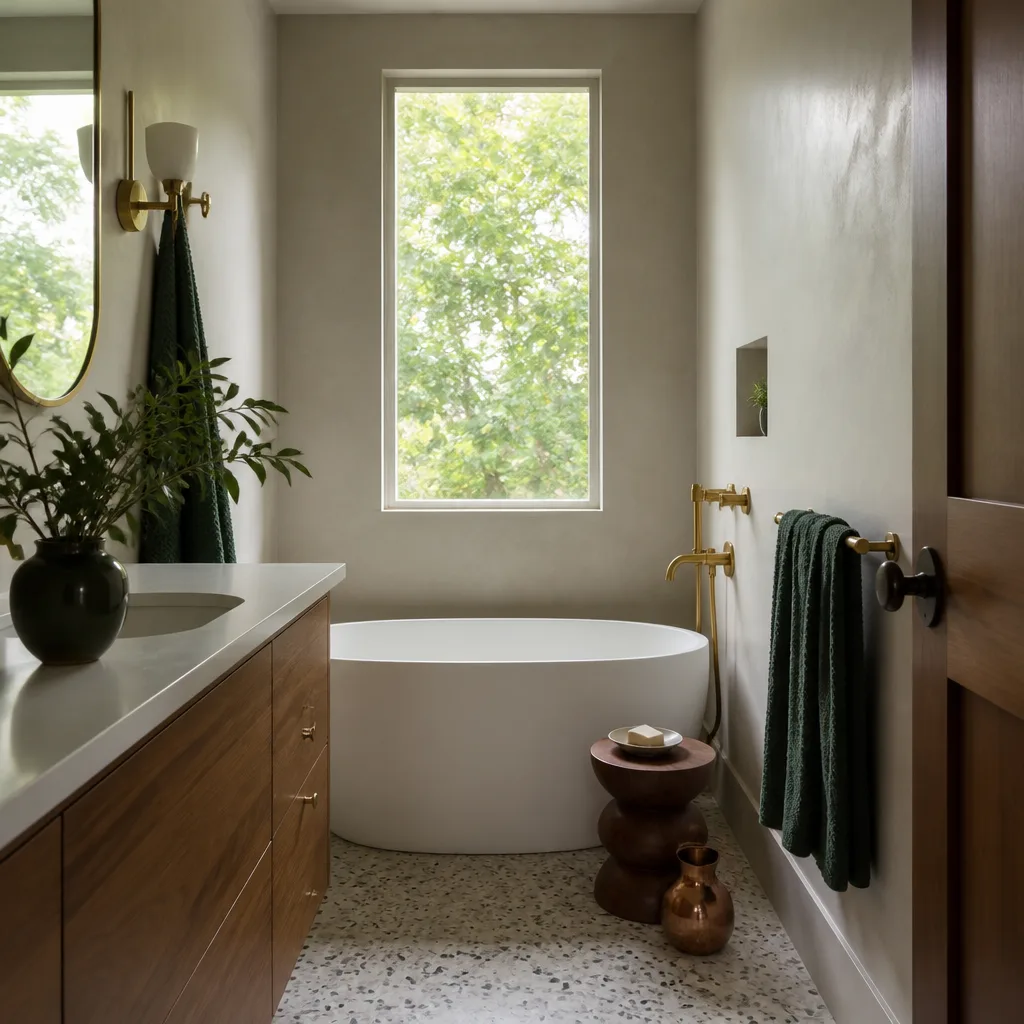
- Bathroom remodeling
- Home additions & ADU
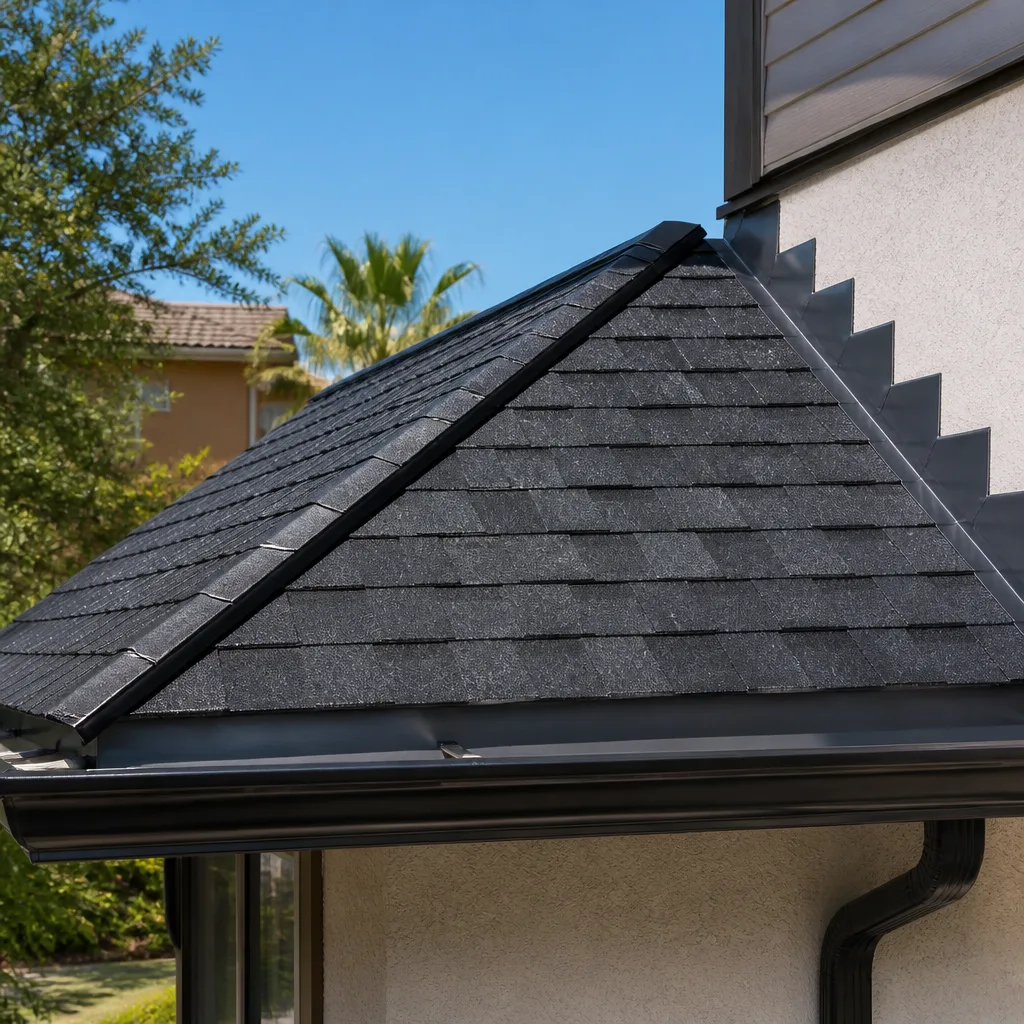
- Roofing
- Windows & doors
- Driveway & pavers
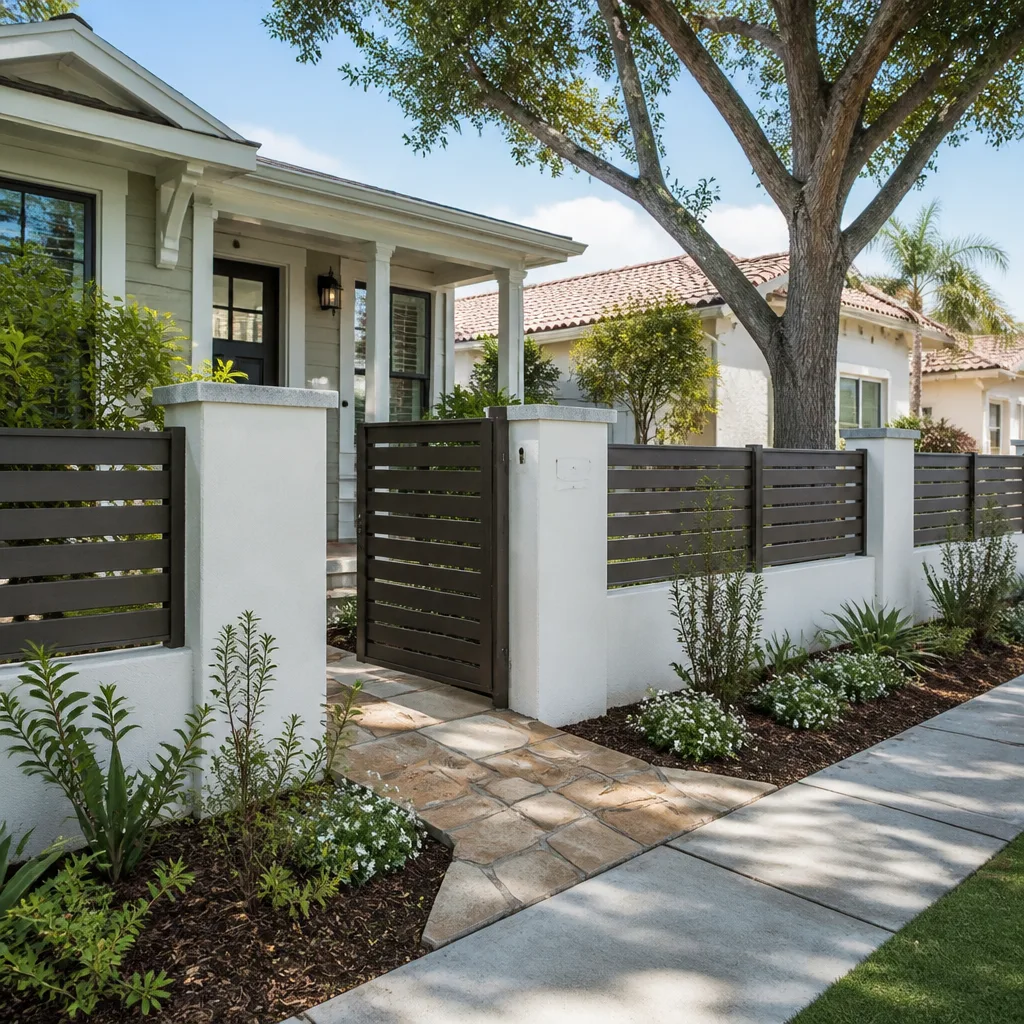
- Fence
Table of Contents
- What’s Actually Safe to Do Yourself
- Why Window and Door Replacement Needs a Permit in California
- The Flashing Problem: Why DIY Water Damage Stays Hidden for Years
- How to Tell If a Contractor Is Doing It Right
- The Real Cost of DIY Gone Wrong
- Doors vs Windows: Different Jobs, Different Risks
- Common Mistakes to Avoid
- When to Call a Professional
What’s Actually Safe to Do Yourself
There is a real list of window and door work a careful homeowner can handle, and it’s longer than most contractors will admit. The dividing line is simple: if the work stays on the surface of the wall or touches only the moving parts of the unit, it’s yours. If it opens the wall, changes the opening, or touches the water barrier, it isn’t.
Safe on your own:
- Replacing door handles, locksets, and deadbolts. Standard backset is 2-3/8 or 2-3/4 inches. Measure before you buy and this is an hour’s work.
- Hinges and door closers. Matching screw holes is the whole trick. If the old hinge tore out its screws, that’s a small wood repair, still manageable.
- Weatherstripping and door sweeps. This is the highest-value DIY on the whole list. A worn sweep in Huntington Beach lets in salt air, sand, and the occasional sideways rain, and replacing one costs under $30.
- Window screens. Re-screening a frame is a $15 kit and a warm afternoon. No permit, no risk.
- Interior casing and trim. Cosmetic wood around the inside of a window. If you’re replacing the same profile, you’re not touching the envelope.
- Caulking exterior joints and painting trim. Maintenance that extends the life of a professional install.
Not on your own, and we mean this plainly: pulling a whole window unit, enlarging or moving an opening, replacing a sliding door, and anything that touches the flashing. Those are envelope work. They change how your house sheds water, and they carry permit obligations. If you’re planning a bigger change like a new opening or a slider, that work often ties into a larger structural project, which is where our guide to Home Additions & ADU in Huntington Beach becomes useful.
Why Window and Door Replacement Needs a Permit in California
Most homeowners assume a contractor who says “permits are optional” is saving them money. He’s saving himself a schedule and pushing the risk onto you. In California, replacing a window or exterior door in a like-for-like opening generally requires a building permit because the work affects the building envelope, energy compliance, and egress. A smart contractor pulls it every eligible time. The permit inspector works for you, not for us, which is exactly why we like him.
What the inspection is actually checking:
- The rough opening and framing. Was the opening squared and repaired properly, or was a new unit jammed into rot?
- Flashing and the water-resistive barrier. Is there a sill pan under the unit, is the house wrap lapped correctly, and is the tape actually adhered?
- Fastening. Are the screws through the flange into solid framing, spaced per the manufacturer’s instructions?
- Insulation and air sealing. Gaps packed and sealed, so you’re not feeding the marine layer into your living room.
- Egress and safety glazing. Bedroom windows have to open and be sized for escape; glass near a door or low to the floor needs to be safety glass.
- Title and records. The permit closes with an inspection signature, so the work records as permitted. That matters at resale.
Huntington Beach sits in a coastal zone with its own wind-driven rain and salt exposure, and the city takes water management at openings seriously. When a permit is pulled and an inspection is signed, you get a paper trail. When it isn’t, you get a problem that waits until the worst possible moment to surface.
The Flashing Problem: Why DIY Water Damage Stays Hidden for Years
Here’s the part almost nobody explains. A window installed with bad flashing looks perfect on day one. The trim is straight, the caulk is clean, the unit operates smoothly. Water doesn’t announce itself. It gets behind the trim, runs down the back of the sheathing, and sits at the framing where there’s no sun and no airflow to dry it.
In our experience, that damage surfaces on a predictable clock. One to three years. You notice a soft spot under the window, a bubble in the paint, a musty smell in the closet, or a stain on the ceiling below. By then the sheathing is rotted and the repair isn’t a window problem anymore; it’s a wall problem. Sometimes it’s a framing problem.
Why it’s worse near the coast: Huntington Beach gets driven rain off the ocean, and salt air slows drying. Add morning marine layer dampness and a wall cavity that doesn’t breathe, and a small flashing miss becomes a big one faster than it would inland. The two things that do the protecting:
- A sill pan. A formed or taped pan under the window that routes any water that gets in back out to the exterior.
- Correctly lapped weather barrier. House wrap and flashing tape shingled so water always flows downhill and outward, never into the cavity.
Neither is visible when the job is done. That’s the whole problem. You cannot inspect your own flashing six months later, because it’s buried behind a finished wall.
How to Tell If a Contractor Is Doing It Right
You don’t need to install a window to know whether the person installing yours is doing it properly. You need to know what good looks like and ask three or four direct questions. A company that does it right will answer without flinching. One that doesn’t will get vague.
What proper flashing looks like during the job:
- A sill pan or a taped, sloped sill under the unit before it’s set.
- House wrap cut and lapped correctly around the opening, not just stapled over the flange.
- Flashing tape applied over the flanges in the right order: bottom, sides, then top, so water shingles out.
- Fasteners through the flange into framing, not just into sheathing or trim.
- Spray foam or insulation around the perimeter, then backer rod and sealant where the exterior joint gets caulked.
Questions worth asking before you sign:
- Will you pull the permit, and is it included in the price I’m looking at?
- Can you show me how you handle the sill pan and flashing on a window like mine?
- Who from the city inspects, and will you walk me through the signed inspection?
- Are there any allowance items in this scope, and will any change come to me in writing first?
- What does your warranty cover if there’s a leak at the opening?
For a Huntington Beach replacement, ask which brands they set. We install Andersen and Marvin because they’re materials you can look up and read the install spec for, not mystery brands off a van. And every scope, every allowance, and every price change arrives in writing before work happens, because the allowance that isn’t on paper is a surprise waiting for a date.
The Real Cost of DIY Gone Wrong
Let’s do the math the way a homeowner actually experiences it. The numbers below are what we’ve seen on jobs around Huntington Beach, not a national average.
- A $400 window unit bought off the shelf, plus a weekend of your time, versus a professional install with permit, flashing, and inspection.
- Skipped sill pan and bad flashing: water entry invisible for 1-3 years.
- What it takes to fix it: cut out the interior drywall, remove trim, replace rotted sheathing and framing, re-flash the opening, reinstall the window, re-insulate, re-drywall, re-texture, and repaint. That runs roughly $8,000 when it’s a full wall and a two-window section, and it doesn’t include dry-rot repair if the framing’s gone.
- The title problem: unpermitted work shows up at sale. Your buyer’s inspector flags it, the buyer asks for a credit or wants it permitted retroactively, and you’re negotiating from weakness with a clock running.
So the honest math is this: the professional install with a permit costs more on the front end and far less on the back end. That’s the whole trade. A cheap window install is cheap because something got skipped, and the skipped thing is always something you can’t see.
We’ve also seen this same mistake pattern in other trades. Stamped pavers laid over an unprepared base fail the same way a badly flashed window does: it looks great until the first real weather. If you’re weighing a hardscape project too, the logic in our Driveway & Pavers in Huntington Beach work runs parallel. Prep is the invisible part that decides whether it lasts.
Doors vs Windows: Different Jobs, Different Risks
Exterior doors get grouped with windows, and they share the permit and flashing logic, but the risks aren’t identical. An entry door has a threshold that sits directly on a weather-exposed surface, and a poorly set threshold is where water gets in first. A sliding patio door has a large, heavy opening and a track that has to drain.
What makes exterior doors riskier on a DIY basis:
- Threshold sealing. The sill has to sit level, be flashed underneath, and be caulked with a backer so water can’t wick up. Get this wrong and you get rot at the subfloor under the door.
- Weight and fit. A patio slider is not a one-person job, and a door set out of square will drag, leak air, and fail early.
- Egress and safety glazing. Glass in a door and any glass near the floor usually needs to be safety-glazed, which is a code question, not a preference.
- Structural opening. If the new door is a different size, you’re changing the rough opening, and that means framing work and inspection.
Interior door replacement is a different story. Swapping a pre-hung interior door in the same opening, in a dry interior wall, is genuinely a homeowner-level project if the jamb is solid. That line, interior versus exterior, is a pretty reliable guide to what’s safe to try.
Common Mistakes to Avoid
- Assuming a contractor who skips the permit is saving you money. He’s saving himself paperwork. You inherit the unpermitted work and the resale problem. In Huntington Beach, the last contractor most customers used told them permits were optional; that’s a red flag, not a discount.
- Caulking the problem instead of flashing it. Caulk is a maintenance seal, not a water barrier. It fails in a year or two on a coastal wall, and by then the water has already gotten behind the trim.
- Buying the window before checking the opening. Measure the rough opening, not the old unit’s face trim. A quarter-inch off is a half-day of extra work and a return trip to the store.
- Replacing a sliding door without a second set of hands. It’s heavy, it’s awkward, and a dropped slider damages the frame and the floor. This is where homeowners call us mid-project.
- Ignoring the third-year leak. A soft spot under a window or a paint bubble is the signature of a bad flashing job, not a bad paint job. Open it up instead of repainting over it.
- Putting a fence post against an unpermitted opening. Sounds unlikely, but we’ve seen landscape work hide problems. If you’re doing Fence Installation in Huntington Beach, keep posts clear of window openings and drainage paths.
- Skipping the inspection to save a week. The inspector isn’t your enemy; he’s the person who confirms the part you can’t see got done. The signed inspection is the reason you sleep at night and the reason a buyer trusts the paperwork.
When to Call a Professional
Call a professional when the work opens the building envelope, changes an opening, or touches the flashing. Specifically: any full window replacement, any exterior door or slider replacement, any enlargement or relocation of an opening, any job where you’re repairing rot behind a unit, and any window in a bedroom or near a floor where egress and safety glazing apply. If the existing trim comes off and there’s soft wood or rusty fasteners underneath, stop and get someone who’s seen that movie before. The 20% of window and door work that looks like the 80% is the part that wrecks a wall. Barrett & Sons Construction Huntington Beach offers free estimates in Huntington Beach. Call (844) 320-2945 to schedule one, and ask about the Free Second Opinion on Any Written Estimate if you already have a quote in hand.
See the difference
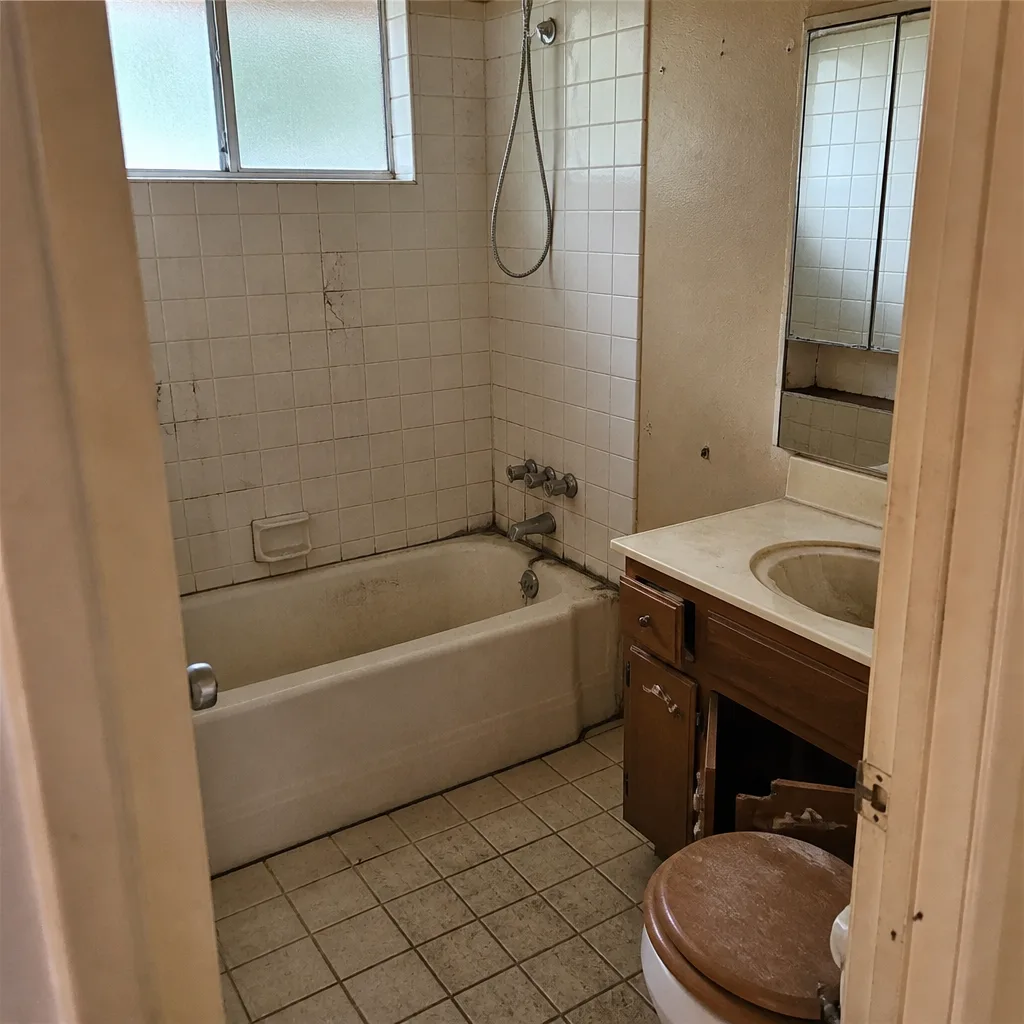 Before
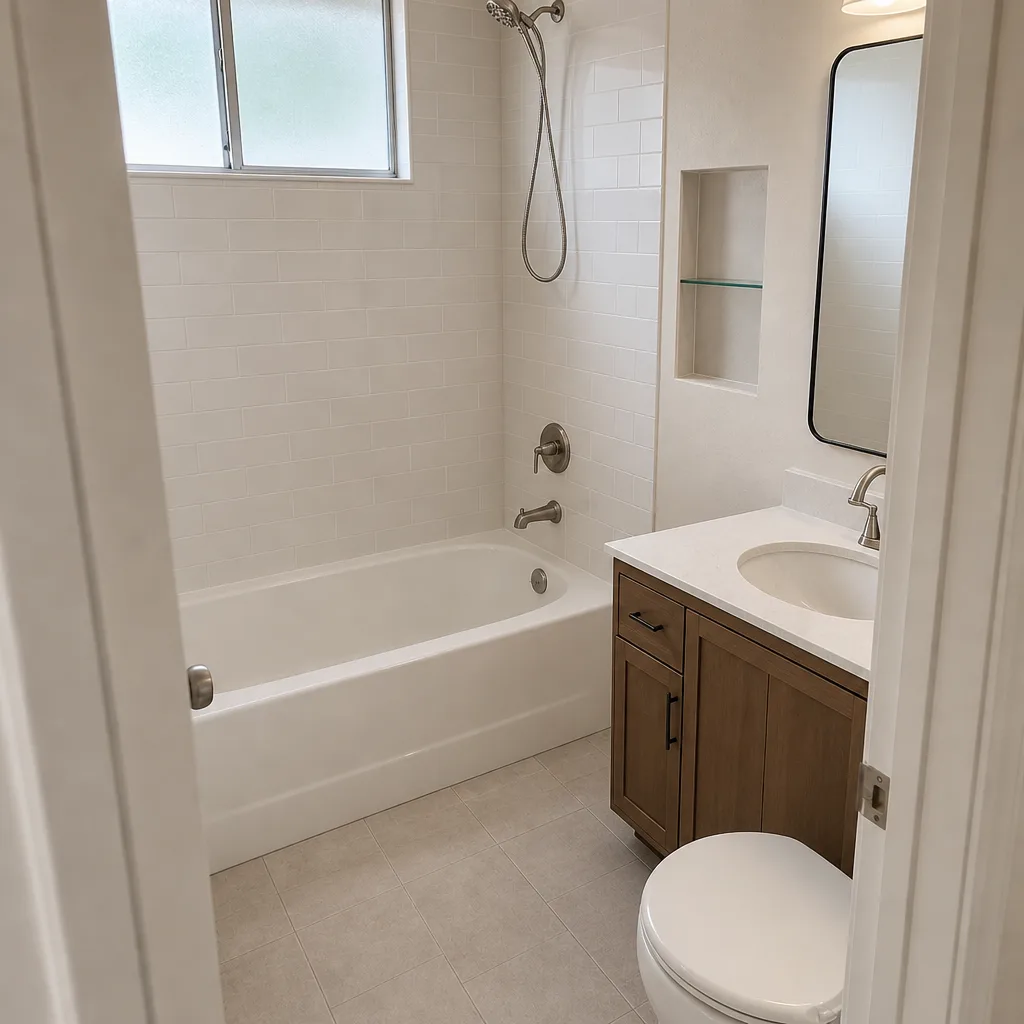 After
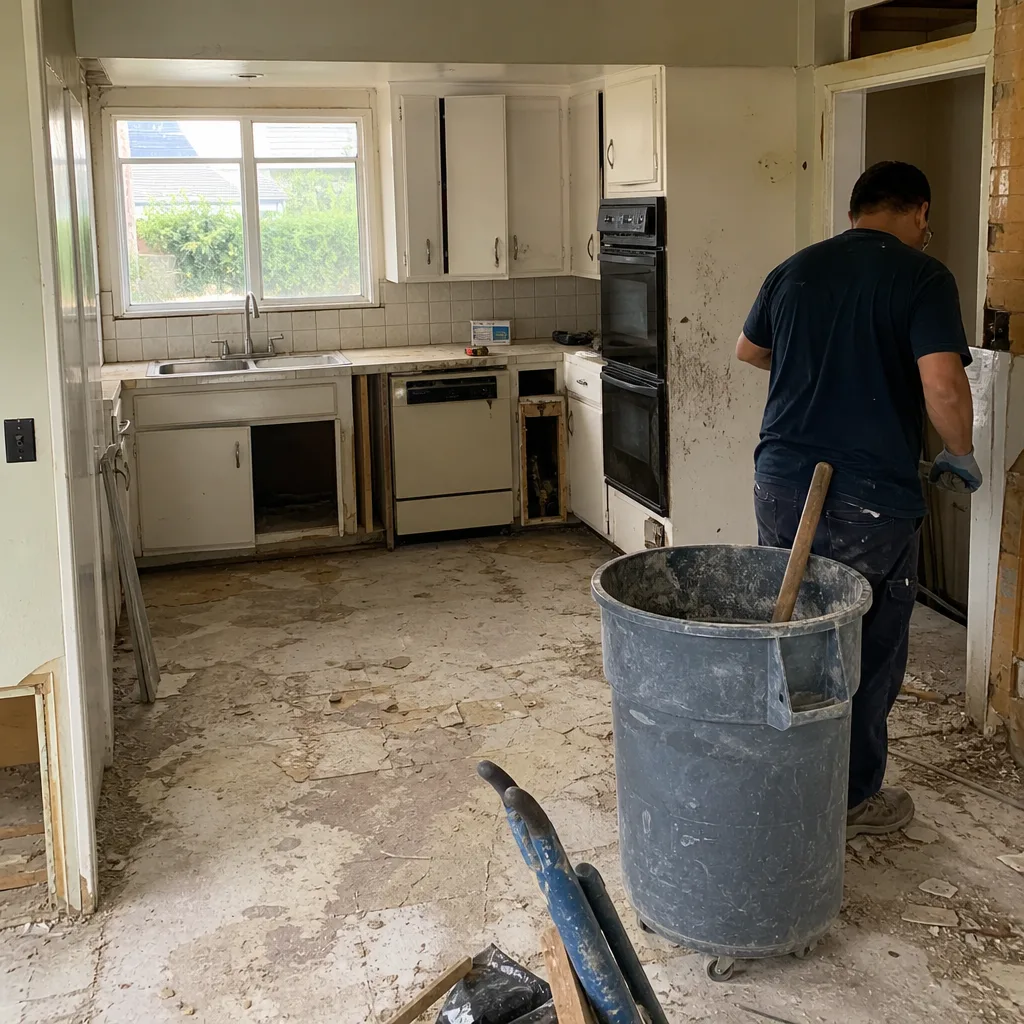 Before
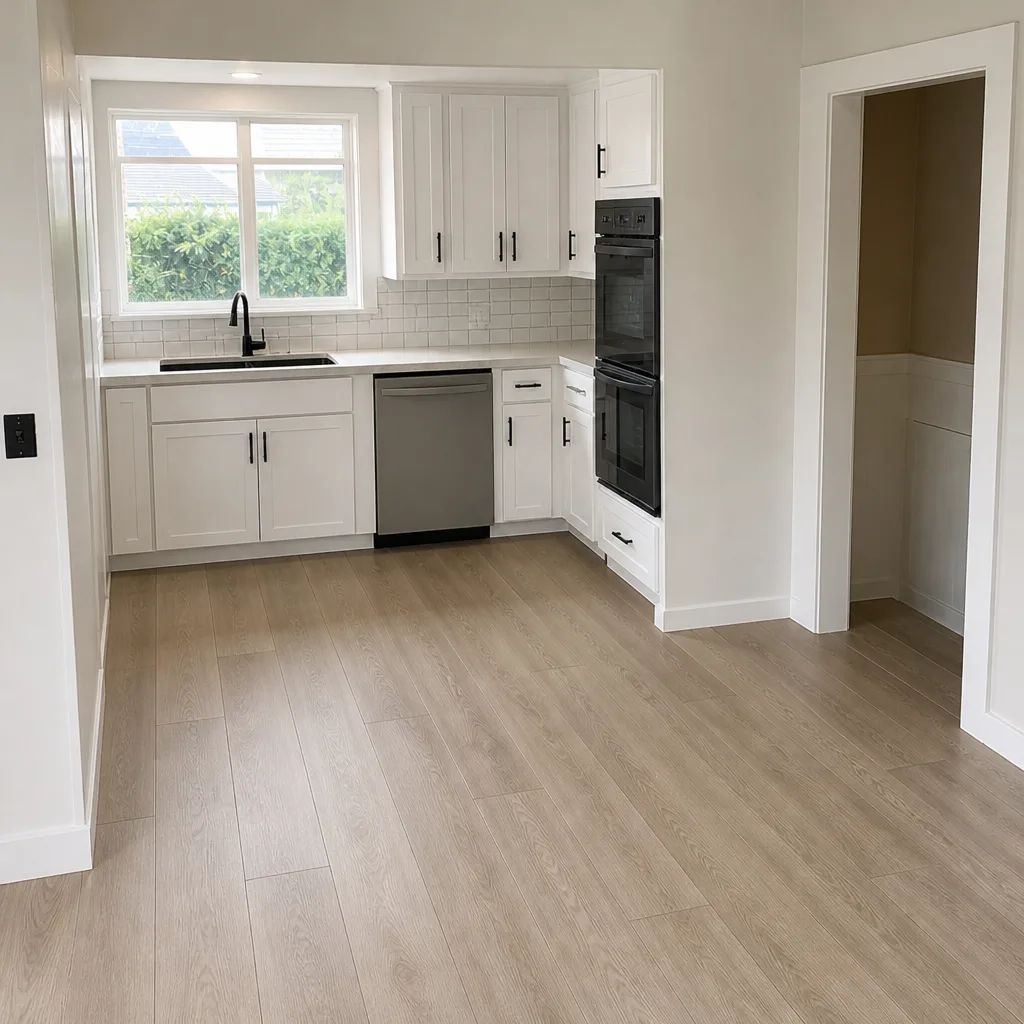 After
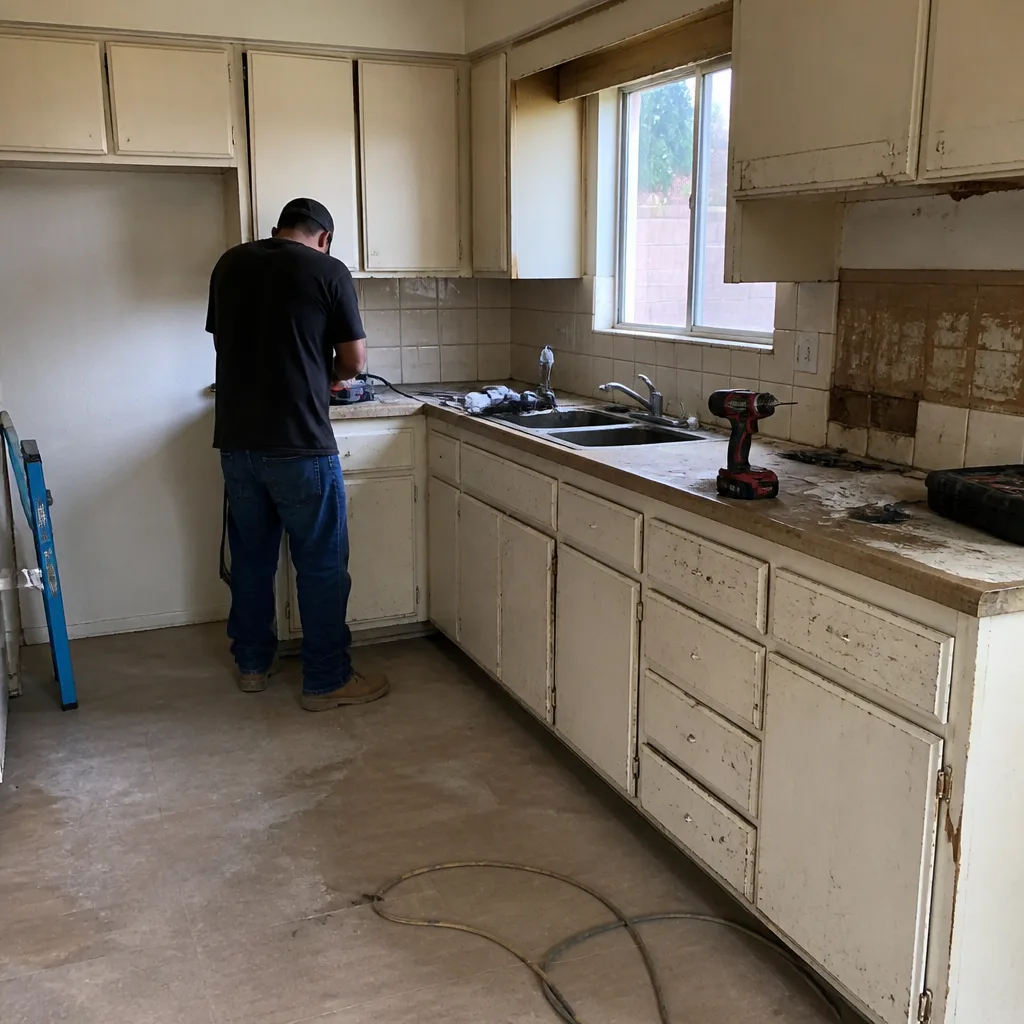 Before
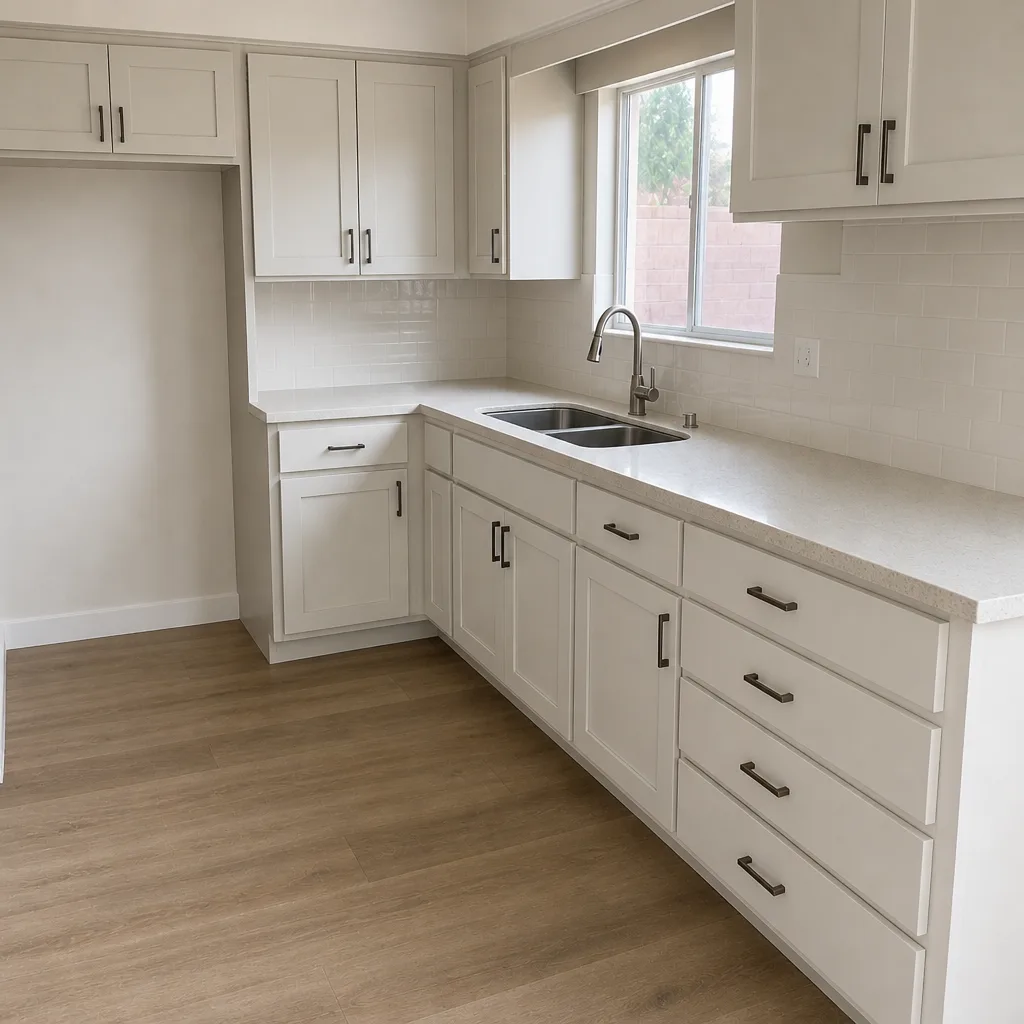 After
Frequently Asked Questions

Yes, in most cases. Like-for-like window and exterior door replacement in California generally requires a building permit, and Huntington Beach follows that rule. The inspection verifies flashing, water barrier, fastening, insulation, and egress. A contractor who tells you permits are optional is telling you they plan to skip the checks. Call (844) 320-2945 for a free estimate that includes the permit in the scope.
No, not safely on an exterior wall, and the reason isn’t the video. The reason is the flashing, the water barrier, and the permit inspection, which a video can’t observe or sign off on. A badly flashed DIY window looks perfect and leaks for one to three years before the damage shows. Keep your DIY to hardware, weatherstripping, screens, and interior trim.
It depends on the unit type, size, and what’s behind the existing window, so we quote each job individually with line items in writing before work starts. What we can tell you is the cost of getting it wrong: skipped flashing on a window can lead to roughly $8,000 in wall repair once rot and sheathing replacement are involved. Call (844) 320-2945 for an exact quote. Estimates are free.
Because the water dries slowly in a wall cavity, and the rot has to work through the sheathing before it reaches the drywall or trim you can see. The first sign is usually a soft spot, a paint bubble, or a smell, one to three years after the install. Coastal humidity and driven rain off the ocean speed it along, which makes it worse in Huntington Beach than further inland.
Not without your signature. Every scope and every allowance goes into writing, and any price change arrives as a written change order before it touches the job. No surprise invoices at the end. You’re welcome to get the property’s permit history and our license number and check both before you sign anything. Call (844) 320-2945 to start with a free estimate.
Ask whether the permit is included in the price, how they handle the sill pan and flashing, who inspects, whether there are allowance items, and what the warranty covers on a leak at the opening. A contractor who does the work right answers all five without pauses. If you already have a written estimate, our Free Second Opinion is exactly what it sounds like. Call (844) 320-2945.
The Bottom Line
Door handles, hinges, sweeps, screens, caulk, and interior trim are yours. Full window and door replacement belongs to a licensed contractor with a permit, because the part that matters, the flashing and water barrier, is the part you’ll never see again once the trim goes back on. The permit inspection is your protection, not an obstacle, and the $8,000 wall repair behind a $400 DIY window is the trade you’re making. If the work is envelope work, get it done right and get it inspected. For larger renovation work, start from our Barrett & Sons Construction Huntington Beach home page and we’ll point you to the right project.
Contact
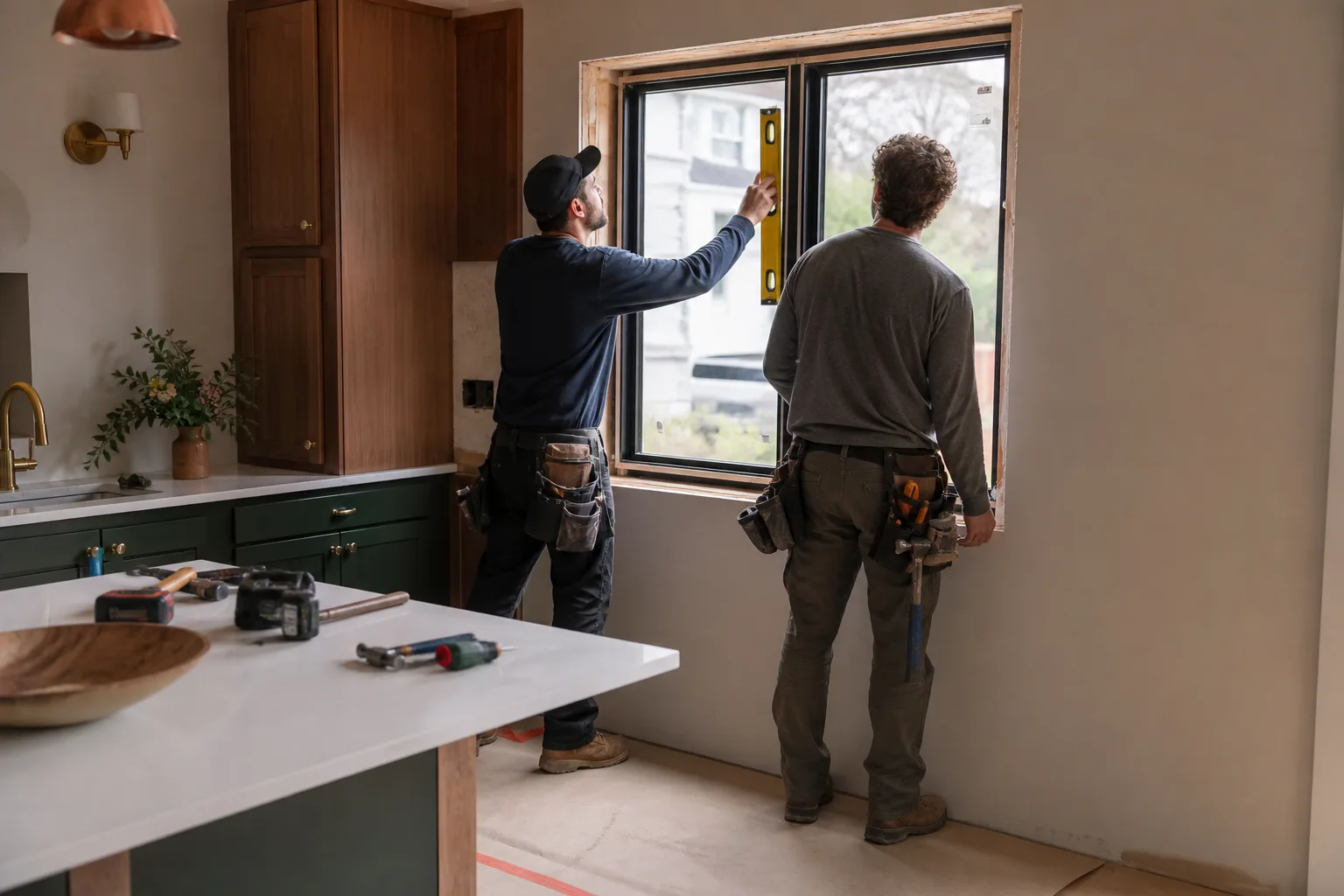
If you’re in Huntington Beach and weighing a window or door project, start with a free estimate from Barrett & Sons Construction Huntington Beach. Call (844) 320-2945. A live person answers, day or night. Every eligible job includes the permit pulled and the inspection signed, every price change comes in writing, and every completed job is backed by the 90-Day Done Right Promise. We also offer $40 Off Any Repair Over $200, No Trip Charge Inside the County, and a permanent 10% Senior & Veteran discount.
Written by the team at Barrett & Sons Construction Huntington Beach.