Last updated November 17, 2026


Free written scope consultation - allowances, timeline, and change-order rules on paper before a single trade is scheduled
The Complete Guide to Construction in Huntington Beach
Huntington Beach sits in a coastal zone where the International Building Code and California’s Title 24 are just the floor. The city’s Local Coastal Program can add weeks and thousands of dollars to a project that would sail through two miles inland. That’s the part most guides skip. Salt air eats fasteners, fill soil under half the downtown lots pushes foundations deeper than a bid assumes, and the coastal permit desk runs on its own calendar. This guide maps every layer of that reality so you know exactly what you’re walking into before you spend a dollar in Huntington Beach.
Quick Answer
Construction in Huntington Beach costs more and moves slower than inland Orange County because coastal permit review, corrosion-resistant materials, and sandy or fill soil all pile onto the same job. A mid-size remodel here typically runs from permit submittal to final inspection sign-off in four to seven months, and the finished build has to hold up against salt air for decades. The two things that protect your budget are a written scope with every allowance spelled out and a contractor who knows the city’s coastal review rhythm before the drawings are drawn.
Styles & brands we work with
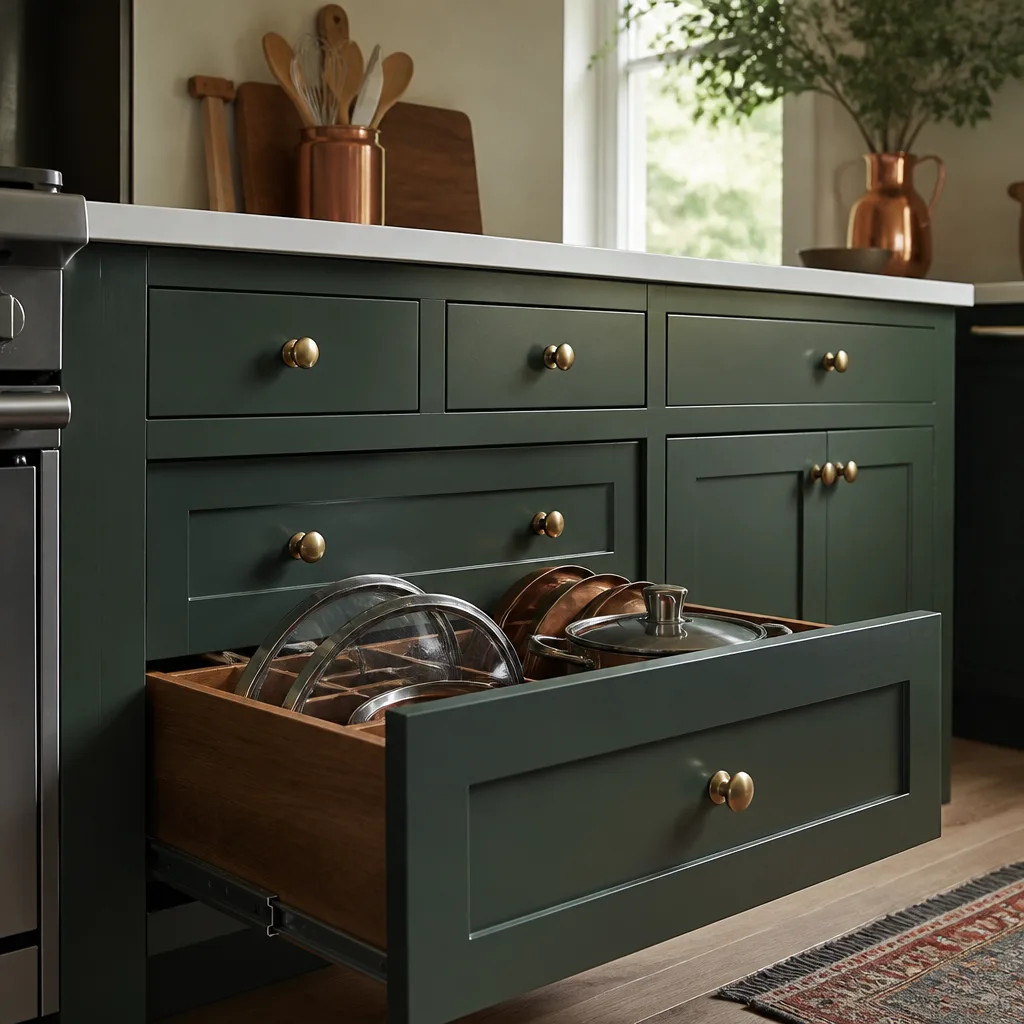
- Kitchen remodeling
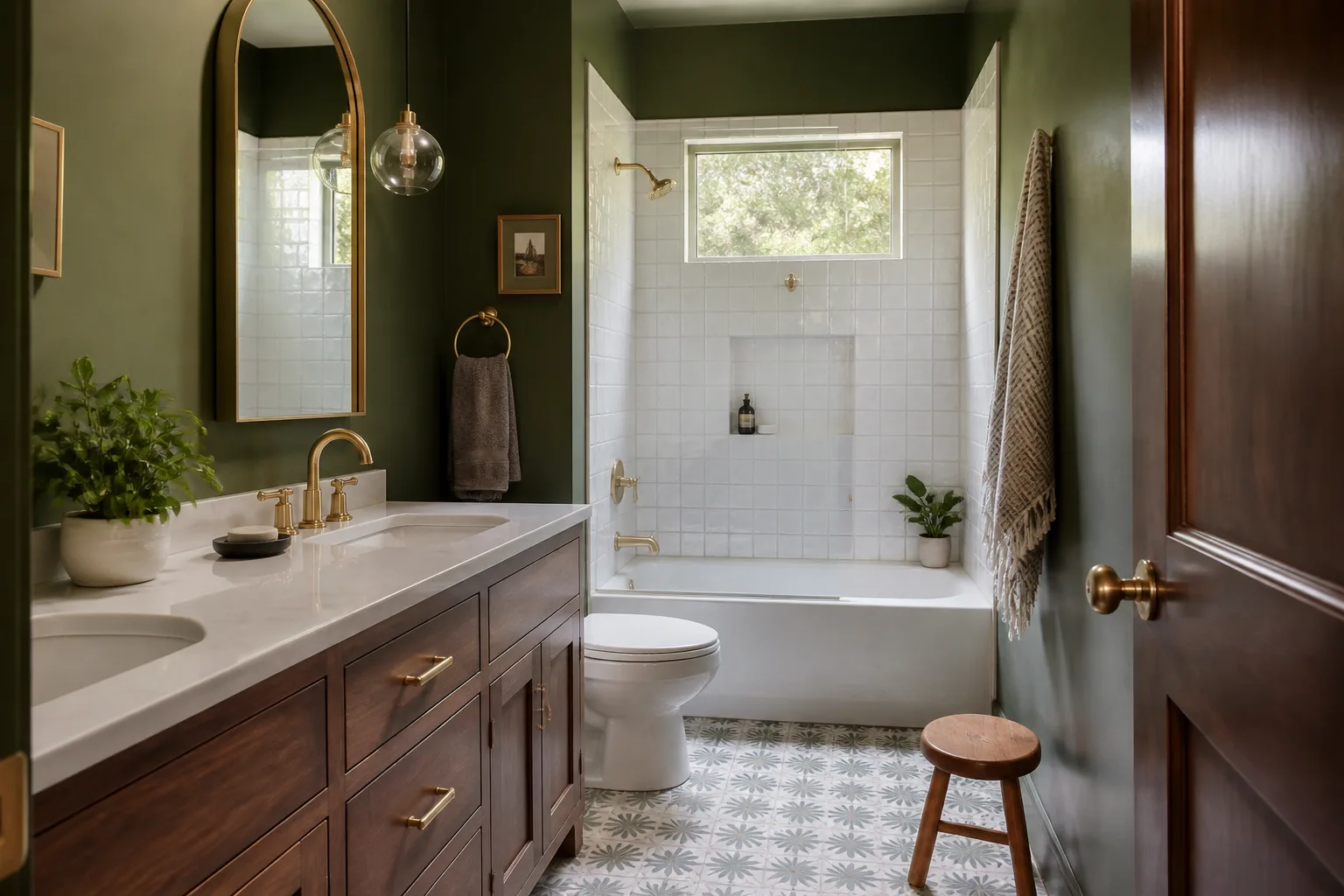
- Bathroom remodeling
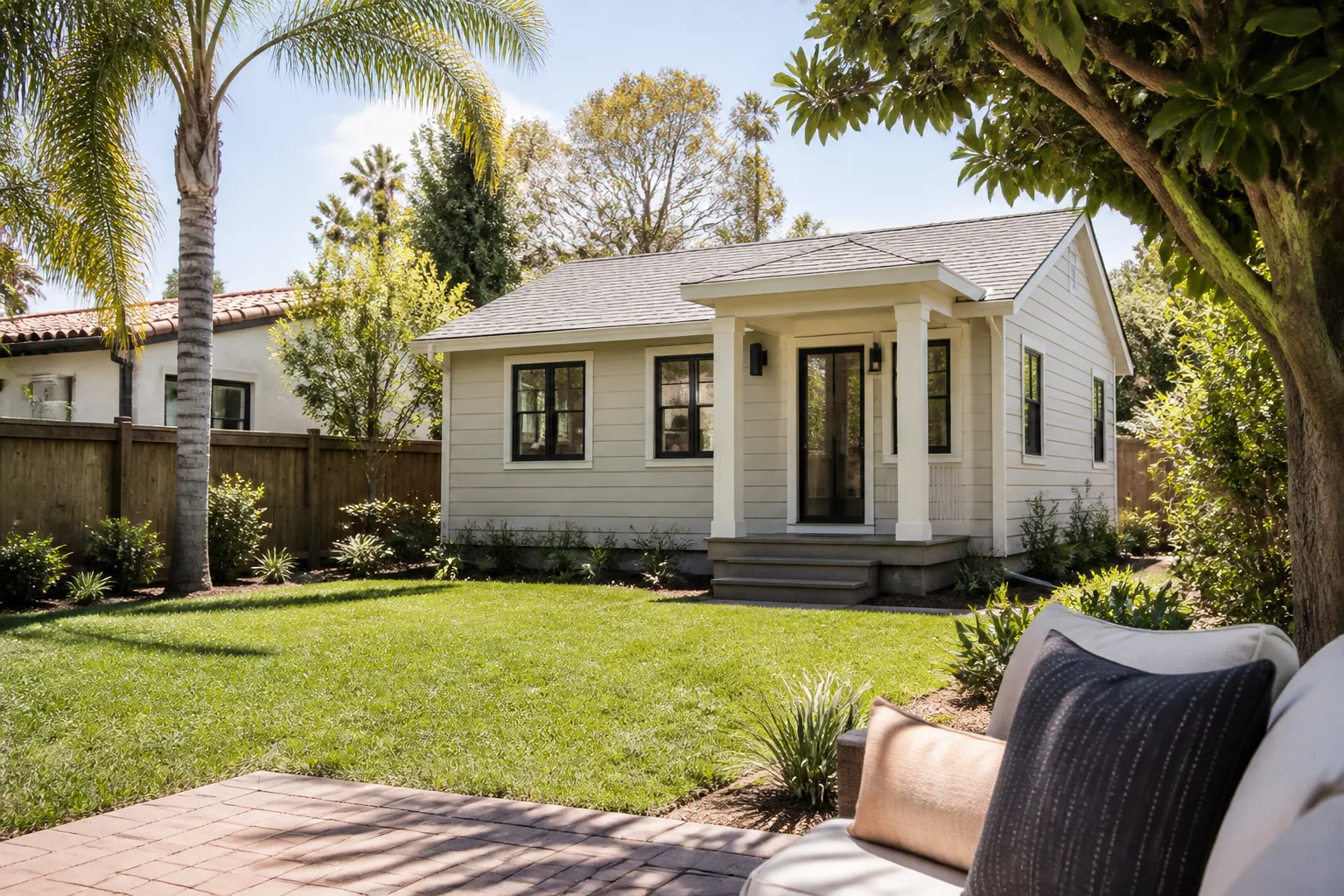
- Home additions & ADU
- Roofing
- Windows & doors
- Driveway & pavers
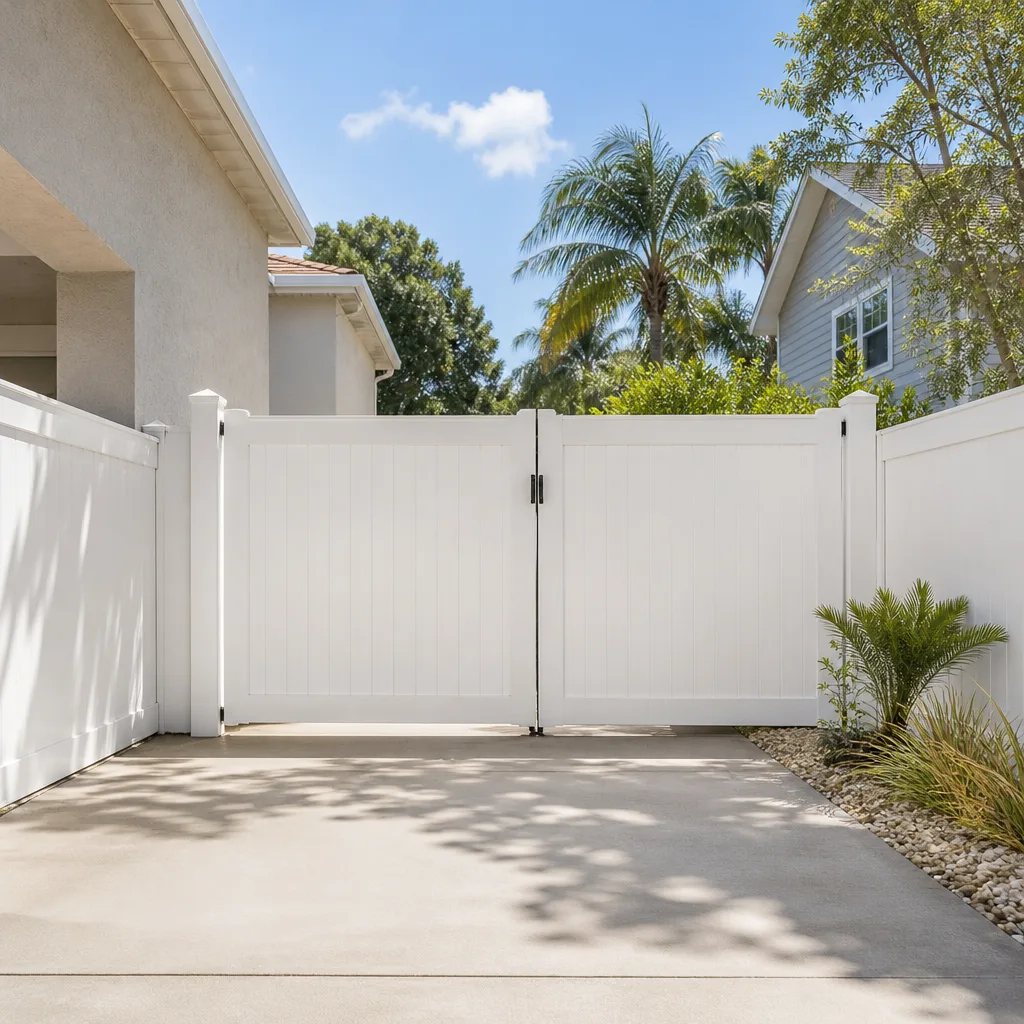
- Fence
Table of Contents
- How the Coastal Commission and the City of Huntington Beach Interact
- Why Salt Air Changes What Goes Into Your Walls
- The Real Timeline for a Mid-Size Huntington Beach Project
- Sandy Soil, Fill Soil, and Foundation Costs Most Bids Skip
- Local Contractors and City Inspectors: How the Relationship Works
- Choosing Materials and Trades That Fit the Coast
- What Drives the Price Up (and How to Keep It Down)
- The Step-by-Step Path From First Call to Final Sign-Off
How the Coastal Commission and the City of Huntington Beach Interact
Two different authorities can control your project, and knowing which one has the final word is the difference between a smooth approval and a stalled job. The California Coastal Commission sets the state-level policy. The City of Huntington Beach implements it through its certified Local Coastal Program, and that’s the desk most homeowners actually deal with.
Here’s how the split works in practice:
- Inside the coastal zone, most projects go through city review under the Local Coastal Program. Additions, remodels, and new construction that fit the city’s standards get approved at the local level without ever touching the state commission.
- The Coastal Commission steps in on appeal or on projects the city can’t approve on its own. Anything that raises a coastal resource question – bluff proximity, public access, major grading – can be pulled up a level.
- Setbacks near the water are tighter than the base zoning. A lot three blocks from the sand and a lot in inland Huntington Beach can follow very different rules on how close you can build.
What this means for you: a project that clears in a few weeks on an inland lot can sit in coastal review for a month or more, and the fee schedule is different. We’ve watched homeowners get a bid from an outfit that quoted inland timelines and then scramble when the coastal desk asked for more. The fix is simple – confirm your parcel’s coastal designation before you sign anything. The permit inspector works for you, not for us. That’s exactly why we like him, and why we want his questions answered on the front end.
Why Salt Air Changes What Goes Into Your Walls
Within a couple of miles of the Pacific, the air carries enough salt to corrode the wrong hardware in a handful of years. Standard galvanized nails and untreated fasteners that work fine in Anaheim will rust through on a Huntington Beach fence or deck faster than most people expect. This isn’t a sales pitch for fancy materials. It’s a durability fact that decides whether your build lasts thirty years or ten.
The materials that matter most on the coast:
- Fasteners and connectors. Hot-dip galvanized or stainless steel, full stop. For fences and decks close to the water, stainless is the safer call.
- Concrete mixes. Higher-strength mixes with lower permeability resist salt intrusion. Quikrete and Sakrete both publish coastal-rated mix guidance worth asking about.
- Coatings and finishes. Marine-grade paints and sealers on exterior trim, doors, and railings hold up where standard exterior paint chalks and peels.
- Window and door hardware. Andersen and Marvin both offer coastal-rated lines with corrosion-resistant components for exactly this reason.
On a fence installation in Huntington Beach, the difference between a standard bid and a coastal-correct one is often a few hundred dollars in hardware. Skip it and you’re replacing posts and hinges within a decade. On a roof, GAF and CertainTeed systems rated for coastal exposure do the same job – the wind-driven salt spray off the water is hard on standard shingles and flashing.
The Real Timeline for a Mid-Size Huntington Beach Project
Homeowners ask how long a project takes, and the honest answer depends heavily on the permit calendar, not the hammering. Based on the city’s current processing windows, here’s what a mid-size project – say a kitchen remodel or a moderate addition – looks like from first submittal to final sign-off.
- Plan check and first review: roughly four to eight weeks. Coastal zone projects can run longer if the city kicks questions back to you for more detail.
- Revisions and resubmittal: one to three weeks per round. Clean drawings cut this down. Incomplete drawings stretch it out.
- Permit issuance: a week or two after approval. Fees get paid here.
- Construction: the variable piece. A kitchen runs several weeks; an addition runs months depending on framing and inspections.
- Inspections along the way, then final sign-off. Each trade gets its own inspection. Miss one and the final gets held up.
Add it up and a realistic expectation for a Huntington Beach mid-size job is four to seven months from submittal to final. Inland, without the coastal layer, the same scope often runs a month or more faster. We tell people this up front because a bid that promises a two-month turnaround on a coastal project usually means somebody is planning to skip the permit. Permits pulled and inspections signed on every eligible job isn’t paperwork theater – it’s what keeps your project legal and your resale clean.
Sandy Soil, Fill Soil, and Foundation Costs Most Bids Skip
Dig a footing in some parts of Huntington Beach and you’ll hit loose sand; dig in others and you’ll find decades-old fill from earlier development. Both change what your foundation needs, and both add cost that a thin bid tends to leave out.
Sandy soil drains fast but doesn’t bear load the way compacted inland soil does. That often means deeper footings or engineered fill to reach stable ground. Older fill lots near the downtown and the tracts built in the mid-century can settle unevenly, which matters more for an addition than for a cosmetic remodel – the new structure has to meet the old one without cracking the joint.
What you should see in a real bid:
- A soil consideration or allowance line for jobs where footing depth is unknown until excavation.
- An engineer’s stamp on foundation plans for additions, which the city will often require anyway.
- Explicit grading and drainage scope, since coastal lots need water to move away from the foundation, not toward it.
An allowance that isn’t on paper is a surprise waiting for a date. Every scope, every allowance, every price change should arrive as a written change order before work happens. If a bidder won’t put the soil line in writing, that’s your signal to keep looking – especially on a home addition or ADU in Huntington Beach, where foundation decisions drive the whole budget.
Local Contractors and City Inspectors: How the Relationship Works
The difference between an owner-operated local crew and a national outfit shows up most clearly at the inspection. A local contractor who’s been pulling permits in Huntington Beach for years knows the inspectors by name, knows what each one wants to see, and knows how to get a correction resolved without a three-week stall.
A national company that sends a different crew to every job often treats the inspector as an obstacle. They miss details, get red-tagged, and the homeowner eats the delay. The inspector isn’t the enemy – he’s verifying that the work is safe and legal, and a contractor who’s built a working relationship with the city treats him as an ally. We pull permits and get inspections signed on every eligible job, and we’re happy to walk you through the paperwork.
When you’re vetting a contractor, ask:
- Who pulls the permit – you or me? The contractor should pull it. If the answer is “you,” walk.
- Have you worked in this part of Huntington Beach before? Local experience with the coastal desk matters.
- Who’s on site during inspections? It should be the same person who ran the job, not a stranger.
You can verify a contractor’s license yourself before you sign anything. Look it up. Ask anyone on your street. A name you can check is worth more than a glossy brochure.
Choosing Materials and Trades That Fit the Coast
Material choice on the coast isn’t about style. It’s about what survives. We carry premium brands across every trade we touch because you should be able to look up what’s going into your house, not take a mystery brand off a van on faith.
Where brand choice actually matters here:
- Kitchens: KraftMaid cabinetry and Cambria quartz counters both hold up to coastal humidity better than builder-grade imports.
- Roofing: GAF and CertainTeed systems rated for wind and salt exposure are the standard we install.
- Windows and doors: Andersen and Marvin coastal-rated lines resist the corrosion that eats standard hardware.
- Hardscapes: Belgard and Techo-Bloc pavers, set on a proper base, handle the sandy soil and occasional heavy rain without heaving. Cambridge Pavers and Oldcastle are solid alternatives we’ve worked with too.
On a driveway and pavers project in Huntington Beach, the base prep matters more than the paver itself – sandy soil needs proper compaction and drainage or the surface shifts within a season. That’s the kind of detail a low bid quietly leaves out.
What Drives the Price Up (and How to Keep It Down)
Most of the cost surprises on a Huntington Beach project come from a handful of predictable places. Handle them up front and the final bill looks like the first bill.
- Coastal permit review and fees. Budget for the extra layer if your parcel sits in the coastal zone.
- Corrosion-resistant materials. A modest premium up front, a large savings over the life of the build.
- Foundation depth on sandy or fill soil. Get an allowance in writing so a soil surprise doesn’t blow the budget.
- Change orders. Every change gets priced and signed before work proceeds. No surprise invoices at the end.
Written change orders are the single biggest budget protector. A contractor who hands you a fixed scope with named allowances and prices any change in writing keeps the job honest. A live person answers our phone around the clock, and a free second opinion on any written estimate is standing policy – because a second set of eyes on a bid often pays for itself before the first nail moves. Our crew members have up to 28 years of experience, and the work is backed by our written 90-Day Done Right Promise.
The Step-by-Step Path From First Call to Final Sign-Off
Here’s the sequence we run on every Huntington Beach project, from the first conversation to the final inspection. It’s the same path whether you’re remodeling a kitchen or adding a second story.
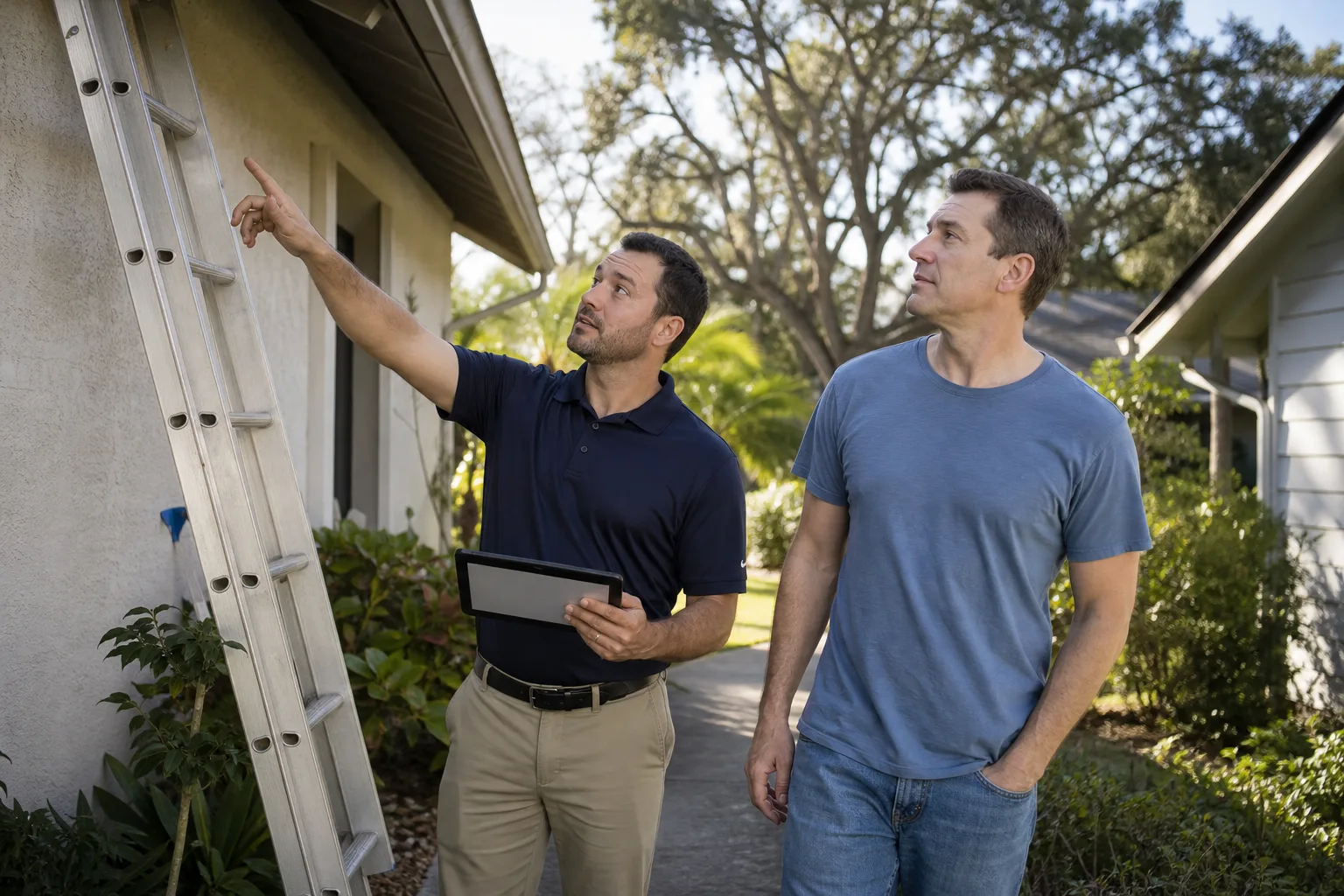
- Free estimate and site walk. We look at the lot, the soil, the coastal designation, and the existing structure before quoting anything.
- Written scope with named allowances. Every line item priced, every brand named, every allowance on paper.
- Permit submittal. We pull the permit and handle the coastal-layer questions if your parcel needs them.
- Plan check and revisions. We answer review comments and keep the timeline moving.
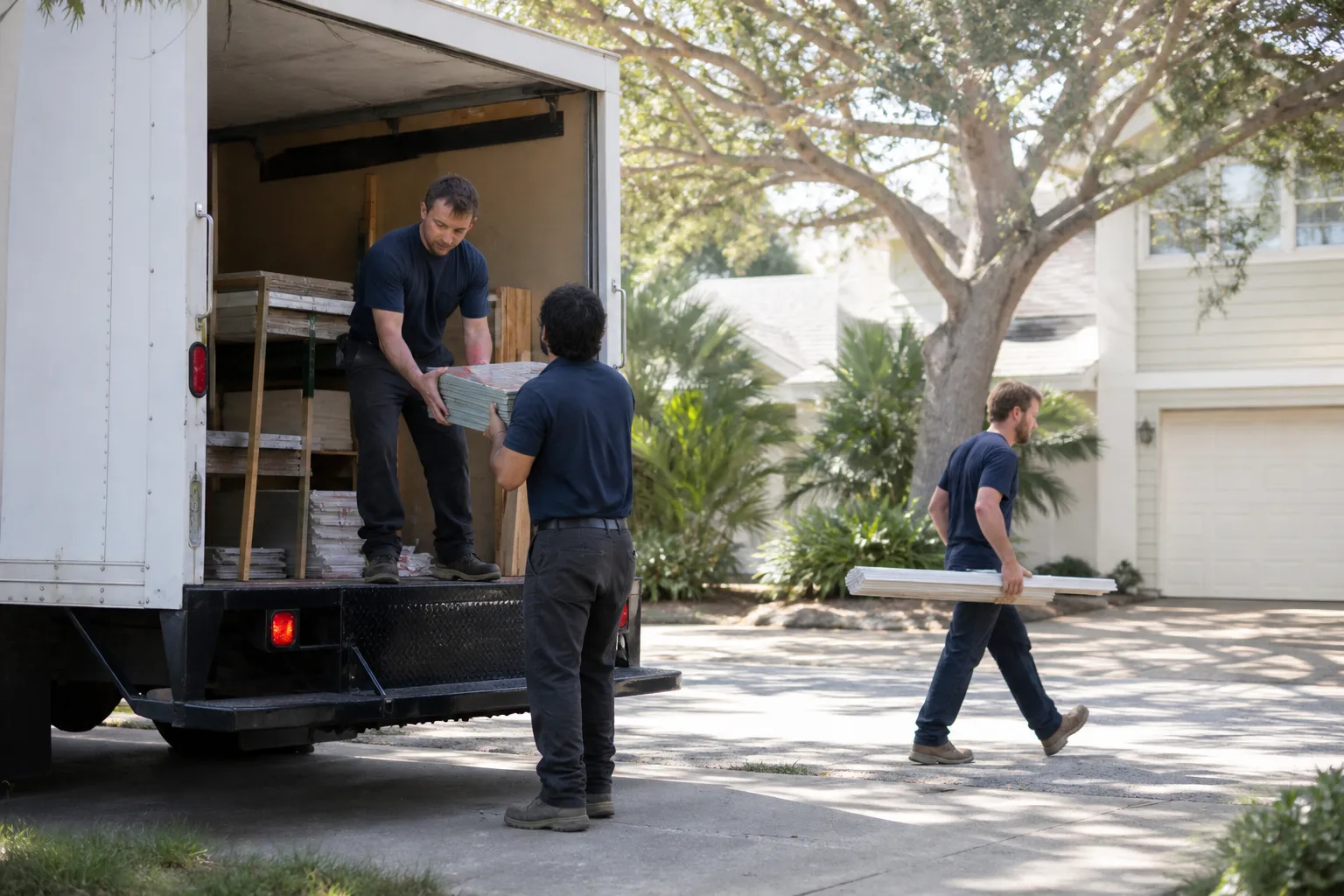
- Construction with scheduled inspections. Each trade gets inspected as it’s completed.
- Final inspection and walkthrough. Final sign-off, then a walkthrough where you confirm the work against the scope.
- 90-Day Done Right Promise. If something isn’t right, one call brings us back to make it right.
Start at the Barrett & Sons Construction Huntington Beach home page if you want the full picture of what we do, or call to set up the site walk. Every step of this path exists so you never get a bill that doesn’t match the scope you signed.
Common Mistakes to Avoid
- Skipping the coastal designation check. Two neighbors on the same block can face different review layers if one parcel is zoned coastal and one isn’t. Always confirm your parcel status before signing a bid.
- Letting a contractor talk you out of permits. The last contractor most customers used told them permits were optional. They aren’t. Unpermitted work can come back to bite you at resale or after a claim.
- Accepting a bid with no named brands or allowances. “Premium materials” isn’t a specification. Ask for the brand, the model, and the allowance in dollars.
- Using standard hardware near the water. A galvanized nail a few blocks from the sand will rust. Coastal-rated fasteners cost a little more up front and save a replacement down the road.
- Assuming inland timelines apply. A project that clears in two months in Anaheim can take a month longer in Huntington Beach because of coastal review. Build the extra time into your plan.
- Skipping the soil consideration on an addition. Sandy and fill lots change footing depth. A bid without a soil allowance on an addition is a bid that will grow.
- Hiring an outfit that won’t put a name on the paperwork. A published, verifiable license and a face you’ll see again at the hardware store matter more than the lowest number.
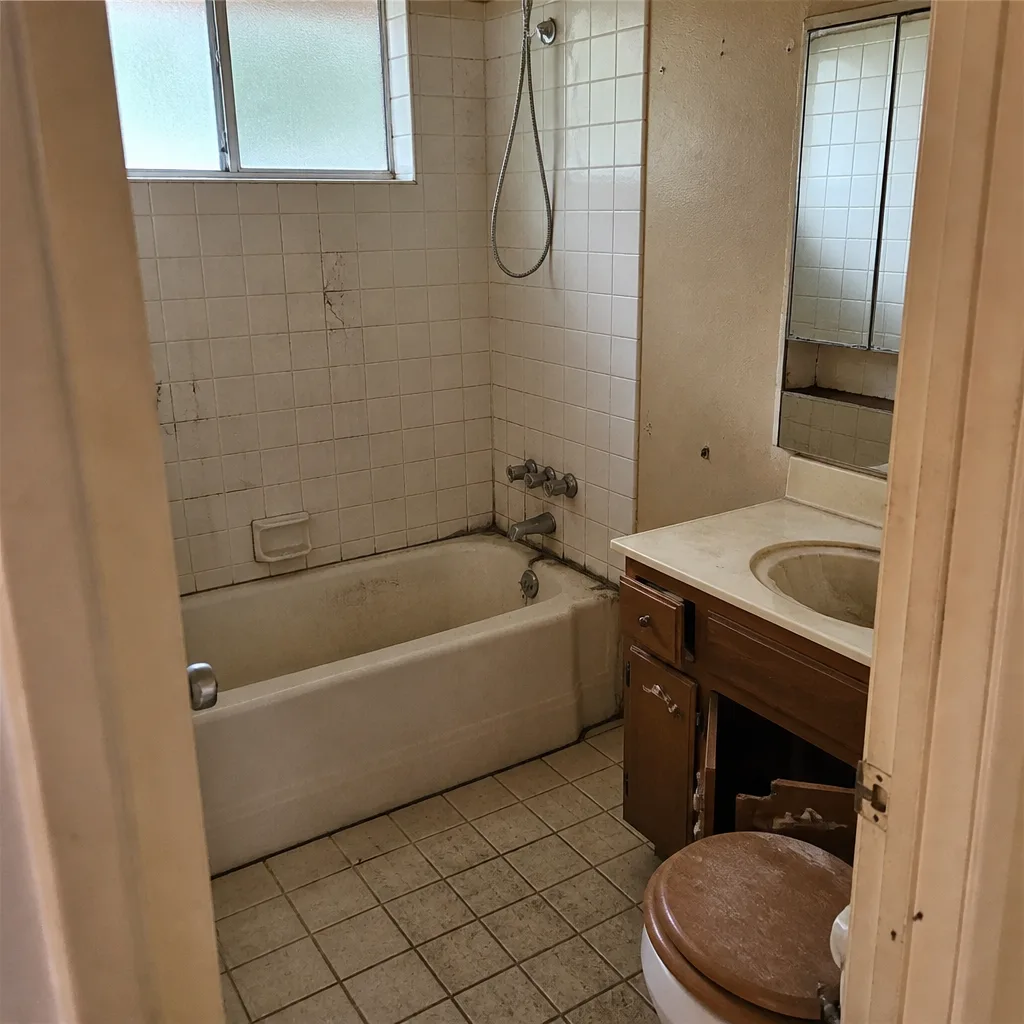
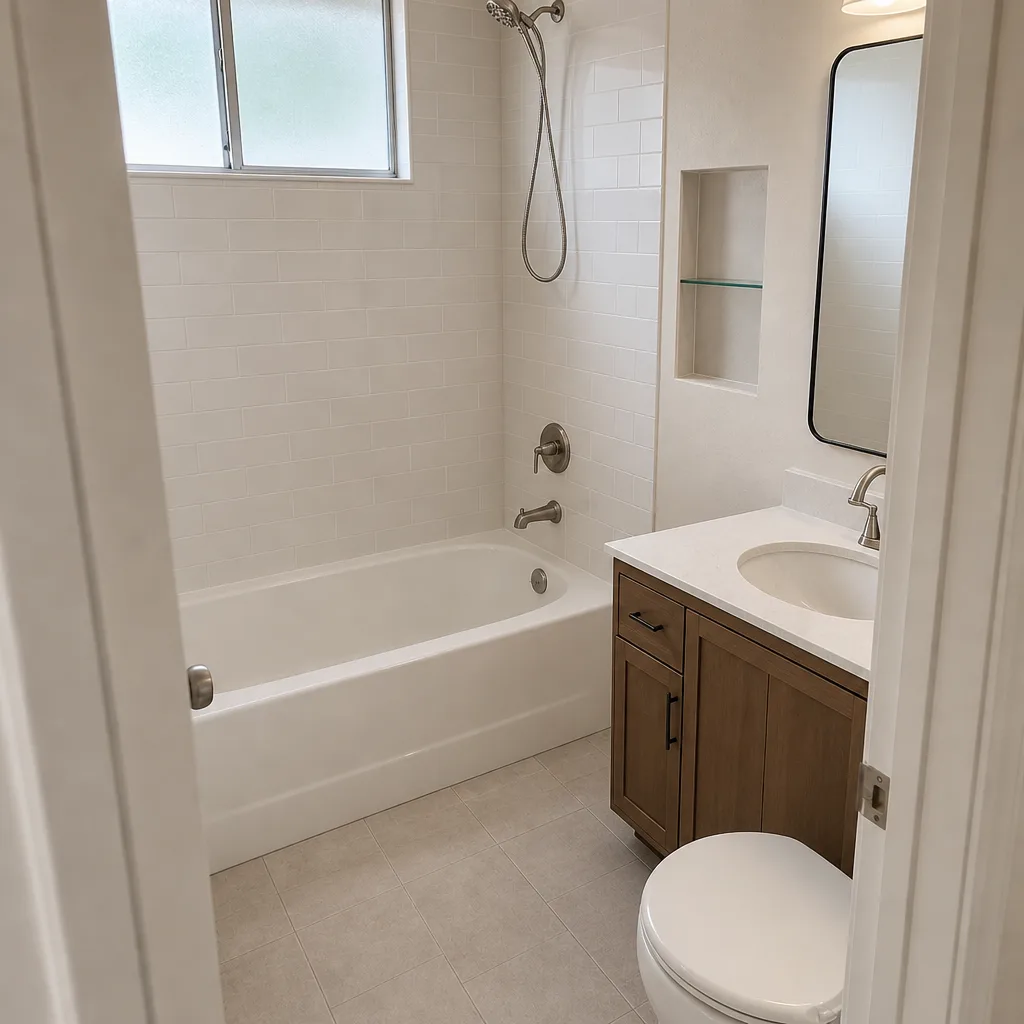
See the difference
 Before
 After
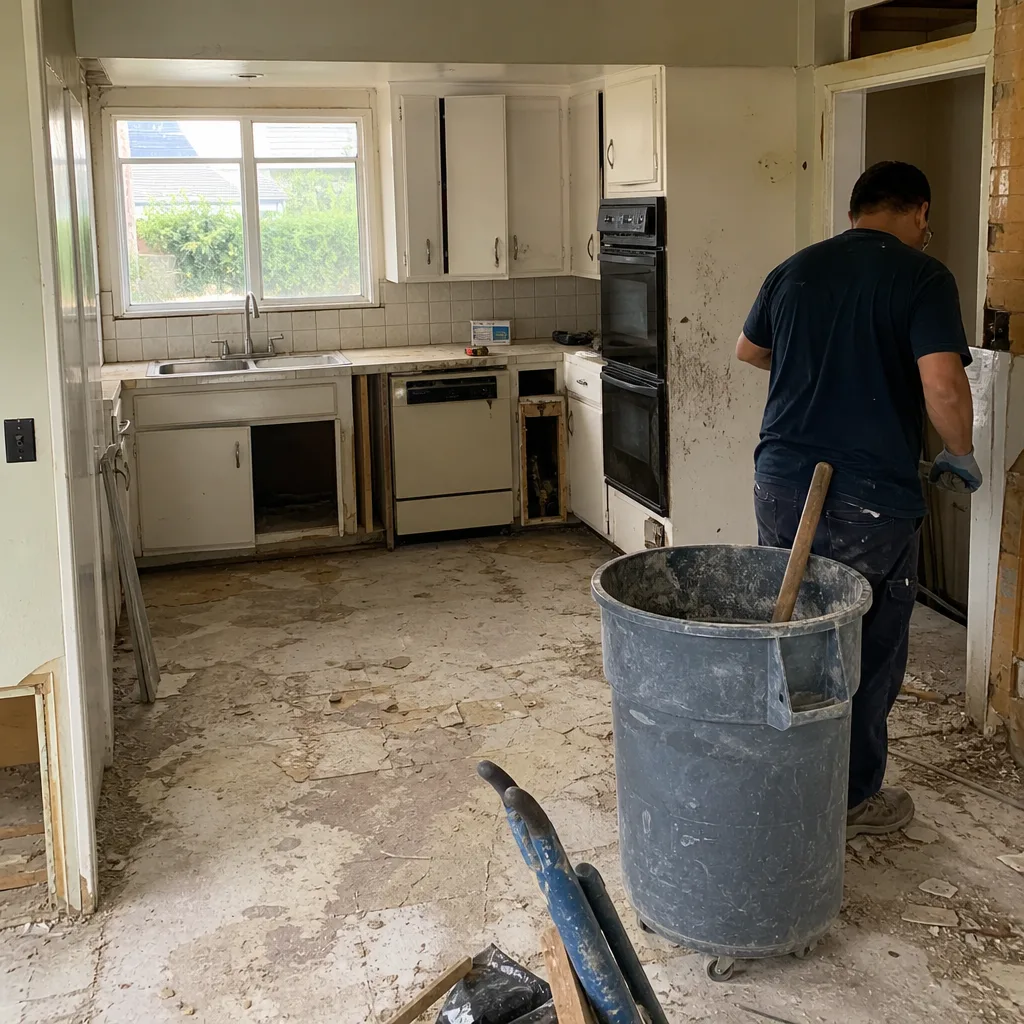 Before
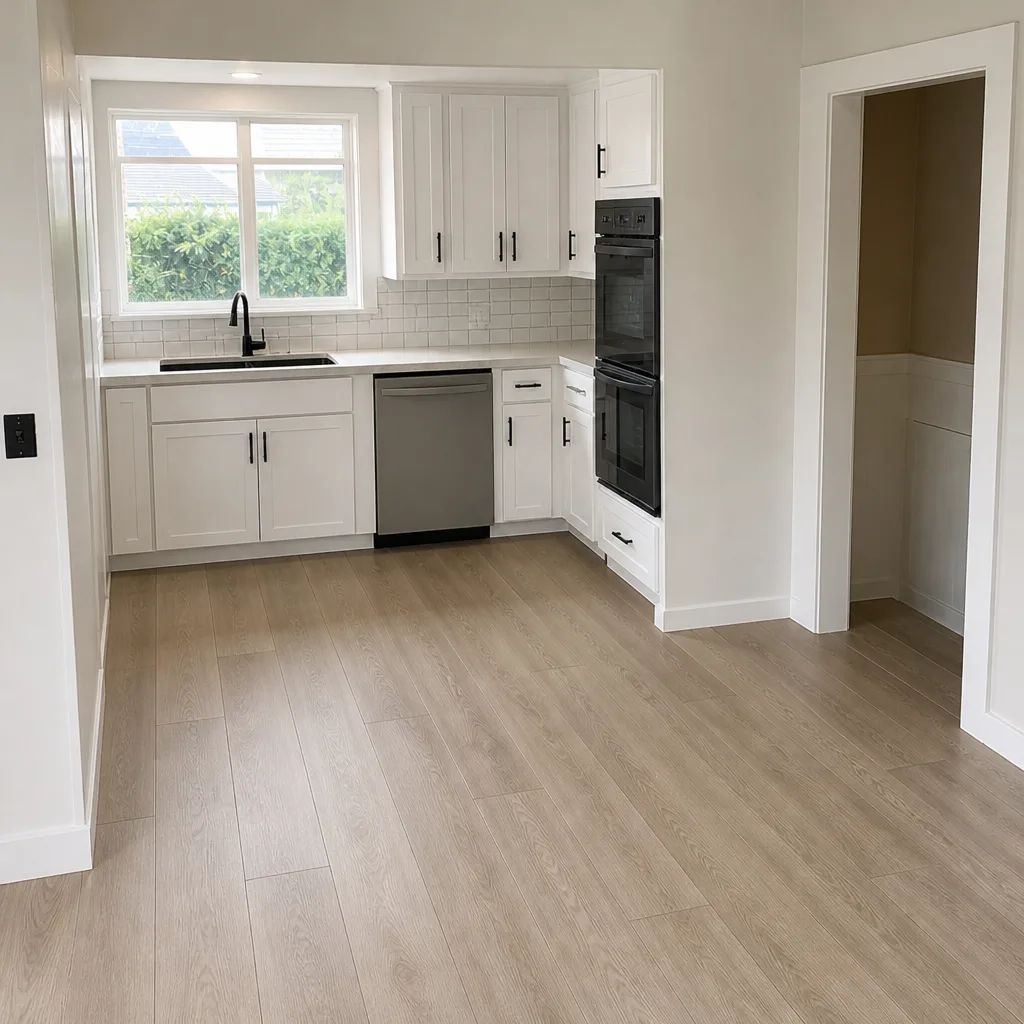 After
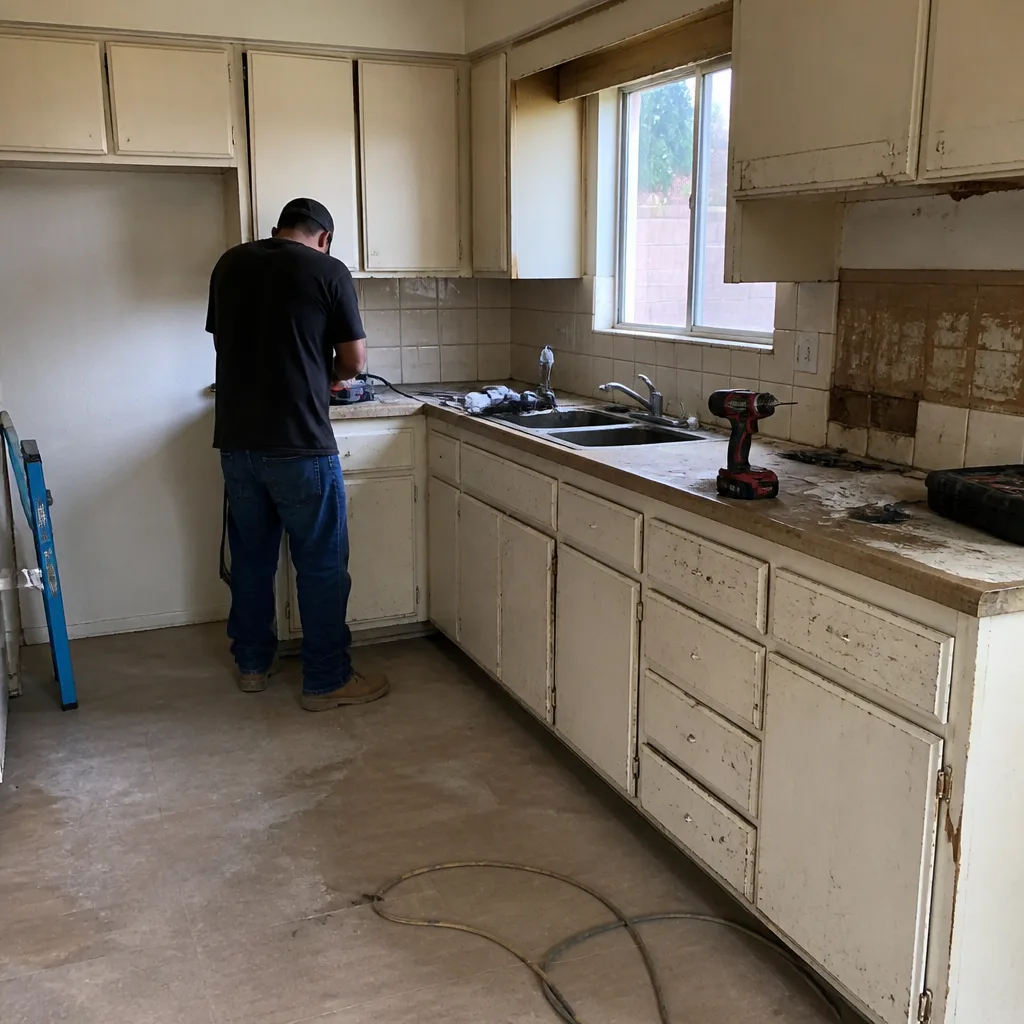 Before
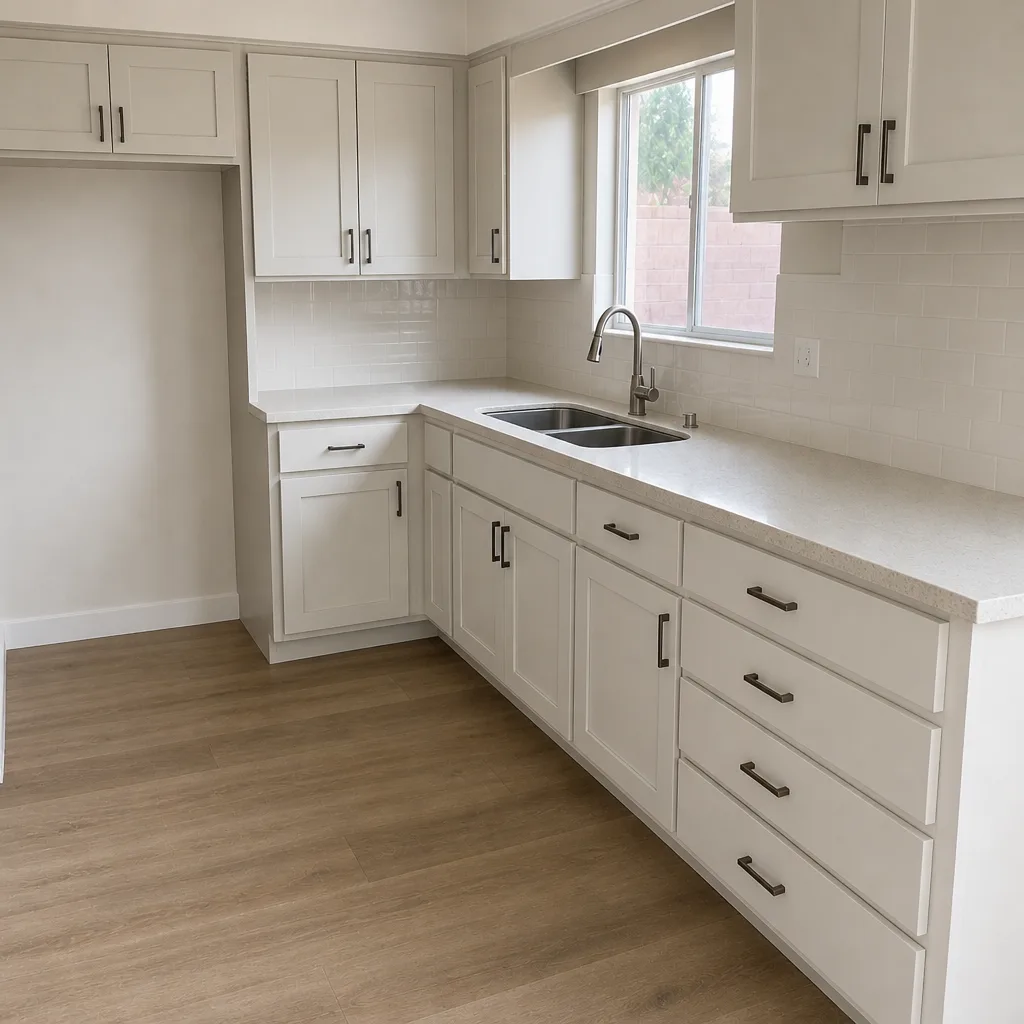 After
When to Call a Professional
Some jobs are fine for a weekend warrior. Others, in a coastal zone with sandy soil, are not. Call a professional when your project touches the foundation, the roof structure, electrical, gas, or anything the city inspects – and absolutely when it involves moving a wall or adding square footage. Watch for a bid with no allowances, a contractor who wants to “work off a handshake first and paper later,” or a quote that promises an inland-speed turnaround on a Huntington Beach coastal lot. Barrett & Sons Construction Huntington Beach offers free estimates in Huntington Beach – call (844) 320-2945 to schedule the site walk. Every price change comes in writing, every permit gets pulled, and every eligible job gets inspected and signed.
Frequently Asked Questions
Most Huntington Beach projects go through the city’s Local Coastal Program review and never reach the state Coastal Commission. The commission steps in on appeals or on projects that raise a coastal resource question, like major grading near bluffs or anything that affects public beach access. The safe move is to confirm your parcel’s coastal designation before you sign a bid – it can add weeks and five figures to a project that would clear fast inland.
A mid-size remodel here typically runs higher than an inland Orange County equivalent because of coastal permit review, corrosion-resistant materials, and possible foundation work on sandy or fill soil. Every line item gets priced in writing before work starts, with allowances named in dollars. Call (844) 320-2945 for an exact quote – estimates are free.
The price only changes if the scope changes, and every change gets a written change order signed before any work happens. An allowance that isn’t on paper is a surprise waiting for a date, so we put every allowance in writing up front. If the soil under an addition turns out deeper than expected, you’ll know the cost before anyone touches a shovel.
Yes. Permits get pulled and inspections signed on every eligible job. The permit inspector works for you, not for us, which is why we treat him as an ally. Unpermitted work is the single most common thing we fix on jobs another contractor started.
A mid-size project runs roughly four to seven months from first permit submittal to final inspection sign-off, based on current city processing windows. Coastal-zone jobs can run longer than inland ones because of the extra review layer. Construction time depends on scope – a kitchen runs weeks, an addition runs months.
Salt air corrodes standard fasteners and finishes within a few years near the Pacific. Hot-dip galvanized or stainless hardware, higher-strength concrete mixes, and marine-grade coatings cost a little more up front and last decades longer. On a Huntington Beach fence or deck, stainless steel in salt-exposed spots is the safer call every time. Call (844) 320-2945 to talk through the right materials for your lot – estimates are free.
The Bottom Line
Construction in Huntington Beach runs on coastal time, not inland time. Permits take longer, materials have to survive salt air, sandy soil changes foundation costs, and the city’s Local Coastal Program sits on top of the standard building code. A written scope with named allowances and written change orders is the single biggest thing that protects your budget. Verify the license, ask who pulls the permit, and expect a realistic timeline. Do those four things and the project stays honest from the site walk to the final inspection.
We back every eligible job with our written 90-Day Done Right Promise, we pull permits and get inspections signed, and our crew members have up to 28 years of experience. If you’re planning a project in Huntington Beach, give our team a call.
Call (844) 320-2945 for a free estimate. A live person answers day or night. Ask about our standing offers: $40 off any repair over $200, a free second opinion on any written estimate, and no trip charge inside the county – plus a permanent 10% Senior & Veteran discount.
Written by the team at Barrett & Sons Construction Huntington Beach.