Last updated November 17, 2026
Free written scope consultation - allowances, timeline, and change-order rules on paper before a single trade is scheduled
Construction Cost Breakdown: The Huntington Beach Homeowner’s Reference for 2026
The national average for a kitchen remodel gets quoted at $25,000 to $50,000. In Huntington Beach, that same scope routinely runs $65,000 to $110,000, and it’s not because contractors here are greedy. California labor law, coastal delivery surcharges, city permit fees, and the Title 24 compliance upgrades that trigger the moment you touch certain systems all stack onto the bill before a single cabinet goes in. National cost databases don’t know any of that. This guide does. Below you’ll find project-by-project ranges built for Huntington Beach, the line items that explain the premium, and how to read a bid so a lumped total can’t hide a surprise.
Quick Answer
Construction costs in Huntington Beach run roughly 25% to 60% above national averages depending on the trade, driven by coastal material premiums, California permitting, and Title 24 energy compliance. A mid-range kitchen lands between $65,000 and $110,000, a full bathroom between $22,000 and $48,000, and a detached ADU commonly between $180,000 and $320,000. The single biggest cost variable in Huntington Beach isn’t the finish level; it’s what’s hiding behind the drywall in a house built before 1980.
Styles & brands we work with
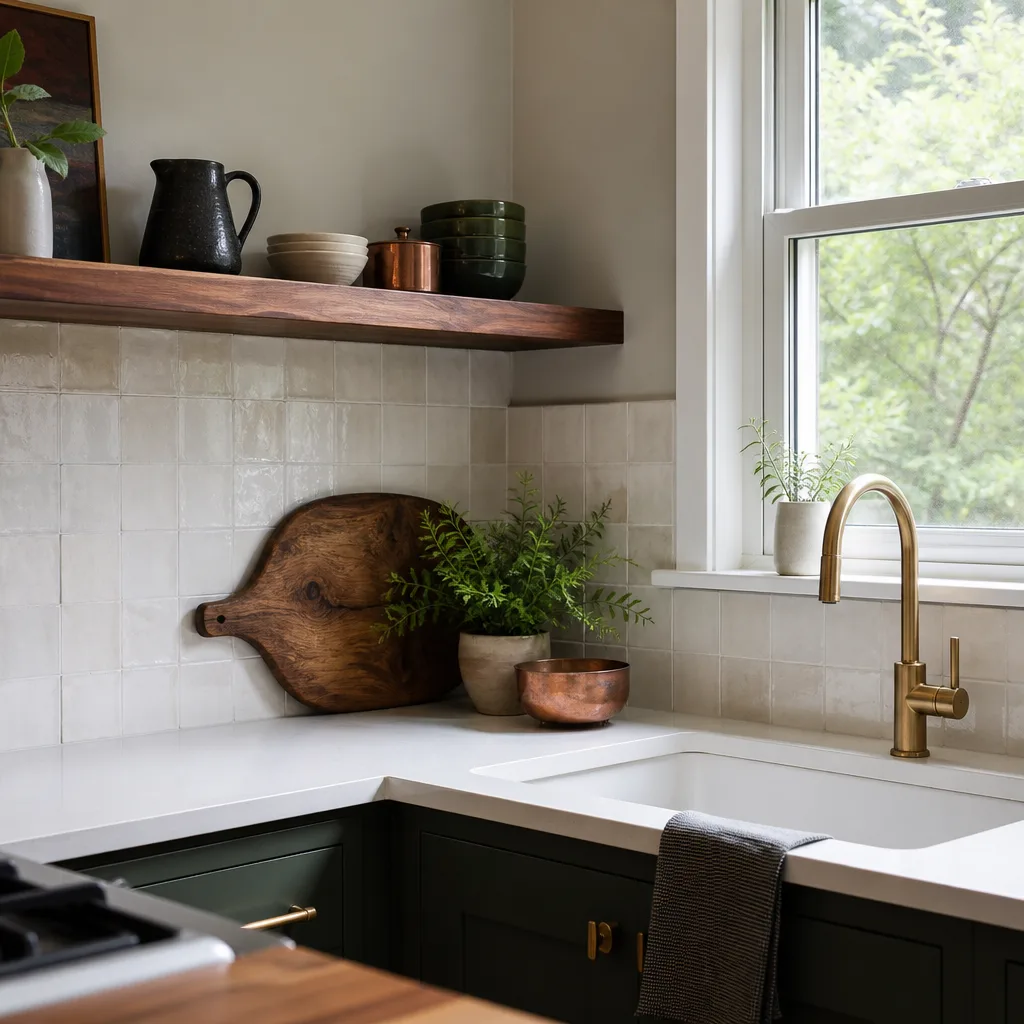
- Kitchen remodeling
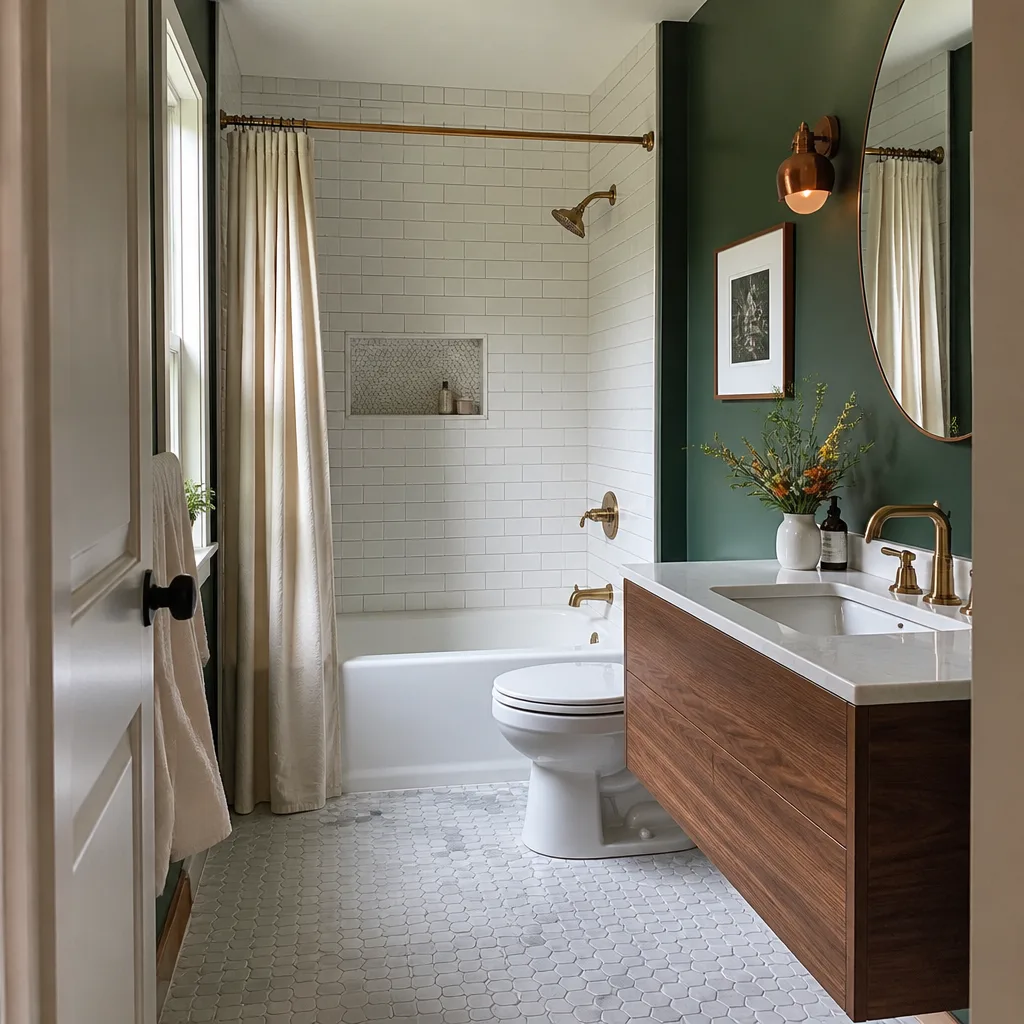
- Bathroom remodeling
- Home additions & ADU
- Roofing
- Windows & doors
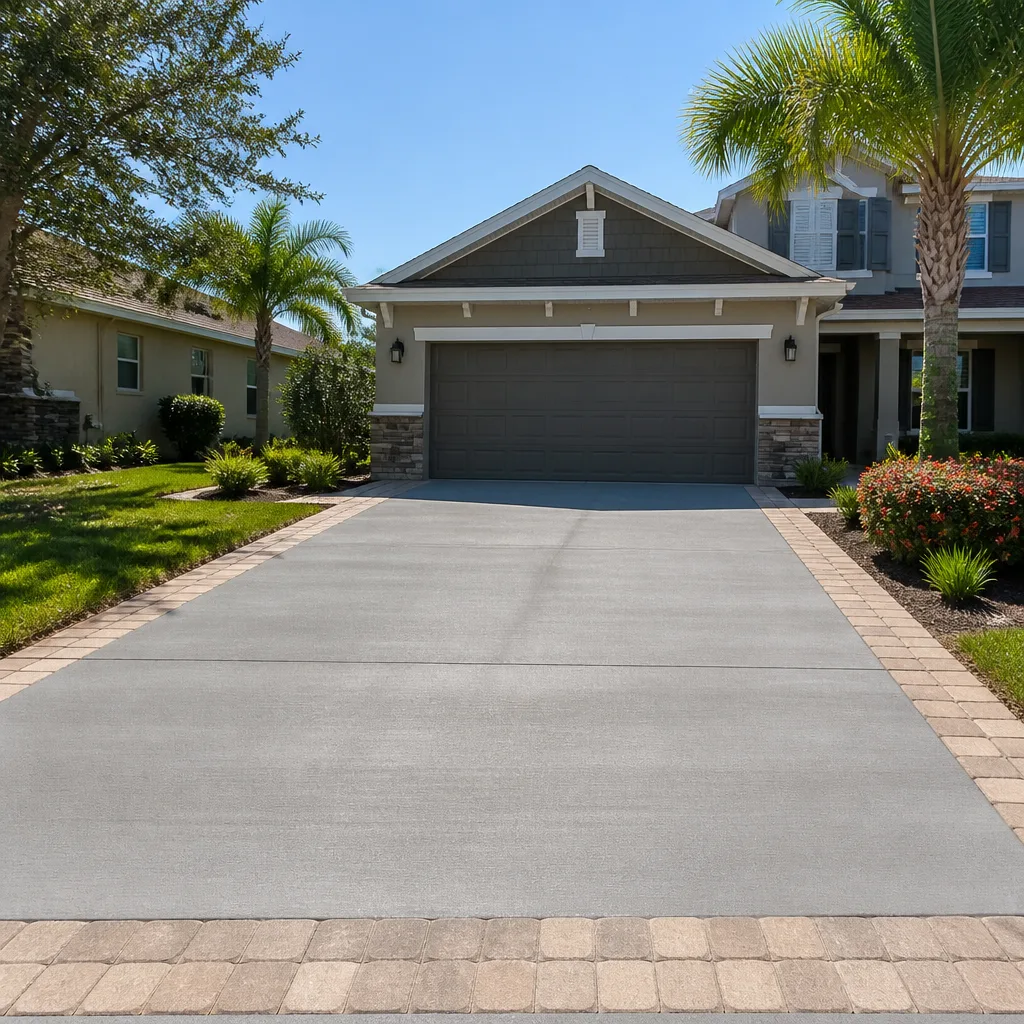
- Driveway & pavers
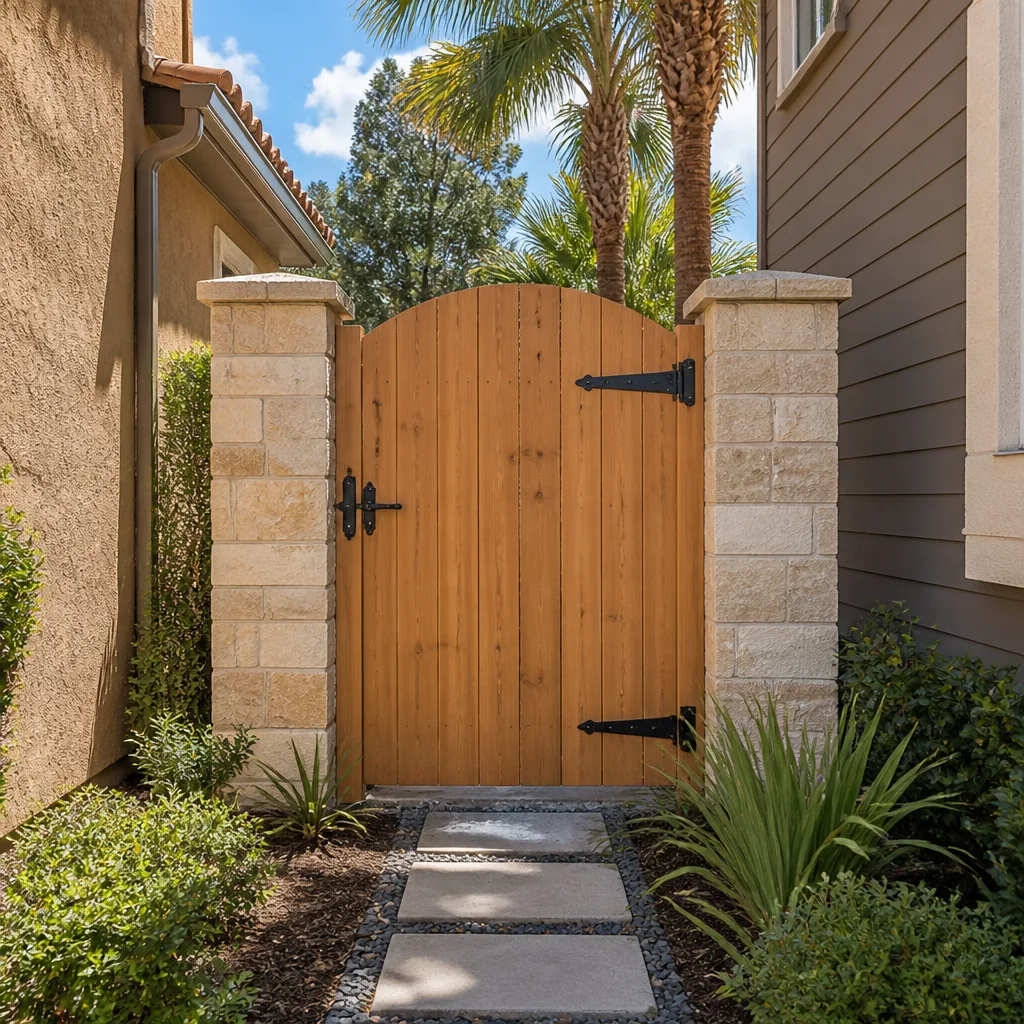
- Fence
Table of Contents
- Project-by-Project Cost Ranges for Huntington Beach
- Why Huntington Beach Costs More Than the National Average
- Coastal Corrosion: The Line Item Nobody Warns You About
- How to Read a Bid So Nothing Gets Lumped
- What Drives Change Orders in Huntington Beach
- How to Compare Bids That Look Different on Paper
- Permits, Inspections, and What They Actually Cost
- Common Mistakes to Avoid
Project-by-Project Cost Ranges for Huntington Beach
These ranges reflect mid-grade materials and a licensed contractor pulling permits. Move up to custom cabinetry or imported tile and the ceiling moves with you. Move down and you’ll hit the floor, but not below it, because labor and permitting don’t negotiate.
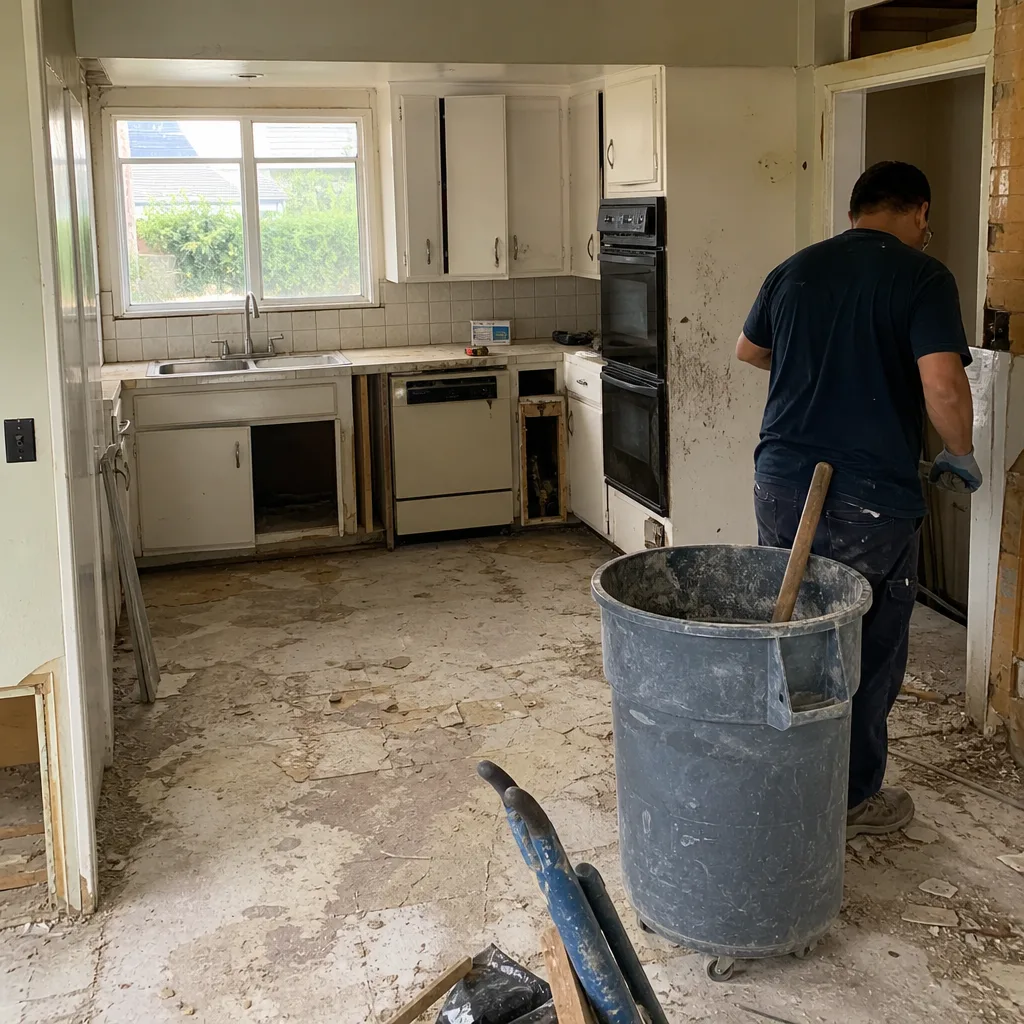
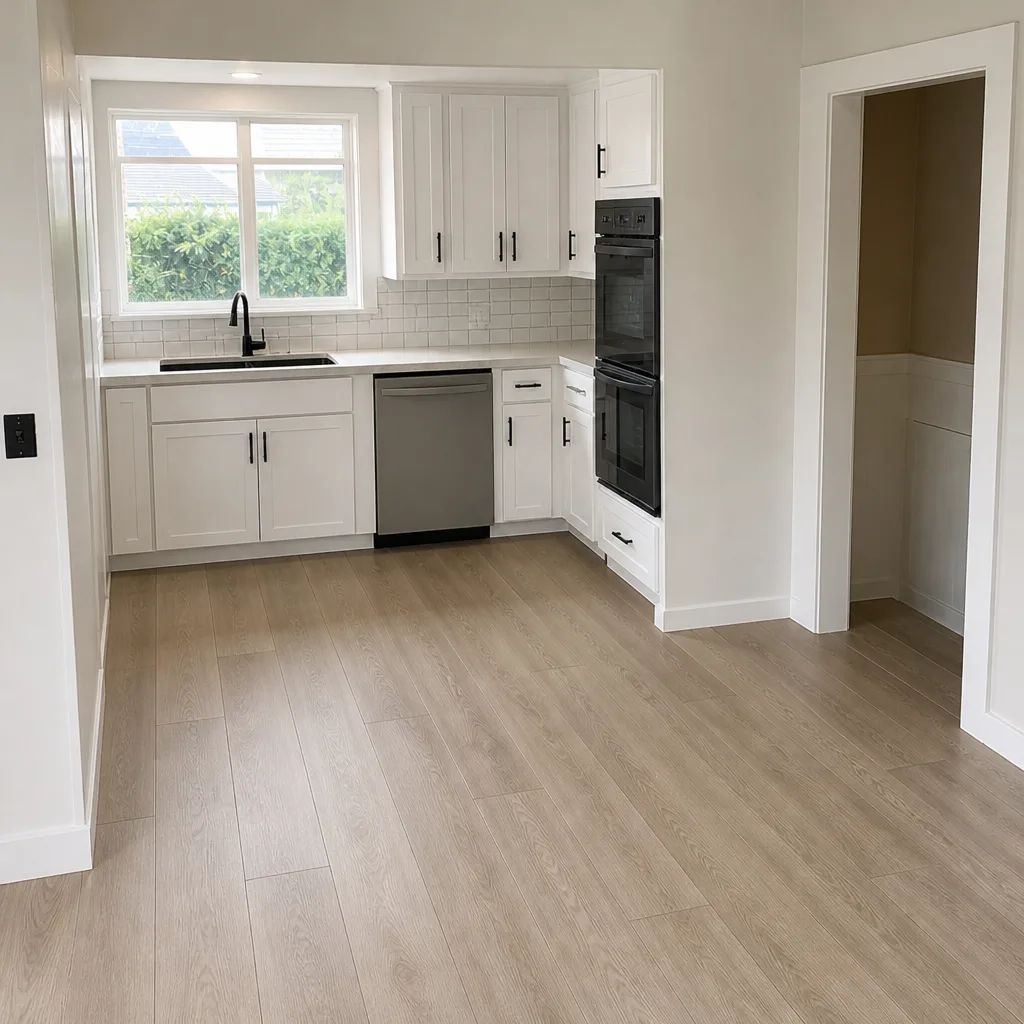
- Kitchen remodel (full gut, mid-grade): $65,000 to $110,000. Cabinetry, countertops, electrical, plumbing, permits, and Title 24 lighting compliance make up most of the spread.
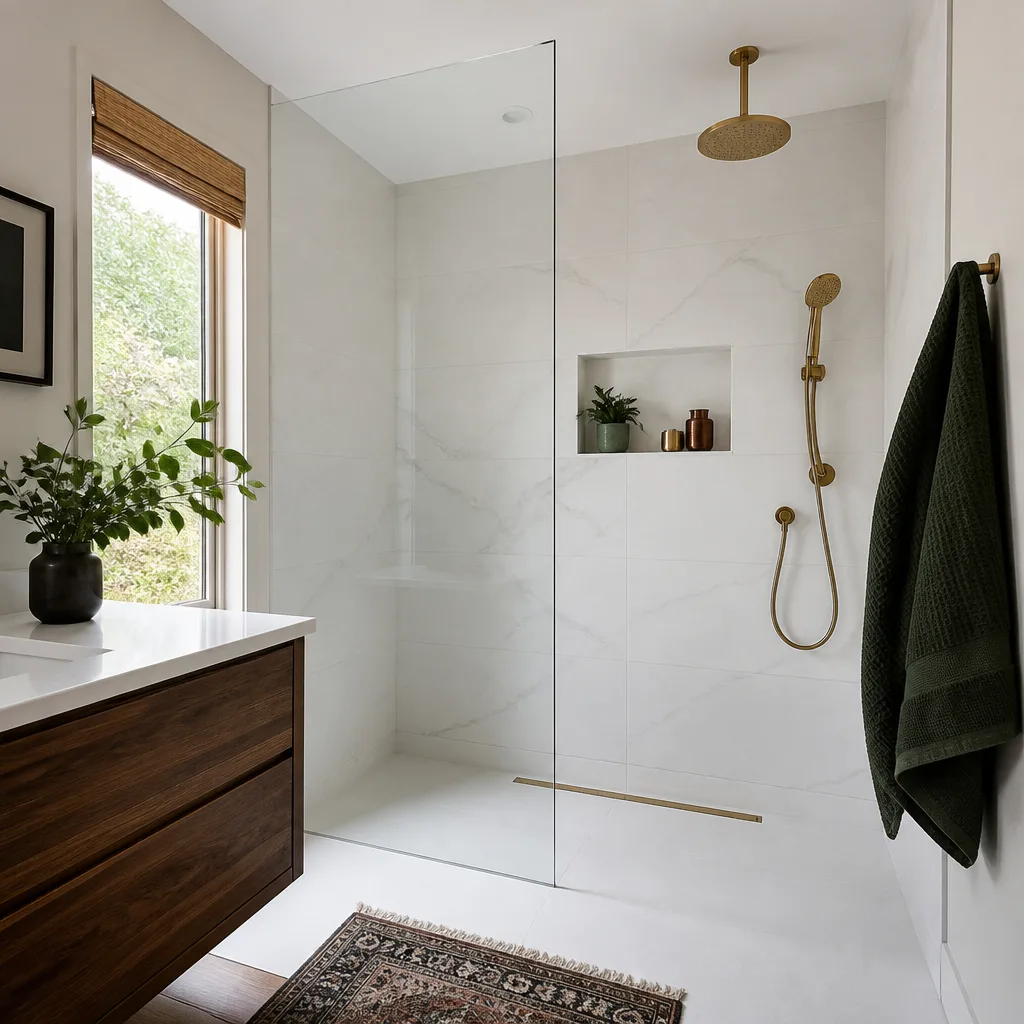
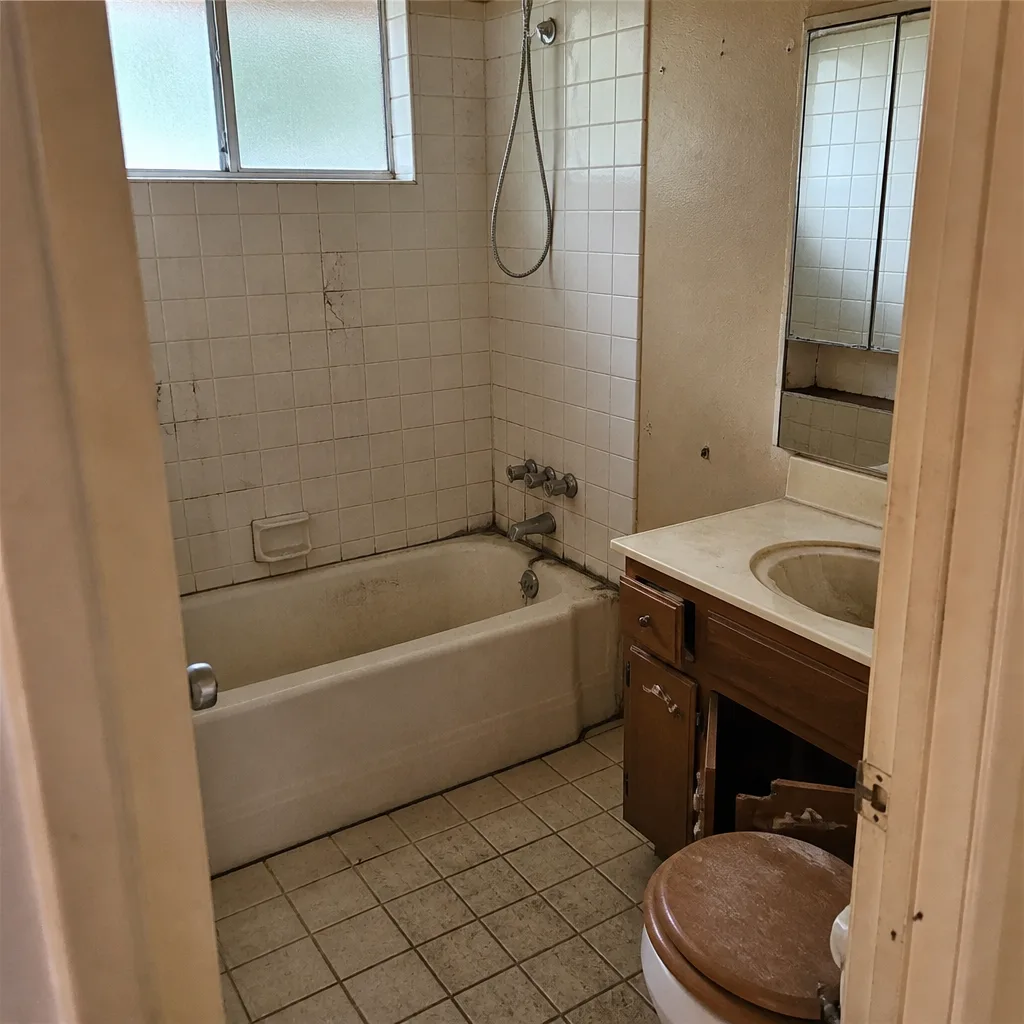
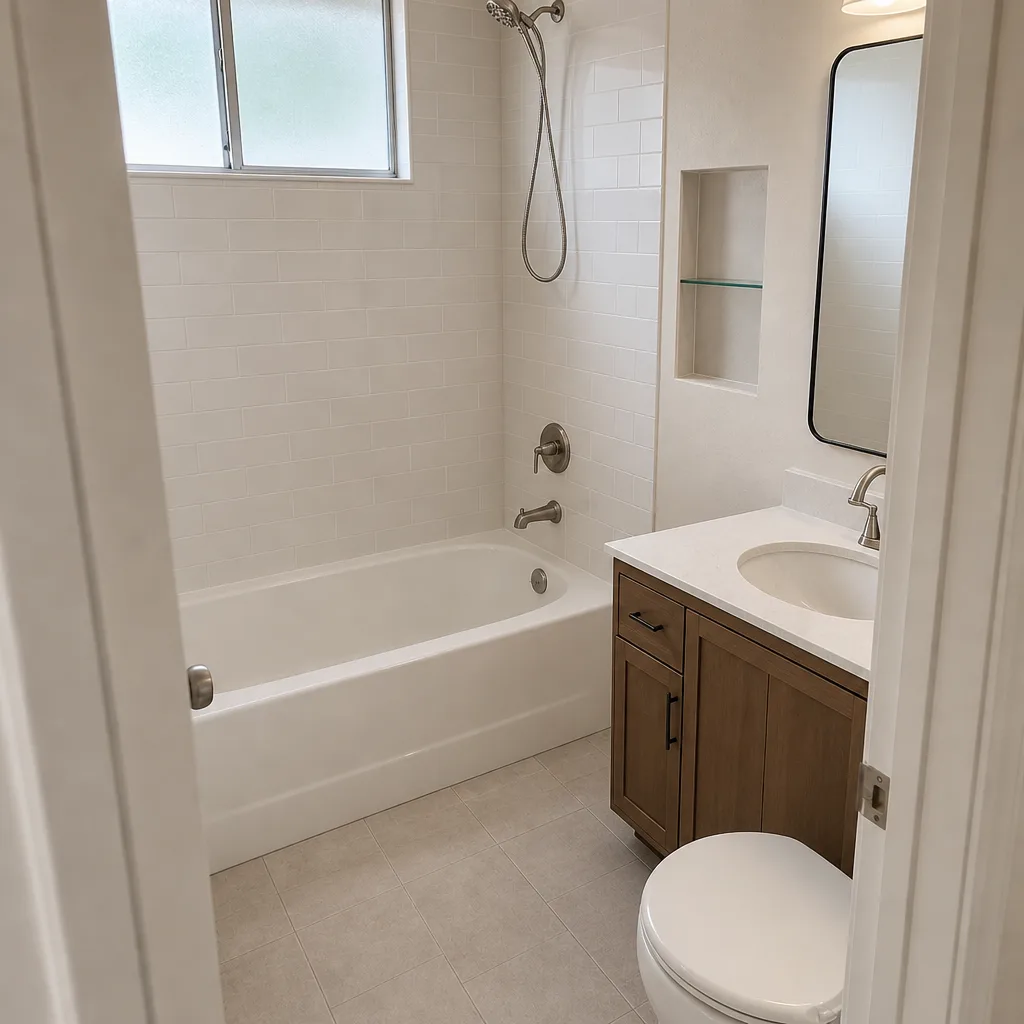
- Bathroom remodel (full): $22,000 to $48,000. Wet-area waterproofing, new fixtures, ventilation to code, and tile labor drive the number.
- Home addition (ground-up, per square foot): $320 to $520. Foundation, framing, roof tie-in, and matching the existing structure’s finish level all count.
- Detached ADU (600 to 900 sq ft): $180,000 to $320,000. Site work, utility trenching, and separate metering are the big swing items.
- Roof replacement (asphalt shingle, 1,800 sq ft): $16,000 to $28,000. Coastal underlayment upgrades and tear-off disposal add to the base.
- Driveway and pavers (600 sq ft): $9,000 to $18,000. Base prep on sandy soil is where good money gets spent.
For a closer look at how those hardscape and addition numbers break down, our Driveway & Pavers in Huntington Beach guide walks through base prep and drainage on coastal lots.
Why Huntington Beach Costs More Than the National Average
The premium isn’t a mystery once you itemize it. Four forces do most of the work.
- California labor cost and licensing. Skilled trades here earn meaningfully more than the national median, and licensed contractors carry workers’ comp and liability coverage that gets baked into every hour.
- Coastal delivery surcharges. Materials shipped to a beach-adjacent address often carry a freight premium, and anything oversized or heavy (countertops, pavers, lumber) gets hit hardest.
- Title 24 energy compliance. Touch the lighting, the envelope, or certain mechanical systems and the project can trigger upgrades to insulation, windows, or ventilation. That’s a real line item, not a rounding error.
- City permitting and inspection fees. Huntington Beach charges for plan review and inspections, and the fees scale with project valuation. Skipping permits doesn’t save money; it creates a disclosure problem at resale.
Every one of these shows up on a properly itemized bid. If you’re looking at a quote that doesn’t mention them, you’re not looking at a cheaper job. You’re looking at an incomplete one.
Coastal Corrosion: The Line Item Nobody Warns You About
Salt air eats metal. In Huntington Beach, that’s not an abstraction, it’s a budget line. Homes a few blocks from the water see corrosion on electrical panels, plumbing fittings, and structural hardware faster than inland properties, and the fix costs real dollars.
- Electrical panels and conduit: A panel replacement that runs $2,800 to $4,500 inland can run $3,500 to $5,500 here when corrosion has compromised the enclosure and grounding.
- Plumbing fittings: Galvanized and older brass fittings near the coast fail sooner; a repipe in a coastal Huntington Beach home commonly lands $6,000 to $14,000.
- Structural hardware: Exterior fasteners, hangers, and connectors need hot-dip galvanized or stainless in this climate, which adds roughly 8% to 15% to framing and deck hardware costs.
- Exterior fixtures and railings: Standard steel rusts through; marine-grade or powder-coated options cost more up front and last years longer.
We see this most often in homes near the pier and along the coastal band where onshore wind carries salt spray inland. A contractor who doesn’t ask about fastener grade on an exterior project hasn’t done many of them here.
How to Read a Bid So Nothing Gets Lumped
A lump-sum bid tells you a number and nothing else. A properly itemized bid tells you what that number is made of, which is what you need to compare two contractors honestly.
- Check that labor and materials are broken out separately. Lumped bids make it impossible to see where a change in material grade actually costs you.
- Look for a permit allowance line. If permits aren’t listed, either they’re not being pulled or the cost is hidden in the margin and will resurface later.
- Confirm allowances are written with dollar figures. “Tile allowance: $12 per square foot” is honest. “Tile allowance: TBD” is a trap. An allowance that isn’t on paper is a surprise waiting for a date.
- Find the cleanup and disposal line. Dumpster rental and haul-away in Huntington Beach aren’t free, and a bid without them isn’t lower, it’s just missing a page.
- Verify the warranty is stated in writing. A verbal promise is worth what it costs. A written guarantee with a clear call-back process is worth a lot more.
- Check the change order process. Every scope change should arrive as a written change order before work happens, not as a line on the final invoice.
If a bid can’t survive those six checks, it isn’t a bid. It’s a starting number that will move.
What Drives Change Orders in Huntington Beach
Change orders aren’t inherently bad. Unplanned ones are. Here’s what actually triggers them in this city, so you can budget for them before they surprise you.
- Hidden water damage in older homes. A bathroom remodel in a 1960s Huntington Beach ranch house frequently reveals rotted subfloor or compromised framing once tile comes up. Budget a 10% to 15% contingency for any pre-1980 remodel.
- Soil conditions on sandy lots. Near the beach and in low-lying areas, sandy or poorly compacted soil can require deeper footings or additional base prep on additions and hardscape. That’s a real cost, and a contractor who doesn’t test for it is guessing.
- Asbestos and lead in pre-1980 construction. Disturbing older materials triggers abatement requirements. Testing before demo is cheaper than discovering it mid-project.
- Title 24 triggers. Changing out windows or certain lighting can pull in energy compliance requirements that weren’t in the original scope.
The defense against all four is the same: a contractor who walks the house, tests what needs testing, and puts a contingency in writing up front. Every price change on our jobs arrives as a written change order before work proceeds, so nothing shows up as a mystery on the final invoice.
How to Compare Bids That Look Different on Paper
A $70,000 bid and an $85,000 bid for the same kitchen aren’t necessarily $15,000 apart. They’re usually $15,000 worth of different scope.
Here’s how to compare honestly:
- Put both bids side by side by line item. Labor, materials, permits, allowances, cleanup, warranty. Any line that’s missing from one bid is a cost you’ll pay later or a scope you’re not getting.
- Compare the allowances, not the totals. A bid with a $6,000 tile allowance and an $85,000 total is often cheaper than a $70,000 bid with a $2,000 tile allowance, because the second one is going to change order you up to the tile you actually want.
- Ask what’s excluded. Appliances, permits, delivery, dumpsters, finish carpentry – exclusions are where low bids hide their real price.
- Check the warranty terms. A bid without a written guarantee is a bid with a lifetime of “we’ll see” attached to it.
- Confirm permits and inspections are included. If a bid skips the permit line, the job either won’t be inspected or you’ll pay for the permit after the fact.
The lower number isn’t always the higher value. On a kitchen, on an addition, on a roof, the difference between two bids is usually the difference between two scopes. Compare the scopes.
Permits, Inspections, and What They Actually Cost
Permit fees in Huntington Beach scale with project valuation and type. A bathroom remodel might run a few hundred dollars in fees; a home addition or ADU can run several thousand. The number varies enough that a bid should list it separately rather than bury it.
What permits buy you is the inspection. The inspector works for you, not for the contractor, and a signed inspection card is a public record that the work was done to code. That matters at resale, at appraisal, and any time an insurance claim touches the work.
Every eligible job we take on gets permits pulled and inspections signed. It’s not optional, and it’s not something we’ll negotiate on to win a bid. Skipping permits to save a few hundred dollars on a $90,000 kitchen is a terrible trade, and the last contractor who told a Huntington Beach homeowner permits were optional was usually right up until the sale fell through.
For projects that go beyond a remodel, our Home Additions & ADU in Huntington Beach page covers the permitting path specific to those builds. For fencing, where permit triggers depend on height and location, see Fence Installation in Huntington Beach.
Common Mistakes to Avoid
- Anchoring to national averages. A $30,000 kitchen budget based on a national database won’t survive a week of Huntington Beach bids. Anchor to local numbers instead. Two sentences isn’t enough room to explain how wrong those numbers are here.
- Accepting a lump-sum bid. Without line items, you have no way to compare two contractors honestly and no way to see where a low bid will change order you upward. Ask for the breakdown.
- Skipping the permit line to “save money.” Unpermitted work in Huntington Beach becomes a disclosure problem, an insurance problem, and a resale problem. The savings are temporary; the consequences aren’t.
- Not budgeting a contingency for a pre-1980 home. Older homes reveal something. Ten to fifteen percent in reserve is realistic, not pessimistic.
- Ignoring fastener and material grade on exterior work. Standard hardware in this climate rusts through in a few years. Coastal-grade materials cost a little more and last a lot longer.
- Choosing the lowest bid without a written warranty. A warranty in writing is how you know the contractor plans to still be reachable after the last check clears.
- Not testing for asbestos or lead before demo. In homes built before 1980, this is cheaper to find out by test than by surprise.
See the difference
 Before
 After
 Before
 After
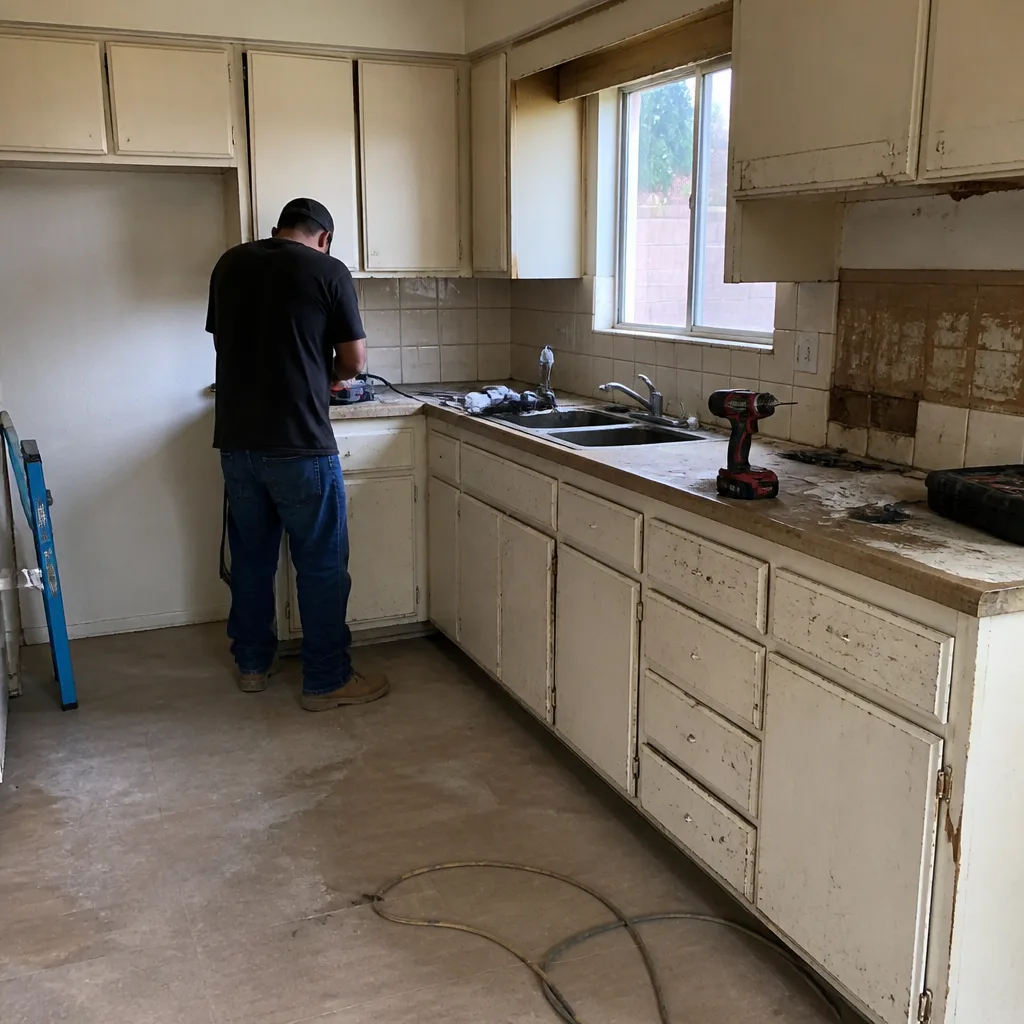 Before
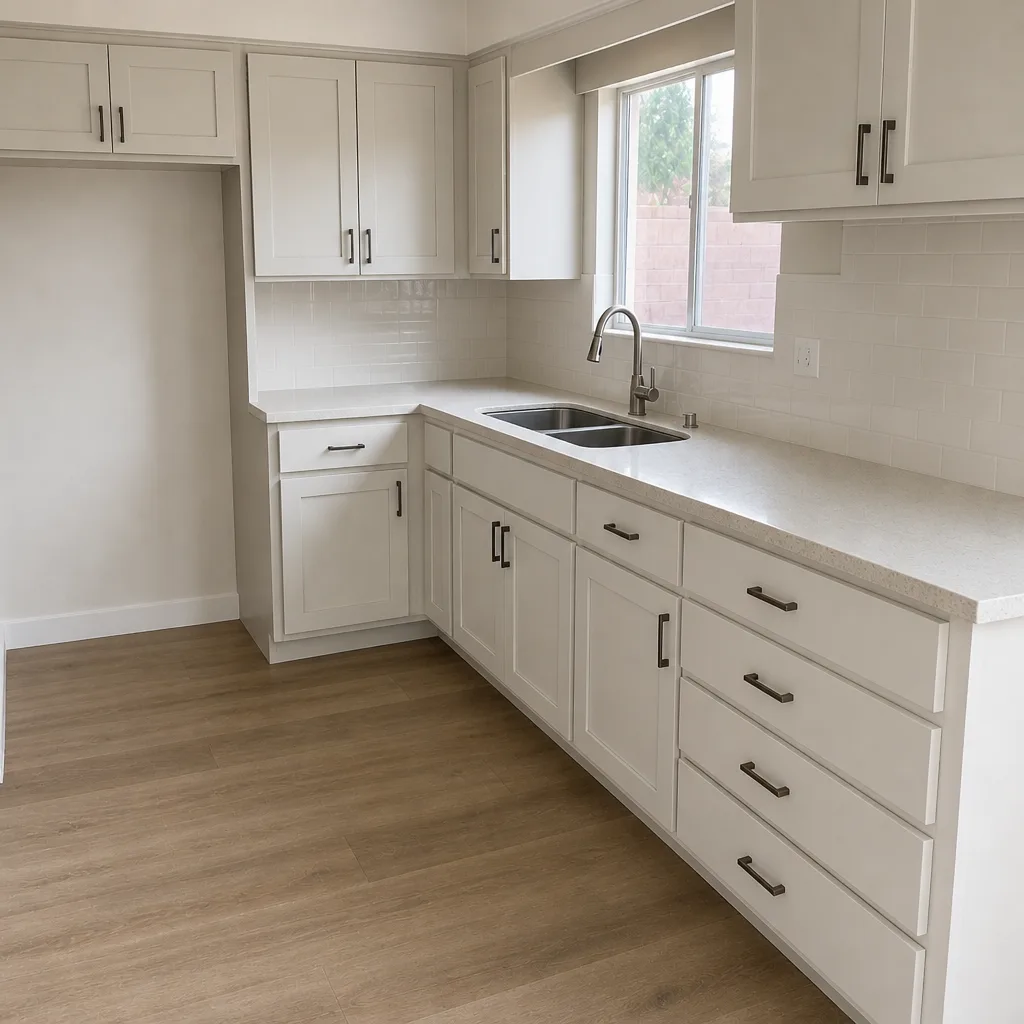 After
When to Call a Professional
Some work is DIY-able. Most of what shows up on a construction budget isn’t. Call a licensed contractor when the project involves structural changes, electrical or plumbing alterations, anything that needs a permit, or any work in an older home where the condition behind the walls is unknown. Gas lines, electrical panels, and load-bearing changes are non-negotiable – a mistake there isn’t a redo, it’s a hospital visit or a fire. If your bid comparison leaves you with two numbers you can’t reconcile, that’s also a good moment to have someone walk through the scope with you.
Barrett & Sons Construction Huntington Beach offers free estimates in Huntington Beach – call (844) 320-2945. We’ll walk the project, put the scope and every allowance in writing, and give you a bid you can actually compare against the others.
Frequently Asked Questions
A full mid-grade kitchen remodel in Huntington Beach runs roughly $65,000 to $110,000, well above the national average of $25,000 to $50,000. California labor, coastal material premiums, permit fees, and Title 24 lighting compliance account for most of the gap. Call (844) 320-2945 for an exact quote – estimates are free.
Only if the scope changes, and only in writing before the work happens. A properly written bid with a realistic contingency and itemized allowances should hold steady through the project. Hidden damage, abatement, or upgraded materials trigger a written change order, never a surprise invoice. Call (844) 320-2945 to see how our bids are structured.
Yes – on every eligible job, permits are pulled and inspections are signed. Permit costs scale with project valuation, so a bathroom remodel runs lower fees than an addition or ADU, and both should appear as a separate line on the bid. Call (844) 320-2945 with the project address and we can talk through what’s required.
A full bathroom remodel typically takes four to seven weeks, a kitchen eight to fourteen weeks, and an addition or ADU several months depending on permitting timelines with the city. Huntington Beach plan review adds time to any permitted project, so factor that into your schedule before demo starts. Call (844) 320-2945 for a realistic timeline on your specific scope.
It’s almost never the same kitchen. The lower bid usually excludes permits, carries smaller allowances, skips cleanup and disposal, or doesn’t include a written warranty. Compare line items side by side before comparing totals. Call (844) 320-2945 and we’ll walk your two bids against each other.
Yes. Salt air shortens the life of standard electrical panels, plumbing fittings, and structural fasteners, so coastal-grade materials add roughly 8% to 15% to hardware and exterior fixture costs. Skipping them saves a little now and costs more later. Call (844) 320-2945 for a scope walk-through that accounts for it.
The Bottom Line
National cost averages don’t apply in Huntington Beach, and treating them as a starting point is how homeowners end up $30,000 off budget before the first bid arrives. Build your reference point from local ranges: a kitchen at $65,000 to $110,000, a bathroom at $22,000 to $48,000, an ADU at $180,000 to $320,000. Budget a contingency for pre-1980 homes, pay for coastal-grade materials on exterior work, insist on permits, and compare line items rather than totals. The bid you can read is the bid you can trust, and the contractor who puts scope in writing is the one who’ll still be reachable when the job’s done.
Barrett & Sons Construction Huntington Beach writes every scope, allowance, and change order in writing and backs every completed job with our 90-Day Done Right Promise. To start with a free estimate on your Huntington Beach project, call Barrett & Sons Construction Huntington Beach home at (844) 320-2945.
Written by the team at Barrett & Sons Construction Huntington Beach.