Last updated November 17, 2026



Free written scope consultation - allowances, timeline, and change-order rules on paper before a single trade is scheduled
How Long Does Driveway & Pavers Take? Timelines and What to Expect
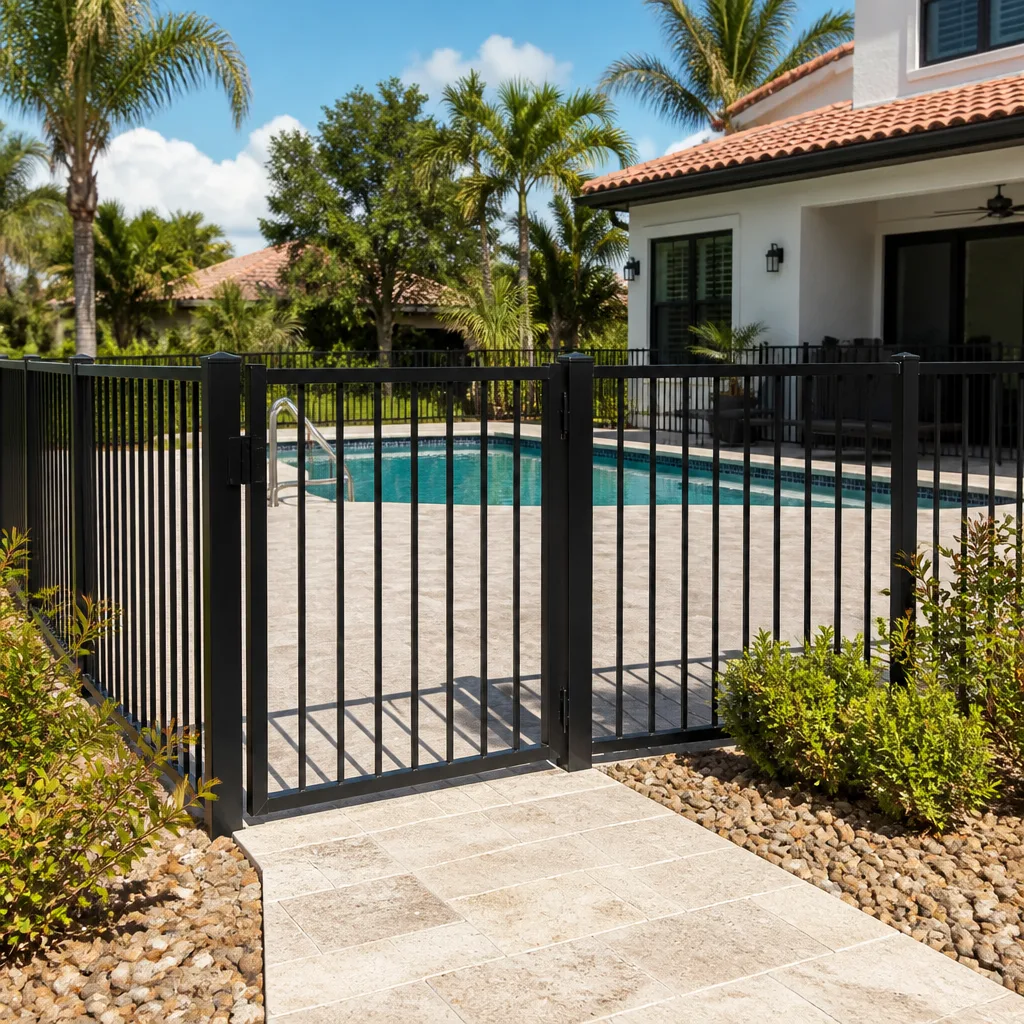
Any contractor who promises a paver driveway done in two days is quoting the fun part of the job. Laying pavers is fast. The base work, the compaction wait time, and the permit that has to close before the job is officially done are what set the calendar, and that’s where days quietly get added. In coastal Huntington Beach, the reality is a bit different from what most inland project timelines show. This guide breaks down each phase of a paver driveway project, tells you which days your car will actually have nowhere to park, and shows you how to read a contractor’s timeline for signs they’re planning to skip the work that holds up a driveway for the next twenty years.
Quick Answer
A full paver driveway replacement typically takes 5 to 10 working days from demolition to final inspection. The laying itself usually accounts for 2 to 3 of those days. The rest goes to permitting, material lead times, base prep, compaction, and inspection scheduling, and those are the parts that vary most in Huntington Beach.
Styles & brands we work with
- Kitchen remodeling
- Bathroom remodeling
- Home additions & ADU
- Roofing
- Windows & doors
- Driveway & pavers
- Fence
Table of Contents
- A Phase-by-Phase Paver Driveway Timeline
- Why Huntington Beach Timelines Run Longer Than Inland Projects
- What “Weather Hold” Actually Means in Coastal Orange County
- The Parking Plan: How Many Days Your Driveway Is Unusable
- Red Flags in a Contractor’s Timeline
- Questions to Ask Before You Sign
- Common Mistakes to Avoid
A Phase-by-Phase Paver Driveway Timeline
Here’s how a typical paver driveway project actually unfolds, phase by phase. The ranges below reflect what we’ve seen on jobs across Huntington Beach, from Surf City’s coastal blocks to the inland edges of the city.
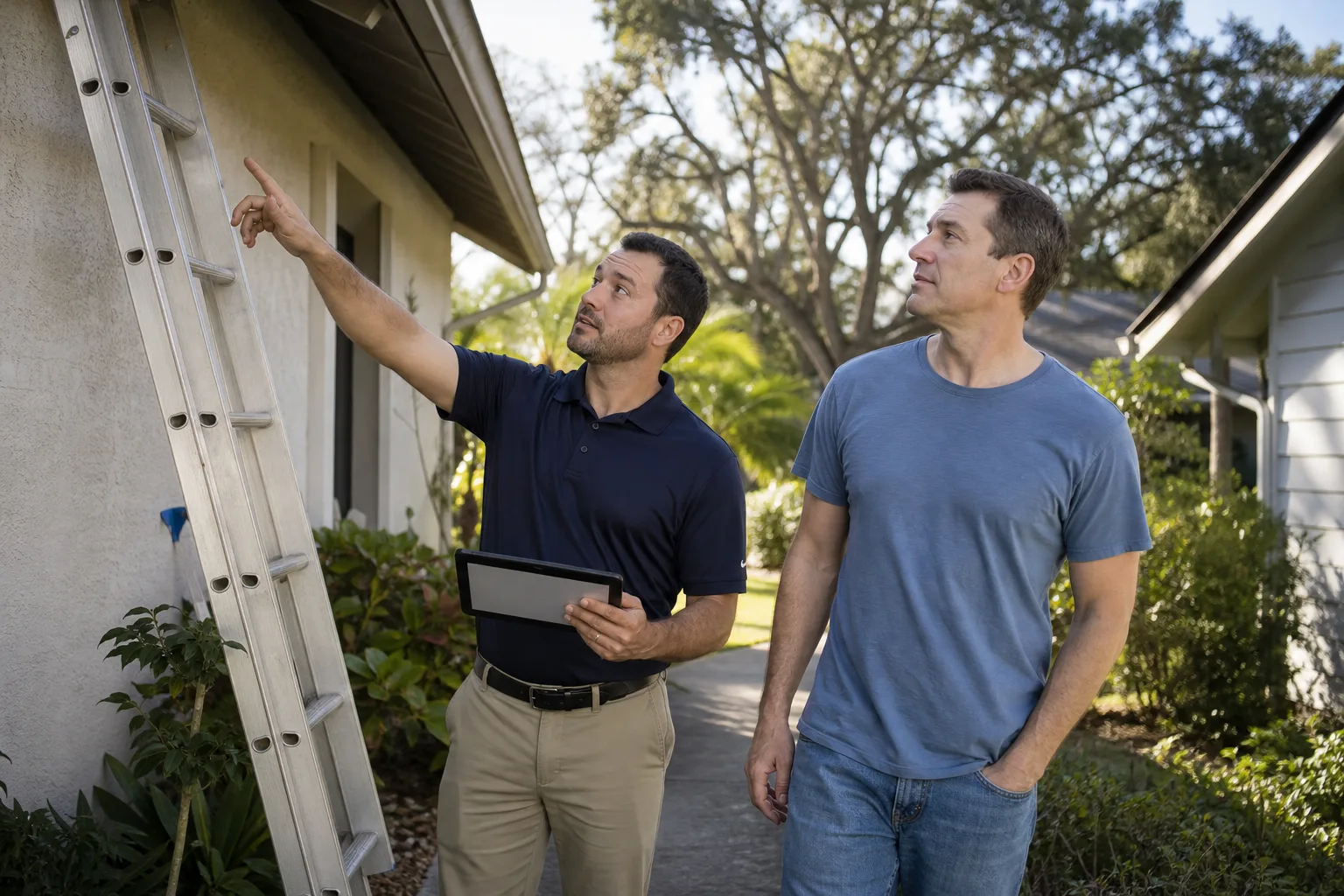
- Permit and planning (1 to 3 weeks before work starts). Most driveway changes in Huntington Beach require a permit, often because the apron meets the public right-of-way. The plan check and approval window varies. This is the phase homeowners most often forget to factor in. The clock on your project starts the day you decide, not the day the crew shows up.
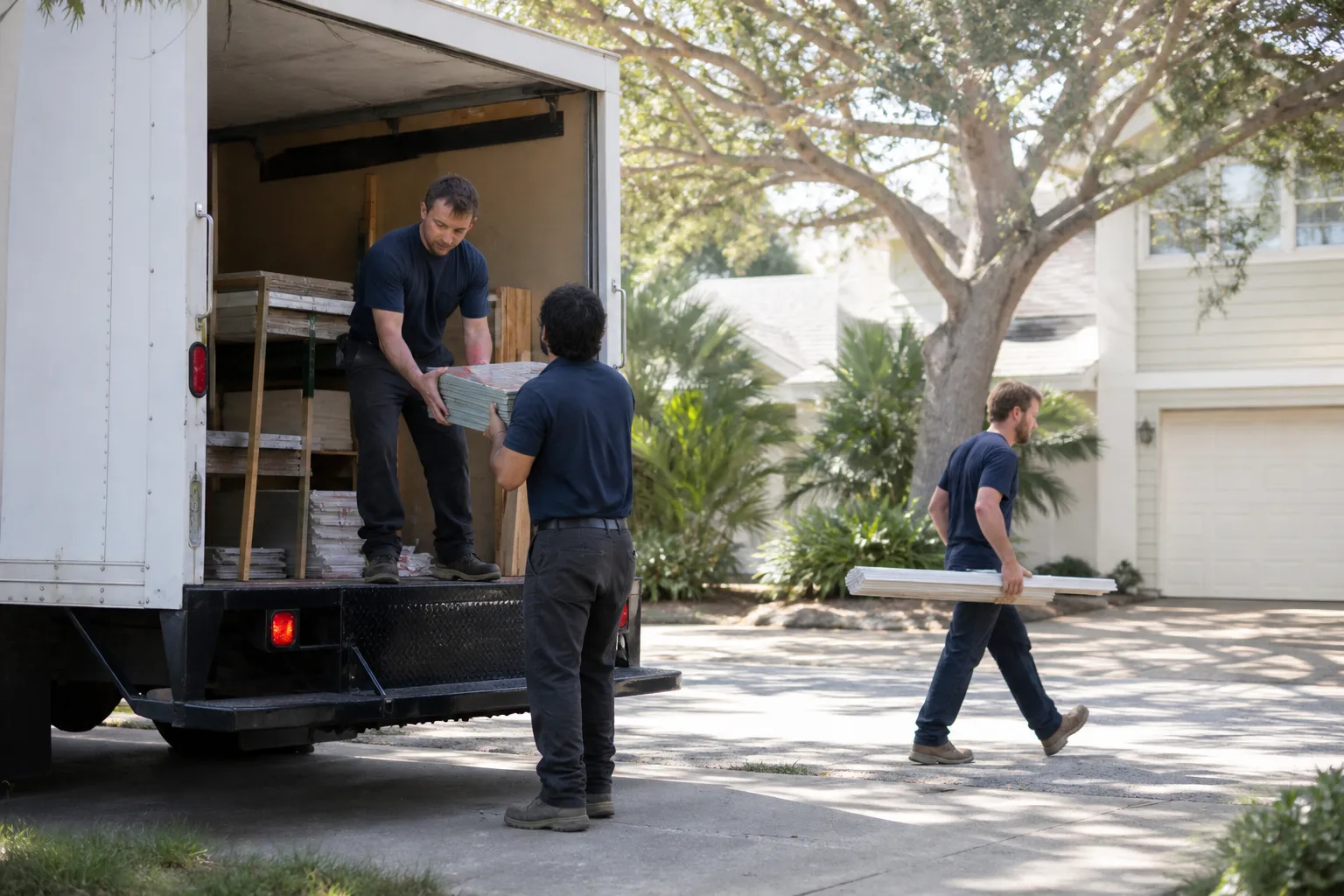
- Material order and lead time (1 to 4 weeks, overlapping permitting). Belgard and Tremron pavers are stocked through local supply yards but specific color blends and edge pieces sometimes need a special order. This lead time runs in parallel with permitting, so it rarely adds days on its own. It only adds days when it’s ignored until after demolition starts.
- Demo and haul-off (1 to 2 days). Breaking out concrete or removing old pavers, loading out the debris, and grading the exposed subgrade. A double-car driveway usually takes one to two days.
- Base prep and compaction (2 to 4 days in Huntington Beach). This is the phase that decides whether your driveway stays flat for a decade. Crushed aggregate base goes down in lifts, and each lift gets compacted before the next begins. Coastal clay soils here require more passes and occasionally more base depth than a sandy or rocky inland lot. This is where a short-promised job reveals itself.
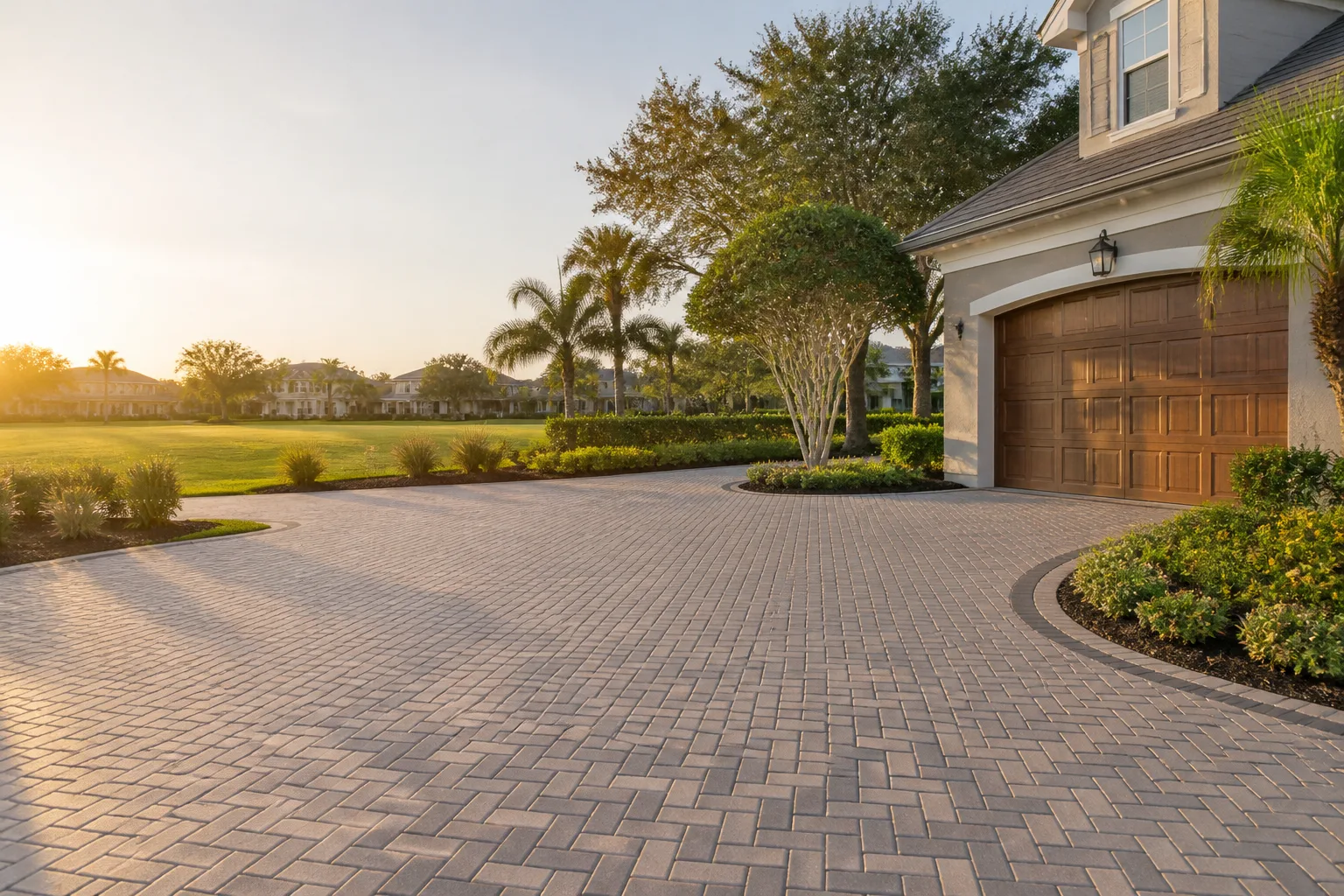
- Paver installation (2 to 3 days). Setting the base course, laying the field pavers, and cutting edge pieces at the apron, garage threshold, and border. A two-car driveway typically runs 2 to 3 days including cuts and borders.
- Jointing and compaction (half a day to 1 day). Polymeric sand swept into the joints, then a final compaction pass to lock the field.
- Curing and cleanup (1 day). Light foot traffic is usually fine within 24 hours, and vehicles after the polymeric sand has set per the manufacturer’s instructions.
- Final inspection (scheduled 1 to 5 business days out). The city inspector signs off, and the permit closes. Your contractor should pull the permit and get the inspection signed on every eligible job. This isn’t optional, and it’s one reason a job that “looked done” on a Saturday isn’t officially done until the inspector says so.
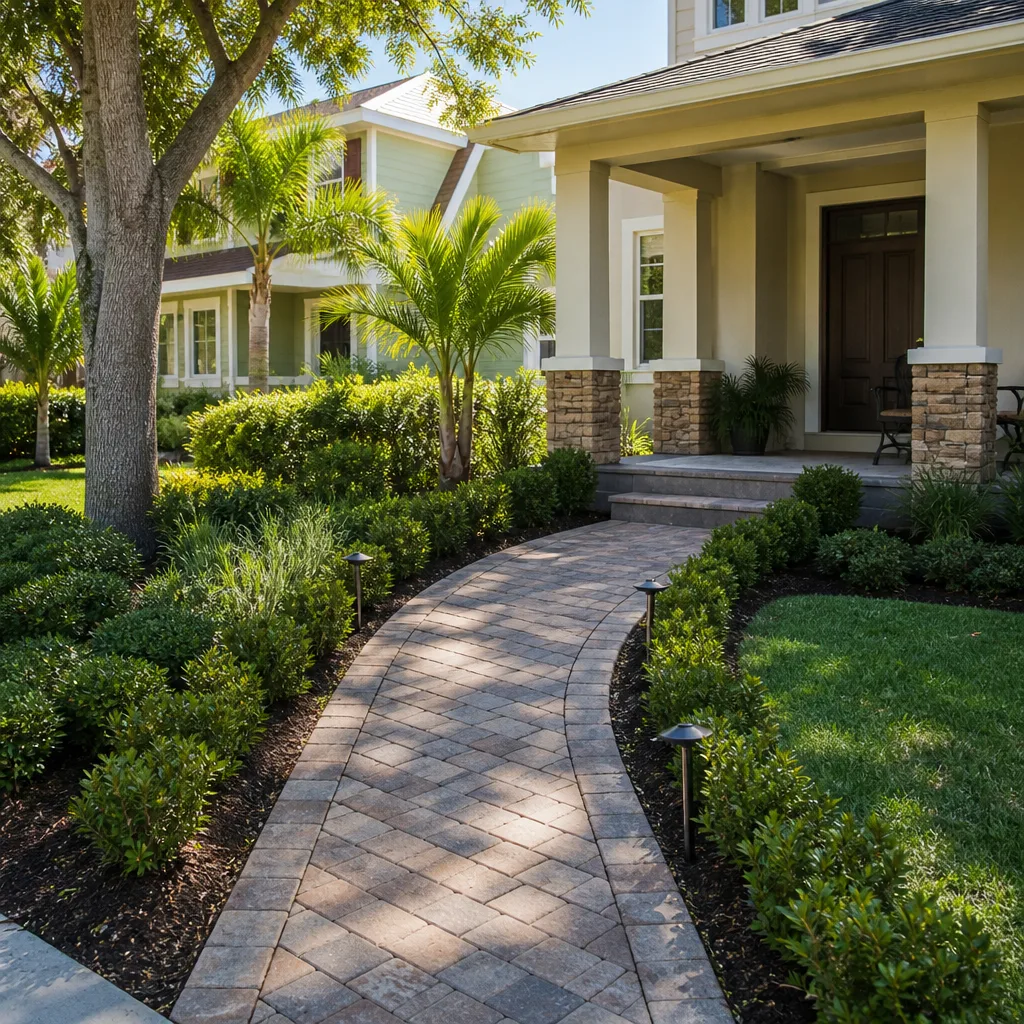
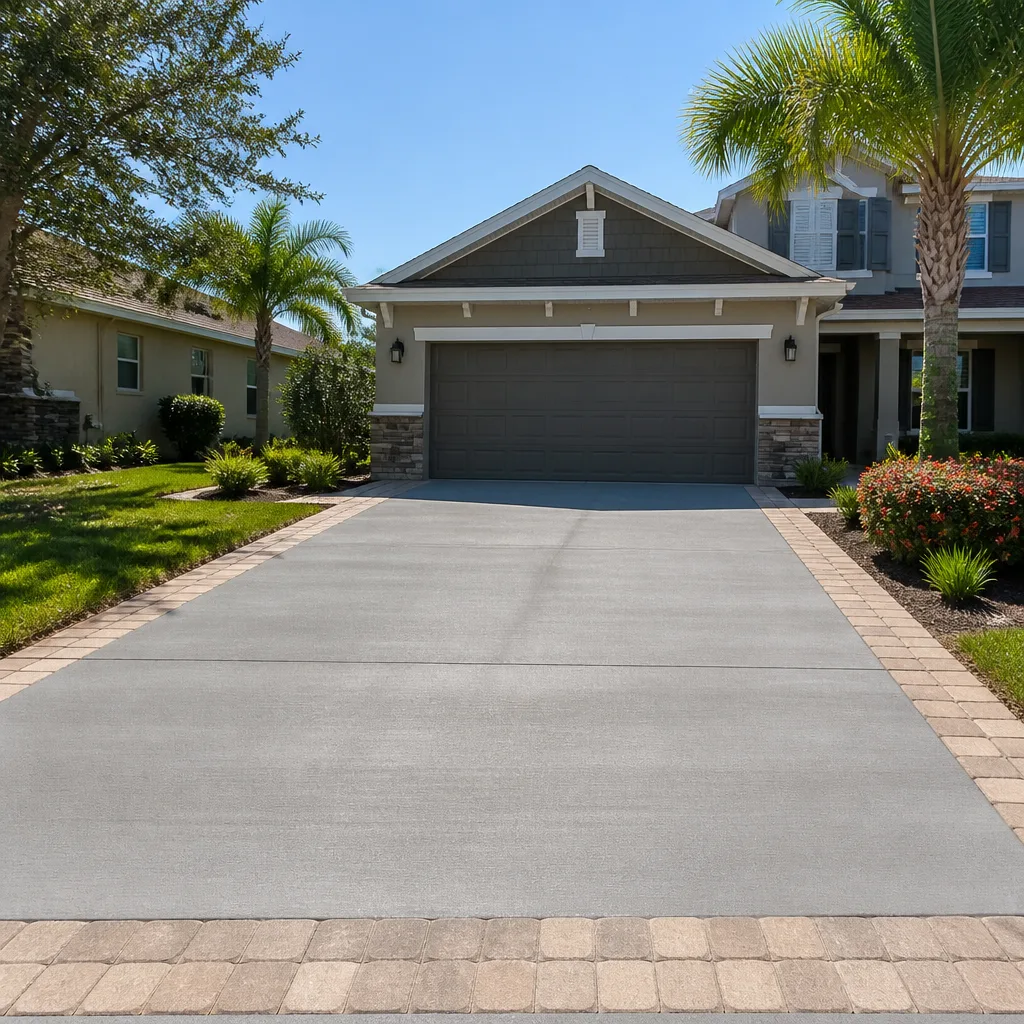
Total elapsed time from breaking ground to final sign-off usually lands between 5 and 10 working days, not counting the permit window that runs before demolition begins. If you want a full scope of what goes into a paver driveway, our Driveway & Pavers in Huntington Beach page covers materials, patterns, and the installation standards we follow.
Why Huntington Beach Timelines Run Longer Than Inland Projects
A drive-in-the-park paver job in Riverside County and a paver job on a Huntington Beach street with 1960s homes near the water can look identical on paper and take two different calendars. Three factors drive the gap.
- Clay soils demand extra compaction passes. Much of Huntington Beach sits on clay-heavy soils, especially in older neighborhoods like those around Adams Avenue and the tracts built through the 1960s and 70s. Expansive clay moves with moisture. Base prep here requires thinner lifts and more compaction passes, and occasionally deeper excavation than a sandy inland lot. That’s usually a day or two of added work, and it’s a day or two that shouldn’t be cut.
- Coastal delivery schedules are tighter. Supply yards serving the Huntington Beach coast often operate on narrower delivery windows than inland yards, and a truck that’s an hour late out of Long Beach or Santa Ana backs up the whole day’s schedule. Realistically, this adds half a day to a day to the front end of the job.
- City inspection wait times vary. Driveway permits that touch the public apron are pulled through the city. Inspection scheduling is not instantaneous. In busier seasons, the final sign-off can take up to a week, and that’s out of your contractor’s hands. The inspector works for you, not for us. That’s why we schedule around them rather than promising a specific close-out date we can’t control.
Altogether, Huntington Beach’s soil, delivery infrastructure, and permit pipeline can add 3 to 5 days to a timeline that an inland contractor with a Riverside County or San Bernardino County house might quote you over the phone. That’s not upselling. It’s the geology and the city.
What “Weather Hold” Actually Means in Coastal Orange County
“Weather hold” is a real thing in Huntington Beach, and it’s also a phrase that gets used as an excuse. Knowing the difference matters when you’re planning around the calendar.
What genuinely delays a paver driveway:
- Rain during excavation or base prep. Wet subgrade can’t be compacted to spec. If it rains after demo, the site may need to dry out for a day or two before base work resumes. This is the only weather delay that genuinely costs days.
- Heavy rain within 24 hours of polymeric sand installation. The sand needs to cure. If rain hits the freshly jointed field, it can wash out the sand and require re-work. A contractor who watches the forecast and pushes installation back a day is doing their job, not making excuses.
What does not meaningfully delay the work:
- Marine layer. Huntington Beach sits under a June Gloom marine layer for weeks at a time in late spring and early summer. It keeps temperatures cool, but it doesn’t saturate the ground. Crews work in it every year. If a contractor uses “the marine layer” as the reason to push a job, ask what stage they’re in and what specifically is wet.
- Overcast days in general. Paver installation and base work are perfectly safe under cloud cover. In fact, milder weather is often easier on the crew and lets them work more hours without heat breaks.
When a weather hold is called, ask two questions: which phase are we in, and what does the forecast say for the next 48 hours at this site? A clear answer means the delay is real. A vague one means something else is going on.
The Parking Plan: How Many Days Your Driveway Is Unusable
This is the part nobody quotes on the phone and every homeowner has to live through. So let’s lay it out plainly.
For a typical double-car driveway in Huntington Beach, you should expect:
- Days 1 to 2 (demo and base prep): completely unusable. The site is an open excavation. Nothing goes on it.
- Days 3 to 5 (base and pavers going down): completely unusable. The base is staged and compacted, but pavers aren’t locked yet.
- Day 6 (jointing and compaction): foot traffic only. Don’t roll a wheelbarrow on it, and keep everyone off the field until the polymeric sand has set.
- Day 7 onward: vehicle traffic, per manufacturer’s recommendation. Light cars are usually fine within 24 hours of jointing. Heavier vehicles (a truck, an RV, a delivery van) should wait a bit longer.
Total completely-unusable window: usually 5 to 7 days. Add permit days if the job starts before the permit closes, which it shouldn’t. If your contractor offers a scope that keeps a partial lane or a partial apron open, ask whether that’s genuinely workable or whether it just means staging the site around your car. Doing base work in two halves adds time and cost. Sometimes it’s the right call, and sometimes it’s a nice-sounding promise that ends up dragging the job out by days.
The practical rule: plan for a full week of your driveway being off-limits, and have a spot in the street or a neighbor’s driveway arranged. If you have a second vehicle, get it out of the way the day before demo starts, not the morning of.
Red Flags in a Contractor’s Timeline
An unrealistically short timeline isn’t just optimistic. It usually tells you what the contractor plans to skip. Watch for these:
- “Two or three days, done by Friday.” That’s not a driveway. That’s a parking pad with pavers dropped on uncompacted dirt. Base work alone takes more days than that on a Huntington Beach clay lot.
- “Permits aren’t required for pavers.” Sometimes true, often not, especially when the driveway meets the public apron. A contractor who tells you permits are optional is telling you they’ll skip the inspection that catches their own mistakes.
- “We’ll order materials when we start.” If the pavers aren’t confirmed and on the schedule before demolition, a two-week lead time turns into an open hole in your yard while you wait.
- No mention of compaction passes. A timeline that goes straight from “grade” to “lay” without a base compaction discussion is a timeline that plans to skip it.
- No allowance on the written estimate for base depth variations. On clay soils, base depth isn’t always knowable until excavation. A contractor who quotes a fixed number without an allowance and then wants to change-order you mid-job is setting you up for a surprise. Everything scope-related should arrive as a written change order before work proceeds. An allowance that isn’t on paper is a surprise waiting for a date.
- Vague inspection language. If the estimate doesn’t mention inspection scheduling, ask who pulls the permit and who coordinates the inspector.
Questions to Ask Before You Sign
Ask these in writing, and expect written answers.
- Who pulls the permit, and what’s the expected inspection window? If the answer is anything but “we do,” ask why.
- How much base depth is specified, and how many compaction passes? On a Huntington Beach clay lot, expect a real answer with numbers.
- What’s the material lead time, and are the pavers confirmed? You want a delivery date before demo day.
- Which days will the driveway be completely unusable? Get a range in writing. Compare it to the estimate’s total. If the two don’t line up, ask which is real.
- What happens if we hit unexpected soil conditions? The answer should mention a written change order, not a verbal “we’ll figure it out.”
- What’s the warranty? A real one is on paper.
If you’re also considering a fence to go with the new drive, our Fence Installation in Huntington Beach page walks through how that timeline overlaps.
Common Mistakes to Avoid
- Booking around the crew’s start date instead of the permit’s start date. If the permit isn’t approved, the crew isn’t working. Don’t plan a vacation or a delivery around a demo date that depends on a permit not yet in hand.
- Leaving a car on the driveway the morning of demo. Crews arrive early. Move every vehicle to a safe spot the night before, not the morning of.
- Choosing the lowest-priced bid on a job with no compaction discussion. A quote that’s $2,000 lower than others almost always shaves days out of base work. That shows up as settling, drainage problems, and pavers shifting within one or two winters in Huntington Beach’s marine environment.
- Skipping the permit because a contractor said it wasn’t needed. Even if the current job slides by, a permit issue can complicate a future sale or refinance because an inspector will notice an apron that doesn’t match the file.
- Planning to be back in the driveway on the “promised” final day. Final inspection is the last step, and it’s not on the contractor’s schedule. Plan an extra buffer week.
- Ignoring drainage. A slight slope toward the street or a French drain may be needed. If the timeline and scope don’t mention drainage, ask.
- Not asking how the pavers will be delivered. If a pallet truck needs to cross your neighbor’s sidewalk or block half the street, that requires a conversation beforehand.
See the difference
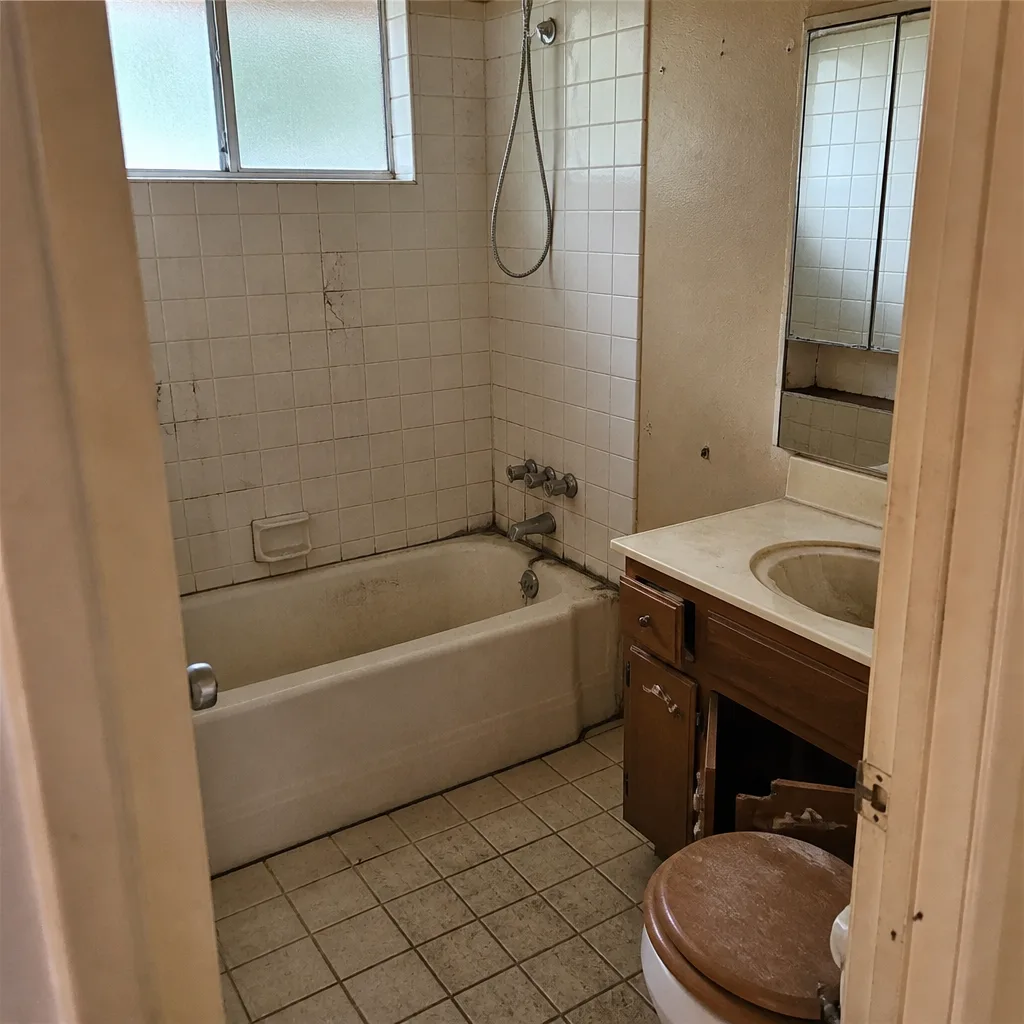 Before
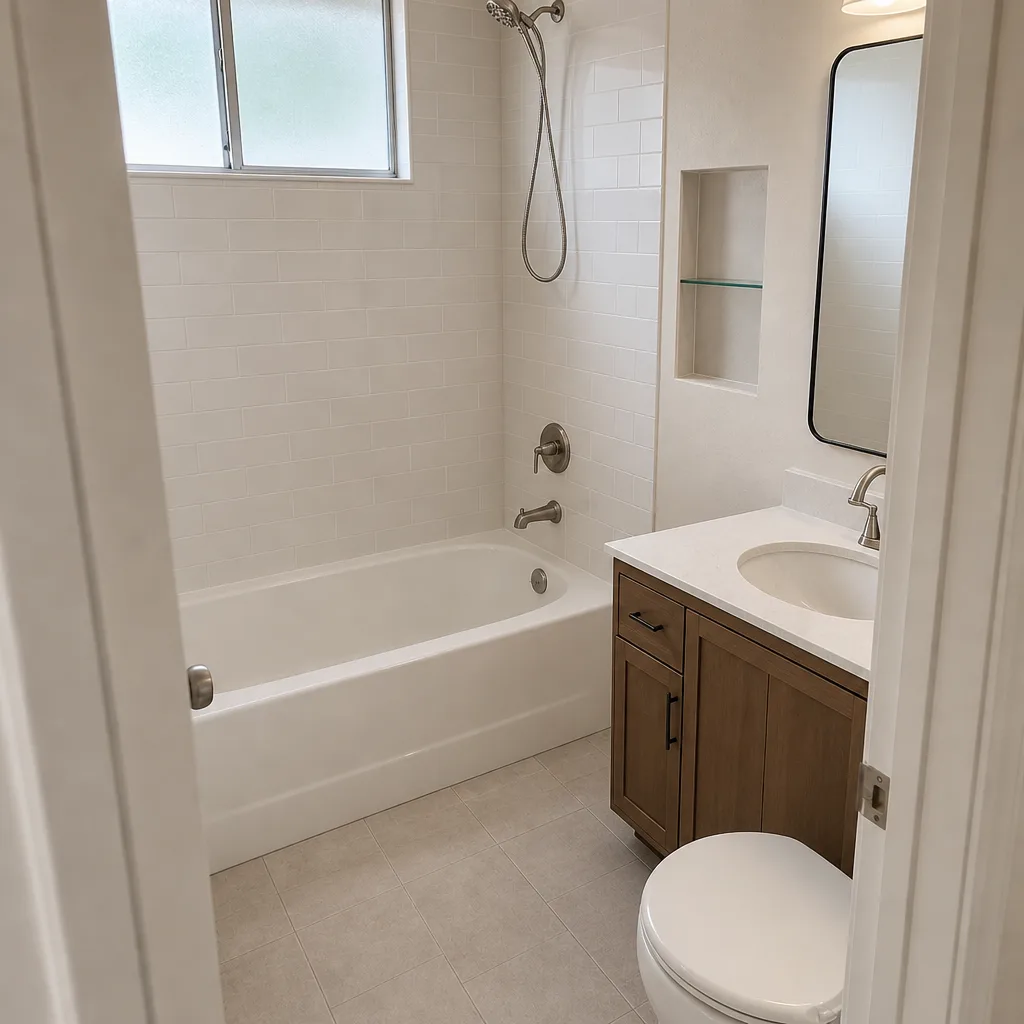 After
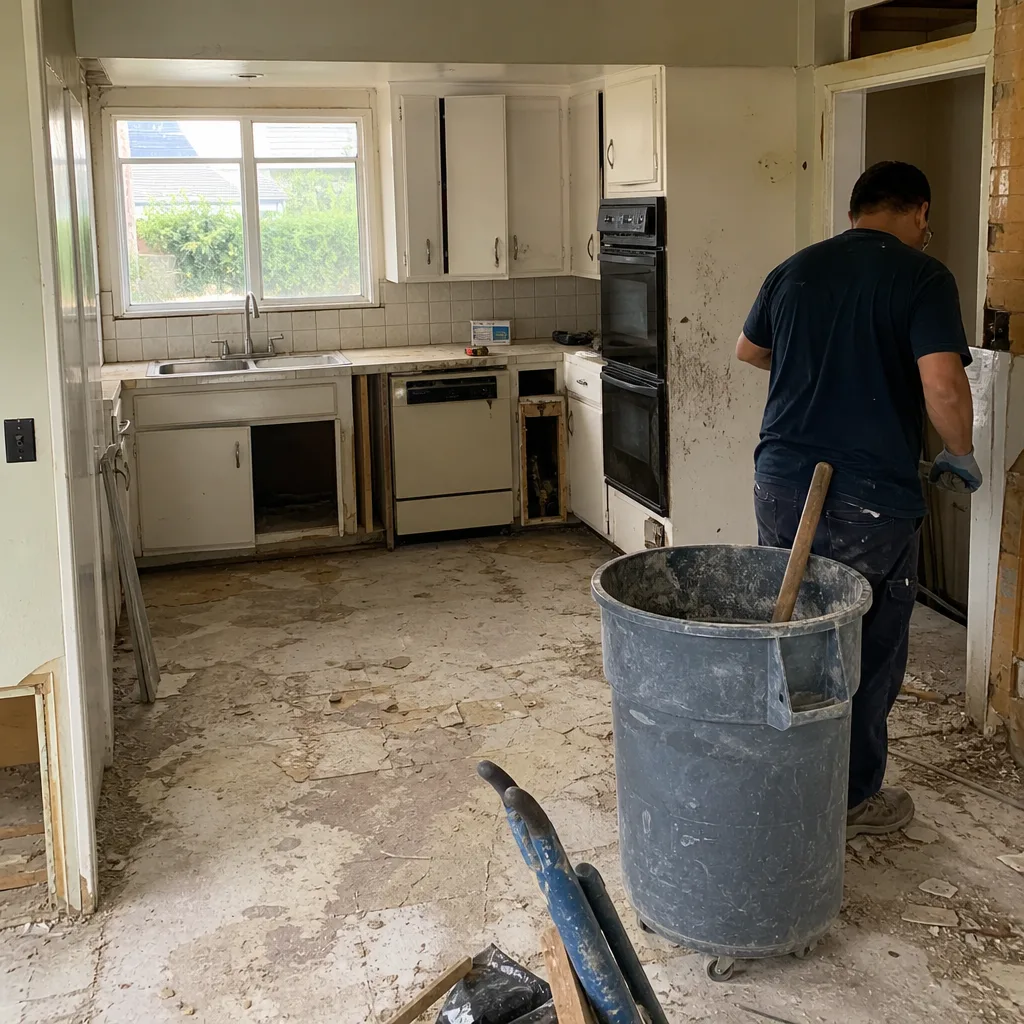 Before
 After
 Before
 After
When to Call a Professional
Any driveway project on clay soil that requires excavation, permit work, or a change in apron geometry is not a weekend project. The base work alone calls for a plate compactor, a skilled grader, and a real conversation about drainage. If your current driveway is settling, pooling water, or has pavers shifting after a few seasons, that’s a base failure, and the fix is a full removal and rebuild, not a patch. A crew that handles the soil conditions correctly the first time saves you the cost of the second job. Our team at Barrett & Sons Construction Huntington Beach offers free estimates in Huntington Beach – call (844) 320-2945 to schedule one. We’ll walk the driveway, talk through the base plan, and give you a realistic calendar in writing.
Frequently Asked Questions
Most paver driveways in Huntington Beach take 5 to 10 working days from demolition to final inspection, with the laying itself accounting for 2 to 3 of those days. Permit timelines and material lead times run ahead of that window. Call (844) 320-2945 for an estimate on your driveway.
Often yes, especially if the driveway meets the public right-of-way or changes the apron. Requirements vary by parcel, so the answer is always “check with the city” before work starts. Every eligible job should include permits pulled and inspections signed. Call (844) 320-2945 to talk through your project.
A small single-car driveway on a stable soil base can occasionally close out inside a week, but two-car driveways on Huntington Beach clay soils almost always run longer once base compaction and inspection scheduling are included. Anyone promising three days is skipping the base work. Call (844) 320-2945 for a written scope and calendar.
Yes, if it hits during excavation, base prep, or within 24 hours of polymeric sand installation. It does not typically delay the work during the marine layer or an overcast June Gloom stretch. When a weather hold is called, ask which phase is affected and what the forecast looks like for the next 48 hours. Call (844) 320-2945 to schedule around the forecast.
Paver driveways in Huntington Beach generally run between $15 and $30 per square foot installed, with coastal soils and permit work pushing toward the higher end. Concrete replacement typically prices lower per square foot, but the settling risk on clay soils often makes the long-term math favor pavers. Call (844) 320-2945 for a written line-item estimate with no surprises.
The pavers may look done before the final inspection closes the permit. That’s normal. The job is officially finished when the city inspector signs off. A good contractor will coordinate that inspection and give you the sign-off date in writing. Call (844) 320-2945 with questions about an inspection on your driveway.
The Bottom Line
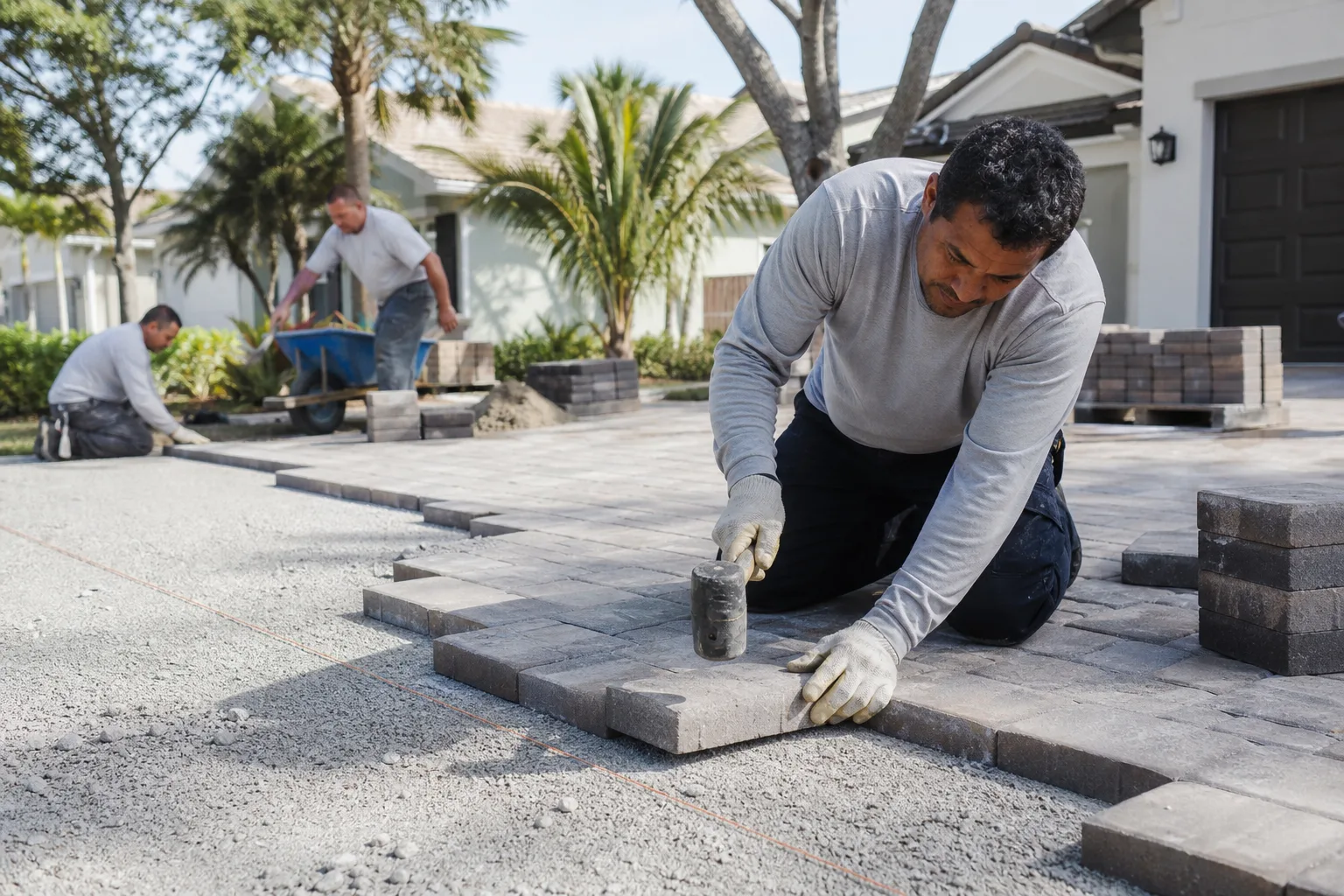
The paver-laying part of a driveway is genuinely fast, and it’s the part most contractors quote you on. The real timeline is set by permitting, material lead times, and base compaction, and in Huntington Beach, by clay soils, coastal delivery schedules, and city inspection wait times. Plan for a full week of the driveway being unusable, and expect permit work to run ahead of that. Ask every contractor for a phase-by-phase calendar in writing, and treat a two-day promise as a red flag. A driveway done right is a fifteen-to-twenty-year surface. A driveway done in two days is the one you’ll be replacing in four.
For a written scope, a written permit plan, and a realistic calendar on your next driveway project, our team at Barrett & Sons Construction Huntington Beach is ready to walk it with you. Call (844) 320-2945 to schedule your free estimate. Start with a full look at our Driveway & Pavers service, see how a Home Additions & ADU project or Fence Installation in Huntington Beach might run alongside, and get a feel for how we work on our Barrett & Sons Construction Huntington Beach home page. No hassle pricing, written change orders before any scope change, and a live person answering the phone when you call.
Written by the team at Barrett & Sons Construction Huntington Beach.