Last updated November 17, 2026





Free written scope consultation - allowances, timeline, and change-order rules on paper before a single trade is scheduled
How to Hire a Construction Contractor in Huntington Beach: A Step-by-Step Guide
Here’s the number that should slow you down before you sign anything: a bathroom remodel in Huntington Beach can run $60,000, and in a market this hot, good contractors are booked six months out. That shortage is exactly what makes homeowners rush. The pressure to lock someone in before they disappear into the next job is when people skip the one check that matters most. They never ask to see the written change-order policy before work starts, and that single omission is where most of the regret in this town begins. This guide walks you through the moves that actually separate a trustworthy Huntington Beach contractor from a polished one.
Quick Answer
To hire a contractor in Huntington Beach, verify the license number on the CSLB website to confirm it’s active and matches your project type, get a written contract that spells out scope, allowances, and the change-order process, and structure payments so you’re never ahead of completed, inspected work. Ask each bidder how they handle surprises and permit timelines before you compare prices, because on the coast the cheapest bid is often the one that leaves things out.
Styles & brands we work with
- Kitchen remodeling
- Bathroom remodeling
- Home additions & ADU
- Roofing
- Windows & doors
- Driveway & pavers
- Fence
Table of Contents
- Step 1: Verify the California License in 90 Seconds
- What License Classifications Mean for Your Project
- The Five Contract Clauses That Separate a Pro From a Rough Estimate
- Why “We’ll Pull Permits As We Go” Is a Red Flag in Huntington Beach
- How to Structure a Payment Schedule You Can Live With
- Questions to Ask References That Go Beyond “Were You Happy?”
- Reading the Huntington Beach Market Before You Sign
Step 1: Verify the California License in 90 Seconds
The Contractors State License Board (CSLB) runs a free lookup at cslb.ca.gov, and it takes less time to check than it does to read a text message. This is the first thing we tell neighbors to do, and it’s the step most people skip because a contractor handed them a business card and seemed nice.
- Go to the CSLB website and open the license lookup.
- Type in the license number exactly as it appears on the contractor’s card or contract.
- Confirm the status reads “Active.” A “Expired,” “Suspended,” or “Inactive” status is a stop sign.
- Check the classification code against your project type (more on that below).
- Look at the bond and workers’ compensation status, and confirm the business name matches the one on your contract.
Here’s the part people miss: a license can be active but still not cover the work you’re hiring for. In Huntington Beach, where a lot of homes sit on lots with tight side yards and coastal wind exposure, a contractor licensed for one trade may not be licensed for the structural or roofing work your job actually requires. That mismatch is what surfaces later, at inspection or at resale.
Verifying the license is also how you protect yourself from a contractor who is operating on someone else’s number. The CSLB record shows the business name tied to that license. If the name on the lookout doesn’t match the name on the contract, you have a problem before the first day. We publish our license number precisely so you can look it up yourself. Ask anyone on your street, or check the record. It takes a minute, and it’s the whole ballgame.
What License Classifications Mean for Your Project
The CSLB issues different classes of license, and each one defines what work a contractor is legally allowed to perform. Getting this wrong in Huntington Beach is common, because the housing stock here spans mid-century tract homes, custom builds near the water, and older properties with quirks that require more than one trade.
- Class A (General Engineering): covers fixed works like roads, grading, and large infrastructure. Rarely the right fit for a residential remodel.
- Class B (General Building): the broad residential license. It covers whole-home construction and remodels that involve more than two unrelated trades, and it’s what you want for a room addition or a full kitchen gut.
- Class C specialties: single-trade licenses such as C-39 (roofing), C-33 (painting), or C-27 (landscaping). Each is legitimate for that trade only.
What this means for you: if you’re having a bathroom redone and the work involves moving fixtures, tile, plumbing, and electrical, you want a Class B contractor or a properly licensed combination that covers each trade. A C-39 roofer who offers to “handle the whole addition” is outside the license. The CSLB record tells you the classification, so compare it to what your project requires before you shake hands.
For bigger jobs, the license question becomes a project-planning question. If you’re weighing a room addition or an ADU, the contractor needs to show experience managing the trades, the plans, and the city’s review process. Our Home Additions & ADU in Huntington Beach page covers how that sequence works, and it’s worth reading before you compare bids on a project that size.
The Five Contract Clauses That Separate a Pro From a Rough Estimate
A written estimate is not a contract, and a contract is only as good as the clauses in it. Here are the five that separate a professional bid from a rough number scribbled on a form.
- A written change-order policy. The contract should say, in plain language, that any scope change or cost increase requires a written change order signed before work proceeds. No verbal approvals, no added charges after the fact.
- A detailed scope and allowance schedule. Line by line: what materials, what brands, what quantities. An allowance that isn’t on paper is a surprise waiting for a date.
- The permit and inspection clause. It should name who pulls the permits, who schedules the inspections, and what happens if the city flags something.
- A payment schedule tied to milestones. Not a big lump up front. Payments tied to completed and inspected work.
- A written workmanship guarantee with a clear term. What’s covered, for how long, and how you reach the contractor if something fails.
In our experience, the polished-but-thin bid shows up at number two. The contractor gives you a total price with a lump called “materials” and a lump called “labor,” and you can’t tell whether the vanity is a Kohler or a house brand until it arrives. The professional bid names the brand and the model. Same for a Moen or Delta faucet. It’s a name you can look up.
We put the change-order language in writing on every job, because a price that changes without a signature is just a surprise invoice with a delay. That’s the clause that protects your budget and keeps the project honest from both sides of the table.
Why “We’ll Pull Permits As We Go” Is a Red Flag in Huntington Beach
That phrase should end the conversation. A contractor who plans to pull permits “as we go” is telling you they intend to start work without the plan review and inspection that the city requires. In Huntington Beach, where coastal wind codes and older housing stock make structural and roof work inspection-sensitive, that shortcut is not a small thing.
Here’s what it costs a homeowner if unpermitted work surfaces later:
- At resale: a buyer’s inspector finds work that was never permitted, and the closing stalls or the price drops. Some lenders won’t finance a home with certain open code issues.
- At insurance: a claim tied to work that was never inspected can become a fight over coverage.
- At the city: the homeowner can be the one required to pull retroactive permits, pay the fees, and bring work up to current code, sometimes by opening walls that were finished years earlier.
Permits are pulled on every eligible job for a reason. The permit inspector works for you, not for us. That’s why we like him. He’s the third party who confirms the framing, the electrical, and the roof connection are what the plan said they’d be. In a coastal city, wind-rated fasteners and correct flashing aren’t optional details. They’re the difference between a roof that holds and one that lifts in a Santa Ana wind event.
The same logic applies outdoors. If you’re replacing a fence or a driveway, know whether the work requires a permit and where your property line actually sits. Our Fence Installation in Huntington Beach and Driveway & Pavers in Huntington Beach pages cover the local specifics, because both of those projects can run into setback and drainage requirements that vary block by block.
How to Structure a Payment Schedule You Can Live With
California caps the down payment a licensed contractor may collect on a home improvement contract at 10 percent or $1,000, whichever is less, and the contract can’t require you to pay ahead of work that’s been done. If a contractor asks for 50 percent up front, that alone tells you what you need to know.
A schedule that protects you looks like this:
- Deposit: limited to the legal cap, paid only on a signed contract.
- Progress payments: tied to defined milestones (demo complete, rough-in inspected, cabinets set), each released only after the work behind it is done and, where required, inspected.
- Final payment: held until the punch list is finished and the job passes final inspection. Keep the last payment meaningful so the last few items actually get done.
In our experience, the payment schedule is where a homeowner wins or loses the endgame. A contractor with most of the money in hand and a long punch list has little reason to hurry back. One with a final payment still on the table calls you before you have to call them. We tie every progress payment to inspected work and issue each price change as a written change order before a single nail moves.
Questions to Ask References That Go Beyond “Were You Happy?”
Every contractor has three happy references ready to go. The useful questions probe how the contractor handled the parts of a job that never go perfectly, because every job has surprises. Here’s what to ask the last three customers:
- “What went wrong, and how did the contractor handle it?” Listen for whether the contractor came back and made it right, and how fast.
- “Did the price change from the first bid to the final invoice, and why?” A small written change for a real surprise is fine. A big verbal jump is not.
- “How did communication work when the schedule shifted?” Delays happen. The question is who told you, and how early.
- “What was on the final punch list, and how long did it take to close out?” The last 5 percent is where a lot of contractors disappear.
- “Would you use them again, and would you let them in your house while you’re at work?” The second half of that question tells you more than the first.
Ask all five. A thin reference call goes right to “were you happy” and stops there, which is exactly what a polished operator is counting on. A homeowner who was genuinely taken care of can answer all five without stopping to think.
Reading the Huntington Beach Market Before You Sign
Demand here is high, and the best contractors are booked months out. That’s not a reason to rush. It’s a reason to start earlier than you think you need to and to be more deliberate about the paper.
Three local realities worth knowing. First, coastal humidity and salt air accelerate wear on exterior wood, trim, and hardware, so bids on siding, fences, and windows should account for materials rated for that exposure, not the cheapest option off a van. Second, older neighborhoods have homes that have been remodeled more than once, often by different contractors, and a good bid includes an inspection of what’s behind the wall before quoting a number. Third, the city’s permitting process takes real time, and a contractor who quotes you a two-week start without mentioning plan review is either guessing or skipping it.
We’d rather tell you a start date we can hit than one that sounds good. If you’re at the point of comparing bids, get a free second opinion on any written estimate you have. It’s a free service, and a second set of eyes on the scope and the change-order policy costs you nothing. For a broader look at how we approach a project from first walk-through to final inspection, start with our Barrett & Sons Construction Huntington Beach home page.
Common Mistakes to Avoid
- Signing the low bid without reading the scope. The lowest number in Huntington Beach is often the one missing the permit and the material brand. Compare line items, not totals.
- Paying more than the legal deposit. A contractor asking for 50 percent up front is asking you to fund the job before it starts, which puts the risk on you.
- Trusting “we’ll pull permits later.” Unpermitted work can stall a resale and complicate an insurance claim. It’s the homeowner, not the contractor, who carries that risk.
- Skipping the CSLB lookup because the contractor “seemed legit.” A polished pitch and an active license are not the same thing. Check the record.
- Letting change orders happen verbally. A verbal “we’ll sort it out” at the end is how the surprise invoice shows up.
- Accepting references who only say “were you happy.” Ask specifically about surprises, schedule shifts, and punch list close-out.
- Starting without a written punch-list process. Agree before work begins who signs off on final completion, and don’t release the final payment until it’s done.
See the difference
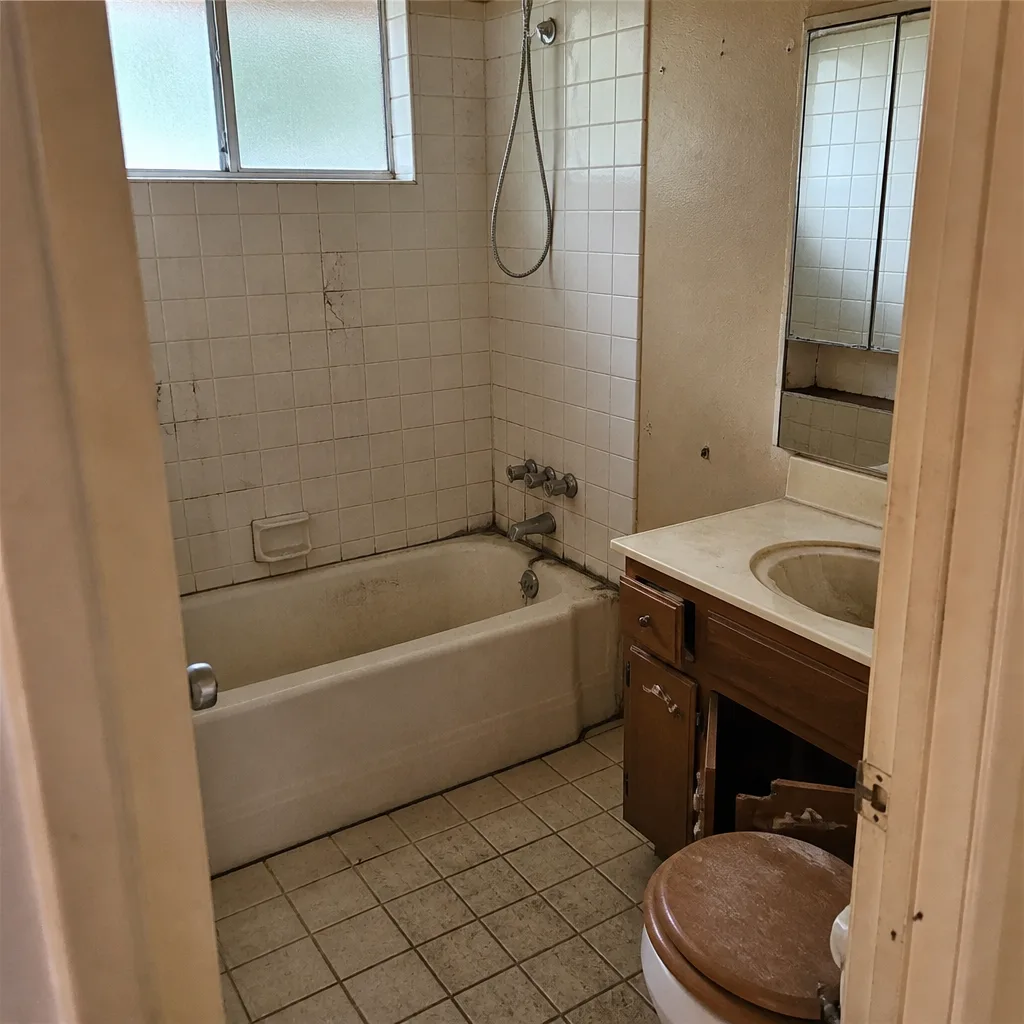 Before
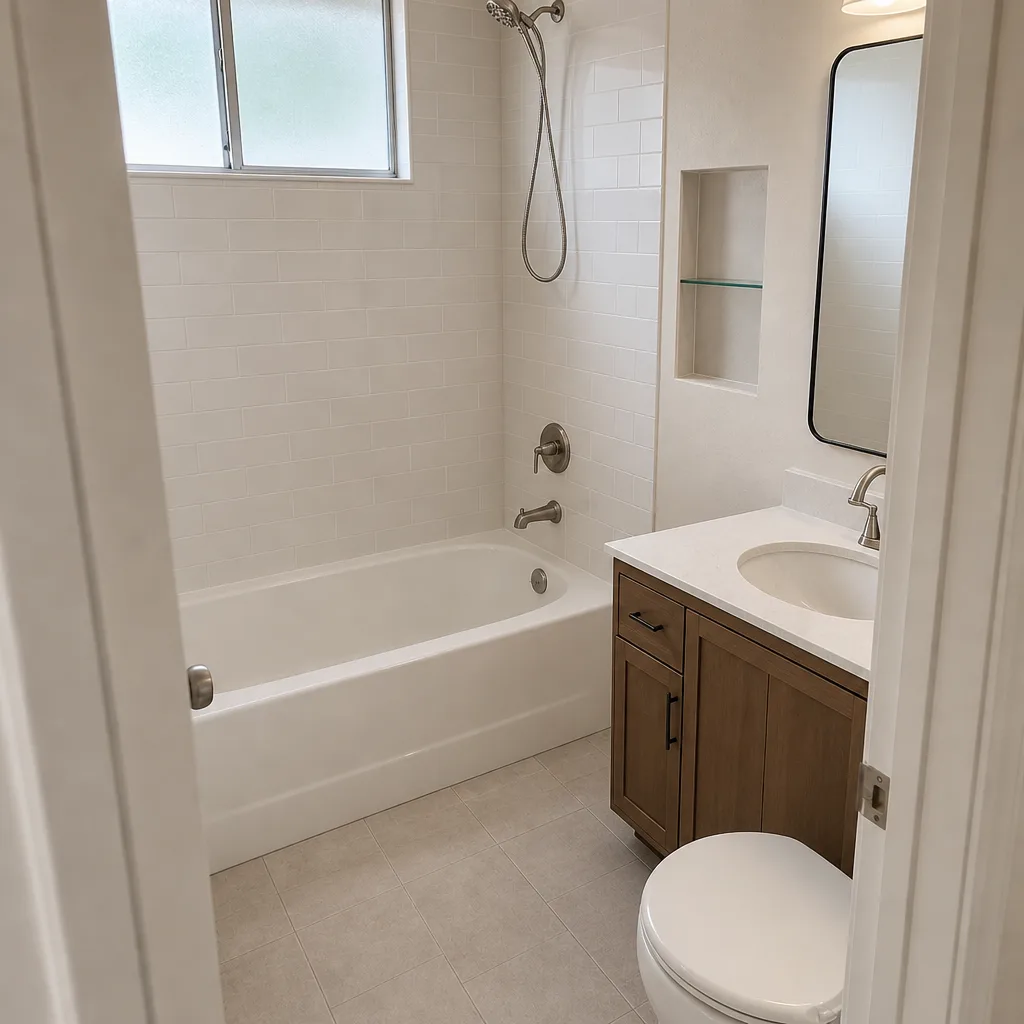 After
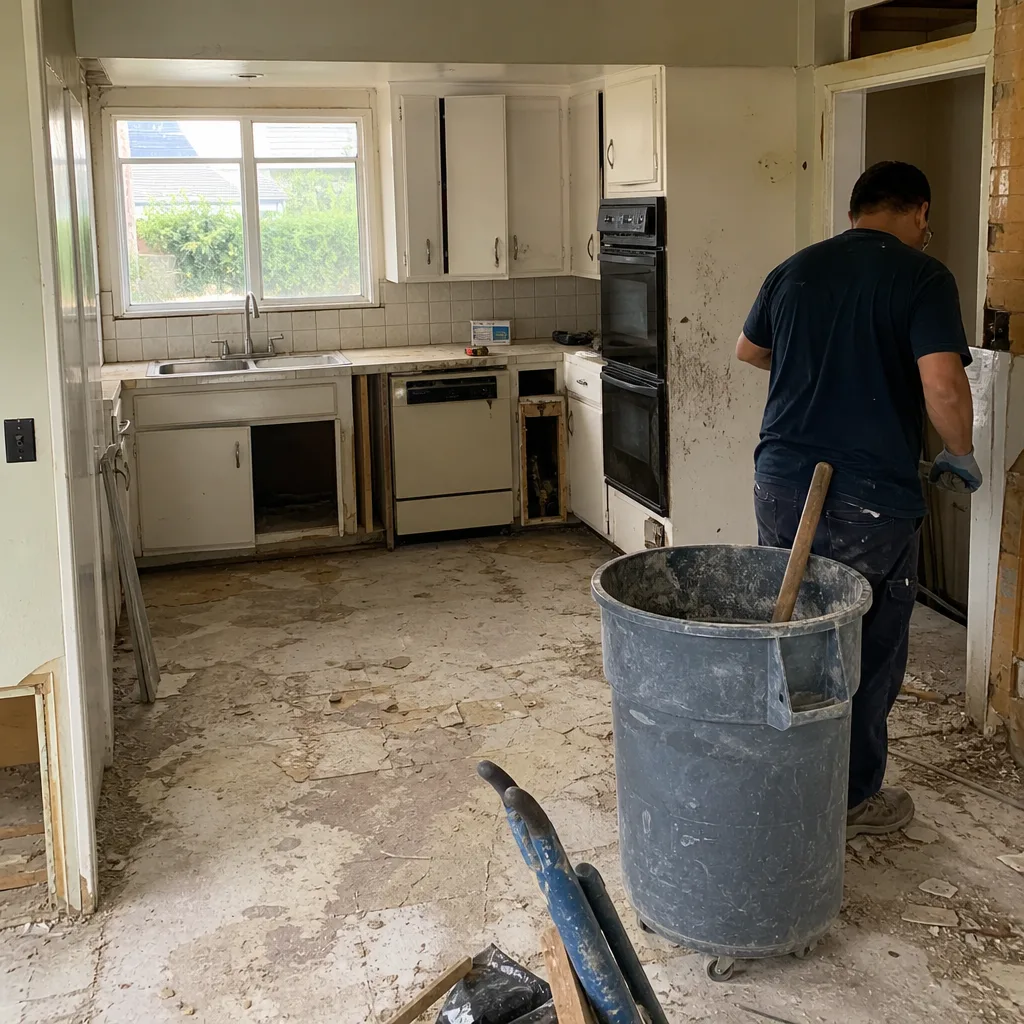 Before
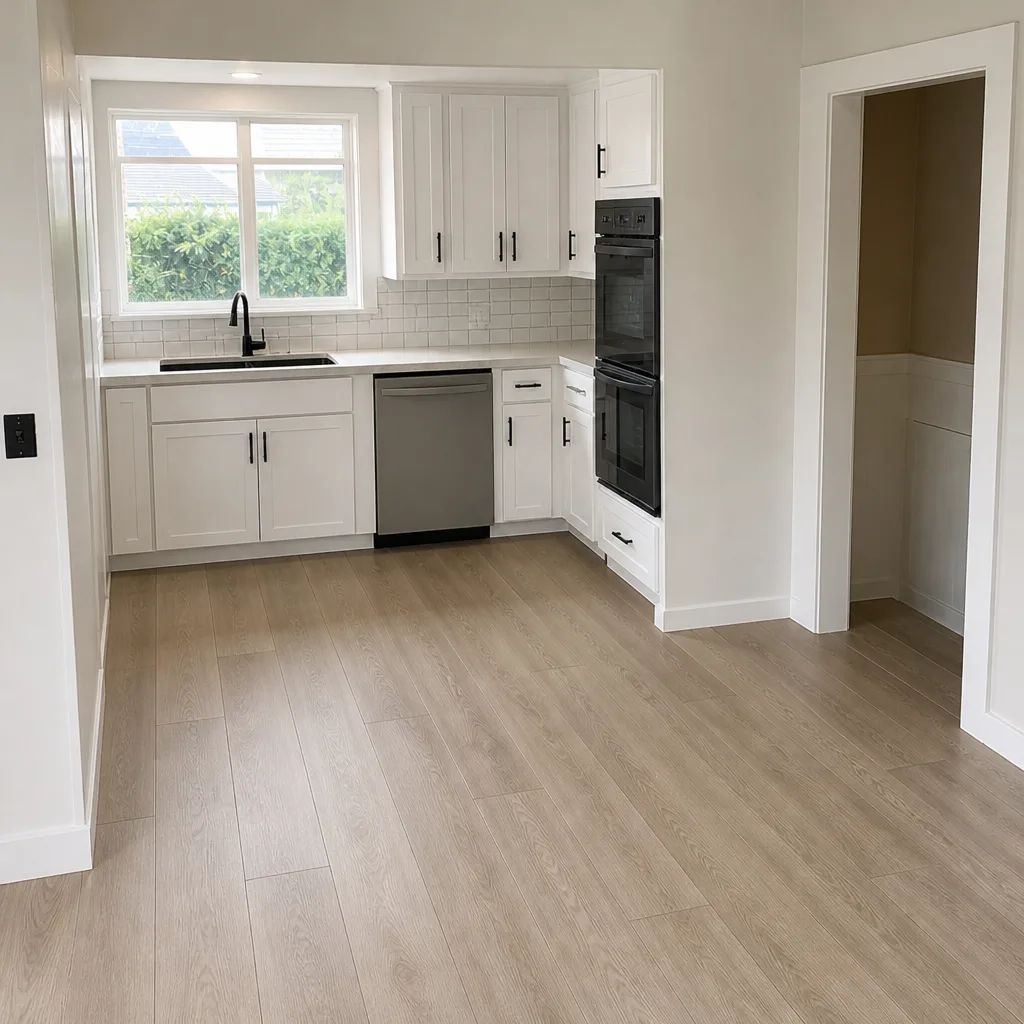 After
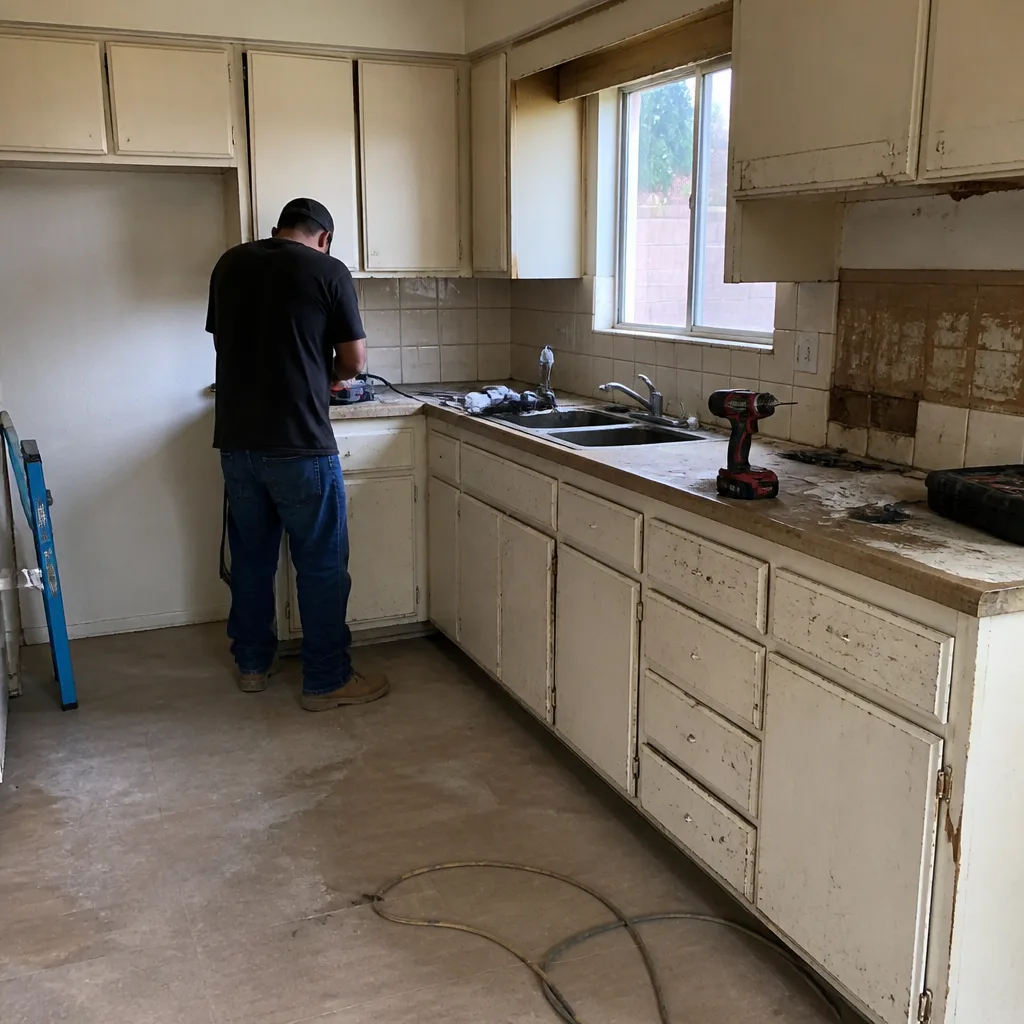 Before
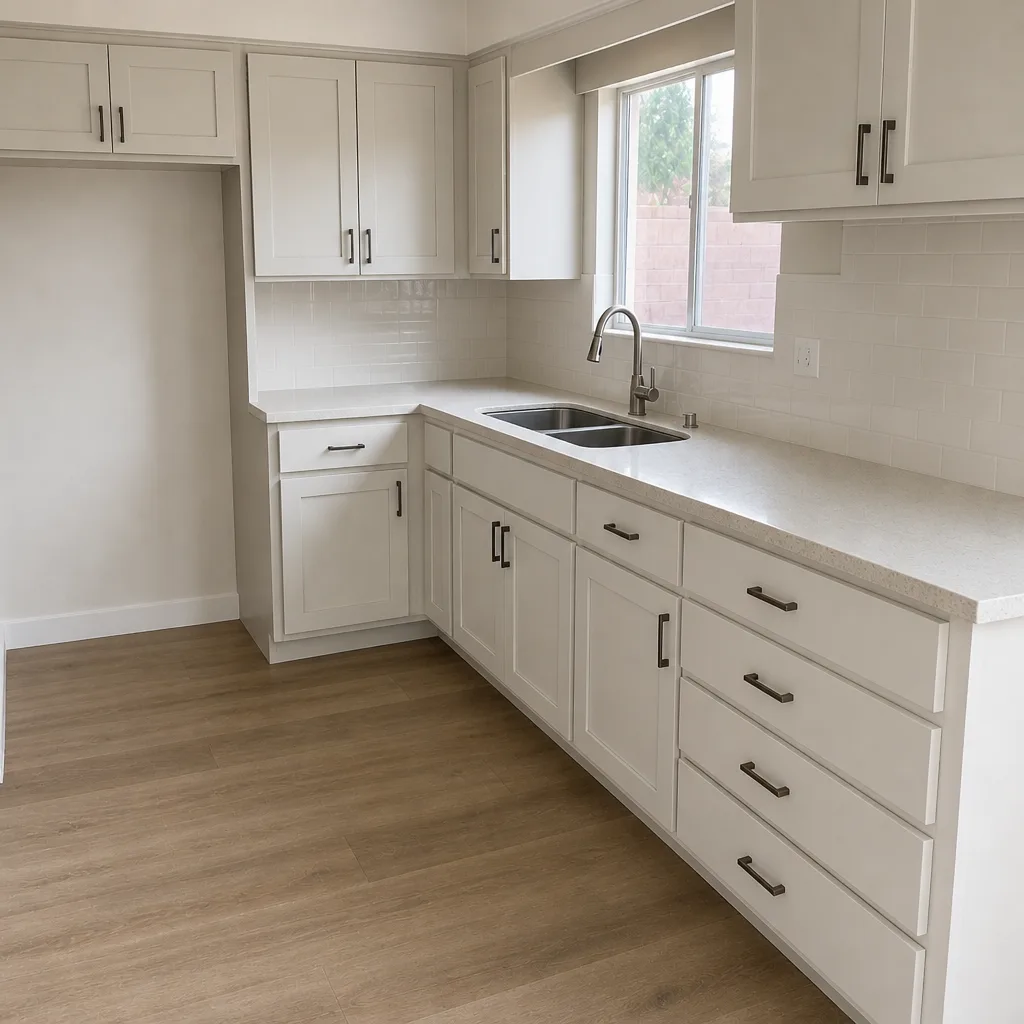 After
When to Call a Professional
Some jobs are fine as weekend projects. Others carry real risk. Call a licensed professional when the work touches structure, electrical, gas, or roofing; when it requires a permit; or when a mistake could affect your insurance or resale. In Huntington Beach, that includes any addition or major remodel, roof replacement, and any job where water management and coastal wind exposure are part of the design. High-tension garage-door springs and wiring are two things to never touch yourself, and steep-roof work is a third. Barrett & Sons Construction Huntington Beach offers free estimates in Huntington Beach, with written scope, written allowances, and written change orders before work starts. Call (844) 320-2945.
Frequently Asked Questions
Look up the license number on the CSLB website at cslb.ca.gov and confirm the status is “Active” with a classification that matches your project type. Check that the business name on the license matches the name on your contract. The lookup is free and takes about 90 seconds.
California caps the down payment on a home improvement contract at 10 percent of the contract price or $1,000, whichever is less, and the contractor cannot collect ahead of completed work. If someone asks for more, that’s a signal to walk away. Call (844) 320-2945 if you’d like a second opinion on a payment schedule you’ve been offered.
Often yes, and it depends on height, location, drainage, and proximity to the property line. Fence and hardscape work can run into setback and drainage requirements that vary by block. Ask the contractor to confirm the permit requirement in writing before the bid is final.
It will if the contract requires written change orders before any cost increase takes effect. A professional bid names its scope and allowances, and every change arrives on paper before work proceeds. Verbal changes are how surprise invoices happen.
Good ones are often booked months in advance in this market. That’s why it pays to start the process early and compare written scopes rather than rushing the first available name. Call (844) 320-2945 to find out current availability and get a free estimate.
Ask how they handled surprises, whether the price changed from bid to final invoice, how schedule shifts were communicated, and how long it took to close the final punch list. Those answers tell you more than “were you happy.” Call (844) 320-2945 for a free second opinion on any written estimate you already have.
The Bottom Line
The standard advice gets you partway. Verify the license, compare bids, check references. What protects you in a high-demand coastal market is the paper: a written change-order policy, a detailed scope with named brands, permits pulled and inspected, and a payment schedule that keeps you ahead of no one. Verify the CSLB record, read the five contract clauses, ask references the hard questions, and don’t let demand rush you into skipping any of it. When you’re ready to compare bids on your next project, we’re glad to give you a free second look.
Written by the team at Barrett & Sons Construction Huntington Beach.