Last updated November 17, 2026





Free written scope consultation - allowances, timeline, and change-order rules on paper before a single trade is scheduled
Seasonal Construction Care for Huntington Beach: Year-Round Homeowner’s Guide
The biggest maintenance mistake in Huntington Beach isn’t neglect. It’s timing. We’ve watched homeowners seal a driveway in August, when surface temperatures push past 140°F and adhesion fails before the product cures. We’ve watched them clear gutters in December, after the first real storm has already packed downspouts full of eucalyptus leaves and roof grit. Huntington Beach doesn’t hand you dramatic seasons, so the calendar cues that keep the rest of the country on schedule don’t exist here. What it has instead are narrow windows, and this guide maps every task to the actual Huntington Beach year.
Quick Answer
The single most valuable maintenance window in Huntington Beach is September through October: caulk and paint get done, roofing gets inspected, and drainage gets cleared before Santa Ana winds and the rainy season arrive. After that, spring is for assessing winter moisture and salt-air damage, and summer is for HVAC, attic ventilation, and hardscape work that rarely gets attention until something fails.
Styles & brands we work with
- Kitchen remodeling
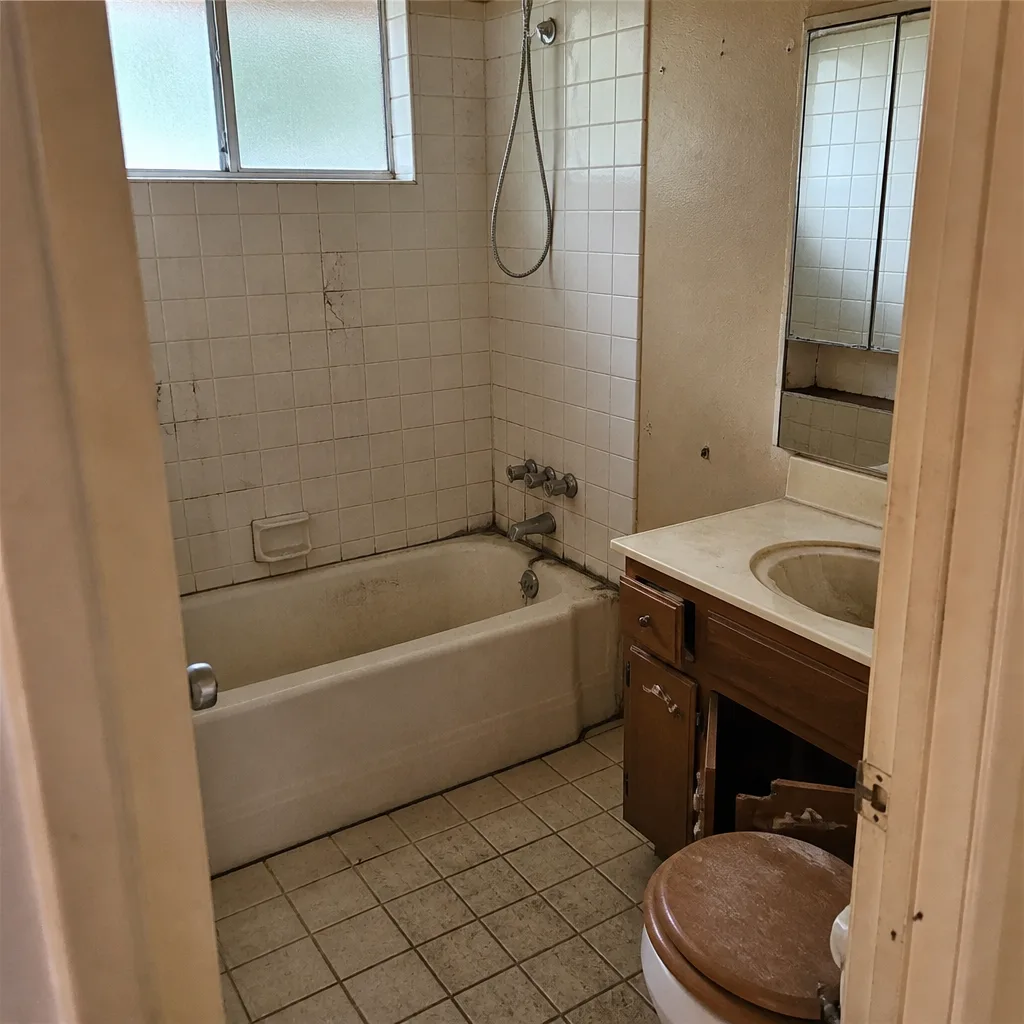
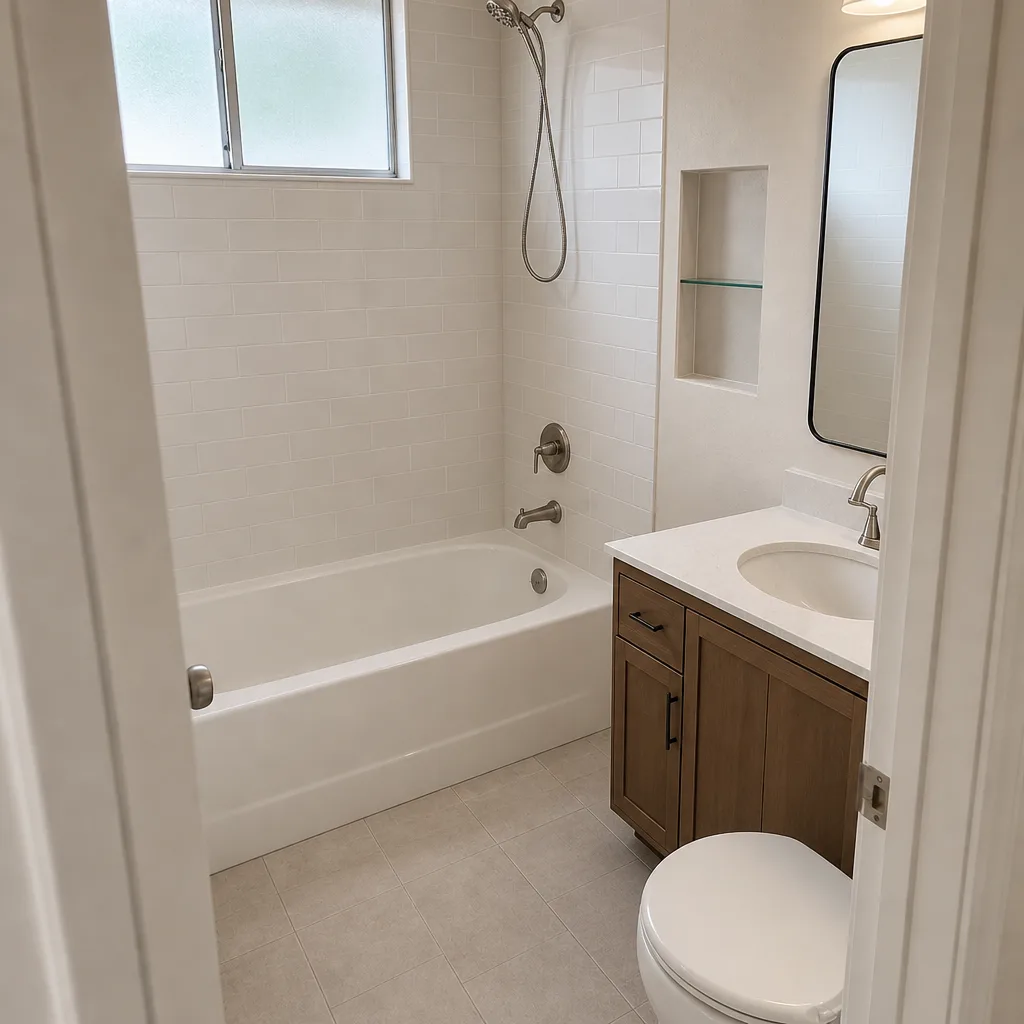
- Bathroom remodeling
- Home additions & ADU
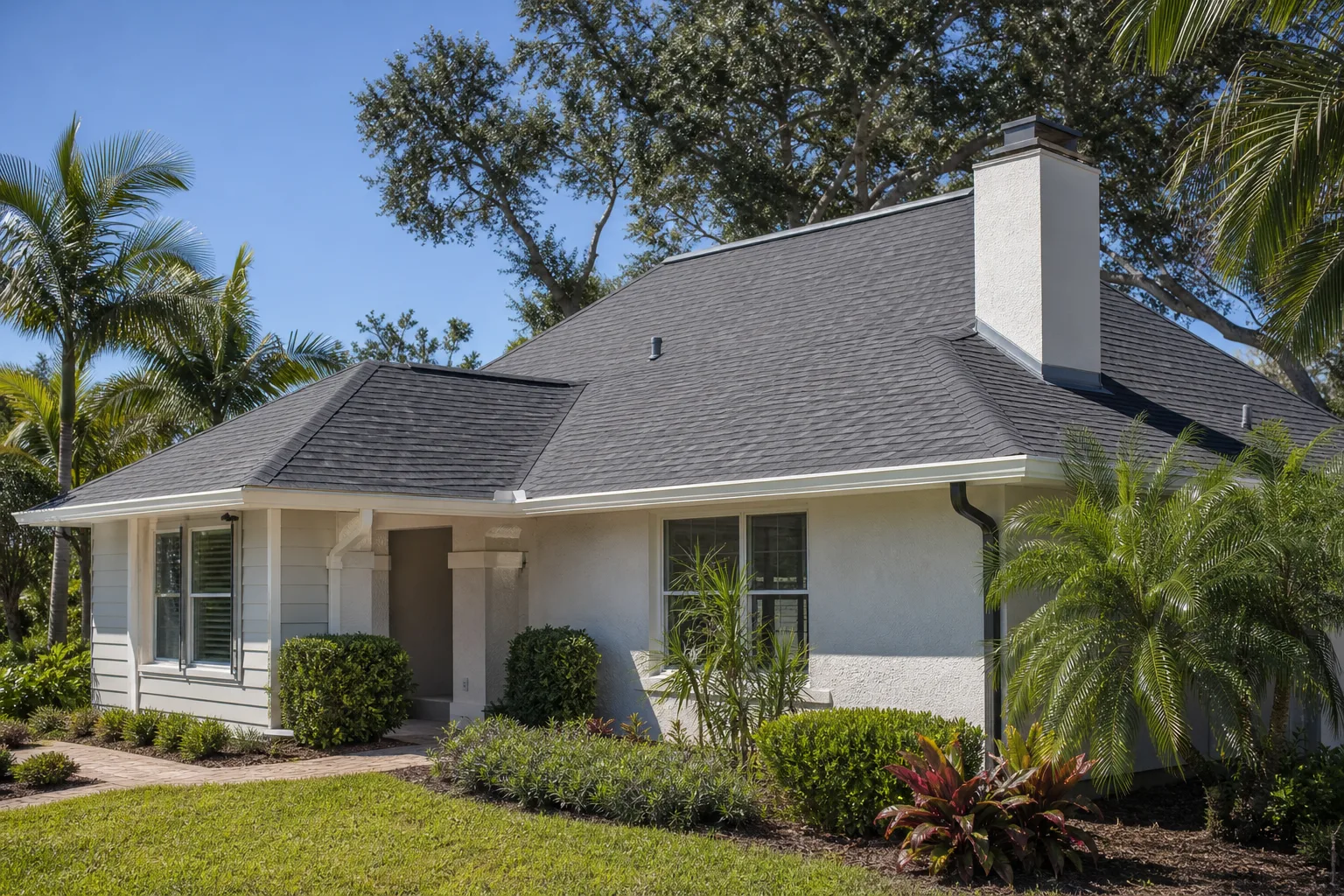
- Roofing
- Windows & doors
- Driveway & pavers
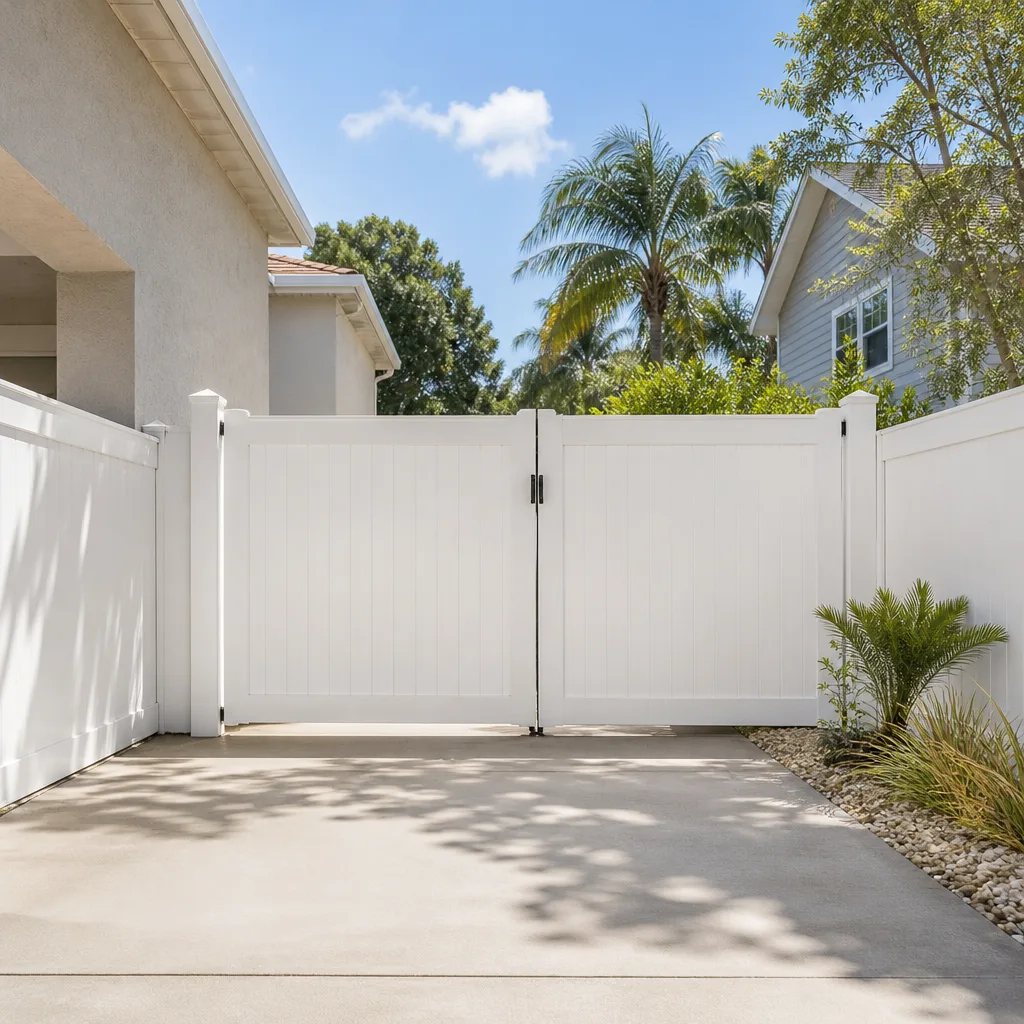
- Fence
Table of Contents
- Why Huntington Beach Maintenance Runs on a Different Calendar
- September-October: The Most Valuable 30 Days of Your Year
- Winter: Why Mild Rain Still Overwhelms Your Drainage
- Spring: Reading the Damage Winter Left Behind
- Summer: The Systems That Fail Quietly
- Building a Two-Page Maintenance Log That Works
- Common Mistakes to Avoid
- When to Call a Professional
Why Huntington Beach Maintenance Runs on a Different Calendar
Most seasonal maintenance advice assumes four distinct seasons. Huntington Beach gets two: a wet stretch from roughly November through March, and a dry stretch the rest of the year. The averages hide the real pattern. Most of our annual rainfall lands in a handful of storm events, sometimes eight to ten of them all season, which means a single December system can drop more water in two hours than a typical January has in a week.
Salt air adds a layer most inland guides ignore. Homes within a mile or two of the water, from Sunset Beach down through the Bolsa Chica stretch and out toward Seacliff, deal with airborne salt that attacks fasteners, flashing, and painted metal year-round. It doesn’t care what season it is. What it does care about is how well your caulk joints and paint film are holding, which is why we inspect those surfaces after winter moisture, not before.
Santa Ana winds are the third factor. Those dry offshore winds, usually strongest from late September into November, push fine dust into every crack and drive wind-blown rain sideways into joints that handle vertical rain fine. A roof that sheds a normal storm without complaint can still let water in during a Santa Ana-driven event. That’s why the fall window matters so much: you’re not just preparing for rain, you’re preparing for wind.
Get the sequence right and the individual tasks take care of themselves. Visit our Barrett & Sons Construction Huntington Beach home page for the full scope of what we handle locally, or keep reading for the calendar itself.
September-October: The Most Valuable 30 Days of Your Year
If you do nothing else all year, do the fall list. This stretch, before the Santa Ana winds and before the first rain, is when small problems are still cheap to fix. Five things deserve your attention in this order:
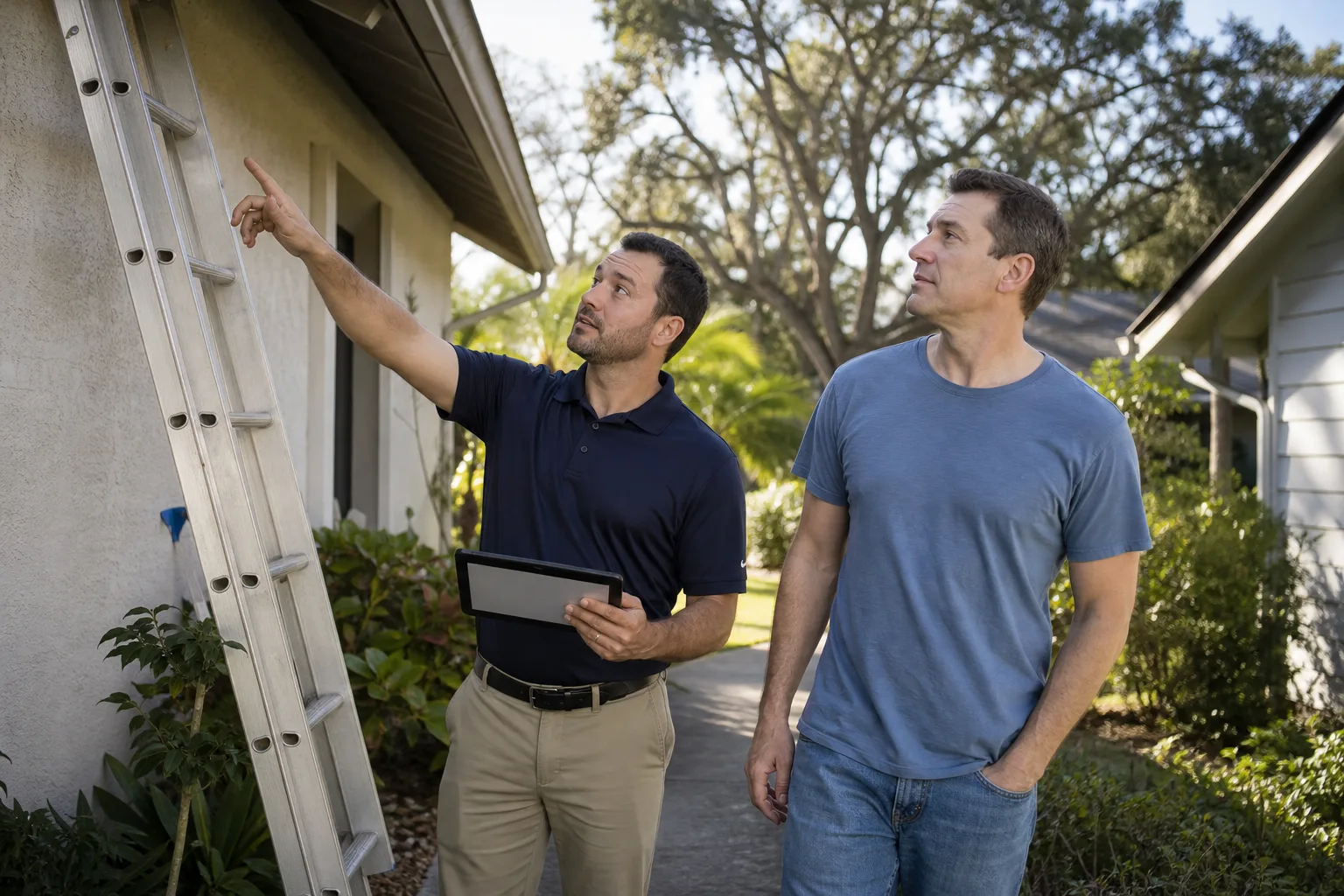
- Roof inspection, top to bottom. Check flashing at every penetration, valley, and chimney. Look for lifted or cracked shingles and granule loss in gutters. A GAF or CertainTeed roof installed right will hold for decades, but a single failed pipe boot can put water into your attic in the first storm.
- Caulk every exterior joint. Windows, doors, corner trim, and the joint where siding meets masonry. Old caulk that’s cracked or pulling away has to come out, not get covered. Morning temperatures in the 60s and 70s give you proper cure time.
- Clear gutters and downspouts. Eucalyptus and ficus drop debris year-round in Huntington Beach, so this isn’t a one-time spring chore. Flush the downspouts with a hose and confirm water actually exits away from the foundation.
- Check drainage and grading. Low spots, failed swales, and downspouts that dump against the slab are the source of most foundation moisture complaints we see.
- Paint touch-up where sun and salt have worn thin. Bare wood and chalky stucco absorb water. A spot prime and paint in October buys you a full year.
We’ve watched this window save homeowners real money. When a roof inspection in early October catches two lifted shingles, the repair is small. When the same problem waits until February, you’re looking at water in the attic, stained ceilings, and a larger bill. If your fall list includes hardscape repair or a driveway refresh, our page on Driveway & Pavers in Huntington Beach covers the materials that hold up to our UV and salt exposure.
Winter: Why Mild Rain Still Overwhelms Your Drainage
Huntington Beach winters are mild. That’s exactly why drainage failures surprise people. A system that keeps up with an average drizzle has never been tested against a real storm, and our rain arrives concentrated, not spread out. Eight to ten events, each one dumping serious water on ground that’s already saturated from the last one.
What happens next is predictable. Roof water hits gutters packed with debris, backs up under the shingles, and finds the fascia. Yard water pools in low spots that were dry all summer. Downspouts discharge where the grade slopes back to the house, and the slab wicks it up. It’s not the rain that damages the house. It’s the water that can’t leave.
Here’s what to check on your walk-around during a wet stretch:
- Water stains on ceiling corners and around skylights after the first storm of a system.
- Gutters overflowing during peak rain, even if they looked clear in October.
- Standing water in the yard or driveway two hours after the rain stops.
- Downspouts that discharge within a few feet of the foundation.
- Fence posts loosening or leaning, especially after saturated ground. If this is happening to you, see our page on Fence Installation in Huntington Beach for how posts should be set for our soil and clay.
Winter is also when the salt air and rain work together on windows and doors. Metal thresholds and hinges rust faster, and weatherstripping can dry out and shrink. A Therma-Tru or Mr-Glass exterior door with properly sealed thresholds and intact weatherstripping handles the wet stretch fine. One with failed seals around the frame will let water into places you don’t want to find it later.
Spring: Reading the Damage Winter Left Behind
By March, the wet season has done its work on your exterior. Spring is the inspection season: less fixing, more reading. Walk the house and look for what winter left behind. Start with the surfaces that take the most abuse.
- Painted surfaces: chalky residue, peeling at the bottom edges, and thin spots on south and west-facing walls. UV exposure is intense here year-round, so paint fails faster than you’d expect on the sunny side.
- Caulk joints: cracking, pulling away from the frame, or black staining that suggests moisture is getting behind the bead. If you’re seeing this on windows, the window frame and sill deserve a closer look.
- Wood trim: soft spots, checked grain, or paint lifting in patches. Salt air attacks painted wood faster than unprotected wood, which is counterintuitive but consistent.
- Roofing: lifted or curling shingles, damaged vents and pipe boots, and granule buildup in the gutters.
- Windows and doors: condensation inside insulated glass, sticking frames, and worn weatherstripping. A ViewLux or Barrette window with a failed seal or a racked frame needs attention before summer heat puts more stress on it.
Spring is also the right time to compare your findings against the last fall’s list. If the same issue shows up two years running, it’s not a maintenance item anymore. It’s a repair. Catching these patterns in spring gives you the whole summer to plan and schedule real work instead of paying emergency rates in the fall.
Summer: The Systems That Fail Quietly
Summer maintenance in Huntington Beach is about systems, not cosmetics. The exterior is dry and the paint is stable. The stuff that breaks in summer is the stuff you can’t see. Two items deserve real attention.
- HVAC and attic ventilation. Change filters at the start of summer, not in the middle of a heat wave. In the attic, check that soffit and ridge vents are clear of insulation baffles and debris. A hot attic with poor ventilation shortens the life of your shingles and drives your cooling bill up. If your attic runs noticeably hotter than the outside air on a June afternoon, you’ve got a ventilation problem.
- Hardscape and concrete. Summer is not the time to seal concrete or pavers. Surface temperatures in full sun make proper adhesion nearly impossible, and the product can cure too fast to work. Fall and spring are the right windows for that work. In summer, look after what’s already there: check for cracks, settled joints, and discoloration on pavers, and note anything that needs fall attention.
This is also the season when planning happens. If your summer list turns into a wish list, that’s a good sign. If your spring inspection turned up moisture under a bathroom tile or a roof that’s reached the end of its life, this is the time to price the work rather than wait for a cold-weather emergency. Our page on Home Additions & ADU in Huntington Beach covers the planning timeline for larger projects that need permits and a proper design window.
Building a Two-Page Maintenance Log That Works
A simple log does two things: it makes every contractor conversation faster, and it protects warranty claims on work you’ve already had done. You don’t need software. Two pages in a folder will do.
Page one, the log itself. Columns for: date, task, what you found, what you did, cost, and who did it. Write short entries. “Oct 2024 – roof inspection – two lifted shingles at south valley – repaired by Barrett & Sons – change order signed – done” is a complete entry.
Page two, the receipt file. Every written quote, change order, permit number, inspection sign-off, and warranty document. Photograph each one and store it in the same folder as the log. When you need to make a warranty claim, this page is the difference between a quick phone call and a long argument.
Why this matters with a contractor: when you call someone out and you can tell them the last five things done and who did them, the diagnosis goes faster and the quote gets more accurate. Good contractors ask for this file. Ours do, and the 90-Day Done Right Promise is written on every contract so it’s easy to hold up against the log. If a claim needs to be made, one call brings us back.
If you don’t have a log yet, build it now. List what you remember from the last two years. Anything you can’t confirm, treat as done and start fresh from this year. The log becomes accurate over time – you don’t need it to be perfect on day one.
Common Mistakes to Avoid
- Sealing concrete in the height of summer. Surface temperatures in direct Huntington Beach sun can push past 140°F in July and August, and sealers cure too fast to bond properly. Wait for fall or spring.
- Clearing gutters in December. The first storm of the season almost always arrives before most homeowners get to this. Eucalyptus and ficus drop debris year-round here, so fall clearing is the last window before it costs you.
- Painting over caulk that needs to be replaced. New paint won’t fix a failed seal, and it hides the problem for exactly one rainy season before it comes back worse.
- Ignoring the sunny side of the house. UV exposure on south and west walls fails paint and caulk far faster than on shaded walls, and most homeowners only inspect what they see first.
- Skipping the roof inspection because it “looked fine” from the ground. The problems that matter are at the flashing, the pipe boots, and the valley, not shingles you can see from the driveway.
- Treating salt-air damage as cosmetic. Rusted fasteners and chalky paint look harmless until they let water into the frame. What you see on the surface is usually the second problem, not the first.
- Assuming warranty work will handle small issues. Warranty covers defects, not the routine care that prevents them. Your log is what separates the two.
When to Call a Professional
Some items on this calendar belong to you: filter changes, gutter clearing, the walk-around log. Others don’t. Call a professional for anything on the roof beyond the ground-level inspection. High-tension garage door springs, exposed electrical work, gas lines, and steep-roof conditions are genuinely dangerous, and the risk isn’t worth the savings. Call for moisture you can’t trace, for caulk joints that aren’t holding even after replacement, and for any job that needs a permit to be done right. Call for anything on the fall checklist that turned up a real problem instead of a maintenance item. Call for planning on additions, kitchen or bath work, or any job where scope and price changes need to be in writing.
Barrett & Sons Construction Huntington Beach offers free estimates in Huntington Beach. Our crew members are background-checked and on-site with the project every day, our technicians have up to 28 years of experience, and every eligible job gets permits pulled and inspections signed. Call (844) 320-2945 to schedule your free estimate.
See the difference
 Before
 After
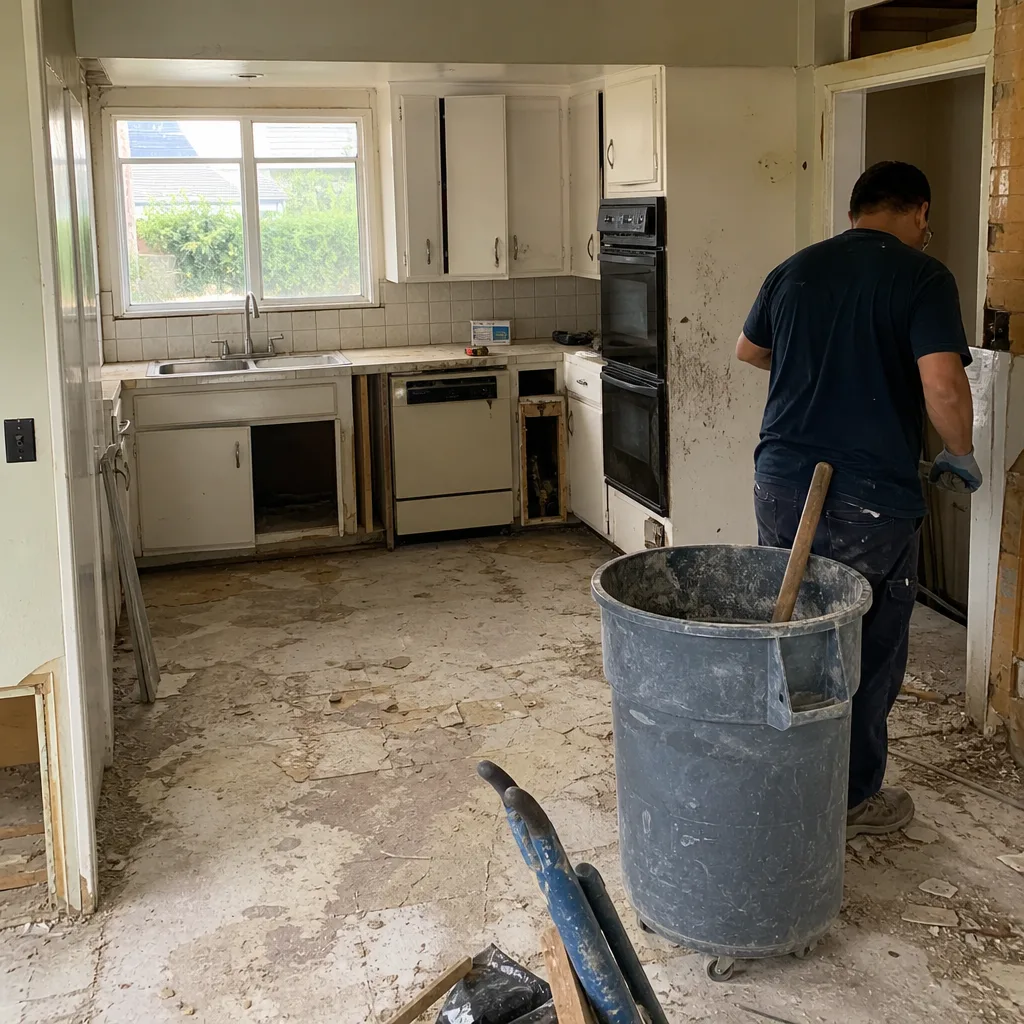 Before
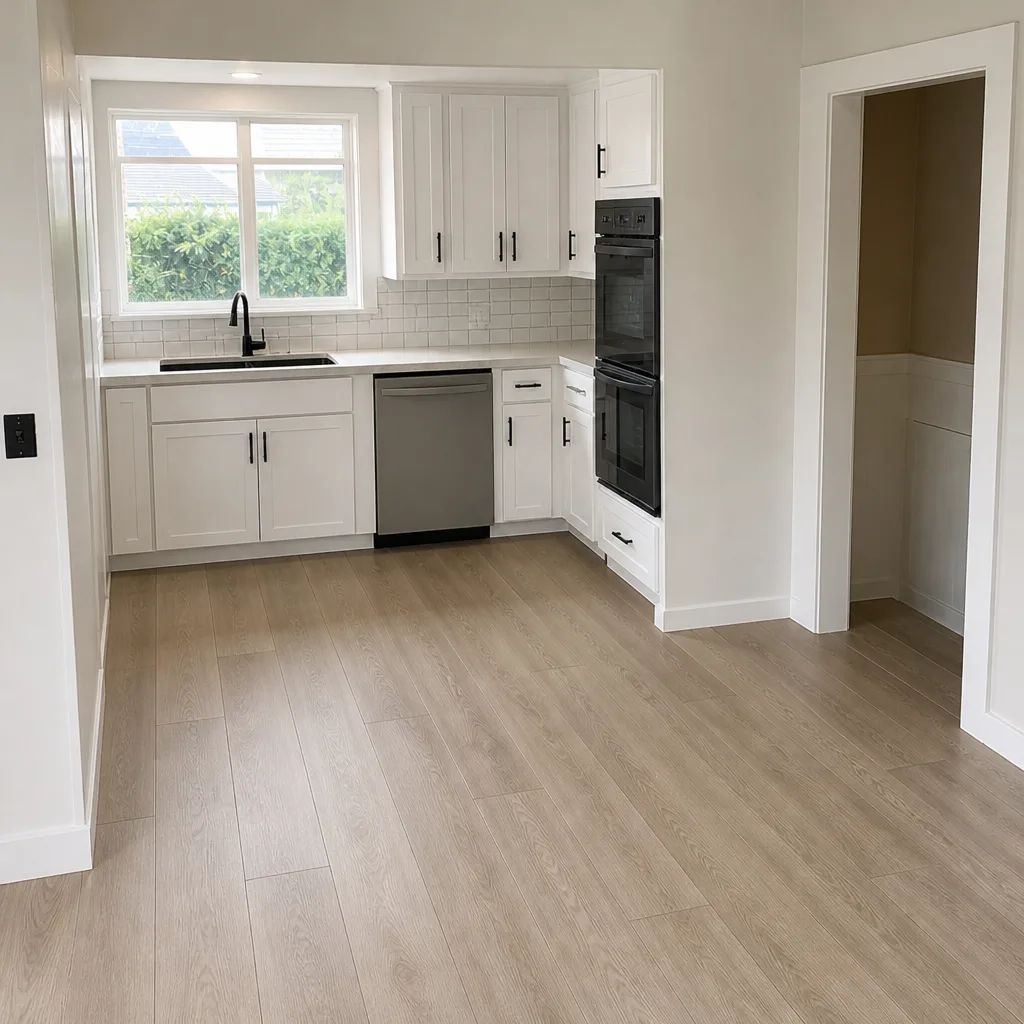 After
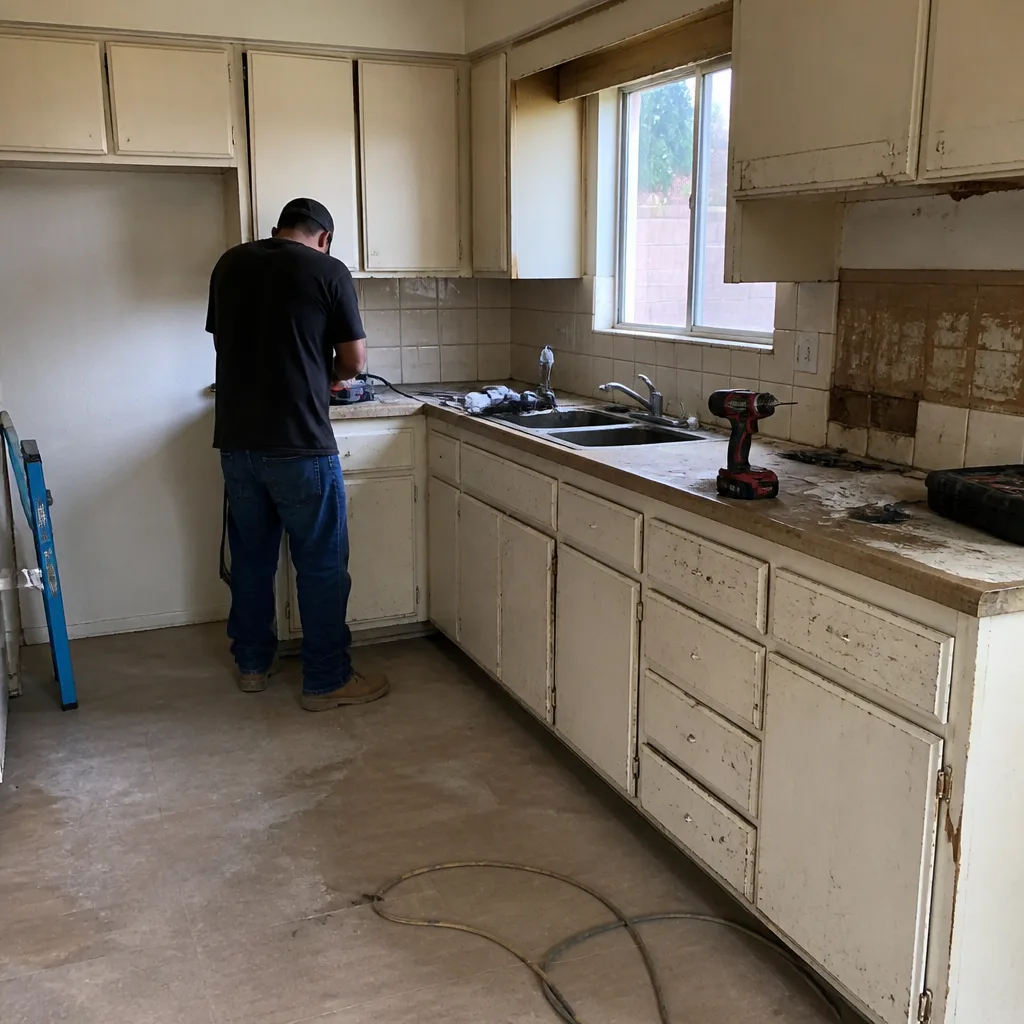 Before
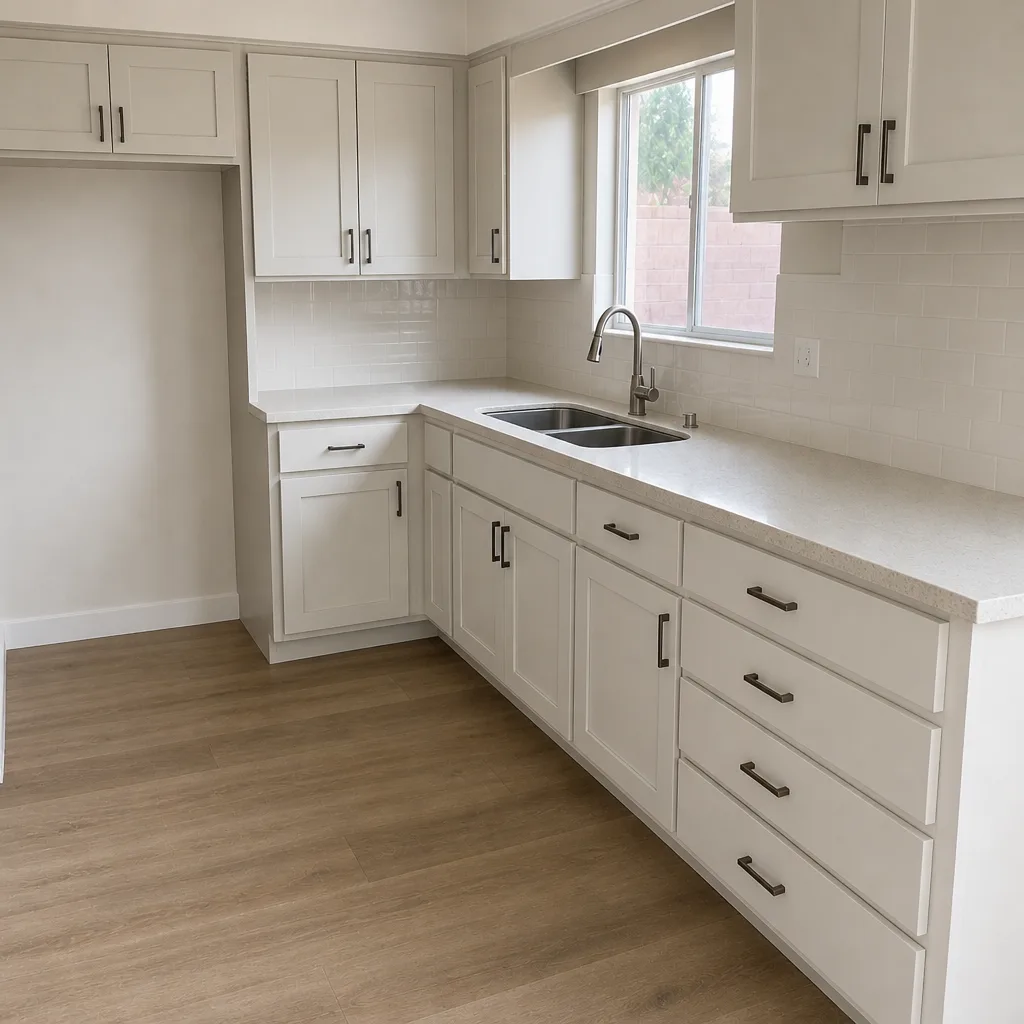 After
Frequently Asked Questions

Fall (September and October) and spring (March and April). Summer surface temperatures in direct sun are too hot for proper adhesion, and winter rain interrupts the cure window. Fall is the safer of the two because the dry season is still in place in October.
Once a year, in September or October, before Santa Ana winds and rain. Add an inspection after any significant storm or if you notice ceiling stains, granule buildup in gutters, or daylight in the attic. Roofing near the coast also benefits from a closer look at flashing because salt air accelerates corrosion of metal components.
Because the rain doesn’t fall evenly. Most of the annual total lands in eight to ten storm events, and a single storm can drop more water in two hours than the average week. A system that handles drizzle gets overwhelmed quickly. Clear it in the fall so it’s ready when the concentrated rain arrives.
Caulking in early morning works if the surface is cool and dry. Painting and sealing in the middle of summer, especially on south and west faces, usually fails early. Fall is the better window for exterior paint and sealant work, and the results last longer.
Keep your two-page log and the receipt file. Every written quote, change order, permit, inspection sign-off, and warranty document goes in one place. When you call for warranty service, the log makes the diagnosis faster and the claim cleaner. The 90-Day Done Right Promise is written on every contract, so it’s easy to check against the file.
Sometimes. Small maintenance items don’t. Roof replacements, structural work, additions, and anything touching electrical or plumbing usually does. The permit inspector works for you, not for us, and pulling permits is part of every eligible job we quote. If a contractor tells you permits are optional, ask for a second opinion before you sign. The free second opinion on any written estimate is a standing offer, and it’s worth using.
The Bottom Line
Huntington Beach doesn’t punish you for neglect as much as for bad timing. September and October carry the most weight: caulk, paint, roof, and drainage, done before Santa Ana winds and rain. Winter is for watching the drainage you cleared and logging what you find. Spring is for reading the damage winter left on paint, caulk, wood, and roofing. Summer is for HVAC, attic ventilation, and planning, not for sealing concrete in the heat. Build the two-page log, keep the receipt file current, and call for anything that needs a permit or a ladder. If you want a second set of eyes on the list, we offer free estimates in Huntington Beach and a free second opinion on any written estimate. Call (844) 320-2945 to schedule yours.
Written by the team at Barrett & Sons Construction Huntington Beach.