Last updated November 17, 2026




Free written scope consultation - allowances, timeline, and change-order rules on paper before a single trade is scheduled
Windows & Doors Warning Signs Every Homeowner Should Know
Paint peeling on interior window trim isn’t a painting problem. It’s condensation or water infiltration working from inside the wall out, and repainting over it is like putting a bandage on a leak. Your windows and doors give you months of warning before they fail outright, but most homeowners rationalize the early signs as normal aging. In our experience across Huntington Beach, by the time a homeowner calls about foggy glass or a door that won’t latch, the water has usually been moving through the building envelope for at least a season. This guide ranks eight warning signs by urgency, shows you what’s normal for a 15-year-old window versus what signals seal, frame, or installation failure, and explains which problems call for a targeted repair and which mean it’s time to replace.
Quick Answer
The warning signs that matter most are interior paint peeling or bubbling near window trim, fog or condensation trapped between panes, drafts you can feel with a candle test, doors and windows that stick seasonally, and visible rot or soft wood at the frame. Fogged double-pane glass means the seal has failed and can’t be repaired, only replaced. Drafts, sticking, and condensation showing up together usually point to one underlying problem: the window or door is no longer sealing the building envelope, and air and moisture are already moving through.
Styles & brands we work with
- Kitchen remodeling
- Bathroom remodeling
- Home additions & ADU
- Roofing
- Windows & doors
- Driveway & pavers
- Fence
Table of Contents
- Eight Warning Signs Ranked by Urgency
- Cosmetic Aging vs. Performance Failure
- Coastal Huntington Beach: Salt-Air Corrosion vs. Normal Wear
- Why Drafts, Condensation, and Sticking Are Connected
- Repair or Replace? The Honest Answer
- What to Check Before You Call Anyone
- Common Mistakes to Avoid
- When to Call a Professional
Eight Warning Signs Ranked by Urgency
Not every sign means the same thing. Some say “schedule a look this month.” Others say “water is entering your wall right now.” Here’s how we rank them, from watch-and-wait to act-now.
- Fog or condensation between panes (act now). Trapped moisture means the insulated glass unit’s seal has broken. It can’t be dried out or resealed in place. The glass has to be replaced.
- Interior paint peeling, bubbling, or flaking near trim (act now). This is the sign homeowners most often misdiagnose. It usually means moisture is condensing or infiltrating behind the interior casing and pushing the paint off from behind.
- Soft or crumbling wood at the frame (act now). Press a screwdriver into the sill or lower frame corner. If it sinks easily, rot has already set in and the frame is structurally compromised.
- Visible light around the closed sash or door (schedule a look). Darken the room and look for daylight at the edges. Light means air, and air means moisture can follow.
- Drafts you can feel on a cold morning (schedule a look). A lit candle held near the closed frame will flicker sideways if air is moving. Weatherstripping may fix it; a warped sash won’t.
- Doors and windows that stick seasonally (schedule a look). Sticking that comes and goes with humidity can point to frame movement or a sash that’s gone out of square.
- Failing or cracked caulk and flashing at the exterior (watch). Normal wear every few years. But if caulk keeps opening in the same spot, water is getting behind it.
- Hazy or scratched glass without fog (watch). Usually cosmetic or surface damage from cleaning. Worth monitoring, rarely urgent.
Two or more of the top five items together is a strong signal that the assembly is failing, not just aging. If you’re also planning exterior work, it’s often worth reading our guide on Barrett & Sons Construction Huntington Beach home projects to sequence the jobs sensibly.
Cosmetic Aging vs. Performance Failure
The hardest part of this for most homeowners is telling normal wear apart from a window that’s stopped doing its job. Here’s the dividing line we use on-site.
What’s normal for a 15-year-old window:
- Faded or chalky paint on the exterior, as long as it’s not lifting from the wood.
- Slightly stiff operation in humid weather that frees up as the air dries.
- Light surface oxidation on aluminum frames, especially near the coast.
- Caulk seams that need refreshing every three to five years.
- Minor scuffs and scratches on the glass surface.
What indicates performance failure:
- Interior paint peeling in a pattern that follows the window edges, not the whole wall.
- Condensation on the inside of the glass forming overnight and staying all morning.
- A sash that sticks year-round, not just in summer.
- Rot that lets a screwdriver sink in, or wood that crumbles when you press a fingernail to it.
- Water stains or dark discoloration on interior drywall below or beside the window.
One practical test: run a tissue around the interior perimeter on a cold morning. If it comes away damp at one edge and dry everywhere else, moisture is entering at a specific point. That’s a targeted problem worth a look. When the whole perimeter dampens, the seal is gone and you’re looking at replacement.
Coastal Huntington Beach: Salt-Air Corrosion vs. Normal Wear
Huntington Beach homes sit in a marine environment that ages metal hardware differently than inland properties. Salt air doesn’t just discolor; it corrodes. Knowing which is which saves you an unnecessary replacement or, worse, missed rot behind a frame that looks fine from outside.
Normal coastal weathering:
- Chalky white oxidation on aluminum frame finishes that wipes away with a damp cloth.
- Dull but intact hardware finish on handles and locks.
- Light greenish patina on copper flashing (this is actually protective).
Corrosion that signals a real problem:
- White, powdery crust that won’t wipe off and pits the metal underneath.
- Pitting visible on the frame surface, especially at the lower corners where salt spray collects.
- Hinges or locks that seize or grind rather than turn smoothly.
- Rust staining running down from hardware or flashing onto siding or stucco.
- Screws that crumble when you try to turn them, which means the fastener has lost its grip on the frame.
Salt sits heaviest on the lower corners and on any metal that doesn’t drain freely. Huntington Beach homes a few blocks off the beach wear faster than homes east of Beach Boulevard, and inland neighborhoods around Edwards Hill or along the Santa Ana River corridor see far less of it. The brands you install matter here: Andersen and Marvin window lines with proper coastal-rated finishes hold up significantly better than commodity frames. When we quote replacements in Huntington Beach, we specify coastal hardware for a reason. If you’re also considering exterior upgrades, our pages on Fence Installation in Huntington Beach and Driveway & Pavers in Huntington Beach cover what to expect from similar marine-zone materials.
Why Drafts, Condensation, and Sticking Are Connected
Homeowners usually describe these as three separate problems. Most of the time they’re one problem explaining itself three ways. Here’s why.
A window is an assembly: glass, sash, frame, weatherstripping, and the rough opening it was set into. When any one of those loses function, pressure and moisture start moving through the assembly. A drafty window lets warm, moist indoor air hit cold glass and condense. The condensation wets the interior wood, which swells and makes the sash stick. The sticking sash is hard to close tight, which lets in more air, which condenses more. The cycle feeds itself.
That’s why we tell Huntington Beach homeowners to note their symptoms together before calling. If you have a draft and morning condensation and a sash that drags from late fall through spring, the assembly is telling you the seal is compromised. Replacing the weatherstripping alone won’t fix it.
What separates this from a single-issue problem:
- Drafts alone: usually weatherstripping or a single sash. Often repairable.
- Condensation alone: often indoor humidity more than a window fault. A bath fan running properly for 20 minutes after showers can change the picture.
- Drafts + condensation + sticking together: assembly failure. Plan on a thorough inspection.
Our crews have seen this pattern for a long time. The technicians carrying out assessments here have up to 28 years of experience, and knowing when the three symptoms add up is where that experience pays you back.
Repair or Replace? The Honest Answer
Here’s where the industry upsell lives. Full-window replacement is a bigger ticket than most repairs, and some contractors will recommend it whether or not it’s honest. The line we draw is simple: repair what can be repaired, replace what can’t.
What’s genuinely repairable:
- Failed weatherstripping on a sash or door edge.
- Worn or corroded hardware (hinges, locks, handles, sill latches).
- Caulk and flashing failures where the wood is still sound.
- A single sash out of alignment within an otherwise solid frame.
- Fog in a single insulated glass unit, when the sash and frame are intact. Glass replacement is far less than a full window.
What usually means replacement:
- Rot extending more than an inch or two into the frame or rough opening.
- Warped frame or sash that no amount of adjustment brings back into square.
- Multi-pane windows where three or more glass seals have gone.
- Frames that have lost their structural grip on fasteners from corrosion.
- Windows installed incorrectly in the first place, with missing flashing or no sill pan.
If a contractor quotes a full-house replacement on the strength of one foggy window and no other issue, ask for a written inspection. We write down what we find before quoting, and we issue every scope change as a written change order before work proceeds. That’s our rule across all trades, including Home Additions & ADU in Huntington Beach, where window and door specifications are worked out early for the same reason.
What to Check Before You Call Anyone
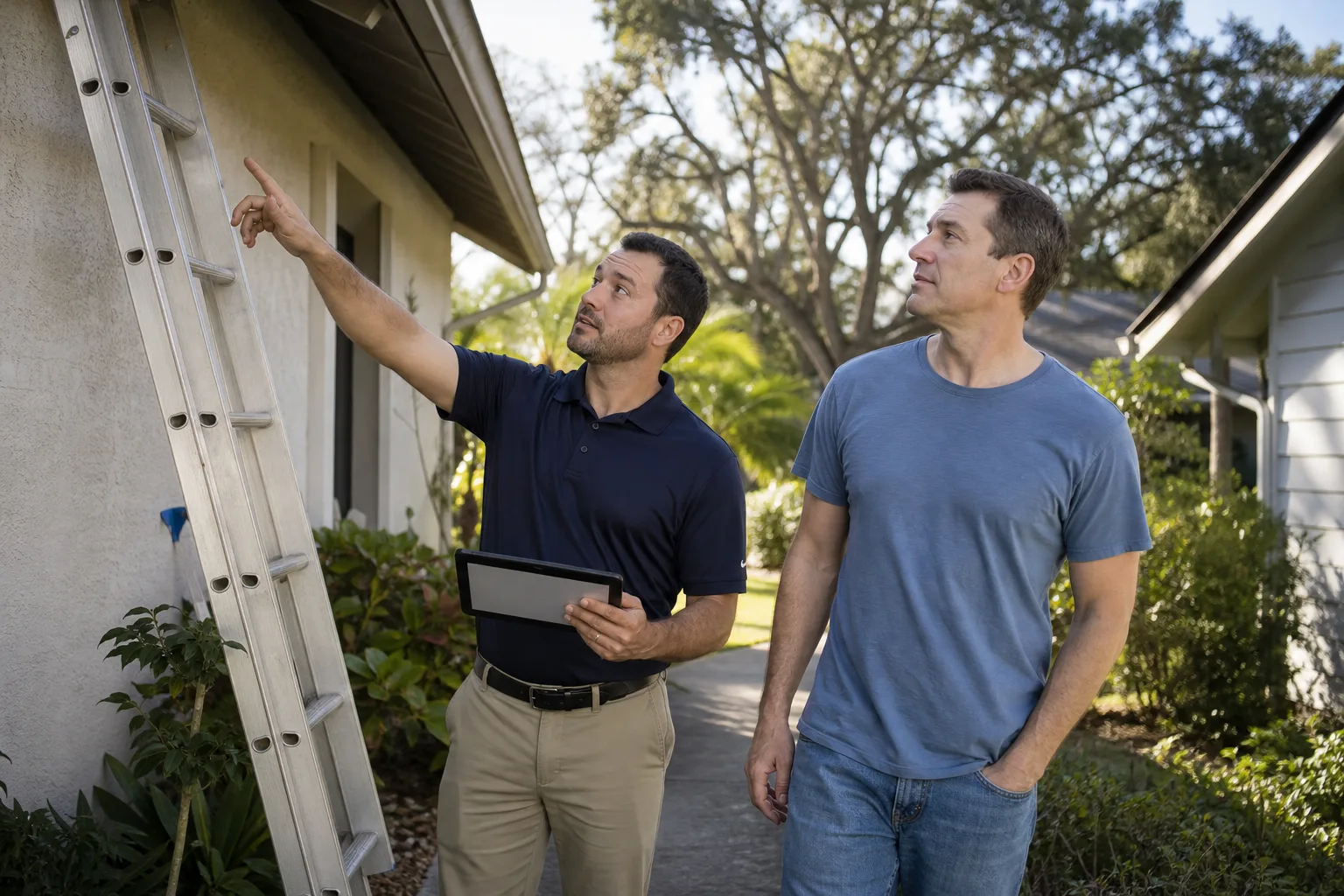
You can do a solid walkthrough yourself in about fifteen minutes. It won’t replace an on-site inspection, but it gives you the vocabulary to describe exactly what’s happening, which means a more accurate estimate and fewer surprises.
- Walk the interior perimeter of every window and exterior door with a flashlight. Look for paint bubbling, water stains, discolored drywall, and hairline cracks in the drywall near the corners.
- Press a screwdriver into the lower sill and lower corner of each frame. If it sinks easily, note the location and stop. Rot there is beyond DIY.
- Hold a lit candle near closed sashes on a cold morning. If the flame pulls sideways at one edge, note the direction it moves.
- Check for fog or condensation inside sealed glass. Wipe the outside; if the fog stays trapped between panes, the seal is broken.
- Open and close each window and door and listen. Grinding means hardware. Dragging means out of square. A “soft” close with no resistance means weatherstripping.
- Look at exterior caulk and flashing after a rain. The next dry day, check for damp drywall inside below those points.
Note anything you find on a list of rooms and dates. That list is what a good contractor will examine with you on site.
Common Mistakes to Avoid
- Repainting over peeling interior trim. This is the trap the whole guide opens with. The paint pops off again within months because the moisture source is still active. Find the water first.
- Assuming foggy glass is a warranty claim. Many window warranties exclude fog after a set number of years, and the fine print varies by brand. Read the warranty language before you assume anything.
- Letting a coastal-corrosion frame go another season. In Huntington Beach, salt air pits aluminum faster than many homeowners realize, and pitted frames lose fastener grip without warning.
- Replacing every window because one failed. A single glass unit replacement solves a single fogged window. Whole-house replacement is often an unnecessary five-figure job.
- Hiring a door-to-door salesman with no verifiable license. Ask for the license number and look it up. If the company can’t give you an address or name to check, walk away.
- Ignoring a sticking exterior door in the rainy season. A door that swells and stops latching often means water is entering the rough opening. By the time it dries out and re-latches, the damage is set.
- Skipping the permit for a whole-house window replacement. Many cities require permits for window replacements that affect structural openings or safety glazing. Don’t assume the last contractor’s “permits are optional” line was right.
When to Call a Professional
Call a professional when you find any of the following:
- Interior paint peeling near window trim, or damp drywall below a window after rain.
- Fog or condensation trapped between panes in two or more windows.
- Wood that sinks under a screwdriver at any window sill or door threshold.
- A draft you can feel, or a candle that moves, on a closed window or door.
- Hardware that seizes or screws that crumble when you try to turn them.
- A sticking window or door that has stopped latching altogether.
Barrett & Sons Construction Huntington Beach offers free estimates in Huntington Beach – call (844) 320-2945 for a walkthrough. Every eligible job we do includes permits pulled and inspections signed, and our written 90-Day Done Right Promise covers every completed job. We’ve been owner-operated here since 1998.
See the difference
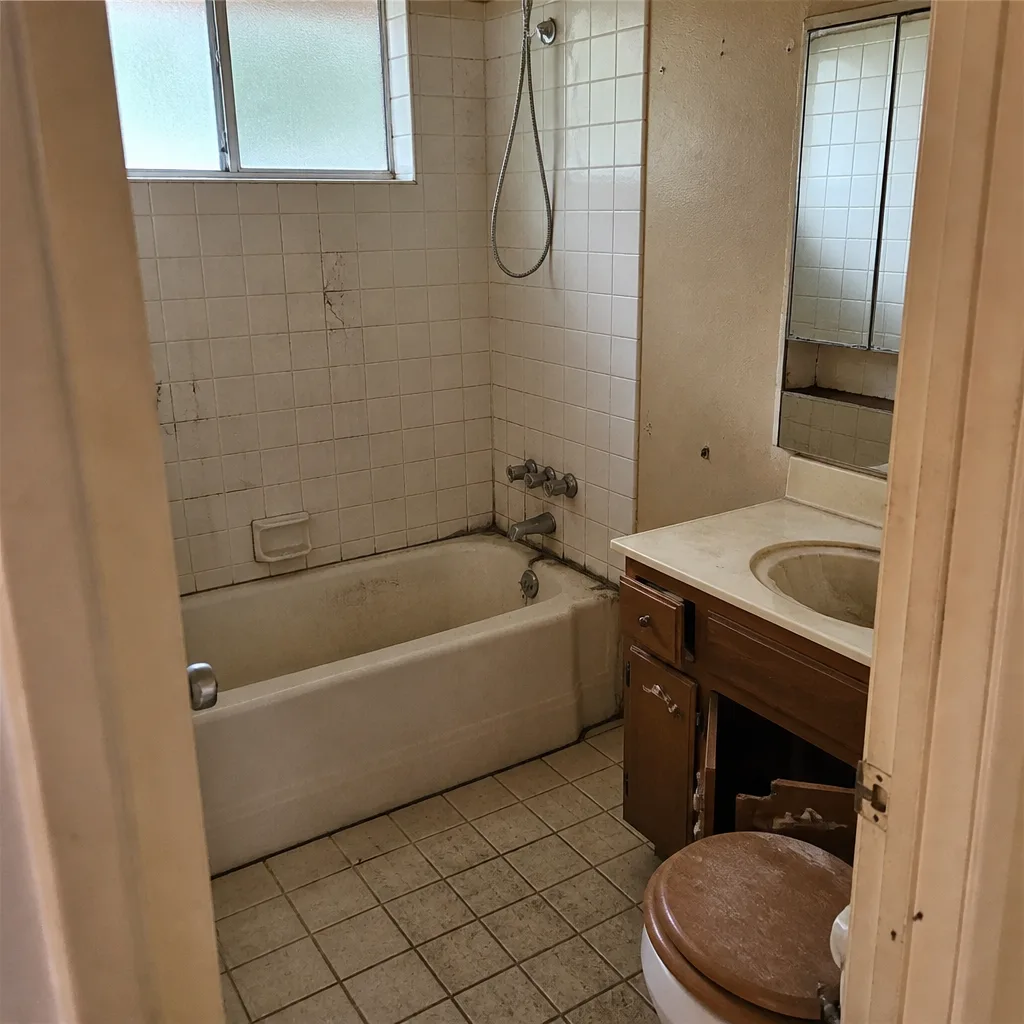 Before
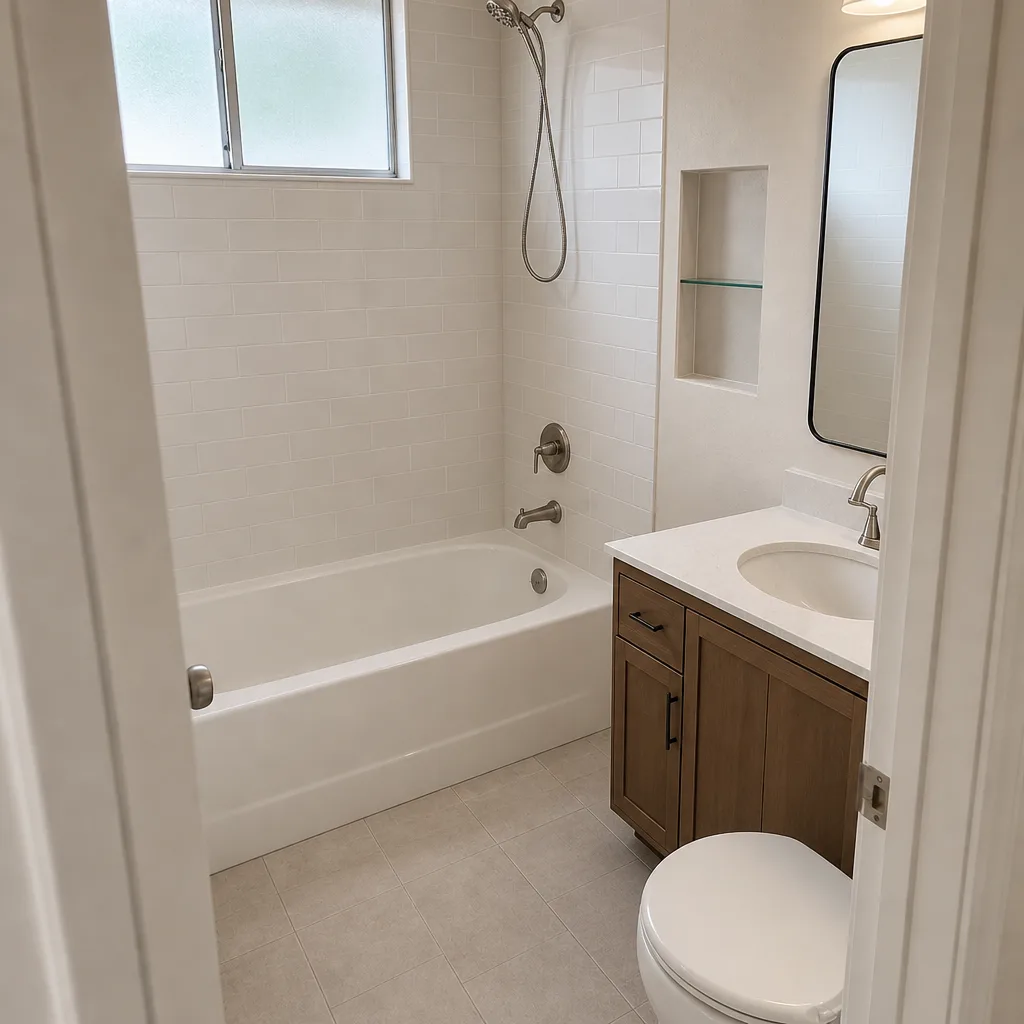 After
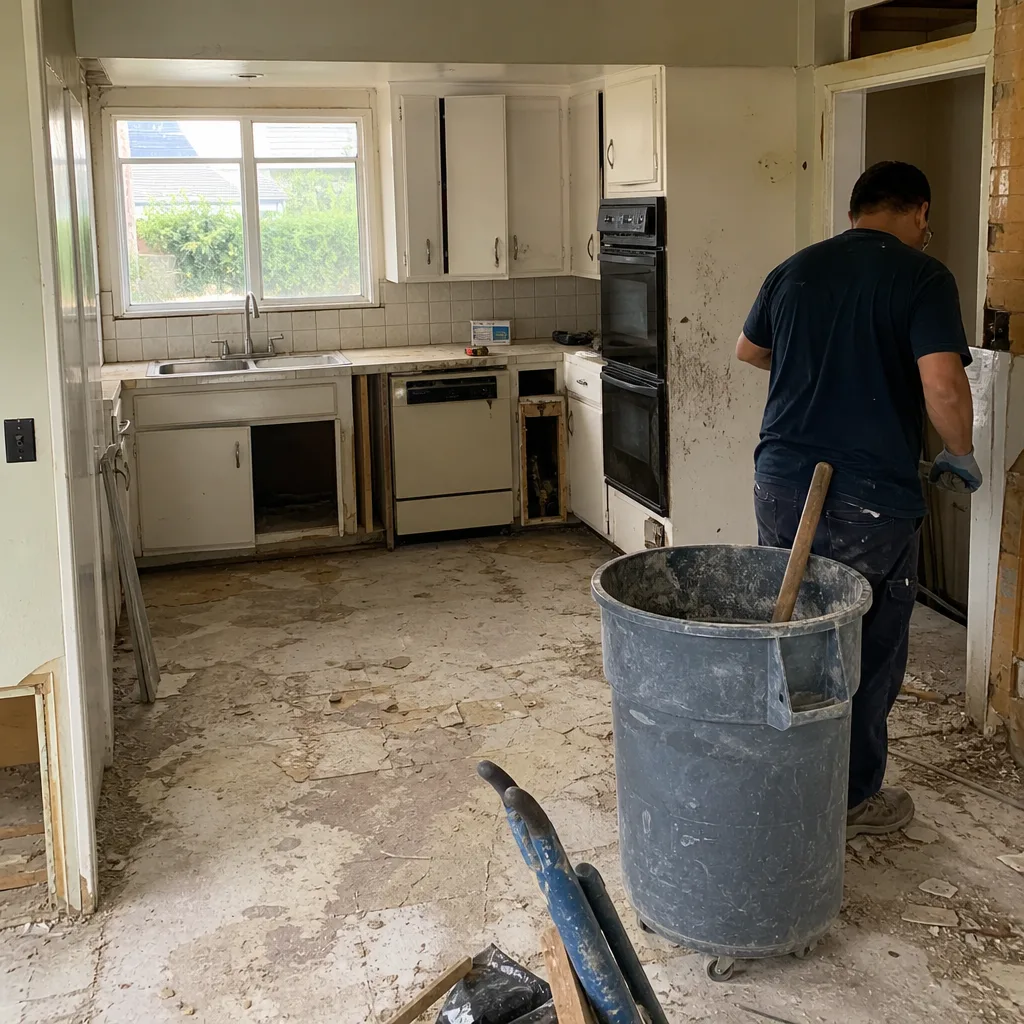 Before
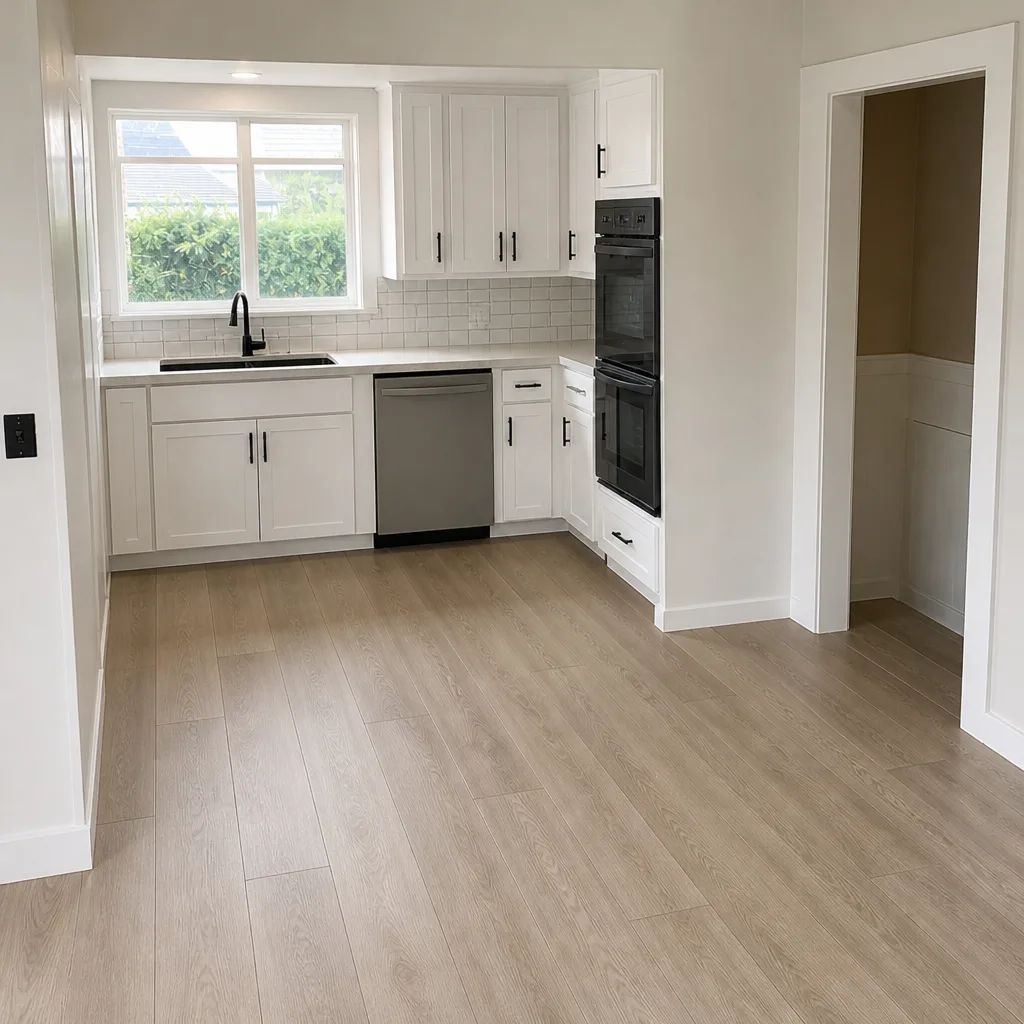 After
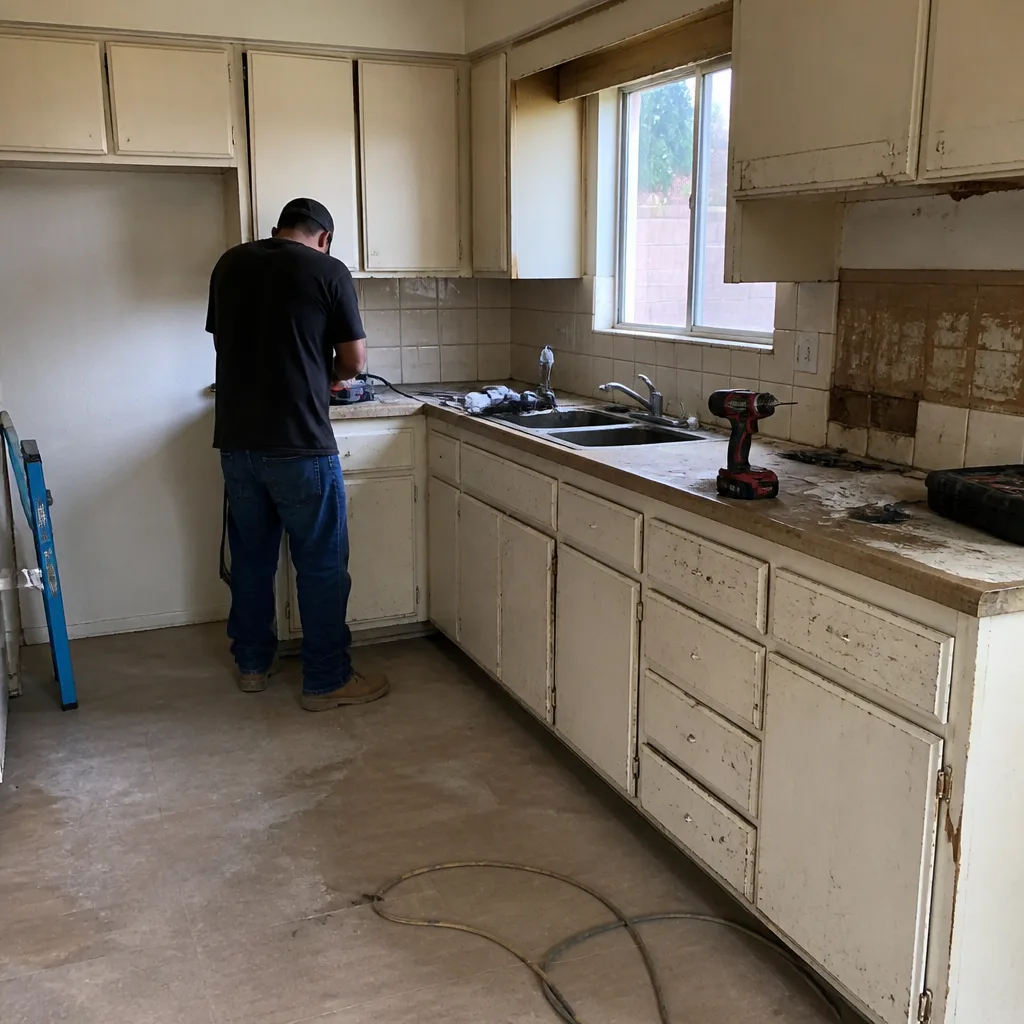 Before
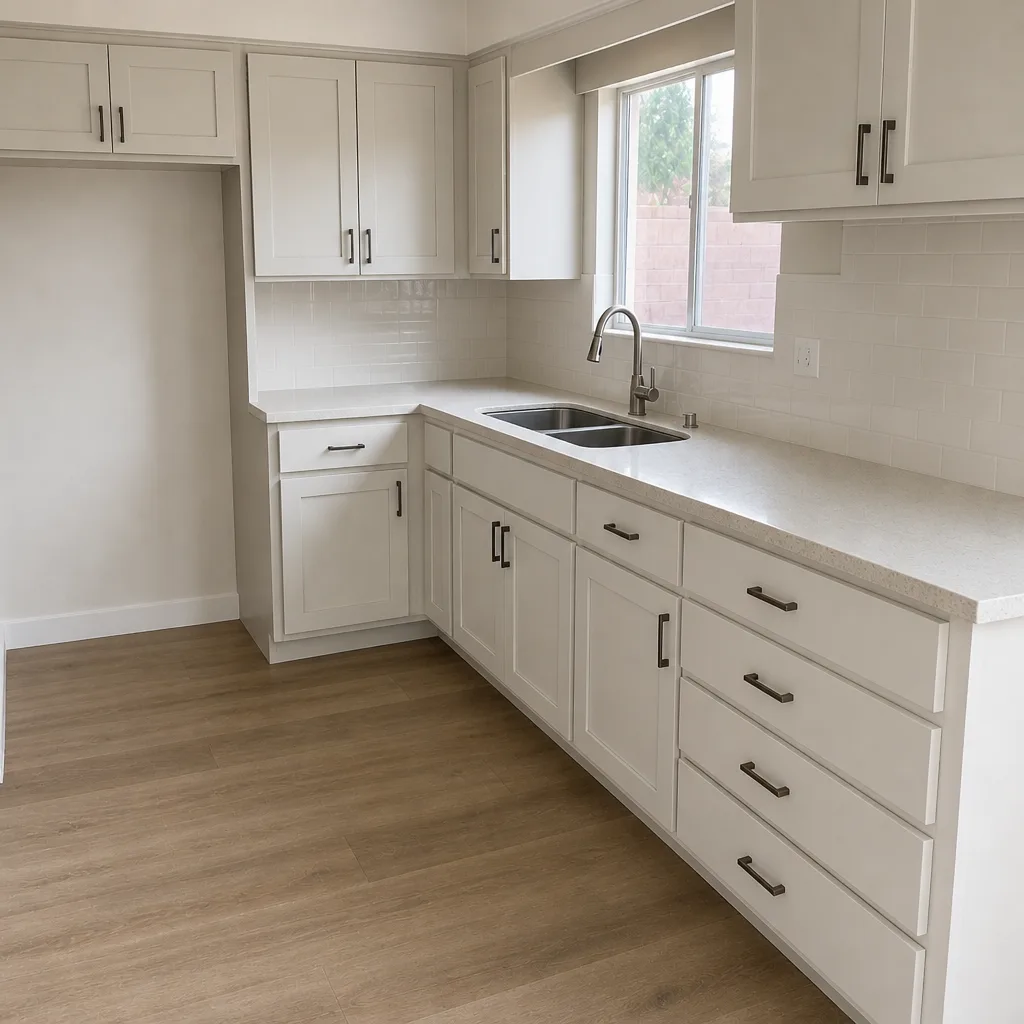 After
Frequently Asked Questions

The most commonly missed sign is peeling or bubbling paint on interior window trim. It looks like a cosmetic paint problem, but it’s usually condensation or water infiltration working through the interior casing. If you repaint without finding the moisture source, the paint peels again within months. Note the room, the date, and where the peeling appears before you call anyone. Call (844) 320-2945 for an exact assessment; estimates are free.
Fog between panes cannot be repaired; the insulated glass unit must be replaced. Once the seal breaks, moisture enters the sealed space and no amount of drying in place will remove it. The good news: on a sound frame, replacing just the glass unit is far less expensive than replacing the whole window. Expect a per-unit cost that varies by size and glass type. Call (844) 320-2945 for a written line-item quote.
A door that sticks year-round is a water-failure signal; one that sticks only in humid weather is usually a moisture-and-material signal, which may not be a fault. Press a screwdriver into the lower corner of the threshold. If it sinks easily, water has already reached the wood. Look for dark stains on the drywall beside or below the door, especially within 24 hours of rain.
Light surface oxidation can be wiped with a damp cloth. Deeper corrosion that pits the metal, seizes hardware, or causes screws to crumble is beyond DIY and can compromise the frame’s grip. In Huntington Beach, we regularly see this on lower corners and on hardware that faces the ocean. Have it assessed before you try to force seized hardware; you’ll risk breaking the frame. Call (844) 320-2945 for a free estimate.
Not without a written change order issued and signed before work proceeds. Every scope change, every allowance, and every price change arrives in writing on a Barrett & Sons contract. If something is not on paper before the work, it should not show up on your invoice after. Call (844) 320-2945 to schedule your free estimate.
Yes, whenever a permit is required. Whole-house window replacements and any replacement that affects structural openings, egress, or safety glazing commonly require a permit in Huntington Beach. We pull the permit and stand for the inspection on every eligible job. The permit inspector works for you, not for us. Call (844) 320-2945 for an exact quote – estimates are free.
The Bottom Line
Most window and door failures announce themselves months before they cost you a wall repair. Watch for peeling interior paint, fogged glass, drafts, seasonal sticking, and soft wood. Review the connected-symptoms pattern: when drafts, condensation, and sticking show together, one assembly problem explains all three. In Huntington Beach, add salt-air corrosion to the checklist, especially on aluminum frames and hardware. Repair weatherstripping, hardware, and single glass units. Replace rot, warped frames, and cluster failures. If you need a face you can verify and a price in writing, reach out and have us walk the property with you.
Call (844) 320-2945 for a free estimate in Huntington Beach. We’ll walk your windows and doors with you, put the findings in writing, and quote only what the inspection supports. We’re owner-operated, we publish our license number, and a live person answers the phone at any hour.
Written by the team at Barrett & Sons Construction Huntington Beach.