Last updated November 17, 2026
Free written scope consultation - allowances, timeline, and change-order rules on paper before a single trade is scheduled
Since you asked for an article, here it is.
DIY vs Professional Home Additions & ADU: What’s Safe to Do Yourself
California lets an owner-builder pull permits and swing a hammer on their own property. The catch sits in the fine print: the owner-builder exemption is written for a home you will live in, and the moment you advertise that new Huntington Beach ADU for rent, you may have stepped outside the protection the law gives owner-builders. The work is the same. The liability picture changes overnight. This guide draws the line between what an unlicensed homeowner can legally and safely self-perform on a permitted addition and what has to go to a licensed contractor, and it tells you where the real savings sit on an ADU or addition project.
Quick Answer
You can legally and safely do demolition of non-load-bearing walls, insulation after the rough-in inspection has passed, finish painting, and landscaping restoration on a permitted addition or ADU. You cannot legally self-perform the work that requires a licensed trade contractor on a permitted structure, and that includes the electrical service or panel work, gas line work, and the framing that gets inspected. The savings from honest DIY tasks typically run $8,000 to $25,000 on a mid-size Huntington Beach project, which is real money. The savings vanish fast when a failed inspection means opening finished walls to redo something you guessed at.
Table of Contents
- What California’s owner-builder rules actually allow
- The rental trap that voids owner-builder status
- The work that legally requires a licensed contractor
- The DIY work that genuinely saves money
- The hidden cost of a DIY mistake on a permitted project
- Tasks that look DIY-friendly but are not
- Common mistakes to avoid
- When to call a professional
What California’s owner-builder rules actually allow
California’s Business and Professions Code Section 7044 lets a homeowner act as their own general contractor on their own property without a contractor’s license, provided a few conditions hold. The property must be the owner’s primary residence or a structure on their own land where they intend to live. The owner must be the person doing the work or supervising it directly. The owner cannot turn around and sell the structure within a year of completion, and the contractor cannot lend their license to a project for the owner’s benefit. That last rule trips up a lot of people who think they can hire an unlicensed friend and put the project under the friend’s uncle’s license.
Huntington Beach enforces this through its building division, and the practical effect is this: an owner-builder can pull a permit for an ADU or an addition, but the permit file will make clear that the owner is assuming the responsibilities of a licensed contractor. That includes ensuring each subcontracted trade is licensed for the work they perform. You can’t hire an unlicensed electrician and call it self-performed. The owner-builder exemption covers your own labor, not borrowed labor borrowed without a license.
What this means in practice for a Huntington Beach addition:
- You can legally be the general contractor on your own home. You pull the permit, hire licensed subs, and coordinate the schedule.
- You cannot self-perform trade work that requires a license on a permitted structure, and you also bear the liability when the unlicensed person you hire breaks something.
- You accept the safety liability. If a framing member fails or an electrical panel has a fault, you’re the one who owns it because there’s no general contractor in the chain to absorb the claim.
- The owner-builder disclosure form is required. Huntington Beach will make you sign a statement acknowledging you understand these risks before the permit issues.
The exemption is real. It’s also narrower than most YouTube videos make it look. The best use of it is hiring the trades directly and doing the labor yourself on the safe pieces, not trying to be an electrician by afternoon.
The rental trap that voids owner-builder status
Here is the part most homeowners miss. The owner-builder exemption is written around a home you live in. The moment you finish a Huntington Beach ADU and rent it to a non-family tenant, you’re running a rental property, and the liability protections the owner-builder route gives you are thinner than most people assume. If a structural failure injures a tenant, an insurer can ask whether the work was performed by a licensed contractor, and the answer becomes a problem with no easy fix.
Consider a specific case. A homeowner builds a permitted ADU behind their single-family house and rents it to a tenant. The tenant is injured when a portion of the subfloor gives way under a bathroom tile installation the owner laid over an unchecked subfloor. The owner’s liability is real, and the fact that the subfloor was never inspected is on the record. A licensed contractor with a bond and insurance behind the work would be in the chain. The owner-builder isn’t.
Some of the rental restrictions in Huntington Beach are procedural, not absolute. The city allows ADUs subject to owner-occupancy requirements that vary with the ordinance version in effect. It’s worth confirming the current language with the building department before you plan a rental ADU, because a change in the rules can turn a permitted project into a problem. In our experience, the ADU projects that go smoothly are the ones where the owner reads the current Huntington Beach municipal code before they draw the first plan and doesn’t rely on a forum post from 2019.
What this means for the DIY list:
- If the ADU is for your own family or a long-term relative, the owner-builder route is more forgiving.
- If the ADU will be a rental, you have meaningful reason to have a licensed contractor carry the structural and MEP work even if you legally could self-perform.
- Insurers price the risk into your homeowner’s policy, and some won’t cover owner-built rental structures at all.
- The disclosure you sign at permit time doesn’t disappear at final inspection. It stays in the file.
This is the part of the article that no one else writes, and it’s the part we would want to know if we were building an ADU in Huntington Beach. The savings from self-performing a rental ADU are not worth the liability exposure if the work fails.
The work that legally requires a licensed contractor
These categories require a licensed trade contractor on a permitted addition or ADU in Huntington Beach, regardless of how capable you are with tools. The list isn’t a suggestion. It’s a mix of state licensing law, the permit inspection process, and the plain fact that getting these wrong can kill someone.
- Electrical service upgrades and panel work. Any change to the main service or panel requires a licensed electrician. This includes adding the subpanel that feeds the ADU. There is no safe DIY path here.
- Gas line work. New gas runs, meter work, and appliance connections require a licensed plumber or gas contractor. A gas leak is not a problem you discover and fix on a Saturday afternoon.
- Structural framing. Framing that supports a load must be inspected and signed off by the local building department. Getting it wrong is the kind of failure that puts a hole in a roof.
- Rough-in plumbing and rough-in electrical. Both must be inspected before the walls close. An unlicensed person can’t sign the permit’s inspection card.
- Anything tied to the fire separation requirement. ADUs have specific fire separation requirements between the new structure and the main house. The trade work that touches that separation requires a licensed contractor.
A note on one safety caveat: if you’re looking at a service panel and thinking about adding a circuit for the ADU yourself, stop. Even with the main breaker off, the service feed to the panel is live. We’ve seen too many close calls and one burn injury to recommend it. Electrical and gas work belongs to a licensed trade, and the difference between the licensed rate and the cost of a fire or a hospitalization is not close.
The trade work on a permitted addition also has to be performed by a contractor carrying a bond and insurance. That’s what protects you if the sub leaves the job halfway through. The Home Additions & ADU in Huntington Beach page walks through how this sequencing works when the permits are pulled before the first nail goes in.
The DIY work that genuinely saves money
Here is the honest savings list. These tasks don’t require a license on a permitted addition in Huntington Beach, and a capable homeowner can do them well. We’ve seen homeowners save $8,000 to $25,000 on a mid-size addition by taking these on. Your results depend on your skill, but the money is real.
- Demolition of non-load-bearing walls. Tearing out a kitchen wall that doesn’t carry load is really a demo exercise. Verify the wall is non-structural first, get the dust control right, and haul it to the dump yourself. Savings: $1,500 to $4,000 on a typical kitchen-to-addition tie-in.
- Insulation installation after the rough-in inspection passes. Insulation is do-it-yourself work, provided you buy the correct R-value for the assembly and install it with the vapor barrier facing correctly. In Huntington Beach’s coastal climate the vapor barrier faces the interior, and getting it backwards creates a moisture problem you’ll fight for years. Savings: $1,200 to $3,500.
- Finish painting. Interior painting is labor the homeowner can genuinely perform. It’s slow, it’s tedious, and it’s the easiest thing to take on. Skip the prep shortcuts and the savings hold up. Savings: $2,000 to $5,000.
- Landscaping restoration. After the addition is signed off, the dirt and gravel need to go back. Sod, mulch, and graded soil are not permit-required. Savings: $800 to $2,500.
- Installation of finish hardware. Towel bars, door stops, closet rods, and bathroom accessories. The plumbing and electrical are already signed off at this point, so the exposed surfaces are yours to finish.
Fixture selection is another spot where caregivers and retirees can save real money without touching the permitted work. Brands like Delta and American Standard offer a range of price points on toilets and faucets, and a Toto or Blanco fixture selected up front can come in at a better price than the builder’s allowance, even when the contractor installs it. The trick is picking before the plumber shows up, not after.
The hidden cost of a DIY mistake on a permitted project
Here’s the number that changes the DIY math. On a permitted addition, the sequence is fixed: rough-in inspection passes, then drywall goes on, then finish work. A failed rough-in inspection discovered after the drywall is up costs more than hiring the licensed contractor would have. A lot more.
We’ve watched this play out in Huntington Beach more than once. A homeowner installs a bathroom fan on the ADU’s new circuit. The final inspection fails because the fan’s amperage load wasn’t calculated correctly. The drywall is up. The inspector needs the wiring re-opened to verify. The homeowner opens the wall, hires an electrician to correct the circuit, pays for drywall repair, then repaints the room they were trying to save money on. Total cost over the original licensed electrician’s quote: 2.1 times the original, and the project loses two weeks.
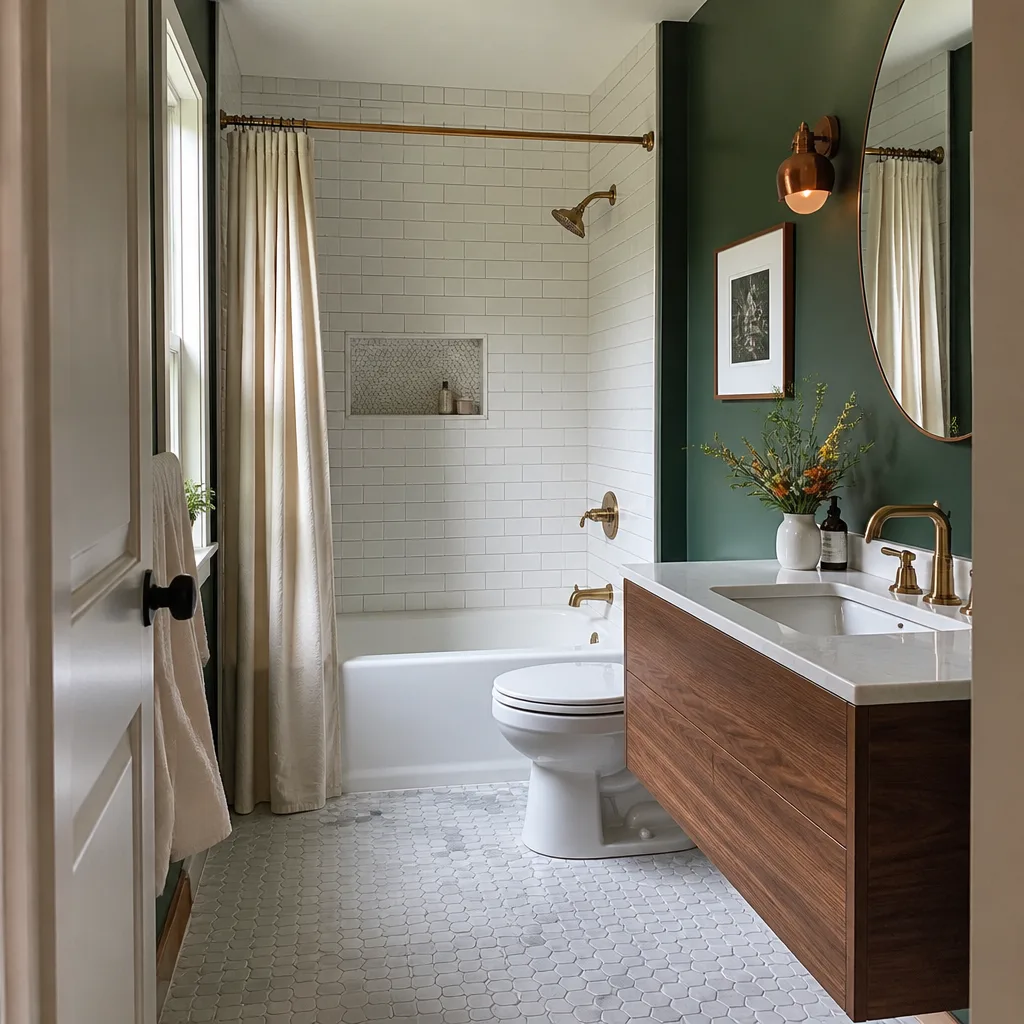
Another example. A homeowner handles the subfloor prep for the ADU bathroom and lays tile himself. The floor isn’t flat, and the tile cracks over the following winter. The bathroom has to be torn out and redone by a licensed tile contractor. That’s a $9,000 redo on a job that would have cost $3,200 with the contractor in the first place. The subfloor deflection was checked too late.
The categories where a mistake on a permitted Huntington Beach addition gets expensive fast:
- Electrical. Reopening walls after a failed rough-in is a two-trade problem. You pay the electrician plus the drywall contractor.
- Plumbing. A leak behind a finish wall can cost $4,000 to $12,000 to find and repair, and the water damage often eclipses the original plumbing quote.
- Structural framing. If the inspector won’t sign the framing, the whole project stops. There’s no polite conversation that moves a load-bearing question forward without a fix.
- Waterproofing. A shower pan that leaks is among the most expensive mistakes on a permitted bathroom job, and it’s discovered by the downstairs neighbor’s ceiling.
The lesson isn’t that DIY is bad. It’s that the inspection sequence on a permitted Huntington Beach addition punishes late discovery more than it punishes cost overruns, and the safe DIY list is built around tasks that won’t cause a failed inspection when they’re wrong.
Tasks that look DIY-friendly but are not
Some tasks read as straightforward on video and turn into a nightmare on the permitting side. Here’s the honest split between the ones that really are safe and the ones that need a licensed hand.
Not DIY: tile setting on an unchecked subfloor. The video shows adhesive and grout. It doesn’t show the deflection calculation, the subfloor thickness, the backer board or the decoupling membrane that make tile last. If the subfloor isn’t flat and stiff enough, the tile cracks within a year. This is the single most common “DIY-friendly” task we get called to redo.
Not DIY: hanging drywall on a ceiling that needs to hold a texture finish you intend to match. Drywall finish work on an existing home requires blending an old wall to a new one, and the texture match is a learned craft, not a Youtube skill. It looks easy. It isn’t.
Not DIY: leveling a shower pan or setting the drain at the correct slope. If the slope is wrong, the water doesn’t go down the drain, and fixing it means removing the pan and the waterproofing.
Not DIY: window and door installation on an opening that has to pass waterproofing inspection. Getting the flashing details right around a Huntington Beach window is different from inland states because of the salt air and the marine layer. GAF and CertainTeed make flashing products, but knowing where to place them on the specific wall assembly is the licensed contractor’s trade.
Genuinely DIY-friendly: painting, insulation, demolition of non-load-bearing walls, landscaping, and hardware installation. The four most common ones we see performed well by capable homeowners, and the four that save the most money without touching the inspection-critical work.
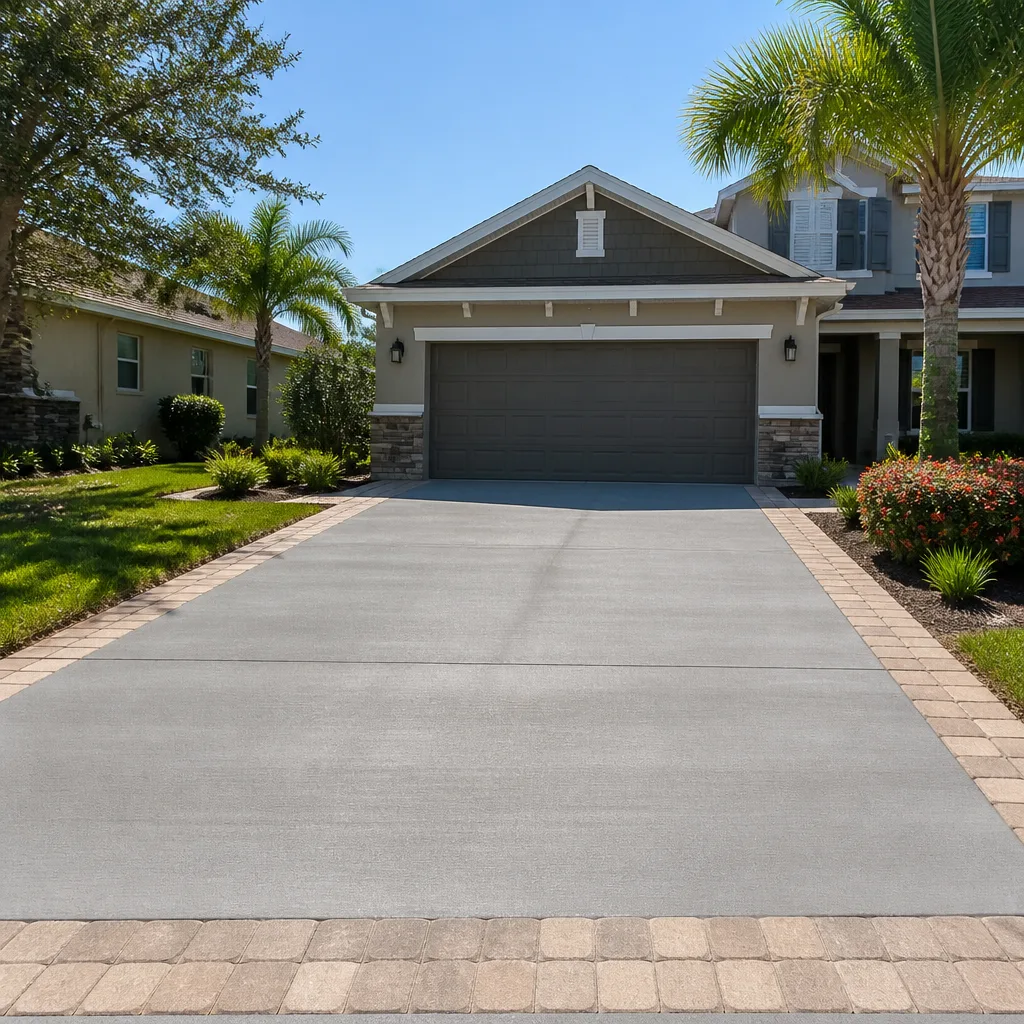
The picture from the outside is the same story. If you’re wondering about the driveway approach into the ADU, pouring and finishing concrete driveways isn’t a DIY candidate, no matter how many bags of mix you can buy. The Driveway & Pavers in Huntington Beach page shows why that part of the site plan is better left with a licensed contractor.
Common Mistakes to Avoid
- Pulling an owner-builder permit for a structure you intend to rent. The owner-builder exemption is written around a home you live in, and a rental ADU can void your protection when something fails. Read the Huntington Beach municipal code on rental ADUs before you sign the disclosure.
- Closing walls before the rough-in inspection. On a Huntington Beach permitted addition, the building department needs to see the wiring and plumbing before the drywall goes up. Schedule the inspection early and don’t let a schedule problem push the drywall ahead of it.
- Hiring an unlicensed friend and putting the permit under a borrowed license. That’s the fastest way to void your permit, your insurance and the safety cushion altogether. The trade contractor has to be licensed for the work they perform.
- Chasing the lowest sub quote without checking the license and bond. A missing license or bond means the risk sits with you when the sub walks off mid-project. Barrett & Sons pulls permits and signs inspections on every eligible job for exactly this reason.
- Laying tile over a subfloor you haven’t checked. The deflection calculation isn’t optional. Cracked tile on a permitted ADU means a tear-out that costs more than the original tile job.
- Choosing the fixtures after the plumber shows up. Selecting Delta, American Standard or Blanco on the day of rough-in forces the contractor to mark up whatever is on the shelf. Pick everything before the trade comes out.
- Landscaping before the final inspection. Sod and mulch go in after the final sign-off, not before. Gravel and soil in front of the inspection card make the inspector’s job harder and delay your project.
When to Call a Professional
Call a licensed contractor when the work touches the electrical panel or service, when it involves a gas line, when it’s structural framing or any load-bearing modification, and when the structure will be rented to anyone who isn’t family. Call when the subfloor is questionable under a tile installation, when the shower pan needs to hold water for decades, and when the window opening requires waterproofing detail. In every one of these cases, the risk of doing it wrong is larger than the price of the licensed work. And in Huntington Beach specifically, call when the permit sequence would be at risk, because a failed rough-in inspection after the drywall is up is more expensive than the trade quote in the first place. If you’d rather think this through with someone who has walked a hundred of these jobs, Barrett & Sons Construction Huntington Beach offers free estimates in Huntington Beach, and we’ll tell you honestly which parts of your project are safe for you to handle and which aren’t. Call (844) 320-2945.
The Barrett & Sons Construction Huntington Beach home page is a good next stop if you want to see the full picture of how a permitted project gets run. If your ADU is attached to the house with a new fence line, the Fence Installation in Huntington Beach page covers how that work gets scheduled around the addition.
Frequently Asked Questions
No. Electrical service upgrades, panel work, and rough-in wiring require a licensed electrician on a permitted ADU in Huntington Beach, and the permit’s inspection card has to be signed by that licensed trade. The owner-builder exemption covers your own labor on structural and finish work, not the trades that require a state license. Call us at (844) 320-2945 if you want a straight read on which parts of your project are safe for DIY.
Typically $8,000 to $25,000 on a mid-size Huntington Beach addition, if you take on demolition of non-load-bearing walls, install insulation after the rough-in inspection, do the finish painting, and handle the landscaping restoration yourself. The savings shrink fast if you take on any work that requires a licensed trade, because a failed inspection after drywall re-opens the wall. Estimates are free, and the call is (844) 320-2945.
Not legally, if the property is your primary residence and you’re pulling a permit as an owner-builder. But the moment the ADU is rented to a non-family tenant, you’ve stepped outside the owner-builder exemption’s likely protection, and the structural and MEP liability sits with you if anything fails. In our experience the projects that go smoothly are the ones with a licensed contractor carrying the inspection-critical work, even when the homeowner carries the finishing. Call (844) 320-2945 to talk through your specific plan.
A failed rough-in inspection discovered after the drywall is up often runs 1.5 to 2.5 times the original licensed trade quote for the same work, because you pay the trade plus the drywall repair plus the repaint. On a Huntington Beach addition the two-week delay is common, and the cost of the redo usually exceeds the original trade quote. The math is why we recommend hiring the trade the first time. Call (844) 320-2945 for an exact quote on the trade work on your project.
You can lay the tile, but you need to verify the subfloor deflection and the flatness first, and a flat, stiff, properly prepped subfloor is doing most of the work. The installs that crack within a year are almost always the ones where the subfloor was checked by eye, not by measurement. If the subfloor is questionable, call us at (844) 320-2945 and we’ll look at it before you lay a single tile.
Doing the entire permitted addition yourself is rarely cheaper once the inspection sequence, the liability exposure, and the redo costs are factored in, because the DIY savings come from labor, not from avoiding the licensed trades. The projects that actually save money hire the licensed contractor for the electrical, plumbing, framing, and waterproofing, and take on the painting, insulation, demo and landscaping themselves. The net savings are genuine, and the risk stays contained. Call (844) 320-2945 for a free second opinion on any written estimate you’ve already received.
The Bottom Line
The owner-builder route in California is real, but it’s narrower than the internet suggests. On a Huntington Beach addition or ADU, the safe DIY list is short: demolition of non-load-bearing walls, insulation installed correctly after the rough-in inspection, finish painting, landscaping restoration, and hardware. Everything touching the electrical panel, gas lines, structural framing, plumbing rough-in, and waterproofing belongs to a licensed contractor, and that’s not a matter of skill. It’s the law, the inspection sequence, and the liability that follows the owner-builder disclosure. The savings from the honest DIY list run $8,000 to $25,000 on a mid-size project. The cost of a failed inspection after drywall goes up often runs two times the original trade quote. Do the small list yourself. Put the trade work in the hands of someone who will still be around when the inspection card is signed.
If you’re planning an ADU or an addition in Huntington Beach and you want a straight read on which parts are yours to handle, call Barrett & Sons Construction at (844) 320-2945 for a free estimate. We’ll walk the site, tell you what the permit sequence looks like on your specific project, and put the scope in writing before any work starts.
Written by the team at Barrett & Sons Construction Huntington Beach.
Styles & brands we work with
- Kitchen remodeling
- Bathroom remodeling
- Home additions & ADU
- Roofing
- Windows & doors
- Driveway & pavers
- Fence
See the difference
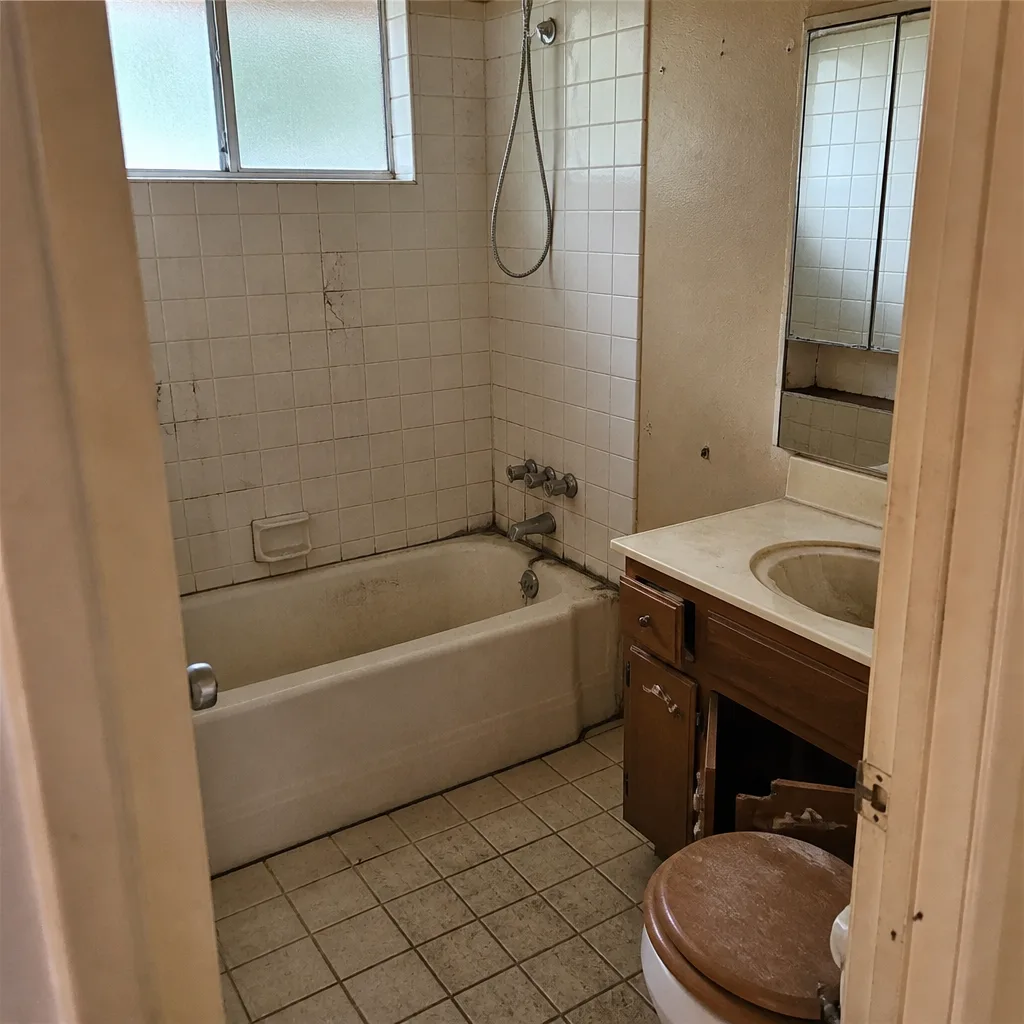 Before
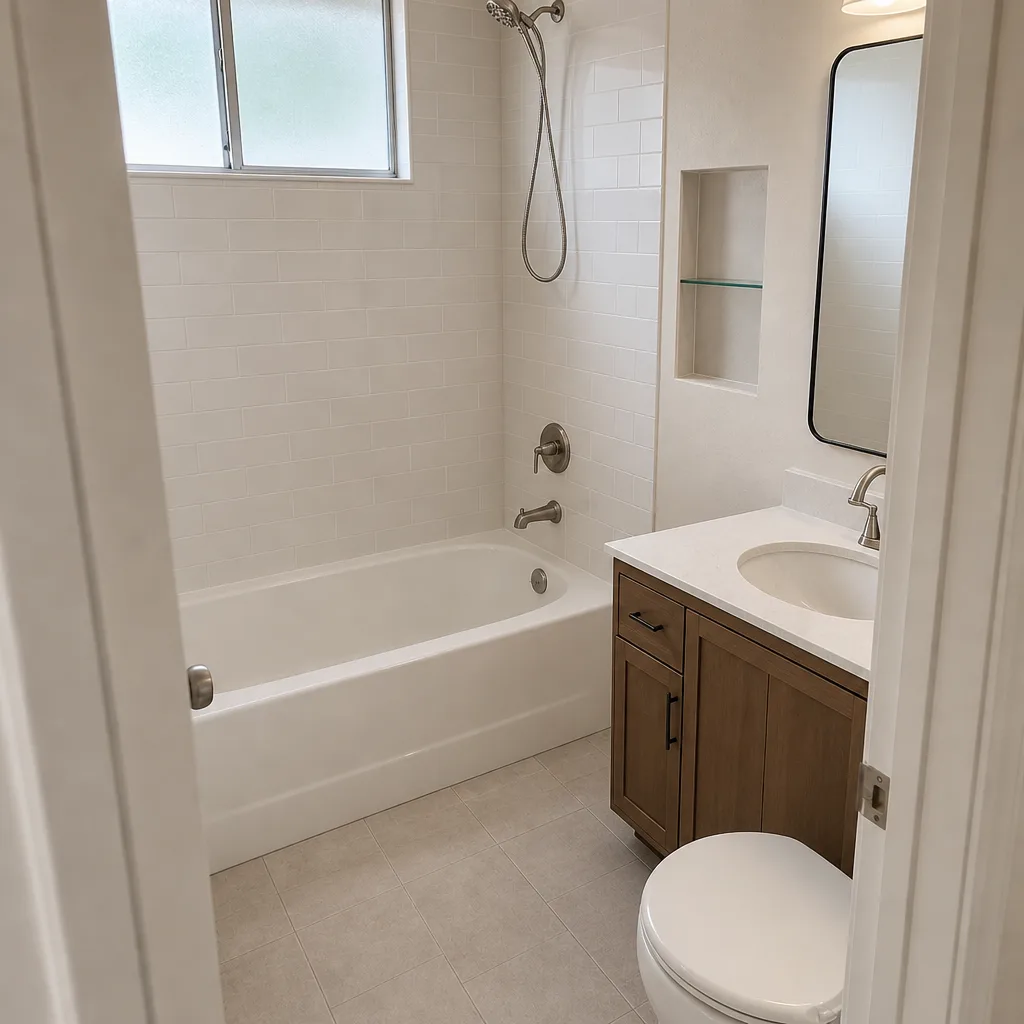 After
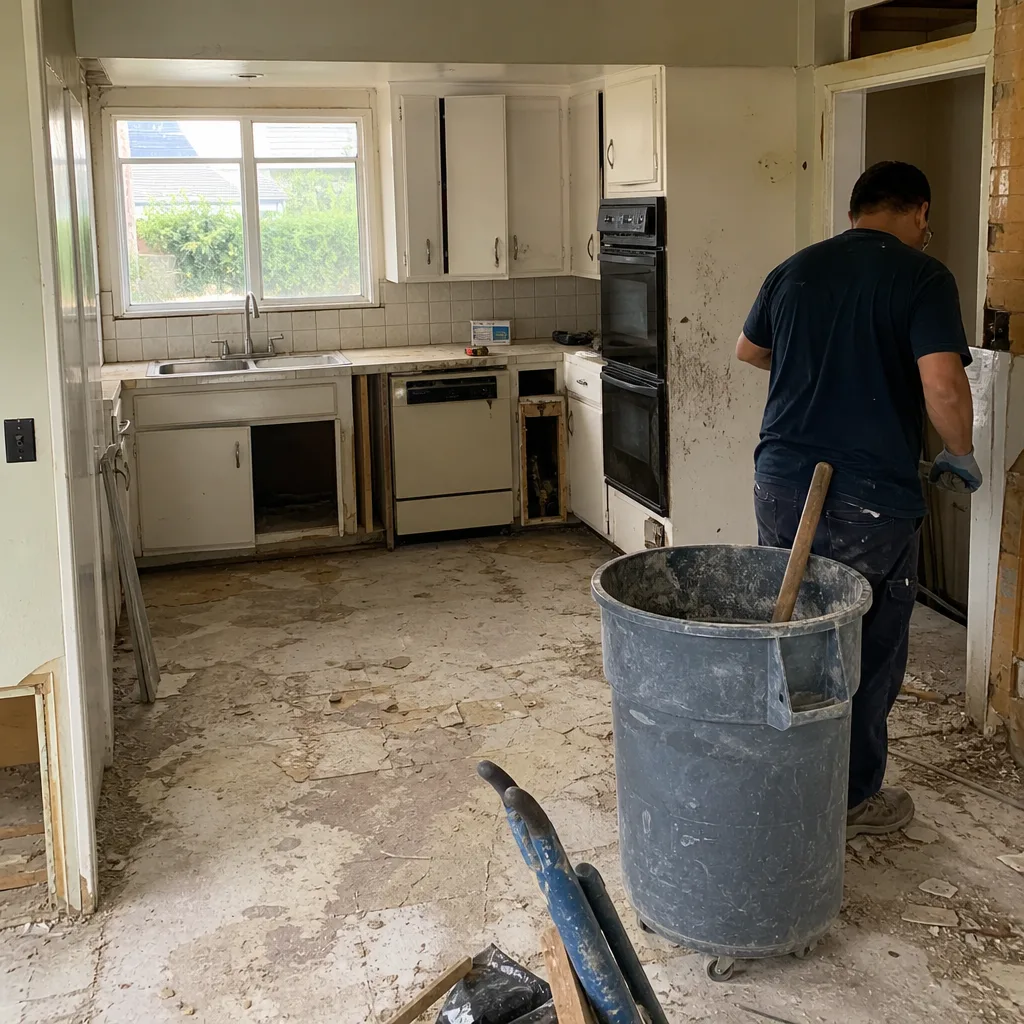 Before
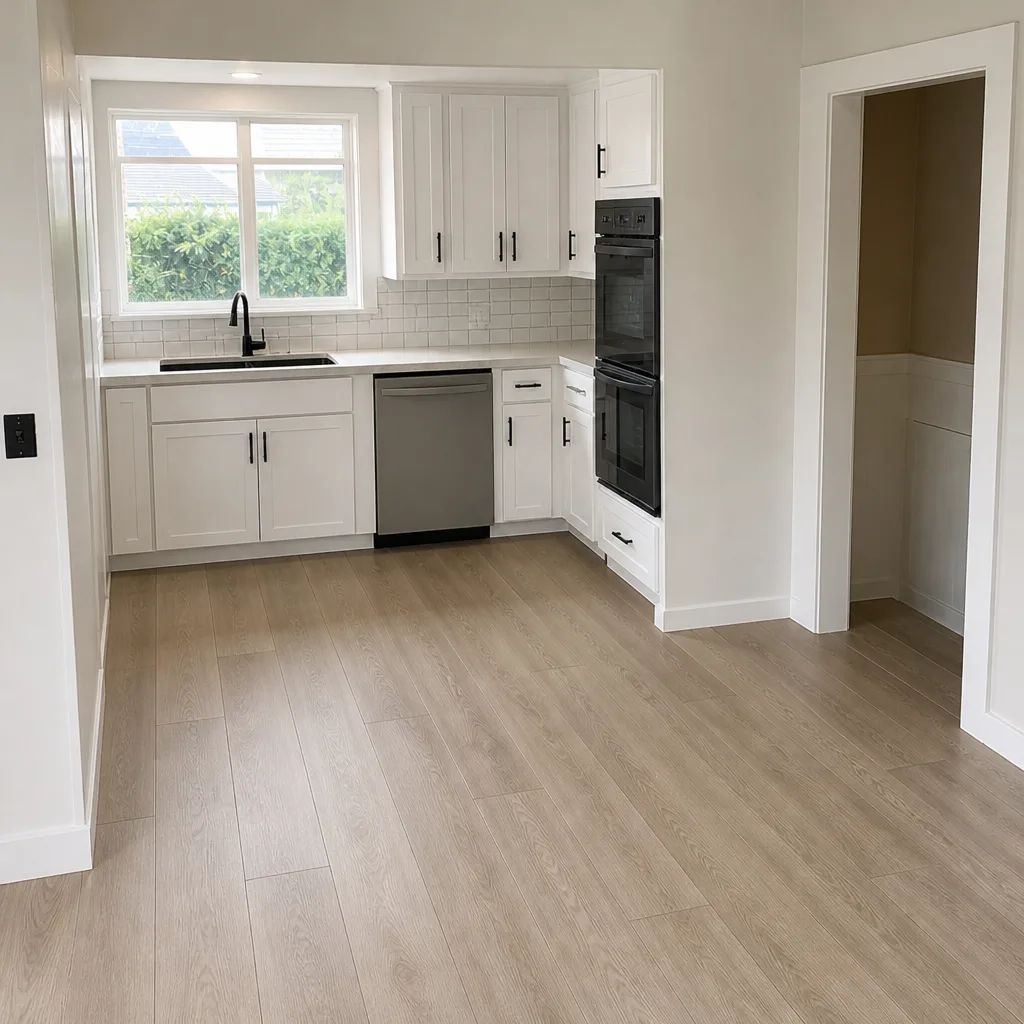 After
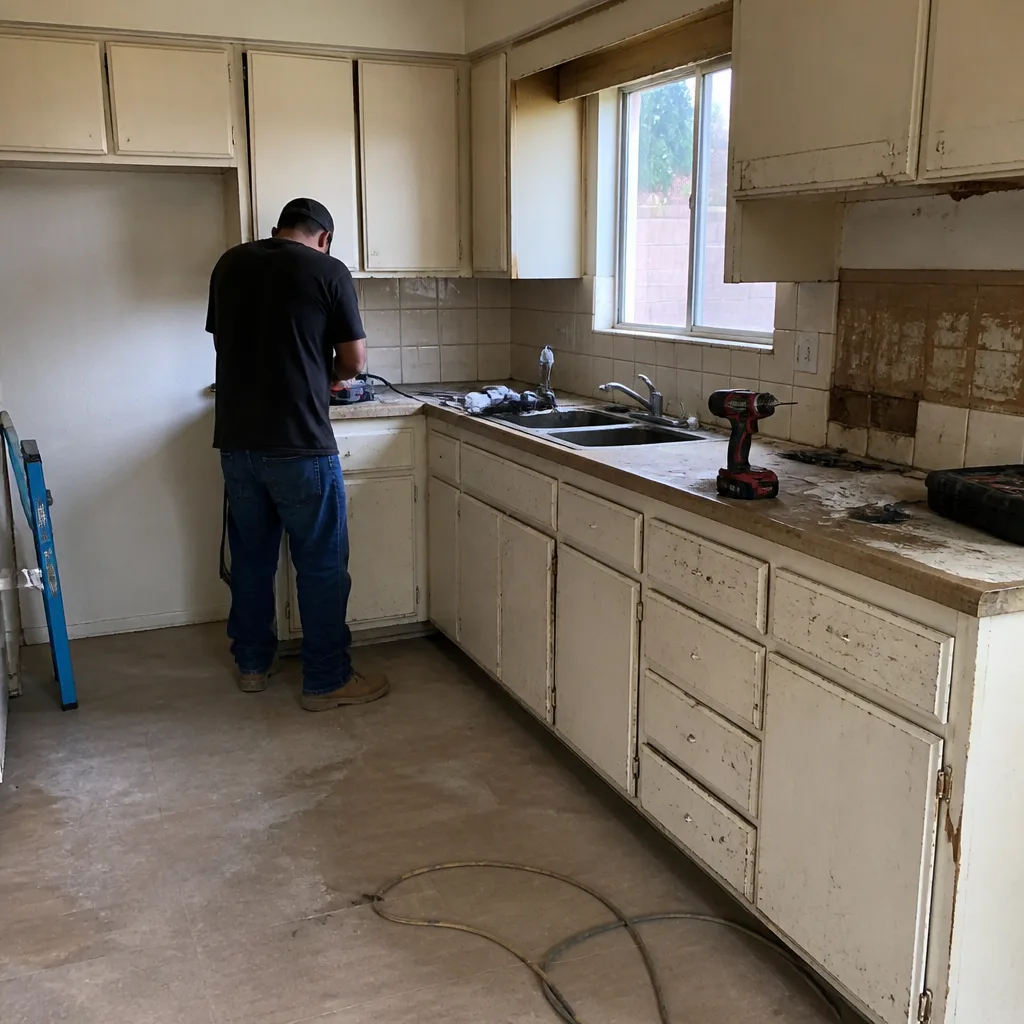 Before
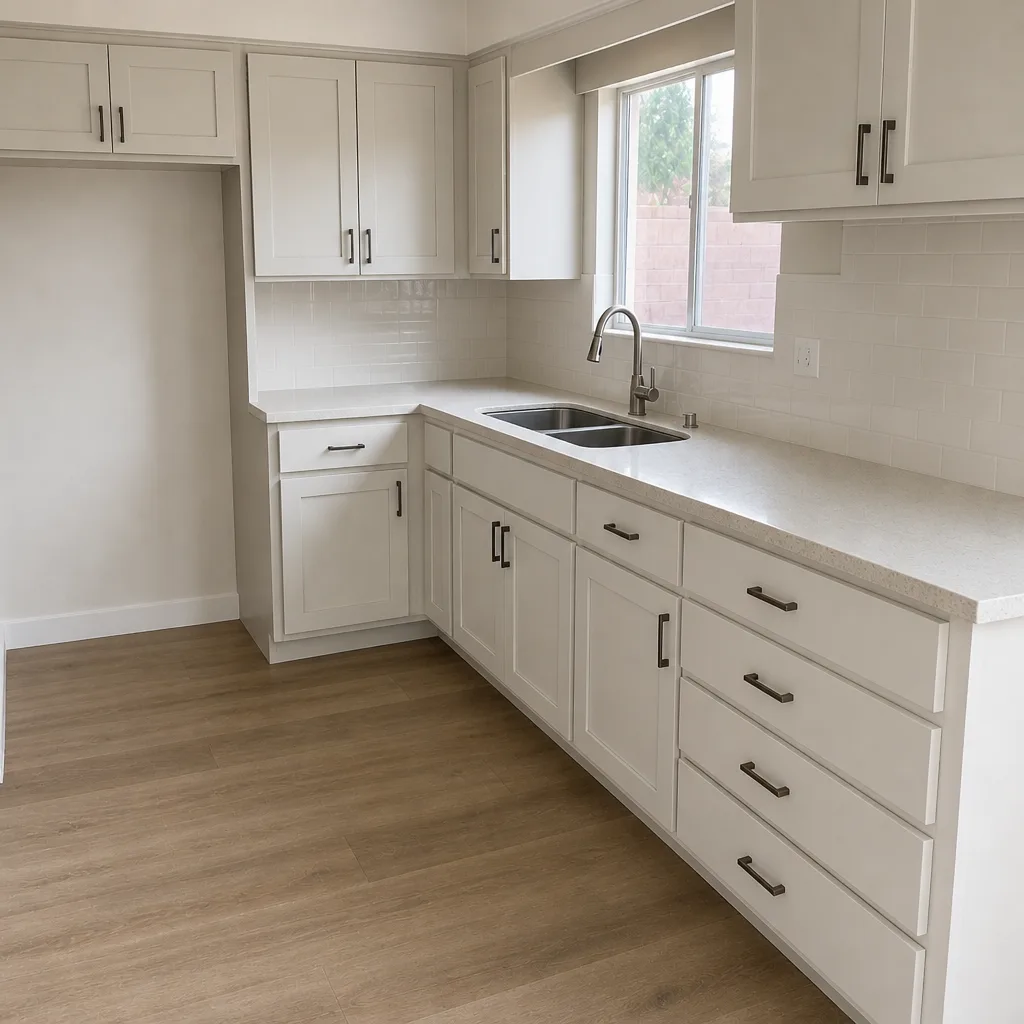 After