Last updated November 17, 2026
Free written scope consultation - allowances, timeline, and change-order rules on paper before a single trade is scheduled
The Complete Windows & Doors Guide for Huntington Beach Homeowners
A vinyl window that performs perfectly in Sacramento can warp, fog, and lose its seal within five years a block from the beach. And the product warranty often won’t cover it, because the failure traces back to installation details that never accounted for coastal exposure. That’s the part most replacement guides skip. This one won’t. We wrote it for Huntington Beach homeowners who want to understand what actually goes into a coastal window and door job: how California Title 24 shapes which products you’re allowed to buy, why fiberglass and vinyl age differently in salt air, when a permit is required, and which questions to ask before you sign anything.
Quick Answer
Replacing windows and doors in Huntington Beach is a coastal job, not a generic one. You need products that meet California Title 24 energy code for this climate zone, installation details that handle salt air, marine-layer condensation, and coastal wind, and a permit pulled whenever the opening’s size or the safety glazing changes. Get those three things right and a quality replacement lasts decades. Skip any one of them and you’ll be repainting, resealing, or re-buying sooner than you should.
Styles & brands we work with
- Kitchen remodeling
- Bathroom remodeling
- Home additions & ADU
- Roofing
- Windows & doors
- Driveway & pavers
- Fence
Table of Contents
- How California Title 24 Affects Which Windows You Can Buy in Huntington Beach
- Coastal Material Comparison: Why Fiberglass Beats Vinyl Near the Beach
- The Permit Reality for Window and Door Replacement in Huntington Beach
- Marine Layer, Condensation, and Wind Load: Why Installation Detail Matters
- Which Premium Brands Are Worth the Premium in This Climate
- Doors in a Salt-Air Climate: Entry, Patio, and Sliding
- Spec Questions to Ask Before You Sign Anything
How California Title 24 Affects Which Windows You Can Buy in Huntington Beach
Title 24 is California’s building energy code, and it sets limits on how much heat a window can let in. That limit is measured as Solar Heat Gain Coefficient, or SHGC. A lower SHGC means less solar heat passes through the glass. In Huntington Beach, which falls in a coastal climate zone, the code’s SHGC ceiling is tighter than what you’d see on an inland project in Riverside or the Central Valley. The practical result: not every window on a showroom floor is legal to install here.
Here’s what the numbers mean for a coastal home. A high-SHGC window in a south- or west-facing wall turns a living room into an oven by mid-afternoon, and the extra heat means extra air conditioning or extra fan time. A well-chosen low-SHGC window keeps the room comfortable without working the system. The building inspector will check the energy compliance paperwork, and if the glazing doesn’t meet the zone requirement, the job won’t pass.
The other code lever is U-factor, which measures how well the window resists heat flow. In a mild coastal zone, U-factor matters less than SHGC for cooling loads, but it still counts. A few things to know:
- Ask for the window’s NFRC-rated SHGC and U-factor in writing before you order. The number on the sticker is the number the inspector reads.
- Coastal climate zones in Orange County generally allow a modest SHGC, but additions and new construction face different rules than a straight one-for-one replacement.
- Whole-house replacement can trigger the more demanding “alteration” compliance path. A single-window swap usually doesn’t.
We’ve watched national guides tell homeowners to “just pick an Energy Star window” and call it done. That advice is incomplete in California. The window has to meet the specific zone requirement, and the paperwork has to be filed correctly. This is one reason we pull permits and get inspections signed on every eligible job. The permit inspector works for you, not for us. When the compliance documents are right, the inspector signs off and you have a record that protects you at resale.
If you’re planning replacement alongside a larger project, the energy rules stack with everything else in the build. Our guide to Home Additions & ADU in Huntington Beach covers how Title 24 applies to new square footage and accessory units, where the requirements are stricter than a replacement.
Coastal Material Comparison: Why Fiberglass Beats Vinyl Near the Beach
Most window replacement conversations start and end with price per unit. In a salt-air climate, that’s the wrong starting point. The material that holds up over the long haul is the material you should compare on total cost, not sticker price. Here’s how the common frame materials behave within a few miles of the Pacific.
- Vinyl (PVC). The default budget choice almost everywhere. Vinyl is fine inland, but the coastal combination of UV, salt, and temperature swings makes it expand and contract more than it does in dry heat. Over time that movement stresses the welds and seals. When a seal fails, moisture gets into the glass unit and you get fogging between the panes. That’s the “five-year fog” we mentioned at the top, and it’s common on beachside homes.
- Fiberglass. The strongest choice for Huntington Beach in most budgets. Fiberglass frames expand and contract at nearly the same rate as the glass, so the seals aren’t fighting the frame. It resists salt corrosion, holds paint well, and doesn’t conduct heat the way aluminum does. It costs more than vinyl up front and less over a 20-year horizon if vinyl has to be replaced early.
- Aluminum. Durable and common in mid-century homes, but it conducts heat, and bare aluminum near the ocean wants a proper finish. Good aluminum systems exist. Cheap ones pit and chalk. Ask about the finish warranty before you commit.
- Wood. Beautiful and appropriate for many older Huntington Beach homes. Requires maintenance in coastal air. Worth it when you’re preserving a look, less so when you want a low-maintenance exterior.
The long-term cost math is the part most homeowners underweight. A vinyl window that fails in year six costs you the replacement plus the labor to install it twice. A fiberglass window that’s still sealed in year twenty-five cost you the installation once. We’ve seen this pattern repeat across enough coastal homes that we lead with fiberglass for beachside replacements unless a budget genuinely rules it out. If a client picks vinyl, we want the installation details dialed in so the frame has the best chance to hold.
Fiberglass isn’t the only material with coastal advantages, and some Huntington Beach homes need a window that matches a specific architectural style. Talk to us about what fits your house before you fall in love with a showroom sample.
The Permit Reality for Window and Door Replacement in Huntington Beach
Here’s the question we get most: do I actually need a permit to replace my windows? The honest answer is sometimes yes, sometimes no, and the difference matters. A straight replacement of a window of the same size, same location, and same glazing type usually does not require a permit under California’s rules. But several triggers do. When any of the following applies, you’re in permit territory:
- The opening changes size. Cutting a wider hole to fit a larger window is a structural change. That’s a permit.
- The location of the safety glazing changes. Tempered glass is required where glazing sits within a certain distance of the floor or near a door
- You’re creating or modifying a door. Adding an exterior door, changing a sliding door to a French door, or widening a patio door opening all trigger permits and often inspections.
- The window is part of a larger build. Replacement inside a remodel or addition rides on that project’s permit.
- The energy compliance path requires documentation. Some replacement scopes require the Title 24 paperwork to be filed with the building department.
Why does this matter beyond paperwork? Unpermitted work shows up at escrow. A buyer’s inspector spots a new window that isn’t on record, the lender flags it, and suddenly you’re paying for a permit retroactively or negotiating down the sale price. We’ve seen sellers lose more in a negotiation than the whole window job cost, all because a previous contractor told them “permits are optional.” In Huntington Beach, where coastal properties move quickly and buyers are thorough, that risk is real.
Our position is simple. If a job is eligible for a permit and inspection, we pull it. You get an inspector who works for you, and a paper trail that survives a sale. The permit fee is a fraction of the cost of a problem, and a written change order covers any scope change before a single nail moves. If you’re thinking about replacement as part of a bigger exterior project, our Driveway & Pavers in Huntington Beach page shows how we handle permits on hardscape work too.
Marine Layer, Condensation, and Wind Load: Why Installation Detail Matters
The best window in the world fails if it’s installed wrong. In Huntington Beach, three coastal factors make the install details matter more than they do inland: the marine layer, condensation, and wind-driven rain.
The marine layer. Every summer, a thick band of cool, moist ocean air rolls over the coast and hangs there until late morning. That moisture settles on glass and on any gap in the building envelope. If the flashing around a window isn’t detailed correctly, water finds its way behind the frame and into the wall cavity. Over a season that means rot, mold, and eventual structural repair.
Condensation. A well-sealed glass unit that’s colder than the air around it will collect condensation on the outside. That’s normal and harmless. What’s not harmless is moisture forming inside the wall because warm interior air is leaking out around a poorly sealed frame. Air sealing matters. The foam, caulk, and backer rod around the opening need to be installed correctly, not just generously.
Coastal wind. Huntington Beach takes wind-driven rain, and the building code accounts for it. Flashing has to shed water outward and downward, and the weather barrier has to overlap in the right order so water drains away instead of collecting. Skip a lap or run the barrier the wrong direction and the water ends up behind the siding.
Here’s the install sequence we follow on a coastal replacement:
- Remove the old window and inspect the opening for rot or damage.
- Repair any framing or sheathing that’s compromised before anything goes back in.
- Install the weather barrier and flashing in shingle-lap order, so each course sheds over the one below.
- Set the new window plumb, level, and square, and shim it so the frame doesn’t twist.
- Air-seal the perimeter with the right materials, not just canned foam.
- Install interior and exterior trim, then caulk the joints with a coastal-rated sealant.
- Check operation, locking, and drainage, then clean up and walk the job with you.
That sequence isn’t exotic. It’s just the one that respects how water behaves. When we install along the coast, we treat the flashing and air sealing as the part that matters most, because that’s where the failures we see in older Huntington Beach homes originate.
Which Premium Brands Are Worth the Premium in This Climate
Premium brands earn their price when the climate asks more of the product. In Huntington Beach, salt air and marine moisture ask a lot. Two names come up most often in our window and door conversations, and both are worth the premium when they’re specified correctly.
Andersen. A long-standing name with a fiberglass line that holds up well in coastal conditions. Andersen’s composite frames resist salt and temperature movement, and the company backs its products with a solid warranty. The caveat is that Andersen makes different lines at different price points, and the fiberglass series is the one to focus on near the beach.
Marvin. Known for wood and clad-wood windows that fit older and higher-end homes. Marvin’s aluminum-clad exteriors protect the wood from coastal weather, so you get a wood interior and a low-maintenance exterior. For a Huntington Beach home where the look matters as much as the performance, Marvin is often the right call.
What’s the premium in dollars? It’s wide enough that we won’t quote a number here. It depends on the window size, the glass package, the frame material, and how many units you’re replacing. What we will tell you is the premium usually pays back over the life of the window, because a cheap factory-built unit that fails at year six costs more in total. Bring us a written estimate from a brand you’re considering and we’ll give you a free second opinion on it. That’s one of our standing offers, and it’s free.
Other premium systems show up in Huntington Beach builds too. If you’re adding an accessory dwelling unit, prefab makers like Abodu and Mighty Buildings often specify their own window packages, which we help integrate into the site work. For the door side of the job, we lean on the same brands that make good windows. Our Barrett & Sons Construction Huntington Beach home page covers the full range of trades we handle, windows and doors included.
Doors in a Salt-Air Climate: Entry, Patio, and Sliding
Doors take more abuse near the ocean than windows do. A front door faces the sun and the salt spray every day, and a patio slider sits in the path of wind-driven rain. The materials and installation details that protect windows apply to doors, often more so.
- Entry doors. A fiberglass or steel entry door with a proper finish will hold up well in salt air. Wood entry doors are beautiful but want annual attention in coastal conditions. Southern or western exposures are the harshest, so finish quality matters most there.
- Patio sliders. The track is the weak point. Salt and grit get in, and the rollers wear out. Keep the track clean and the weep holes clear. When we install a slider, we make sure the drain path is clear so water doesn’t sit in the track.
- French doors. More weather-exposed surface area than a slab door, and more seals to fail. The threshold detail is where coastal installations live or die. A written scope should call out the threshold flashing and sill pan.
Door replacement also triggers permits more often than window replacement, because the opening usually changes or the safety glazing rules apply. Ask up front whether your door job needs one. If it does, the permit and inspection are part of the job, not an extra you have to chase.
Around the exterior, other upgrades pair naturally with a window and door refresh. A new entry gate or privacy fence changes how the front of the house reads, and our Fence Installation in Huntington Beach page covers how we approach coastal fencing. Fencing, like windows, lives in the salt air, and the material choice matters.
Spec Questions to Ask Before You Sign Anything
The contract for a window and door job should answer most of these questions before you sign. If it doesn’t, ask. A written scope protects you, and a contractor who won’t put details in writing is a contractor to walk away from. Here’s what to ask:
- What’s the SHGC and U-factor of each window, and does it meet our climate zone? Get the number in writing, on the quote, by window type.
- What frame material are you installing, and why? Fiberglass and vinyl behave differently near the ocean. The answer should be specific to your site.
- Will you pull the permit, and who pays for it? If a permit is required, the scope should say so, and the price should reflect it.
- How do you handle flashing and air sealing? Ask for the sequence, not just a promise. The detail is the protection.
- What’s the warranty, and does it cover the installation? A product warranty and a workmanship warranty are two different things. You want both.
- What happens if the opening has rot or damage behind the old window? The answer should be a written change order before work continues, not a surprise invoice at the end.
We carry the same practice into every trade. Scope in writing, allowances in writing, change orders in writing. An allowance that isn’t on paper is a surprise waiting for a date. On window and door jobs, the surprises tend to be behind the old frame, and we want you to know about them before we touch them, not after.
Common Mistakes to Avoid
- Choosing window material by sticker price alone. Vinyl wins the price comparison every time, and in a coastal climate it can cost more in total if it fails early. Compare on 20-year cost, not first invoice.
- Ignoring Title 24 compliance. A window that isn’t rated for this zone won’t pass inspection, and you’ll be buying the right window twice. Ask for the SHGC in writing.
- Skipping the permit on a job that needs one. Unpermitted windows surface at escrow. In Huntington Beach, where buyers are meticulous, that’s a negotiation you lose before it starts.
- Trusting a verbal promise on the installation detail. Flashing and air sealing are where coastal failures begin. If the scope doesn’t describe them, it’s incomplete.
- Letting a contractor hand you a new bill at the door. The national-company complaint we hear most is a quote on the phone and a different number at the end. Insist on written change orders before any scope change happens.
- Forgetting that doors face the same weather as windows. A cheap patio slider in a wind-driven rain path will fail sooner than the windows do. Material matters there too.
- Not getting a second opinion on a written estimate. A second set of eyes on the scope and the numbers catches omissions that cost money later. We offer that second opinion free.
See the difference
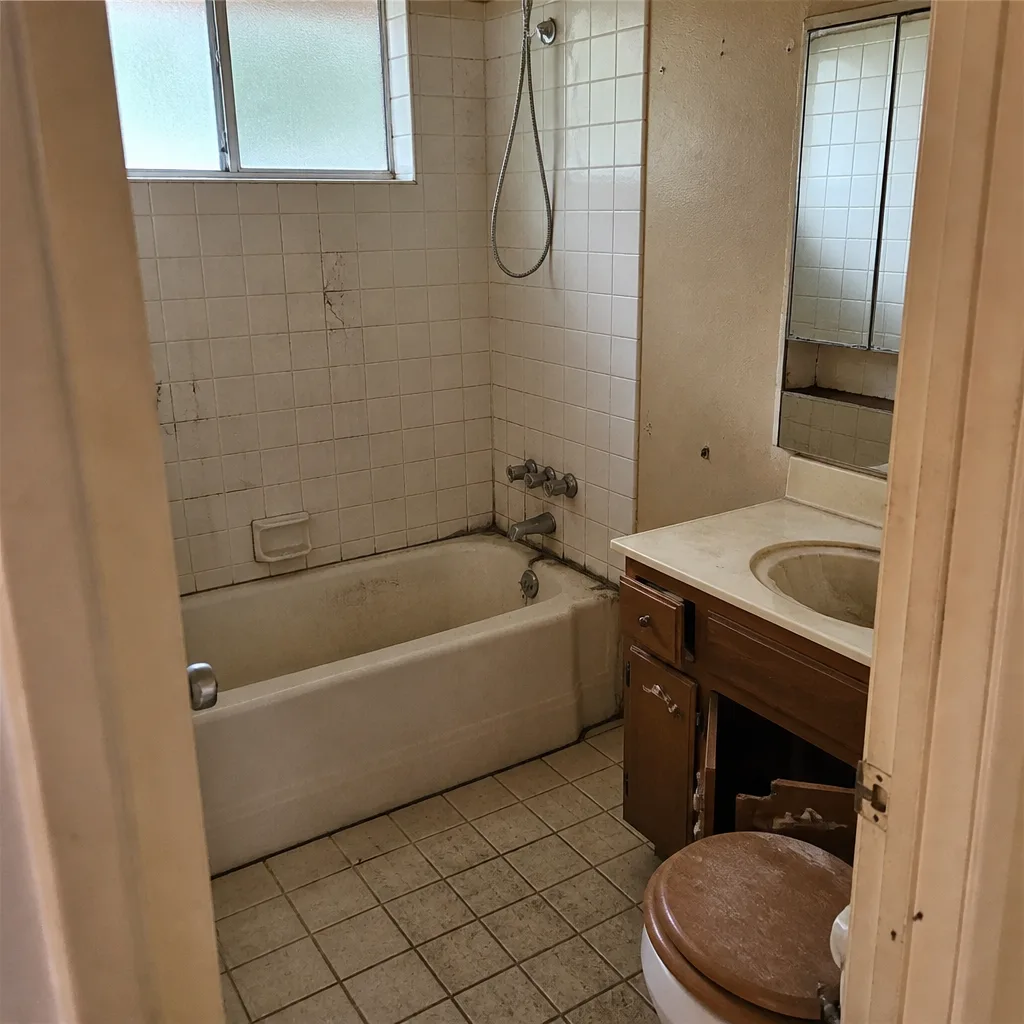 Before
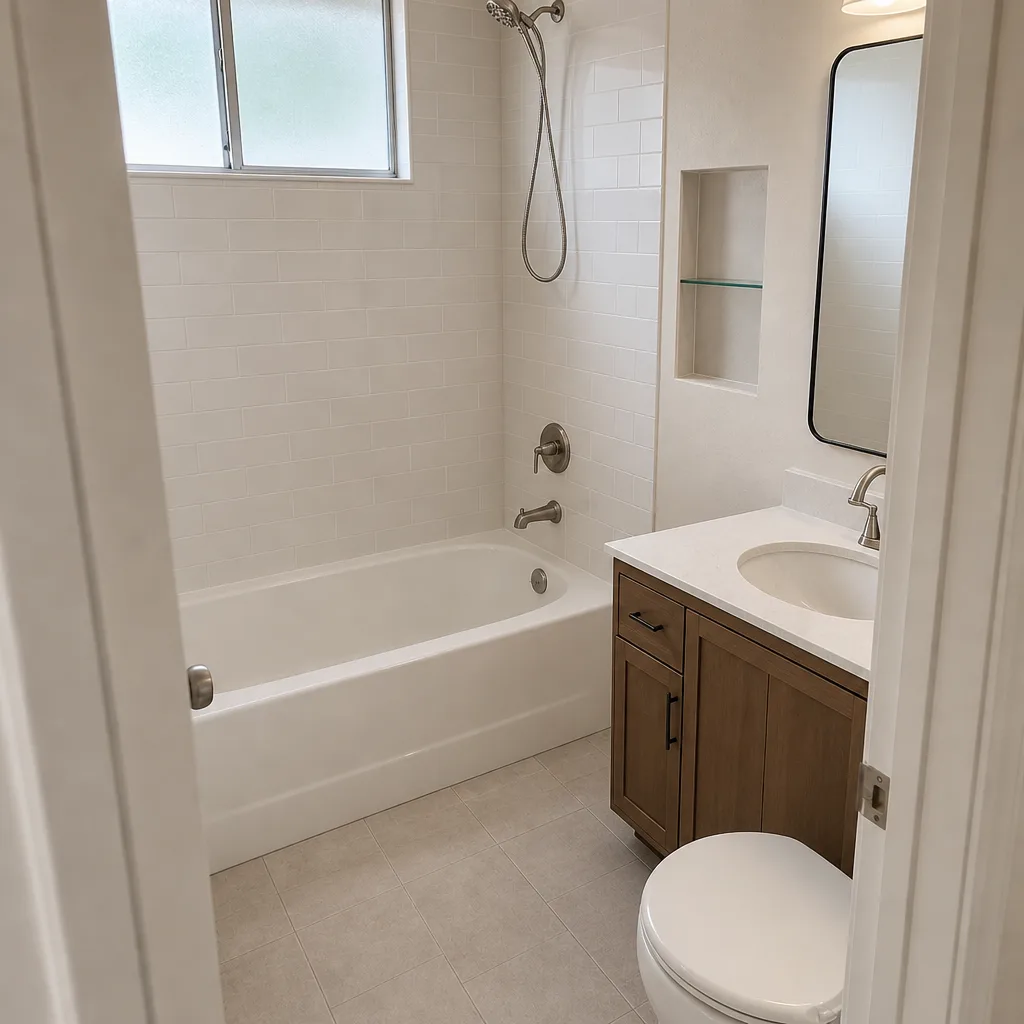 After
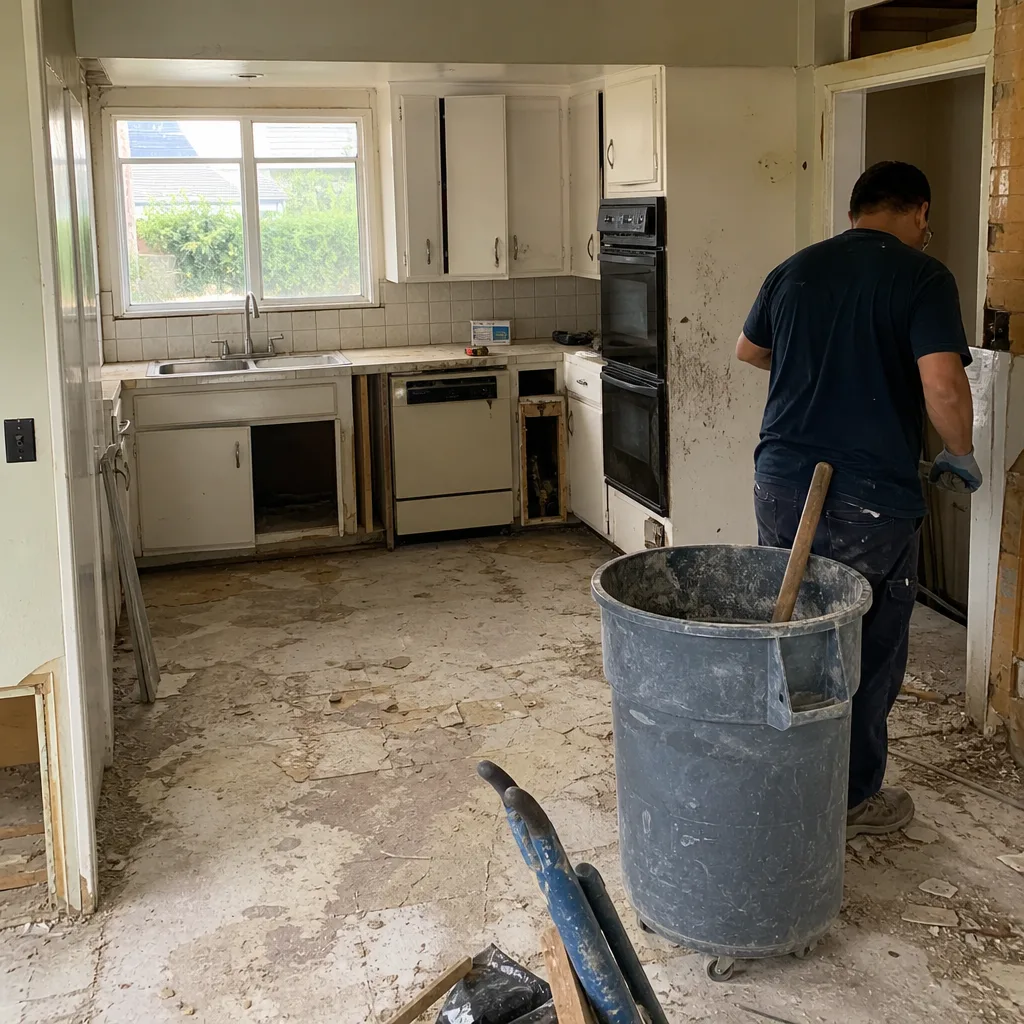 Before
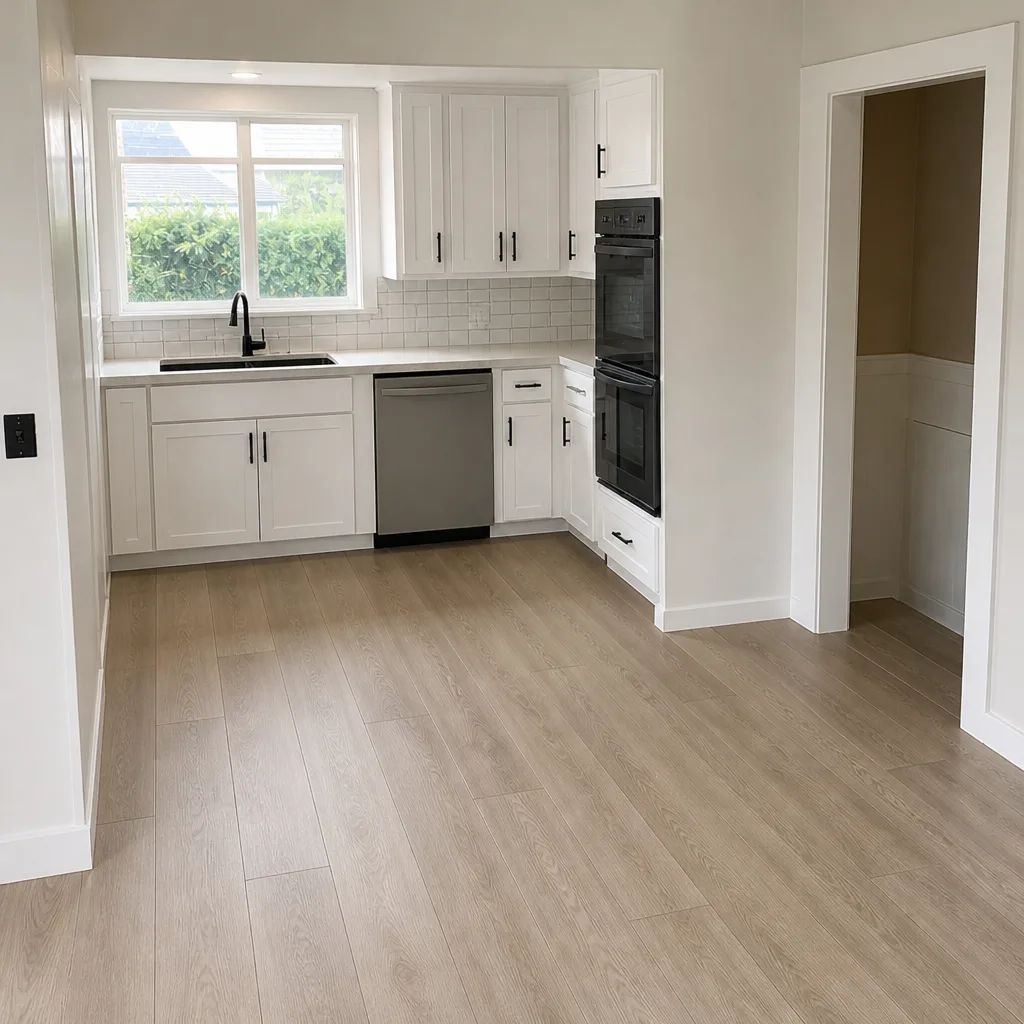 After
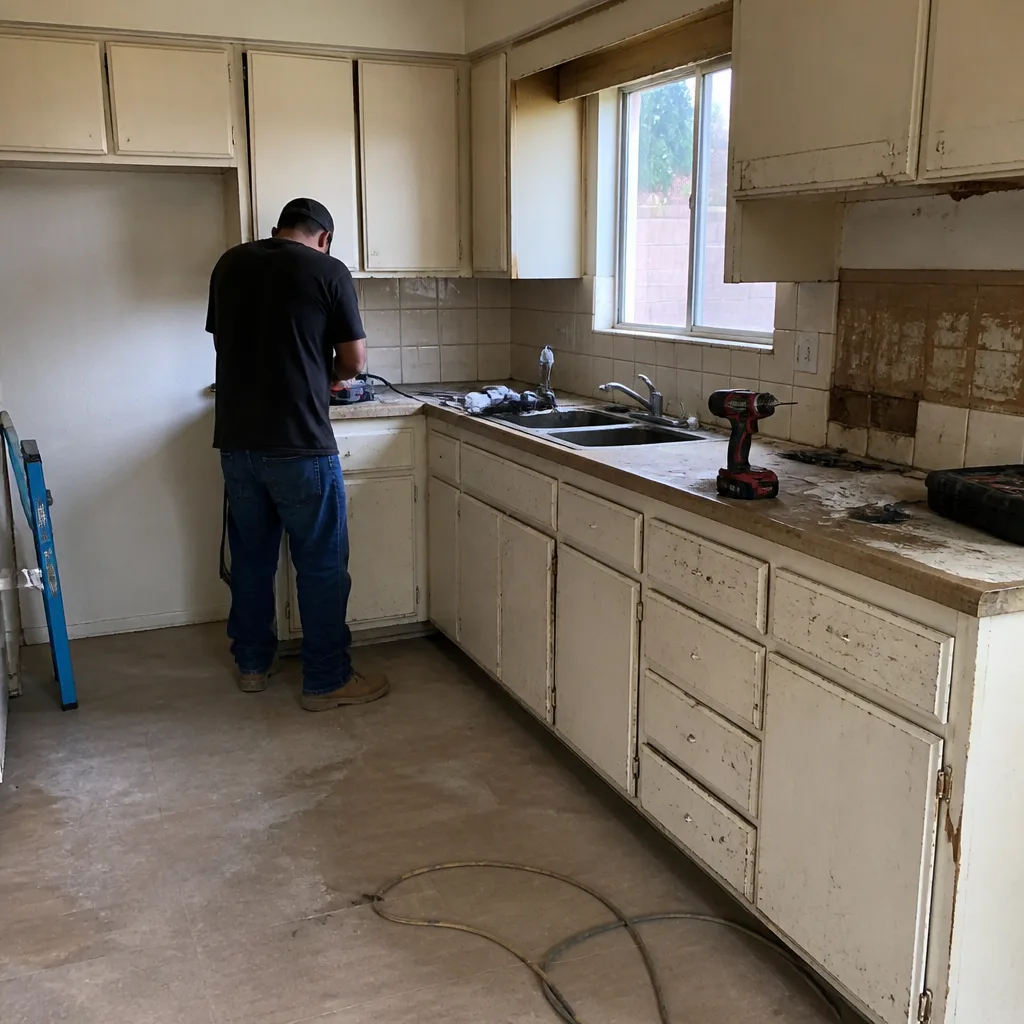 Before
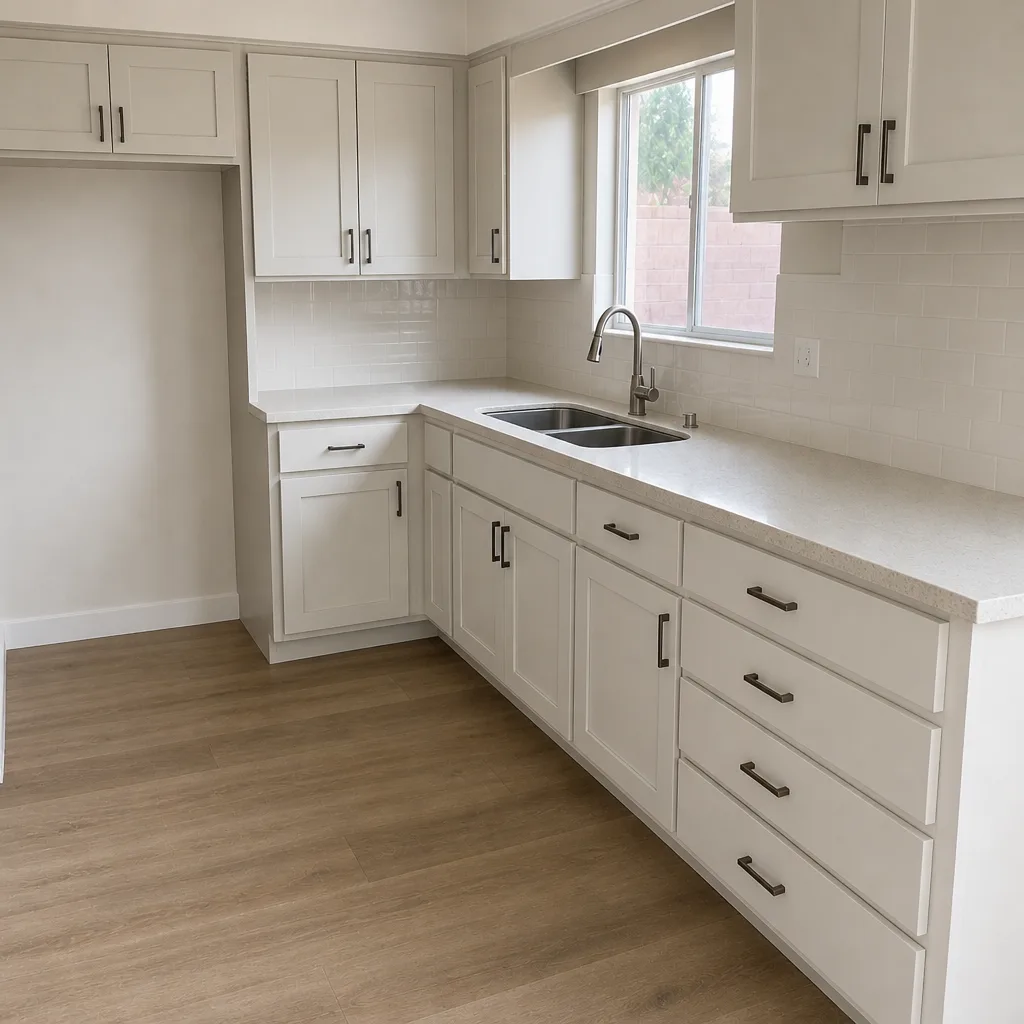 After
When to Call a Professional
Some window and door work is a handyman job: a sticking latch, a drafty seal, a screen that needs replacing. Replacement is different. If your windows are fogged between the panes, if you can feel air moving around the frame on a windy day, if you see rot or water staining around the opening, or if you’re planning a door change that alters the opening, it’s time for a professional assessment. Coastal installation details and permit requirements are where the risk lives, and getting them right the first time is far cheaper than the fix. Barrett & Sons Construction Huntington Beach offers free estimates in Huntington Beach. Call (844) 320-2945 to schedule yours.
Frequently Asked Questions
Window replacement in Huntington Beach typically runs from a few hundred to well over a thousand dollars per window, depending on size, frame material, and glass package. Fiberglass and premium-brand units cost more than vinyl, but they hold up better in salt air. We won’t quote a single number without seeing the openings, because the range is too wide to be honest about. Call (844) 320-2945 for an exact quote. Estimates are free.
A straight same-size, same-location replacement usually doesn’t require a permit, but a change in opening size, a new or widened door, or a change in safety glazing does. When a permit is required, we pull it and get the inspection signed. Unpermitted work creates problems at escrow, and the cost of pulling it retroactively often exceeds what the permit would have cost up front. Call us to review your scope before you hire anyone.
Vinyl expands and contracts more than glass does under the coastal combination of UV, salt, and temperature swings, and that movement stresses the seals. When a seal fails, moisture gets between the panes and the unit fogs. Fiberglass expands and contracts at nearly the same rate as glass, so it’s the more durable choice near the ocean. When you call us, we’ll walk you through both options for your specific home.
Title 24 is California’s building energy code, and it sets limits on Solar Heat Gain Coefficient (SHGC) and U-factor by climate zone. Huntington Beach’s coastal zone requires low-SHGC glass, so not every window on the market is legal to install here. Ask for the NFRC-rated SHGC in writing before you order. Call (844) 320-2945 and we’ll help you confirm the right spec for your zone.
Not without a written change order. If we open a wall and find rot or framing damage behind the old window, we document it and hand you a written change order before any new work proceeds. You decide. No surprise invoices at the end. That’s how we operate on every job, and it’s why our customers tend to call us back for the next project. Call (844) 320-2945 for a free estimate and a written scope.
For most Huntington Beach homes, Andersen’s fiberglass lines and Marvin’s aluminum-clad products are the two premium choices worth the extra cost. Both resist salt and coastal temperature movement, and both come with strong product warranties. The right pick depends on your home’s style and budget. Bring us any written estimate and we’ll give you a free second opinion on the scope and the spec. Call (844) 320-2945 to set that up.
The Bottom Line
Replace windows and doors in Huntington Beach and the coast is part of the job, whether the contractor mentions it or not. Title 24 sets the legal glass spec. Salt air and the marine layer reward fiberglass over vinyl and make installation flashing the thing that protects your walls. Permits matter more than most homeowners realize, because unpermitted work surfaces at resale and costs more to fix than to do right. Get the spec, the installation details, and the paperwork right, and a quality replacement lasts for decades. Get any one of them wrong and you’ll be paying again. Call (844) 320-2945 for a free estimate, a written scope, and a second opinion if you already have one in hand.
Written by the team at Barrett & Sons Construction Huntington Beach.