Last updated November 17, 2026
Free written scope consultation - allowances, timeline, and change-order rules on paper before a single trade is scheduled
Home Additions & ADU Maintenance Schedule: What to Do and When
Most Huntington Beach homeowners who finish an ADU spend the first year admiring it and the second year discovering problems. The systems inside a new addition are not the systems inside the original house. A separate subpanel, its own water heater, a fresh roof-to-wall tie-in, and usually a mini-split heat pump that the main house doesn’t share. Every one of those needs care on a schedule, and nobody hands you that schedule at the final inspection. This guide is that schedule, built for Huntington Beach’s salt air, marine layer, Santa Ana winds, and summer heat.
Quick Answer
An ADU or home addition needs a walkthrough inspection every season, mini-split filter cleaning every 4 – 6 weeks in coastal air, caulk and flashing checks at the addition-to-house seam twice a year, and an annual look at its dedicated electrical subpanel and water heater. Budget roughly $400 – $900 a year in maintenance and set aside $8,000 – $15,000 across the first five years for larger items like caulk renewal, roof edge repairs, and mini-split servicing.
Styles & brands we work with
- Kitchen remodeling
- Bathroom remodeling
- Home additions & ADU
- Roofing
- Windows & doors
- Driveway & pavers
- Fence
Table of Contents
- Why an Addition Ages Faster Than the House It’s Attached To
- The Huntington Beach Maintenance Calendar, Month by Month
- Mini-Split Care: The Filter Most ADU Owners Never Find
- The Systems Your Addition Has That Your House Doesn’t
- Seams, Flashing, and Stucco: Protecting the Join
- If You Rent the ADU: California Habitability Rules
- The Five-Year Maintenance Budget
- Common Mistakes to Avoid
Why an Addition Ages Faster Than the House It’s Attached To
Your original house has had decades to settle, cure, and move. A new addition hasn’t. The stucco is still curing for the first year, the framing is still finding its resting place, and the joint where new construction meets old construction is the single hardest detail in the entire build. That joint moves. It’s supposed to. When it moves, caulk fails, water finds a path, and you get a stain on the ceiling of the room you spent the most money on.
Huntington Beach makes this sharper than most cities. The marine layer pushes moist air against the coast most mornings from May through August. Salt in that air eats caulk and metal flashing faster than the inland air in Westminster or Fountain Valley. Then the Santa Ana winds arrive, dry and hot, shrink the wood, and pull those seams open from the other direction. Your addition gets stretched one way by wet air and the other by dry wind, every single year.
In our experience with additions across Huntington Beach, the properties that hold up best are the ones where somebody walked the seams twice a year with a tube of sealant. That’s it. That’s the whole secret. The rest is calendars.
The Huntington Beach Maintenance Calendar, Month by Month
The calendar below maps to how Huntington Beach actually seasons. We’ve grouped it into quarters so it’s easy to keep on the fridge. Green waste from the eucalyptus along the bluffs, salt fog off the pier, and hot Santa Ana afternoons each hit a different part of the addition.
- January – March (rain season): Walk the addition interior for water stains at ceiling edges and above windows. Check the roof edge and flashing above new windows. Test the ground-fault outlets in the ADU bath and kitchen. Clear debris from any drainage path along the addition’s foundation.
- April – June (marine layer): Inspect caulk joints at the addition-to-house seam and re-seal anything cracked or lifted. Wipe down window frames and tracks for salt. Clean mini-split filters every 4 – 6 weeks from here on. Look for efflorescence or white crusting on new stucco, which can signal moisture trapped behind it.
- July – September (heat and Santa Ana): Service the mini-split before summer heat pushes it hard. Check attic and wall insulation for gaps that let heat soak in. Inspect the addition’s roof for lifted shingles after any wind event. Re-check the seam caulk a second time since dry heat shrinks the wood and opens joints.
- October – December (wind prep): Trim any branches overhanging the addition’s roof. Tighten gutter fasteners. Run a flashlight test on the subpanel and note any warm breakers or scorch marks (call a licensed electrician if you find either). Flush the water heater’s relief valve once annually per manufacturer instructions.
Save these four dates on your phone. If you only do these walkthroughs and nothing else, you’ll catch three-quarters of the maintenance problems in a new ADU in Huntington Beach before they become expensive.
Mini-Split Care: The Filter Most ADU Owners Never Find
Here’s the hook that surprises almost every homeowner we talk to: most ADUs in Huntington Beach are heated and cooled with a ductless mini-split system, and most ADU owners have never opened the front cover to find the filter. The filter isn’t behind a vent like a traditional furnace. It’s behind the wide plastic panel on the indoor head unit. Two flat mesh filters slide out and rinse in the sink in under two minutes.
Salt air loads those filters faster than inland units. When a filter clogs, the mini-split’s fan has to work harder to move air, and the evaporator coil starts icing over. That’s when you get a service call that could have been a five-minute rinse. Below is the maintenance schedule we suggest for any ductless unit in Huntington Beach, whether it’s in an ADU, a garage conversion, or a primary bedroom.
- Every 4 – 6 weeks during heating and cooling season: Pull the filters, rinse them in warm water, let them dry fully, slide them back. Don’t put them in damp.
- Twice a year: Wipe the indoor unit housing and look at the outdoor condenser coil for salt residue and dust. Gently rinse the condenser fins with a garden hose only if the manufacturer’s manual permits it.
- Once a year: Have a licensed HVAC contractor check refrigerant charge, clear the condensate drain line, and inspect electrical connections. A clogged condensate line is the most common reason an ADU grows a water stain on the ceiling beneath the unit.
- Every 10 – 15 years: Budget for compressor or system replacement. Most mini-splits last that long in coastal air if the filters are kept clean.
If you’re still in the planning stage and haven’t chosen the mechanical system yet, our team can talk through options before anything is built. Start with our Home Additions & ADU in Huntington Beach service page.
The Systems Your Addition Has That Your House Doesn’t
A permitted addition almost always brings its own dedicated electrical subpanel. An ADU does for certain. This is a good thing: it separates the addition’s loads from the main house. It’s also a thing you now have to maintain that you didn’t before. Below are the systems you should know by name and where to find.
Dedicated electrical subpanel
Walk out to the panel once a year, open the door, and look at the breakers for heat, discoloration, or a smell. Turn each breaker off and back on once a year to keep it seated (don’t do this on a live circuit you don’t understand – call a licensed electrician). If you ever feel a warm cover, hear buzzing, or smell burning plastic, stop and call a professional. Panels are not a DIY zone.
Tankless or point-of-use water heater
Many Huntington Beach ADUs use a tankless unit mounted on an exterior wall because it saves interior floor space. That means it’s exposed to salt air and moisture. Once a year, flush the unit with a descaling solution per the manufacturer’s manual (typically using a small pump kit), and check that the intake and exhaust vents are clear of cobwebs, leaves, and debris. In salt air, also check the exterior fittings for white corrosion and tighten or replace as needed. Hard water in Huntington Beach is on the harder side of the range, so annual descaling genuinely matters here.
Separate gas meter (in some cases)
Some ADU builds get their own gas service so the utility can bill separately for a rented unit. If yours did, walk the meter once a quarter and check for odor, dirt daubers in the vent, or a sudden jump in usage you can’t account for. If you ever smell gas, stop, leave the area, and call the gas utility first – not a contractor.
Need help sorting out how your existing service ties to your addition’s panel? Call (844) 320-2945 and we’ll talk through it on a free estimate.
Seams, Flashing, and Stucco: Protecting the Join
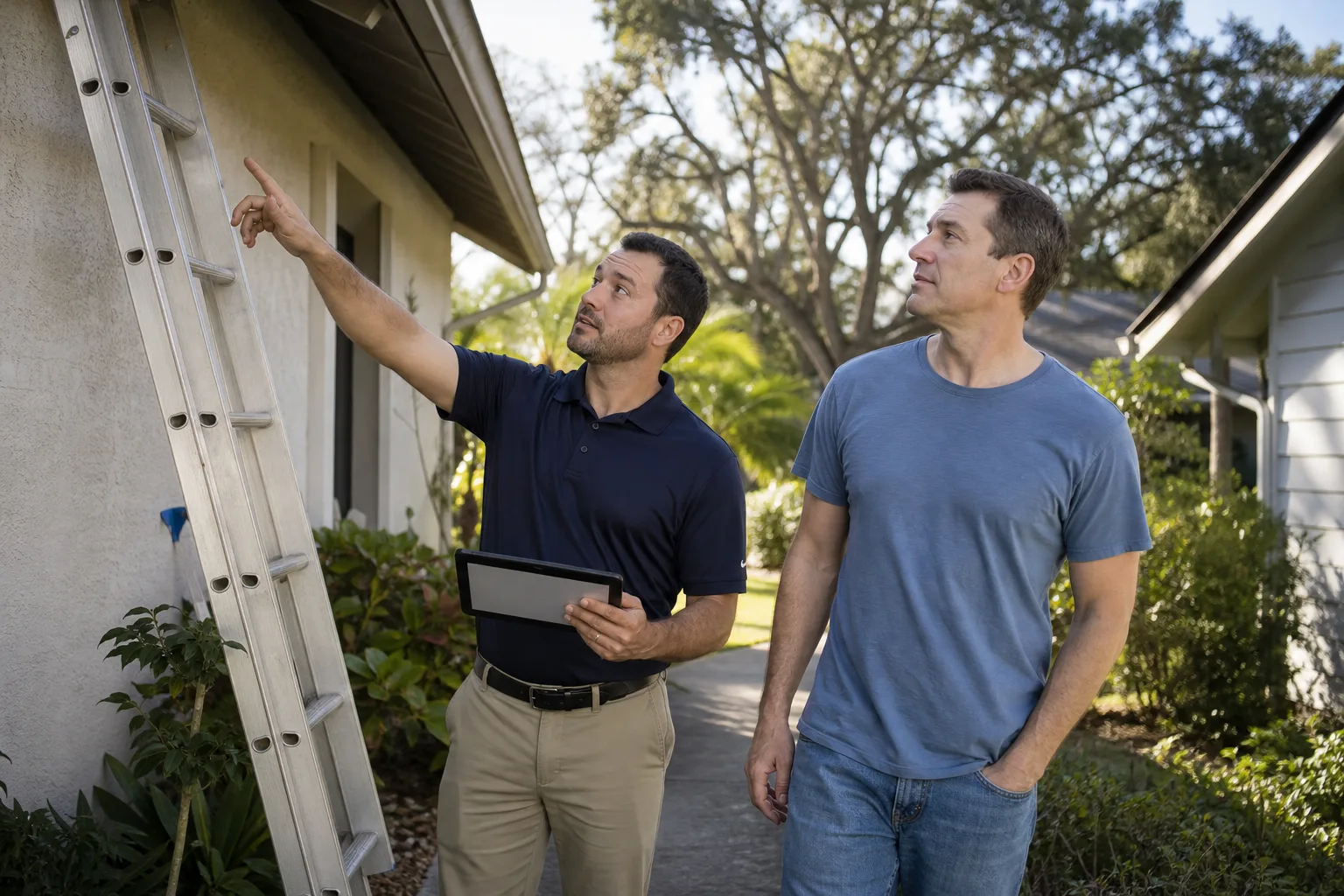
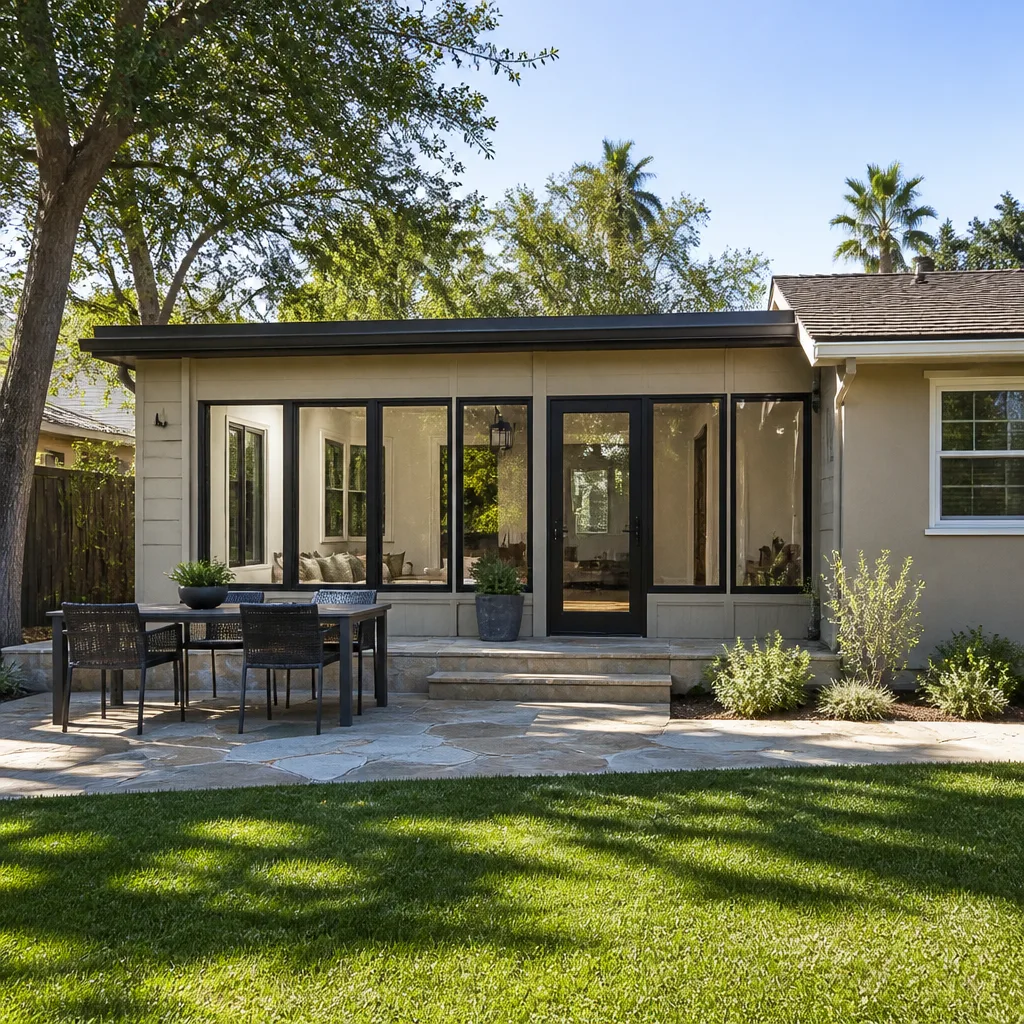
The seam where new construction meets old is the number-one failure point on an addition. Everything else is secondary. Here is exactly what to inspect, walking the outside of the addition clockwise, and how often.
- Caulk at the addition-to-house seam: Look for cracks, lifts at the top edge, or daylight coming through. Re-caulk with a high-quality exterior sealant rated for stucco. In Huntington Beach, plan on a full re-caulk every 3 – 5 years.
- Flashing above every new window and door: Check for lifted metal, gaps at the head, and any staining on stucco below the window. Water tracking down flashing is the most common cause of a stain inside a new addition.
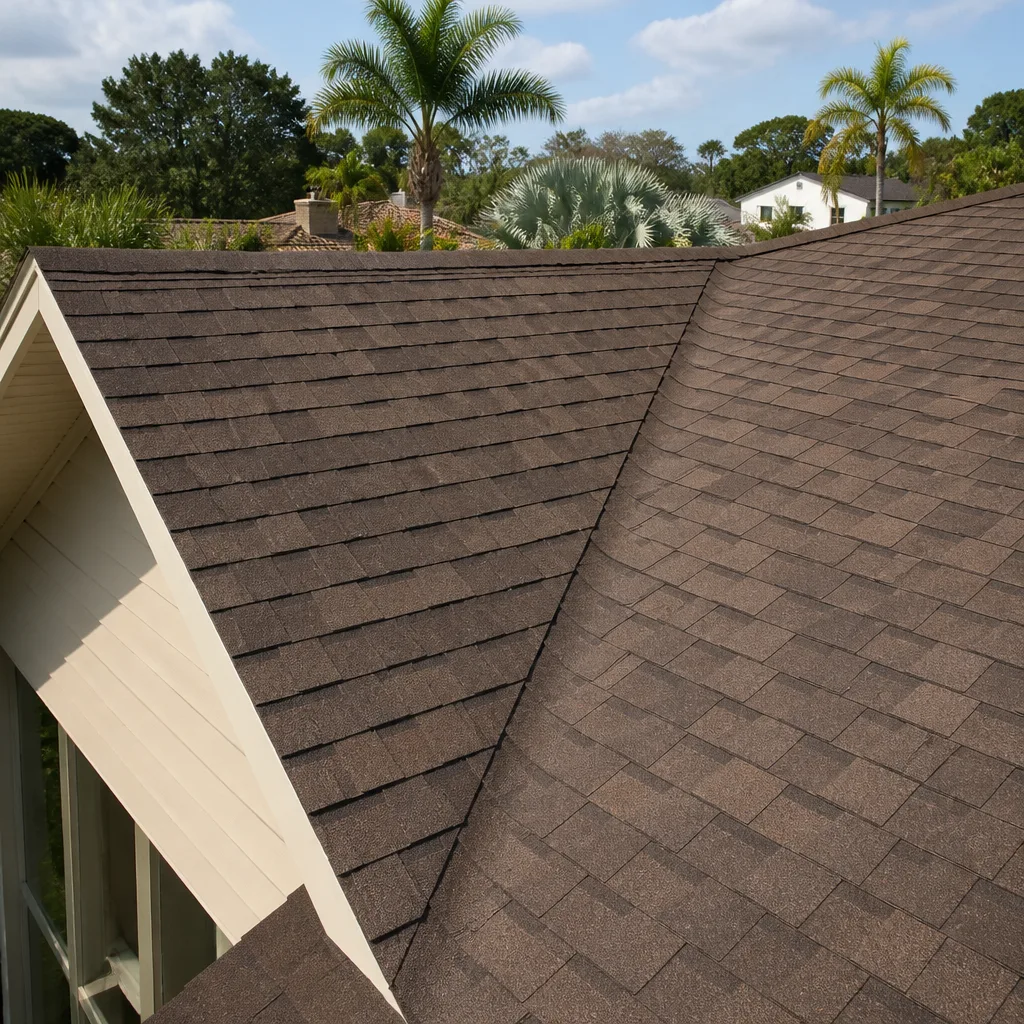
- Roof-to-wall transition: Look for lifted step flashing, missing kick-out flashing, or debris trapped against the wall. In salt air, metal flashing can corrode, so look for rust spotting too.
- Stucco crack monitoring: Hairline cracks are normal in the first two years as stucco cures. Cracks wider than 1/16 inch, or cracks that repeat in the same spot over multiple seasons, warrant a closer look from a licensed professional before you fill them.
- Ground and drainage: Confirm soil slopes away from the addition’s foundation and the lowest siding or stucco edge sits 4 – 6 inches above grade. In heavy rain years in Huntington Beach, that gap is what keeps water out of the wall.
For hardscape and drainage on the exterior of any addition, our team installs Driveway & Pavers in Huntington Beach using premium brands like Belgard, Unilock, and Tremron – drainage grading around a new addition is where those details matter most.
If You Rent the ADU: California Habitability Rules
Renting an ADU in Huntington Beach flips maintenance from “good idea” to “legally required.” California Civil Code section 1941.1 spells out what a landlord must keep in working order, and it applies to any rented dwelling, ADU included. These aren’t suggestions. They’re the habitability floor, and a tenant can legally withhold rent or repair and deduct if the unit falls below it.
The list you’re obligated to maintain includes: a working water supply, hot and cold running water, a functioning water heater, a working heating system, operable electrical wiring and lighting, a functioning wastewater disposal system, weatherproofing of roofs and exterior walls, working smoke and carbon monoxide detectors, and a safe, clean, sanitary premises overall. There’s no separate minor-maintenance exception for ADU rentals – everything on that list is protected.
Keep records. A written maintenance log with dates, who did the work, and what was done is your defense if a tenant ever claims a habitability violation. Save receipts. Photograph repairs. If any repair is required to keep the unit habitable, the law requires landlords to make it. Our team handles this kind of work regularly; if you’re not sure whether something in a rented ADU needs fixing, call (844) 320-2945 and we’ll walk it with you.
The Five-Year Maintenance Budget
Here’s the number that catches people off guard: a well-built ADU or addition in Huntington Beach costs somewhere between $1,200 and $2,800 a year in routine maintenance once it’s out of the first-year settling window, and larger items push the five-year total higher. The table below is a realistic range for a single-story ADU in Huntington Beach, based on what we’ve seen across projects. Actual costs vary with size, exposure, and system age.
- Mini-split filter care (DIY): $0 in materials, about 20 minutes a month
- Annual mini-split service call: $150 – $325
- Caulk and sealant renewal at seams (every 3 – 5 years): $350 – $800 per cycle
- Tankless water heater descaling: $150 – $300 annually (or $40 – $80 for a DIY kit)
- Exterior stucco patch and paint touch-up: $200 – $500 as needed
- Annual electrical panel inspection: $125 – $250
- Roof edge and flashing repair (when needed): $450 – $1,200
- Smoke/CO detector replacement (first 5 years): $60 – $150
- Total five-year projection: $8,000 – $15,000 depending on system types and whether the ADU is rented
Set that number aside as a maintenance reserve rather than treating every repair as a surprise. It’s the difference between an addition that still feels new in year ten and one that looks fifteen.
Common Mistakes to Avoid
- Never cleaning the mini-split filters. Most ADU owners don’t know the filter exists. In coastal Huntington Beach, that means ice formation on the coil by year two or three and a system that runs longer and costs more.
- Caulking over failed caulk without removing it. Sealant on top of failing sealant peels within months. Cut it out, clean the joint, then re-seal.
- Skipping a full walkaround after a Santa Ana wind event. Wind lifts shingles, pulls flashing, and cracks stucco. A twenty-minute walk in the week after the winds is worth more than any weather app.
- Assuming the subpanel is an electrician’s problem, so you never look at it. You’re not wiring it. You’re looking at it. A warm breaker or a smell is a call, not a repair, and the call is cheaper than the fire.
- Ignoring the roof-to-wall transition because “the roofer will handle it.” The roofer handles the roof. The wall-to-roof seam at an addition usually involves stucco, flashing, and trim – three trades. Somebody has to own the whole detail.
- Renting out the ADU without a maintenance log. California Civil Code requires the unit to be habitable, and a log is your evidence. No log, no defense.
- Letting overhanging branches go untrimmed over the addition’s roof. Huntington Beach has plenty of eucalyptus, ficus, and jacaranda shade trees. One wet branch against a roof edge is all it takes to start a moss problem or a flashing failure.
See the difference
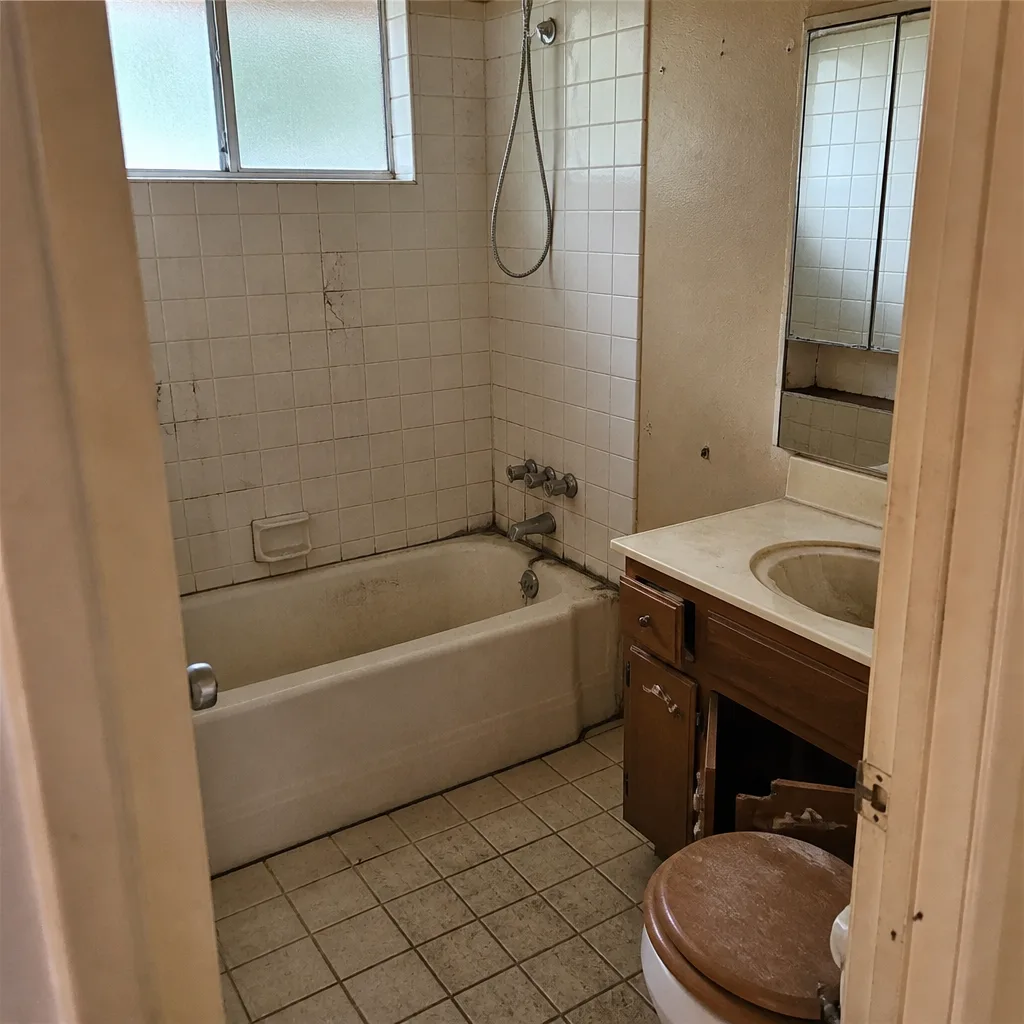 Before
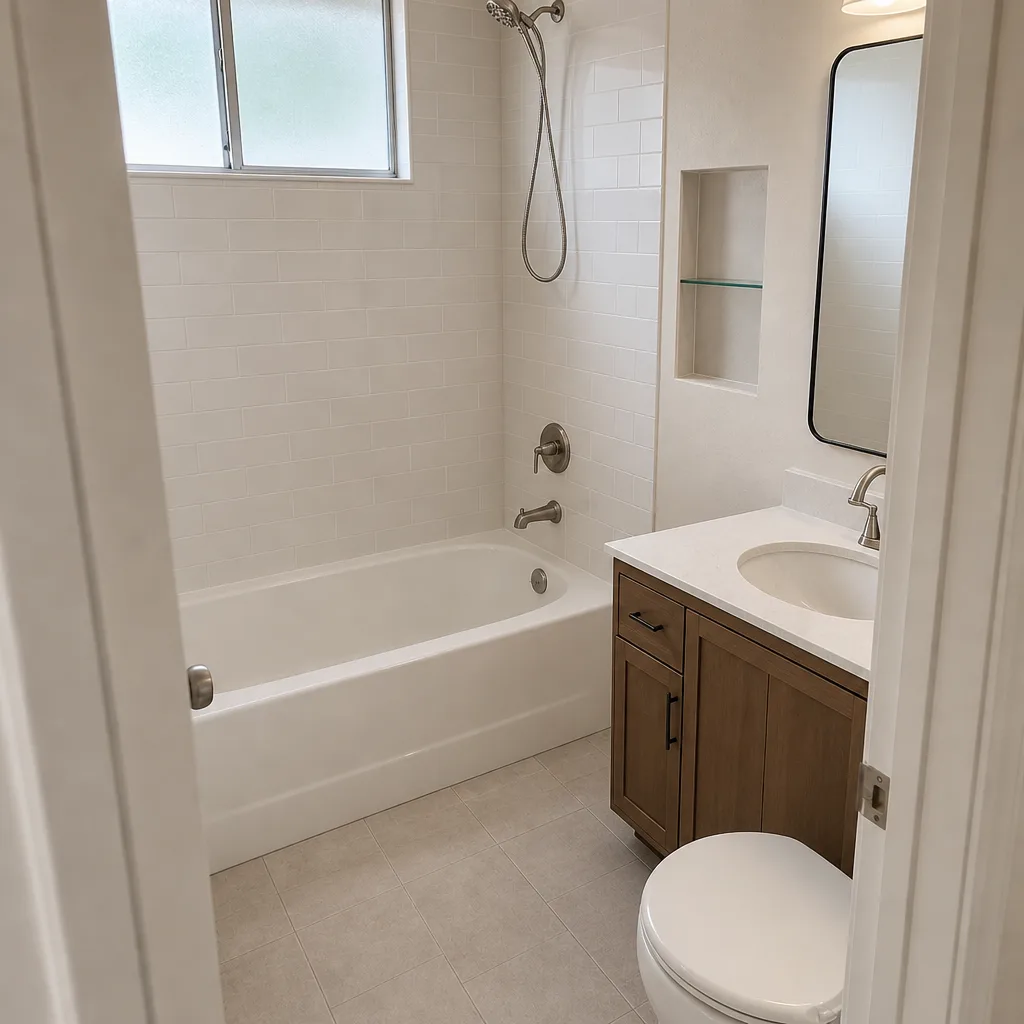 After
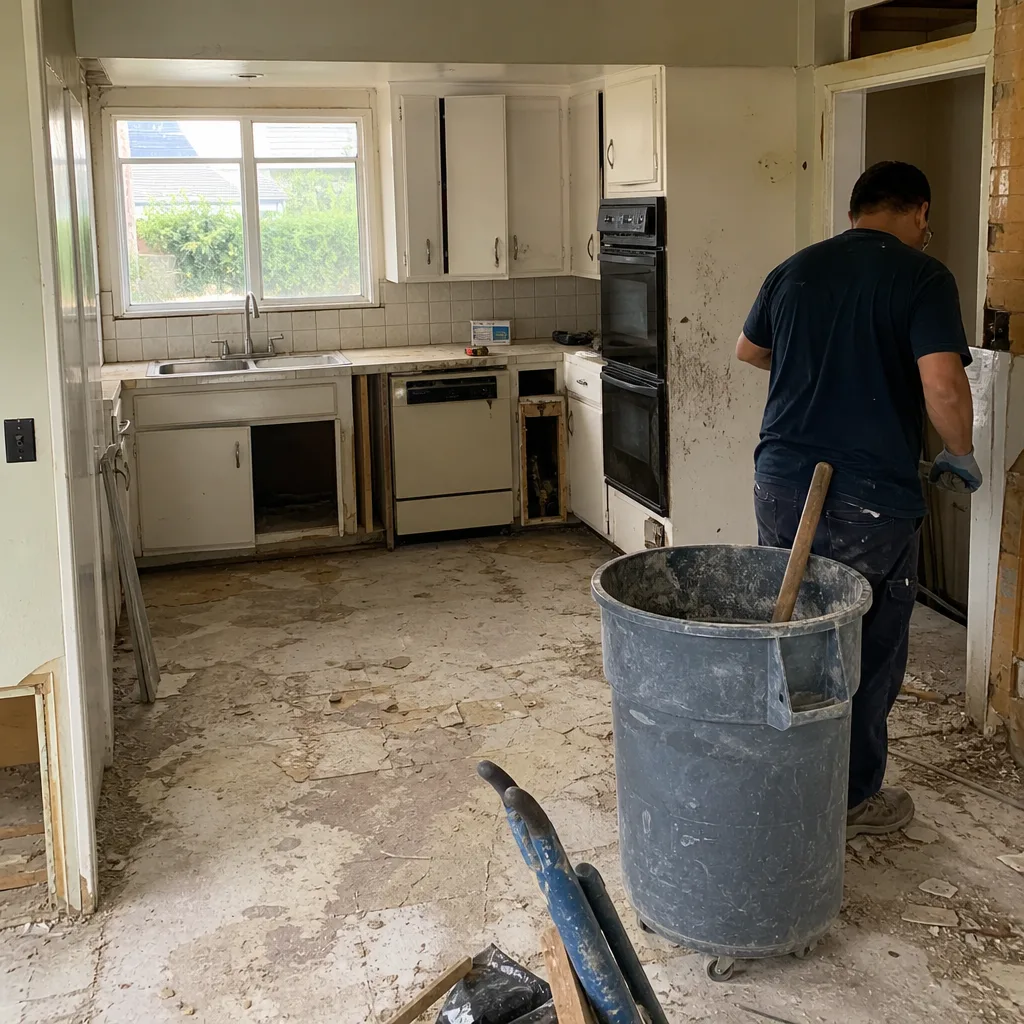 Before
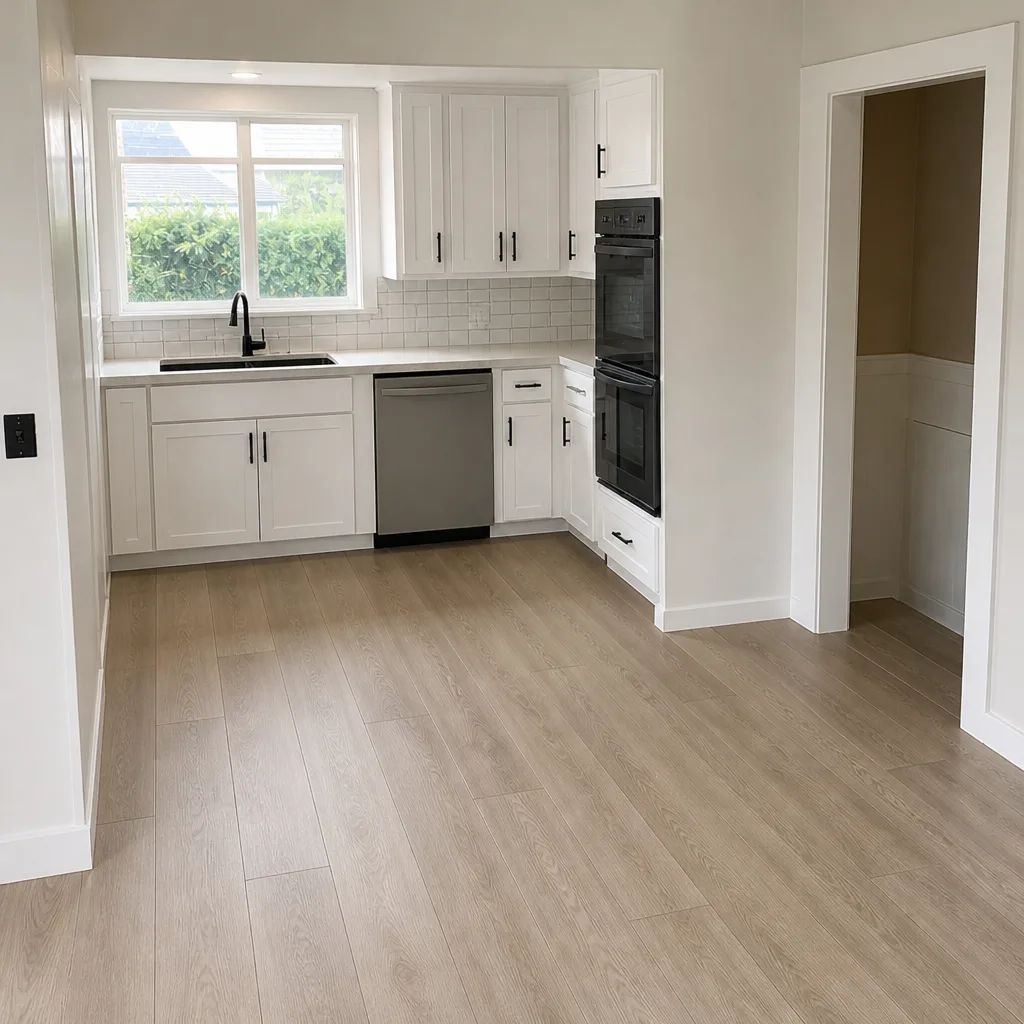 After
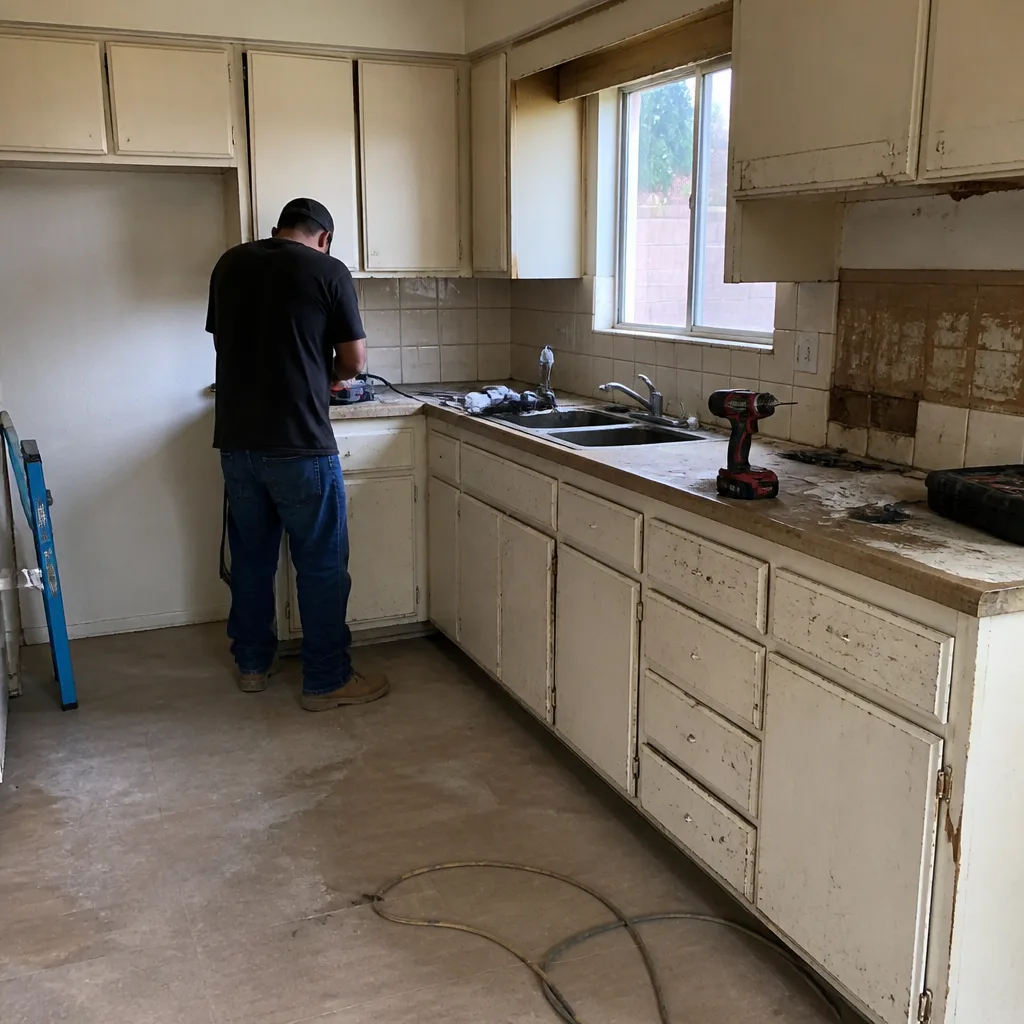 Before
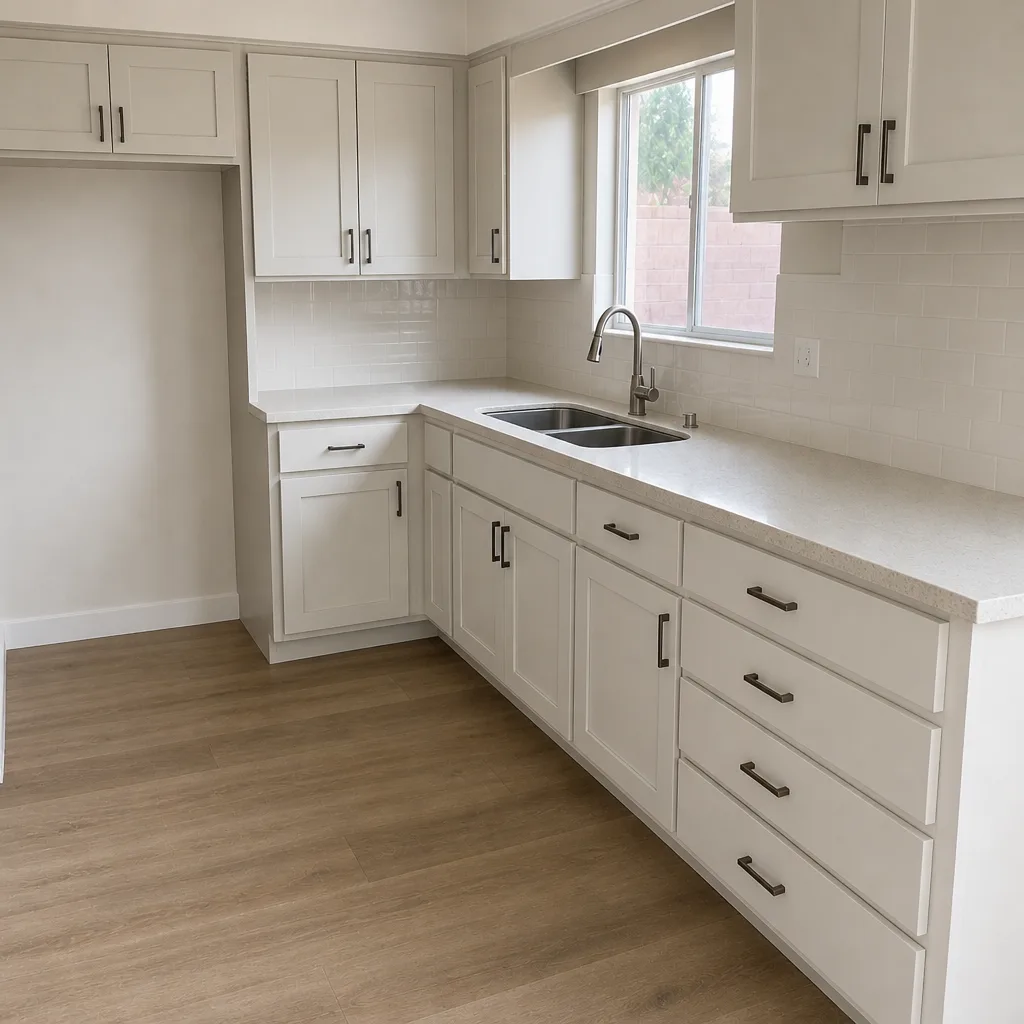 After
When to Call a Professional
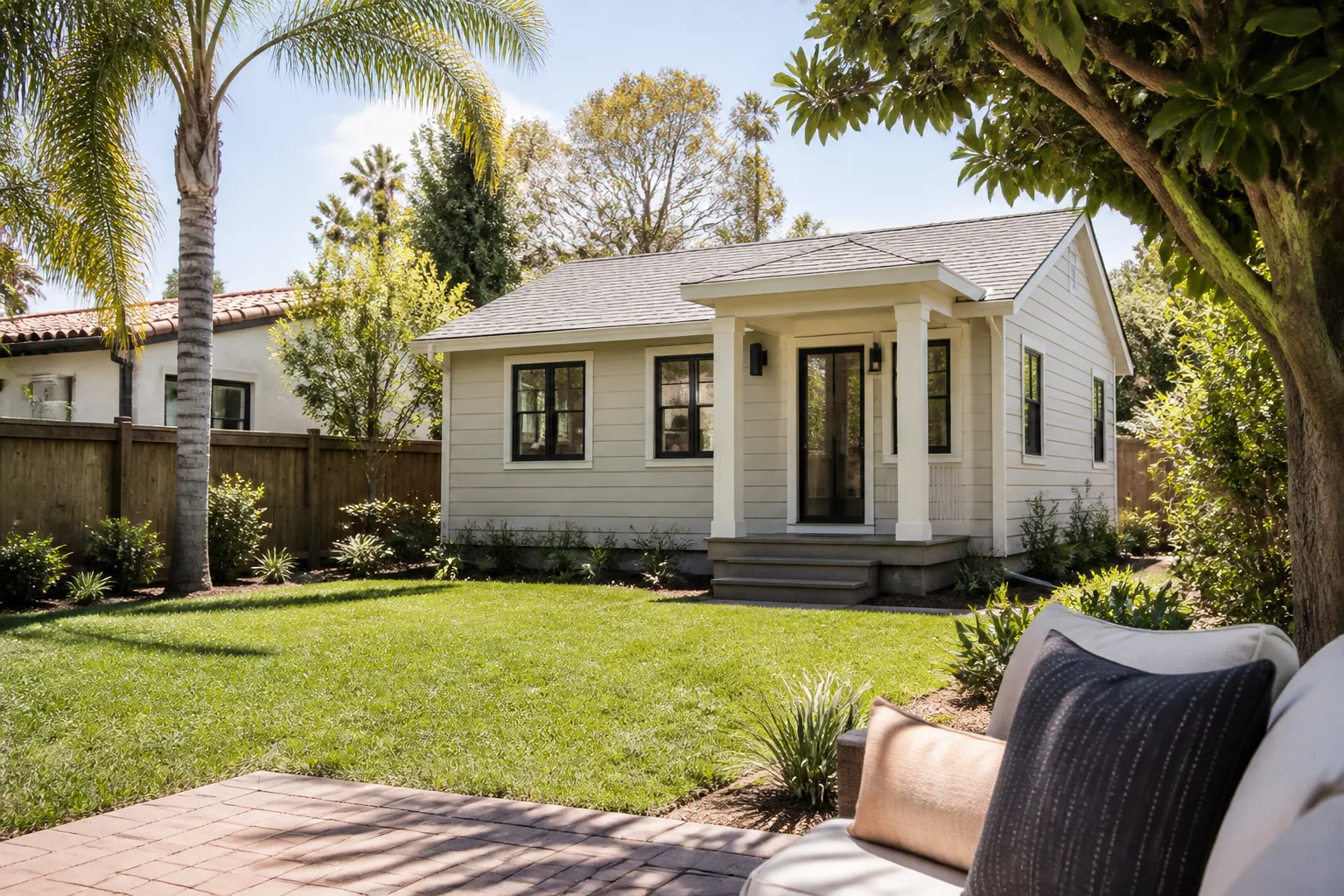
Call a licensed contractor when you find water staining inside the addition, when caulk at the seam has lifted more than a short run, when a stucco crack is wider than 1/16 inch or repeats in the same spot, when the mini-split ices over or doesn’t reach temperature, when a breaker feels warm or buzzes, when you smell gas near a meter or appliance, or when wind has visibly lifted shingles or flashing. Electrical panel, gas line, and roof-edge work are also on the do-not-DIY list for good reason; those are the three places where the wrong move can hurt somebody. For routine filter changes, caulk touch-ups, and detector checks, save the call. For everything on the list above, call.
Barrett & Sons Construction Huntington Beach offers free estimates in Huntington Beach – call (844) 320-2945 and we’ll walk the addition with you and give you a written scope. Every change comes as a written change order, permits are pulled and inspections signed, and the 90-Day Done Right Promise backs every completed job.
Frequently Asked Questions
Every 4 – 6 weeks during heating and cooling season. Salt air off the coast loads mini-split filters faster than inland units in Westminster or Fountain Valley, so a filter that would be fine for two months of an inland home needs attention in half that time in Huntington Beach. It’s a two-minute rinse in the sink; do it or pay for a service call.
An annual visual inspection is the standard. Open the door once a year and look for discolored breakers, warm covers, scorch marks, or a burning smell. If you find any of those, call a licensed electrician and stop using those circuits. A qualified electrician should inspect the panel professionally once a year, and more often in salt-air environments where corrosion can affect connections.
Plan on a full re-caulk every 3 – 5 years, with a visual check twice a year. Huntington Beach’s marine layer and Santa Ana winds pull seams open from two directions, so a great sealant job still needs a look in spring and fall. Caulk is cheap; water damage behind stucco is not.
The landlord is. California Civil Code section 1941.1 requires the landlord to maintain working water, hot water, heating, electrical, plumbing, weatherproofing, and smoke/CO detectors in any rented dwelling unit, ADU included. Keep a written maintenance log with dates and photos for each repair.
Budget $1,200 – $2,800 a year for routine maintenance after the first settling year, plus a reserve for larger items. Across five years, most Huntington Beach ADU owners spend somewhere between $8,000 and $15,000 total, driven mainly by caulk renewal, mini-split servicing, and roof-edge or flashing repairs.
Yes, and this is the part most homeowners miss. The addition has its own subpanel, often its own water heater, and usually its own mini-split system, none of which serve the original house. Those systems have their own schedules, and skipping them is how a new addition ages faster than the home it’s attached to.
The Bottom Line
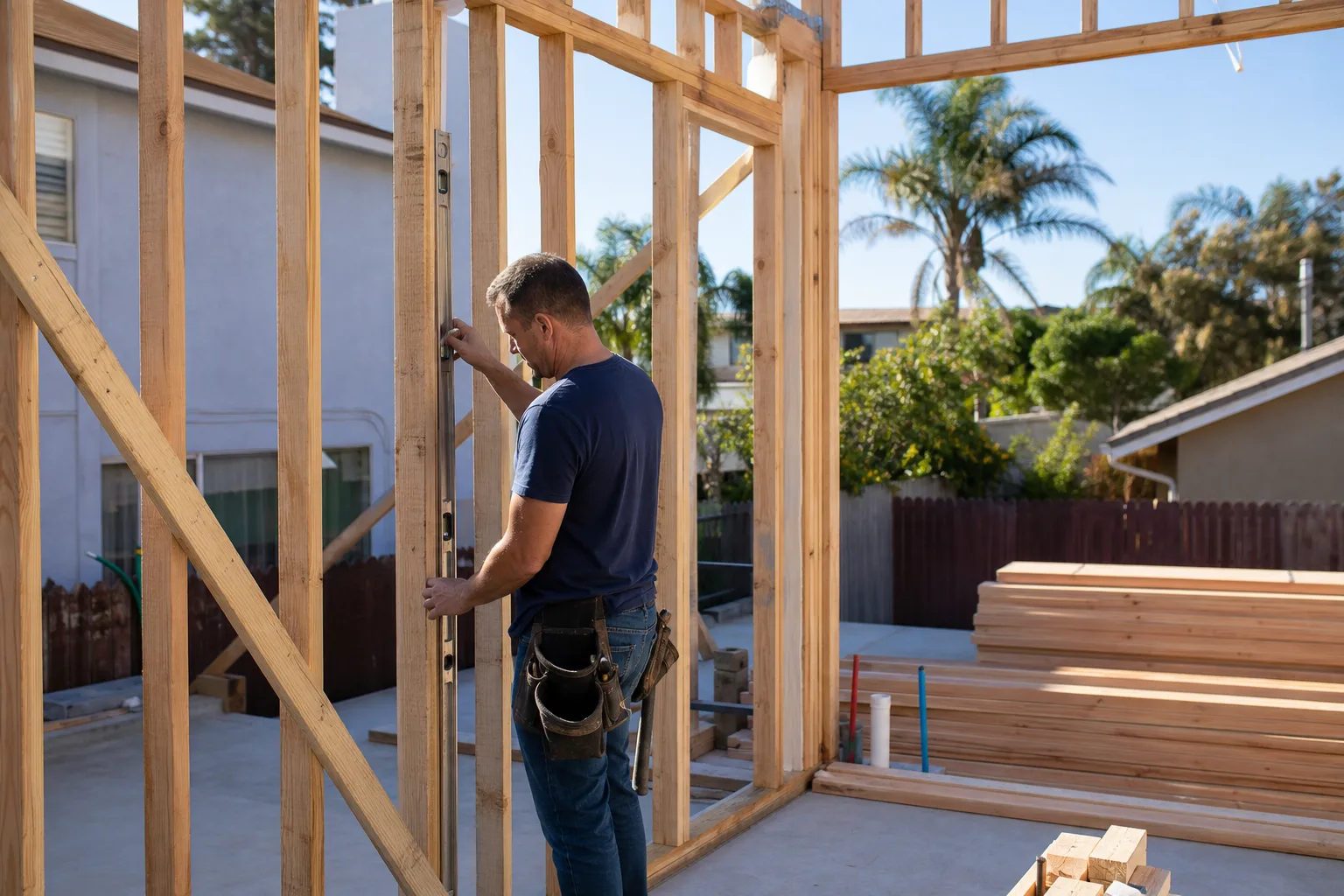
An ADU or addition is a small building stapled to a big one, and every part of it that isn’t the original house needs its own schedule. Mini-split filters every 4 – 6 weeks. Seams and flashing twice a year. Subpanel, water heater, and detectors annually. Caulk renewal every 3 – 5 years. Budget $1,200 – $2,800 a year and set aside more for the bigger items. Do these and the addition will hold up against Huntington Beach’s salt air, marine layer, and Santa Ana winds for the long haul. Skip them and it won’t.
If you’re still planning an addition or want a professional set of eyes on a finished one, call (844) 320-2945 for a free estimate. We’re happy to walk the property, put the scope in writing, and tell you exactly what needs attention and what doesn’t. While you’re thinking about the whole property, we also install Fence Installation in Huntington Beach using ActiveYards and other premium brands – the fence line around an ADU is where privacy, wind, and drainage meet. And when you’re ready for a broader conversation about your home, start from the Barrett & Sons Construction Huntington Beach home.
Written by the team at Barrett & Sons Construction Huntington Beach.